Thinking about buying a wheelchair van in BC, but unsure what licence your drivers need? You’re not alone. Many organizations run into this question early in planning. Accessible transportation is a real need across the province. In fact, about 27 percent of Canadians aged 15 and older live with a disability, according to Statistique Canada. That means many people across Vancouver, Kelowna, Prince George, and smaller communities in British Columbia rely on accessible rides to reach healthcare, community programs, and daily services.
If you’re planning to add a wheelchair van in BC, the last thing you want is to buy a vehicle and then learn your team cannot legally drive it. That gap can slow down your program and create compliance concerns. More importantly, it delays support for people who rely on your services. You’re working to remove barriers to mobility and care. Licensing confusion should not become another obstacle.
Au MoveMobility, we’ve worked with organizations like yours and Corner Brook Transit for more than 20 ans. We’re certified through the Le programme Ford Pro Upfitter and the Stellantis QPro program, and our vehicles carry the Marque nationale de sécurité, showing they meet strict federal safety standards. We also recognize there are other manufacturers in the market, so our goal here is simple. Provide clear information so you can make the best choice for your program.
Dans cet article, vous apprendrez :
- What licence you need to drive a wheelchair van in British Columbia
- When a Class 5 licence is enough
- When additional rules may apply to passenger transportation
Remarque : Licensing rules can change. Always confirm details with ICBC or your regional licensing authority before operating a wheelchair van in BC.
What licence do you need to drive a wheelchair van in BC?

If your organization plans to operate a wheelchair van in BC, the licence your drivers need depends on how the vehicle is used.
In many cases, organizations that transport clients, patients, or program participants will need a Class 4 driver’s licence in British Columbia. This is because the vehicle is carrying passengers as part of a service.
Driver licensing in the province is managed by the Insurance Corporation of British Columbia (ICBC). ICBC outlines the rules for licence classes and passenger vehicles.
The key thing to understand is simple.
Equipement d'accessibilité does not change the licence requirement.
What matters most is how many people are in the vehicle and why they are being transported.
So if your team plans to operate a wheelchair van in British Columbia, licensing often comes down to whether you are running a passenger service.
Class 4 licence: The most common licence for a wheelchair van in BC
For most organizations, the wheelchair van licence requirements in BC point to a Class 4 licence.
This licence is used when someone drives passengers as part of their job or service.
Think about organizations like:
- Community living programs
- Senior transportation services
- Healthcare outreach programs
- Non-profit transportation services
If staff members are transporting people as part of the organization’s services, a Class 4 licence is usually required.
What are the two types of Class 4 licences?
There are two versions of the Class 4 licence in British Columbia.
| Licence type | Passenger limit | Utilisation typique |
| Class 4 restricted | Jusqu'à 10 passagers, y compris le conducteur | Community transportation, transport des patients |
| Class 4 unrestricted | Up to 25 passengers | Larger shuttle vehicles |
For most wheelchair vans in BC, the Class 4 restricted licence is the one that applies.
Exemple
Picture a non-profit in Kelowna that operates a wheelchair van to take clients to:
- Day programs
- Grocery trips
- Événements communautaires
Staff are transporting passengers as part of their role. Because of that, the driver needs a Class 4 restricted licence.
When would a Class 5 licence apply?
A Class 5 licence is the standard licence most people in BC already have. It allows drivers to operate regular passenger vehicles.
Sometimes, a wheelchair van in BC can still be driven with a Class 5 licence, but two conditions usually need to apply.
- Passenger limit: The vehicle carries 10 people or fewer, including the driver.
- Program structure: The transportation is not considered a commercial passenger service.
This situation can happen in smaller programs.
For example, imagine a group home in Nanaimo where staff occasionally drive residents to recreational activities. The transportation is informal and part of daily support rather than a structured passenger service.
In cases like that, a Class 5 licence may be enough.
However, many organizations still choose drivers with a Class 4 licence to avoid compliance issues.

Why organizations should confirm wheelchair van licence requirements in BC
Licensing rules can change depending on:
- How your program operates
- How many passengers you carry
- Whether transportation is considered a service
That’s why it’s always important to check directly with ICBC or local regulators before launching a new transportation program.
It helps prevent a common situation where a team purchases a wheelchair van in British Columbia, hires drivers, and then discovers the licensing rules are different than expected.
A quick confirmation early in the planning stage keeps your program running smoothly and keeps the focus where it belongs.
Helping people get where they need to go.
When exactly does a wheelchair van in BC require a class 4 licence?
If you’re still a little puzzled, let’s explore this a bit further. Many organizations ask the same question after learning about licence classes. When exactly do you need a Class 4 licence for a wheelchair van in BC?
The short answer is simple. If your organization transports people as part of a service, the driver will usually need a Class 4 licence in British Columbia.
This rule applies even when the vehicle looks like a regular van. The deciding factor is how the transportation is used, not the accessibility equipment inside the vehicle.
In BC, a Class 4 licence is typically required when someone drives passengers as part of their job or organized service. These licences are designed for vehicles that carry people in structured programs.
For many organizations operating a wheelchair van in British Columbia, this is exactly how the vehicle will be used.
Situations where a Class 4 licence usually applies
Here are common situations where wheelchair van licence requirements in BC point to a Class 4 licence.
- Transporting clients or program participants: Staff driving people to services such as healthcare appointments, therapy, or community programs.
- Running scheduled transportation programs: Organizations that operate regular pick-ups or drop-offs for clients.
- Providing medical or healthcare transport: Programs that take patients to dialyse, clinics, or hospitals.
- Operating accessible community shuttles: Transportation services offered by municipalities, non-profits, or community groups.
- Staff driving as part of their job: If driving clients is part of the employee’s duties, a Class 4 licence is often required.
These situations are common across the province. Think about programs in places like Surrey, Victoria, Prince George, or Kamloops, where transportation plays a big role in connecting people to services.
Par exemple :
Imagine a non-profit organization in Surrey that runs a day program for adults with disabilities.
Each morning, staff use a wheelchair van in BC to pick up participants from their homes and bring them to the program. At the end of the day, they drive everyone home again.
In this situation:
- The organization is transporting people as part of its services
- The vehicle is operating like a passenger transportation program
Because of that, the driver would usually need a Class 4 restricted licence.
This is one of the most common examples of wheelchair van licence requirements in BC.
When organizations are unsure about licensing
Sometimes the situation is less clear. This happens when transportation is occasional or informal.
For example, a small support program in Nanaimo might only use their wheelchair van in British Columbia once or twice a week to bring residents to community events or appointments.
In situations like this, organizations often wonder if a Class 5 licence is enough.
Here is the helpful rule of thumb.
If transportation is structured and part of your service model, a Class 4 licence applies.
Many organizations choose to train drivers with a Class 4 restricted licence even when the rules are not perfectly clear. This approach helps reduce compliance concerns and keeps programs running smoothly.
Why is it so important to understand wheelchair van licence requirements in BC?
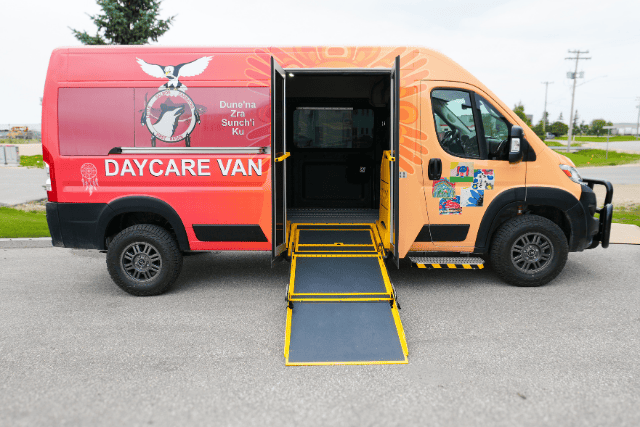
Getting licensing right from the start helps prevent several common problems.
- Program delays: Transportation services can be delayed if drivers do not hold the correct licence.
- Insurance complications: Some insurance policies require the appropriate licence class for passenger transportation.
- Compliance concerns: Operating a wheelchair van in BC without the proper licence could create regulatory issues.
Most organizations simply want to focus on their mission. That mission is helping people reach healthcare, programs, and community support.
Understanding wheelchair van licence requirements in BC early in the planning process makes it that much easier.
Do non-profits need a commercial licence for a wheelchair van in BC?
Many organizations ask this question when planning transportation programs.
If you run a non-profit or community program, it is easy to assume the rules might be different. After all, your goal is to help people, not operate a transportation business.
However, when it comes to wheelchair van licence requirements in BC, the rules usually focus on what the vehicle is doing, not the type of organization running it.
If your team is transporting passengers as part of a service, the driver will often still need a Class 4 licence in British Columbia, even if your organization is a non-profit.
This applies to many programs across the province.
Situations where non-profits often need a Class 4 licence
Non-profits commonly operate transportation services such as:
- Accessible transportation programs for people with disabilities
- Senior transportation services helping older adults attend appointments
- Community living programs transporting residents to daily activities
- Healthcare outreach programs bringing patients to clinics or treatment
In these cases, the transportation is part of the service being provided. Because of that, the driver is required to hold a Class 4 licence.
For example, imagine a community support program in Prince George that runs a wheelchair van to take participants to medical appointments, grocery trips, and recreation programs. Staff are transporting people as part of their role with the organization. That situation typically falls under Class 4 licensing requirements.
Why do the rules apply to non-profits?
The goal of these licensing rules is simple. They help confirm that drivers transporting passengers have the training required for passenger safety.
Drivers with a Class 4 licence in British Columbia complete additional testing that focuses on:
- Passenger safety
- Vehicle awareness
- Driving responsibility when transporting others
These rules apply across many types of services, including non-profits, healthcare organizations, and community programs.
Ready to launch your wheelchair van in BC?
You likely came here because your organization is planning to operate a wheelchair van in BC and you want to understand the licensing rules before moving forward. Getting this wrong can slow down your program, create compliance concerns, and delay transportation for people who rely on your services.
After reading this guide, you now have a clearer picture of the wheelchair van licence requirements in BC:
- Class 4 licences are commonly required when transporting passengers as part of a service
- Passenger capacity matters, with most wheelchair vans in British Columbia falling under the Class 4 restricted category
- Non-profits still follow the same passenger transport rules when transportation is part of their program
- Confirming requirements with ICBC or your regional authority is the best final step before launching your service
Au MoveMobility, we spend our days helping organizations turn transportation ideas into real programs that improve lives. Over the past two decades, we’ve worked with community health teams, municipalities, Indigenous organizations, and non-profits across Canada to design wheelchair vans that solve real transportation challenges. Our team understands that every program is different.
Some serve rural communities, others support urban outreach programs, and many operate somewhere in between. That’s why our approach always starts with listening to your goals and helping you choose the right solution for your community. When transportation barriers disappear, people gain access to healthcare, connection, and independence. If you have questions about your program or the next steps, click the button below to speak with a mobility expert.
If you’re not ready to talk to a mobility expert yet, we have a few other resources that can help you continue learning.
Lectures recommandées
- Comment choisir un fauteuil roulant (11 étapes) : A practical guide that walks you through the key decisions organizations face when selecting the right véhicule accessible.
- Combien coûte un camion-fourgon pour fauteuils roulants ? Understanding the real costs helps organizations plan budgets and funding strategies before purchasing.
- Comment acheter une camionnette pour fauteuils roulants ?: Learn the full purchasing process so you can confidently move from planning to acquiring the right vehicle for your program.
FAQ: Wheelchair van licence requirements in BC
Q : What licence do you need to drive a wheelchair van in BC?
A : In many cases, drivers need a Class 4 licence if they are transporting passengers as part of a job or service. Some situations may allow a Class 5 licence, depending on how the vehicle is used.
Q : Do non-profits need a Class 4 licence to operate a wheelchair van in British Columbia?
A : Often yes. If your organization transports clients or program participants as part of a service, drivers typically need a Class 4 licence even if the organization is a non-profit.
Q : Can you drive a wheelchair van in BC with a Class 5 licence?
A : Sometimes. A Class 5 licence may apply when the vehicle carries 10 passengers or fewer, including the driver, and transportation is not considered a passenger service.
Q : What is the difference between Class 4 restricted and Class 4 unrestricted in BC?
A : A Class 4 restricted licence allows drivers to carry up to 10 passengers, including the driver, while Class 4 unrestricted allows up to 25 passengers.
Q : Where can organizations confirm wheelchair van licence requirements in BC?
A : The best place to confirm rules is through the Insurance Corporation of British Columbia or your regional licensing authority before operating a wheelchair van in British Columbia.


 English
  French