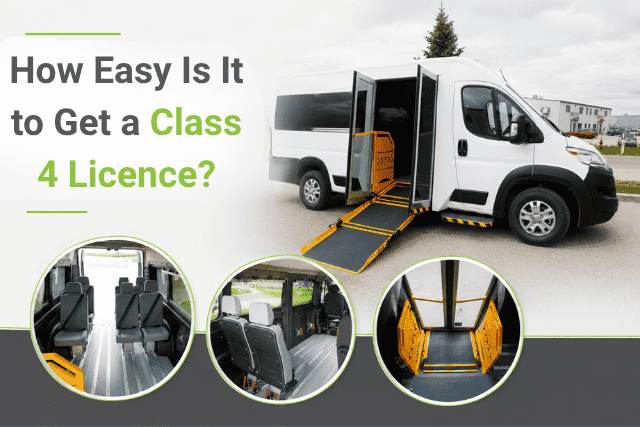
Class 4 licence requirements can feel confusing when you’re planning to launch or expand a transportation program. You might be adding a fourgon accessible aux fauteuils roulants for seniors, patients, or community members.
Then a question pops up: Do our drivers need a Class 4 licence, and how hard is it to get one?
Many rely on organizations like yours to reach appointments, programs, and social connections. When driver licensing rules feel unclear, it can slow down decisions about buying a vehicle. That gap creates real stress. You want to serve your community well, yet the licensing side may feel like another barrier.
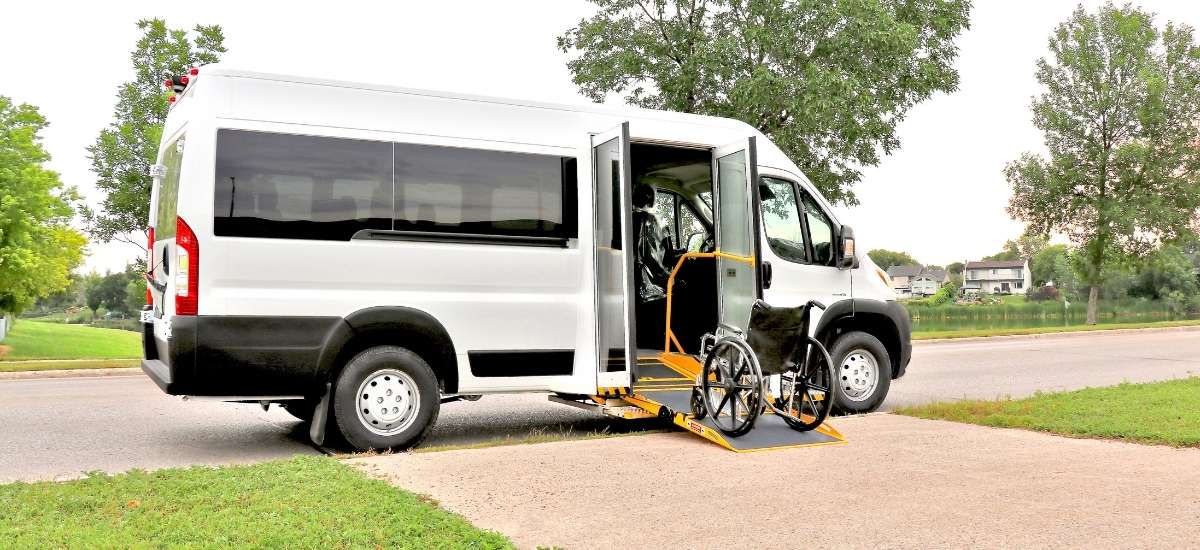
Au MoveMobility, we’ve spent more than 20 ans helping organizations remove barriers to healthcare and transportation. Our team has built over 480 wheelchair accessible vans and 180 unités médicales mobiles in the past three years. Our vehicles carry the Marque nationale de sécurité and are built under Ford Pro Upfitter and Stellantis QPro certifications. We’ve partnered with organizations such as Liard First Nation, and we’re honoured to be recipients of the 2026 DARE Innovation Award.
Dans ce guide, vous apprendrez :
- What is a Class 4 licence in Canada?
- How easy is it to get a Class 4 driver’s licence?
- Licence requirements, cost, and tests
Let’s start with the basics.
What is a Class 4 licence in Canada?
A Class 4 licence is a special type of driver’s licence that allows someone to transport passengers for work or community service. If your organization operates a wheelchair accessible van, shuttle, or community transportation vehicle for paid transportation services, a Class 4 driver’s licence is often required for the person behind the wheel.
In most provinces, this passenger transportation licence is called a Class 4 licence. However, there are a couple of naming differences worth knowing.
In Ontario, the licence names are different. A standard Class G licence is comparable to a Class 5 licence in many other provinces. Ontario’s Class F licence is the equivalent of what many provinces call a Class 4 licence. This is important because organizations in Ontario may not see “Class 4” listed, but the same type of passenger transportation requirement may still apply under the Class F category.
In Quebec, the licence structure is also different. Quebec uses Class 4A for emergency vehicles, such as ambulances, and Class 4B for minibuses and small buses. So, while Quebec still uses “Class 4” in the name, organizations should look closely at whether Class 4A or Class 4B applies to their vehicle and service type.
These vehicles usually include:
- Accessible transportation vans used by community organizations
- Taxi or ride service vehicles in some provinces
- Small shuttle buses that carry a limited number of passengers
Each province sets its own rules, but the purpose stays the same. A driving licence Class 4 shows that the driver understands passenger safety, road rules, and how to operate a vehicle used for public service.
For many organizations across Canada, a Class 4 driving licence is the licence category used for wheelchair accessible vans.
For example:
- British Columbia: A Class 4 licence is common for taxi drivers, accessible transit drivers, and community transport programs.
- Alberta: Many paratransit and medical transport drivers hold a driver licence Class 4.
- Saskatchewan and Manitoba: Similar licences allow drivers to operate passenger vehicles used for services like accessible transportation.
This licence matters when your organization plans to add a véhicule accessible aux fauteuils roulants for paid transportation services. The licence requirement can feel like another step in the process. Yet in reality, the process for getting a Class 4 driver’s licence is usually far simpler than most teams expect.
So the next question becomes clear.
How easy is it to get a Class 4 driver’s licence in Canada?
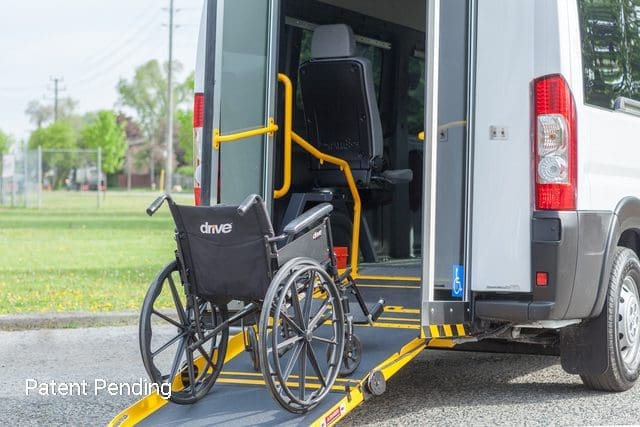
If you’re planning to operate an accessible transportation program, the Class 4 licence requirement often feels like a big unknown. Many organizations picture long training programs or complex commercial licensing rules. In reality, the process for getting a Class 4 driver’s licence in Canada is fairly straightforward.
Most people who apply already hold a standard driver licence. That means they already understand the rules of the road. A Class 4 driver licence simply adds extra training focused on passenger safety and responsibility.
Across Canada, the process involves three core steps:
- Study and pass a Class 4 licence knowledge test
- Complete a medical exam
- Pass a road test
Once those steps are complete, the province upgrades the driver’s licence to Driver Licence Class 4.
Why does the process exist? Passenger transportation carries more responsibility. Drivers may transport seniors, patients, or people living with disabilities. Licensing helps confirm that drivers understand safety procedures and passenger care.
In Canada, commercial driver classes are standardized nationally through the National Safety Code, which sets safety benchmarks for commercial drivers and vehicles across the country. Provincial governments issue the licences, but they follow common safety principles.
Most drivers already meet the starting requirements
In many cases, the driver you’re considering for your vehicle is likely already close to qualifying.
For example, in provinces like Colombie-Britannique, drivers must:
- Be at least 19 years old
- Hold a full Class 5 driver’s licence
- Have several years of driving experience
Other provinces follow similar rules. In Alberta, drivers must hold a full Class 5 licence and pass a knowledge test before upgrading to a Class 4 driving licence.
Because of that, most drivers don’t need months of training. Many people prepare by reviewing the provincial commercial driver handbook and practicing Class 4 licence test questions.
What does the road test focus on?
After the written test, drivers must complete the Class 4 licence test, which is the road exam.
The road test evaluates several skills:
- Safe lane changes and turns
- Defensive driving habits
- Awareness of passengers
- Vehicle control in urban traffic
Drivers may also demonstrate a pre-trip inspection, which means checking the vehicle before driving. This is common for commercial licences.
The test usually takes less than an hour.
Class 4 licence requirements, costs, and tests in Canada
Understanding the Class 4 licence requirements helps organizations plan ahead. The good news is that the process remains consistent across most provinces.
Think of a Class 4 driver’s licence as sitting between a standard passenger licence and larger commercial licences. It allows drivers to operate vehicles that transport passengers but are smaller than buses.
In many provinces, the licence also allows drivers to operate vehicles like ambulances, taxis, limos, and shuttle vehicles that can carry up to 10 passengers, including the driver.
Some provinces also offer two types of Class 4 driving licence:
- Restricted Class 4: Small passenger vehicles
- Unrestricted Class 4: Larger passenger vehicles such as shuttle buses
Class 4 licence requirements
The Class 4 licence requirements vary slightly by province, though most follow similar guidelines.
Typical Class 4 driving licence requirements include:
- Age requirement: Usually 18 or 19, depending on the province.
- Full driver licence: Most provinces require a Class 5 licence first.
- Driving experience: Often, at least two years of driving history.
- Medical exam: A physician confirms the driver meets health standards.
- Knowledge test: Passing the written Class 4 licence knowledge test.
- Road test: Passing the practical Class 4 licence test.
For example:
- In British Columbia, drivers must hold a full licence and complete both written and road tests through ICBC.
- In Alberta, drivers must pass a knowledge test and medical screening before taking the road exam.
Many provinces also require drivers to provide a medical report when applying for a Class 4 driving licence.
For organizations planning to run accessible vans or community transport programs, these requirements help confirm that drivers understand passenger safety.
Class 4 licence knowledge test
The Class 4 licence knowledge test focuses on safety responsibilities when transporting passengers.
Drivers usually study from the provincial commercial driver handbook. In British Columbia, the official Driving Commercial Vehicles guide is commonly used to prepare for the exam.
Topics covered in the Class 4 licence test questions often include:
- Passenger safety and responsibilities
- Defensive driving
- Emergency procedures
- Professional driver conduct
Many drivers review a Class 4 licence practice test before taking the official exam. These practice tests help drivers understand the format and identify areas that need more study.
Class 4 licence cost
Another common concern is the Class 4 licence cost.
Compared to larger commercial licences, the cost is relatively low. Fees vary across provinces, though the overall range tends to remain manageable.
Costs may include:
| Step | Estimated cost |
| Class 4 licence knowledge test | $15 to $30 |
| Road test | $50 to $100 |
| Medical exam | $80 to $150 |
| Licence upgrade fee | $20 to $50 |
For example, in Alberta, the knowledge test fee is around $17 when taken at a registry office.
Exact fees depend on the province and testing location. Provincial licensing authorities or provincial registry offices publish updated fee schedules online.
How long does it actually take to get a Class 4 licence in Canada from start to finish?
Many organizations assume getting a Class 4 takes months. In reality, the timeline is often much shorter. If your driver already holds a full licence, the process can move surprisingly fast.
The first step is the Class 4 licence knowledge test. In many provinces, this written test takes about 15 to 30 minutes. Drivers answer multiple-choice Class 4 licence test questions based on passenger safety and commercial driving rules.
If the driver studies ahead of time, passing the knowledge test can happen on the first attempt. Many drivers prepare using a Class 4 licence practice test, which makes the exam feel familiar.
After passing the written test, drivers book the Class 4 licence test, which is the road exam. Scheduling depends on availability in your province, though many drivers complete it within a few weeks.
Here is what the timeline often looks like:
- Knowledge test: Around 15–30 minutes
- Medical exam: Usually completed during a regular doctor visit
- Road test: Often booked within a few weeks
For organizations planning accessible transportation, this means a Class 4 driver’s licence usually isn’t a barrier. Many drivers are already close to qualifying.
Once your team understands how to get a Class 4 licence, adding a driver to operate a passenger vehicle becomes much more manageable.
Got any questions about getting a Class 4 driver’s licence?
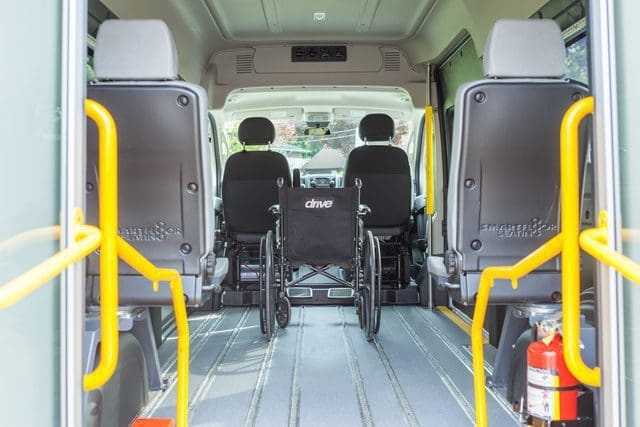
You likely came here because the Class 4 licence requirement felt unclear. Maybe you’re planning to launch a transportation program or add a wheelchair accessible van. Licensing rules can slow decisions and create uncertainty for your team.
After reading this guide, you now understand the path forward.
- What a Class 4 licence is: A passenger transport licence used for accessible vans and community transportation vehicles.
- How easy it is to get a Class 4 driver’s licence: Many drivers complete the Class 4 licence test in much less time than they’d expect.
- Class 4 licence requirements, costs, and tests: A medical exam, knowledge test, and road test are the main steps.
Au MoveMobility, we work with organizations across Canada that are navigating these same decisions. Over the past two decades, we’ve partnered with community groups, healthcare teams, and transportation programs that want to remove barriers to care and mobility. Our role is simple.
We listen, we share what we’ve learned, and we help you move forward with confidence. When a vehicle helps someone reach dialysis, counselling, or community programs, that impact matters to us. If you have questions about accessible vehicles or starting a transportation program, click the button below to speak with a mobility expert.
Si vous n'êtes pas encore prêt à parler à un expert en mobilité, nous avons quelques autres ressources à vous proposer pour en savoir plus.
Recommended next reads
- Comment choisir un fourgon pour fauteuils roulants (11 étapes): A practical guide that walks you through the key decisions when selecting the right accessible vehicle for your program.
- Fourgonnette pleine grandeur pour fauteuils roulants ou mini-fourgonnette : Qu'est-ce qui vous convient le mieux ? This article will help you decide if a full size wheelchair van or minivan is the right choice.
FAQ: Class 4 licence in Canada
Q: What is a Class 4 licence in Canada?
A : A Class 4 licence allows drivers to transport passengers in vehicles such as taxis, ambulances, and wheelchair accessible vans for work or community services.
Q: What are the Class 4 licence requirements?
A : Typical Class 4 licence requirements include holding a full Class 5 licence, passing a Class 4 licence knowledge test, completing a medical exam, and passing the Class 4 licence test.
Q: How do you get a Class 4 driver’s licence?
A : To get a Class 4 driver’s licence, you must study for and pass the Class 4 licence knowledge test, complete a medical exam, and pass the Class 4 driving licence road test.
Q: How much does a Class 4 licence cost?
A : The Class 4 licence cost usually includes fees for the knowledge test, road test, medical exam, and licence upgrade, typically totaling around $100 to $300, depending on the province.
Q: How can you prepare for the Class 4 licence test questions?
A : Many drivers prepare by studying the commercial driver handbook and taking a Class 4 licence practice test to become familiar with common Class 4 licence test questions.
 English
  French