

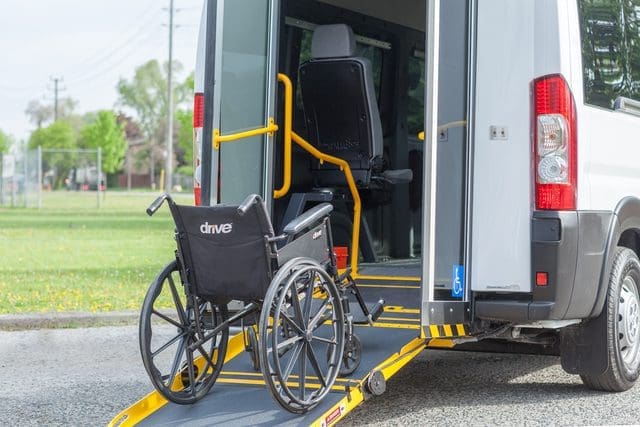
How many people in Canadian communities skip medical visits or stay isolated because there’s no easy way to get around? That’s what wheelchair van ridership is all about. In Ontario alone, over 1.85 million people live with mobility disabilities. Many face bigger health problems and feel cut off from daily life without the right transportation.
Here’s the real gap: Your clients can’t get where they need to go. Health worsens, loneliness grows, and costs rise from emergency care that could have been avoided. Meanwhile, your team scrambles to help, feeling stretched and worried that they’re falling short.
Picture the other side. People make it to check-ups, social programs, and family gatherings. Your staff breathes easier. The communities you’re helping start to thrive. Knowing your wheelchair van ridership enables you to plan for that.
MoveMobility is trusted by healthcare networks, non-profits, and First Nations across Canada to close these gaps. We’ve been building safe, reliable wheelchair vans for over 20 ans, backed by Ford QVM, Stellantis QPro, and Canada’s Marque nationale de sécurité. We’ve worked with communities and organizations like yours and Liard First Nation so more people can stay connected. And we’re here to guide you, not push you.
Dans cet article, vous apprendrez
- What wheelchair van ridership means
- How to figure out your local need
- Tips to build a solid case
What is wheelchair van ridership?
Wheelchair van ridership is just a straightforward way to measure how many people in your community count on a wheelchair accessible van to get around. It’s more than a headcount. It looks at how many trips you’ll make, how often folks ride, and why they need wheelchair transportation service. This helps your organization see the real demand and plan for it.
Picture running a program in a spread-out region like Northern Ontario or rural Alberta. Without a reliable fourgon pour fauteuils roulants, people might skip dialysis or mental health appointments or even miss out on visiting family. That hurts their health and well-being. It also piles stress on your team, who try to sort out last-minute solutions or deal with missed appointments.
Knowing your wheelchair van ridership gives you insight into:
- Who’s using it: People with mobility devices, older adults, or anyone who struggles with standard vehicles.
- How often they’ll ride: Maybe it’s daily for treatments, weekly for programs, or monthly for specialty care.
- Where they’re going: Hospitals, clinics, jobs, cultural events, or family gatherings.
For example, say you look further into your wheelchair accessible van ridership and see that most trips are for routine health care. Without those rides, many people could end up needing emergency care later on, which is costlier and harder on them.
This is about making sure people stay connected and healthy. Tracking ridership also gives you solid proof when talking to funders, councils, or boards. They’ll want to see that data before approving budgets or grants. When you better understand your local need, you’re one step closer to getting the right wheelchair van in place to keep your community moving.
How do you figure out wheelchair van ridership needs?
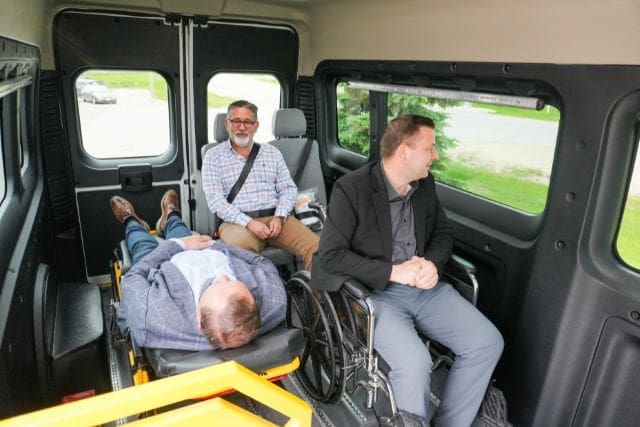
Now that you know what wheelchair van ridership is, how do you determine the need in your target area? It might feel like a guessing game at first, but it doesn’t have to be. There are clear steps you can take to understand how many people rely on wheelchair accessible van rides, how often, and where they need to go.
Let’s start with the first way.
1. Look at your current transportation records
One of the simplest ways to understand wheelchair van ridership is to dig into your own data. If your organization already offers any sort of transportation, pull those records. They’re a goldmine for spotting patterns.
Here’s what to check:
- Trip logs: Look for dates, times, destinations, and how often people ride.
- Mobility equipment use: See how many riders use wheelchairs or walkers.
- Reasons for travel: Health visits, social events, and grocery trips, which we’ll discuss more in section 5.
For example, you might find that out of 500 trips last year, 300 were for wheelchair users going to medical appointments. That’s 60% of your ridership tied to essential care. Without a van built for them, these trips can turn into no-shows or emergency situations later.
Looking at data builds a clear case for why you need a wheelchair accessible van. It also helps you plan for scheduling and budgets. Plus, it gives you solid numbers to show to councils, boards, or funders who want proof before backing your program.
2. Survey your community and partner organizations
Another smart way to figure out wheelchair van ridership needs is by going straight to the source. Talk to the people who will actually use the service, along with the organizations that already support them.
Try these approaches:
- Send out surveys: Simple questionnaires can ask how often people need rides, where they go, and if they use mobility devices.
- Host small group chats: Invite local elders, disability advocates, or care providers to talk about transportation gaps.
- Connect with clinics and social services: They can tell you how many clients struggle to get to appointments.
Say you’re in a community in Northern Manitoba. A short survey might reveal that 40% of local residents who use wheelchairs miss at least one appointment a month because of transportation barriers. That’s a powerful stat to include in any proposal.
This info does two things. It paints a clear picture of who needs a wheelchair accessible van and how often they’d use it. It also gives your team real stories to share when seeking funding or board approval. Decision-makers respond well to data, but they also want to hear how real people’s lives will change. Gathering these insights shows you’re serious about planning a service that’s truly built around local needs.
3. Check local health and demographic stats
Public data is another solid way to figure out wheelchair van ridership needs in your area. It gives you a wider view of the community, so you’re not working off gut feeling alone.
Here’s where to look:
- Stats Canada community profiles: You’ll see local age breakdowns, disability rates, and income levels.
- Provincial health authority reports: Many list rates of chronic diseases that can lead to mobility issues.
- Hospital or clinic data: Some share regional patient counts and common treatments that require regular visits.
For example, if your area has a high rate of diabetes or arthritis, two of the top causes of mobility loss, you can reasonably predict a higher need for wheelchair accessible van ridership. Or, say Stats Canada shows 25% of people in your county are over age 65. That often means more folks using walkers or wheelchairs and needing regular rides.
This data helps you show the scope of the need, even beyond your current clients. It strengthens grant applications, presentations to councils, or any internal business case. Plus, it keeps you from underestimating demand and ending up with a van that’s booked solid and leaving people waiting.
4. Talk to peer organizations and transit providers

Another way to figure out wheelchair van ridership needs is to learn from others already running similar programs. They can share practical insights you won’t find in your own records or surveys.
Reach out to groups like:
- Nearby non-profits or Indigenous health teams: They often operate wheelchair accessible vans or patient shuttles.
- Local transit services: Many keep track of paratransit requests, waitlists, and how often trips are denied.
- Adult day programs or long-term care homes: Staff regularly handle transportation hurdles and know where gaps exist.
Imagine connecting with a neighbouring community’s program and hearing their wheelchair van stays booked 80% of the time, mostly with repeat riders. That’s a strong clue that your own demand could be just as high. Or say the local transit provider reports dozens of ride requests each month from people using mobility devices that they can’t accommodate. That highlights a clear unmet need.
Talking with these peers also uncovers common problems, like underestimating ridership or failing to budget enough driver hours. Those lessons are gold. They help you sidestep costly mistakes and give your proposal extra weight. Boards, councils, and funders often take notice when you can show how your plan lines up with what’s happening in similar communities.
5. Map out trip types and frequency
Understanding wheelchair van ridership isn’t just about counting people. You also need to know how often they’ll ride and why. Mapping this out gives you a real sense of how busy your van will be and what kind of service you’ll need to run.
Break it down like this:
- Essential medical trips: Dialysis, cancer treatments, and rehab sessions that happen multiple times a week.
- Routine health care: Doctor visits or therapy that might be monthly.
- Social or cultural outings: Family gatherings, community events, or elder programs that help fight isolation.
- Errands: Groceries, pharmacy runs, or banking that keep daily life on track.
- Employment: Includes transporting people to jobs or those who are job hunting.
Picture a First Nation community in Yukon where most rides are for dialysis three times a week. That van will see heavy, predictable use. Meanwhile, a town in Southern Ontario might mostly use the van for monthly clinic trips and social events, needing a more flexible schedule.
When you sort trips by type and frequency, you avoid under- or overestimating how many rides you’ll provide. It also helps plan staffing and budgets. If 70% of trips are high-frequency medical visits, you’ll need reliable scheduling and maybe even a backup plan for maintenance days. Having this level of detail shows decision-makers exactly why a wheelchair accessible van is critical, not just a nice extra.
3 tips to justify a wheelchair van using ridership data
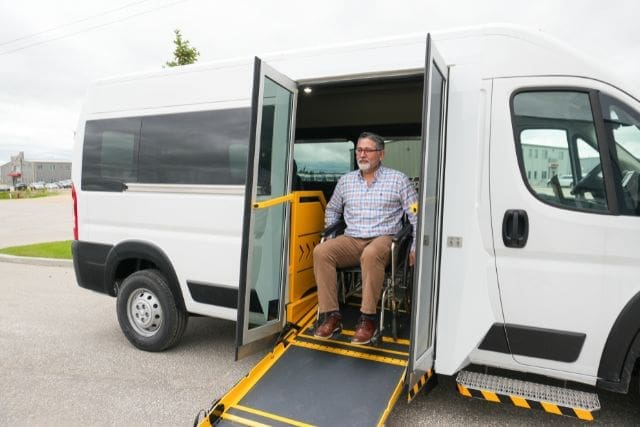
Now that you know how to figure out your wheelchair van ridership, the next step is turning those findings into a clear, convincing case. You might be presenting to a board, Chief and Council, or a grant committee that needs to see why this isn’t just helpful, it’s necessary.
When you build a case the right way, you’ll boost your chances of getting the funding and green light you need. Here’s how to start.
1. Put the numbers front and centre
Data does the heavy lifting. When you show clear wheelchair van ridership numbers, it’s easier for others to see why this matters.
Use a few simple tactics:
- Lead with key stats: Try something like, “Out of 1,000 trips last year, 600 were for people using wheelchairs.”
- Add quick visuals: A small bar chart or pie graph gets the point across faster than long text.
- Show future trends: If local seniors are expected to grow by 20% in the next five years, that signals even more demand ahead.
These facts give solid, local reasons for boards, councils, or funders to back your plan. It’s tough to debate real numbers tied to your community. When you lay it out this way, decision-makers can see the gap and why a wheelchair accessible van needs to be on their radar right now.
2. Share real stories and human impacts
Numbers matter, but personal stories bring your wheelchair van ridership data to life. They help people picture the faces behind the stats and understand what’s truly at stake.
Here’s how to do it:
- Collect short examples: Maybe an elder missed weeks of dialysis because she couldn’t get a ride, or a local youth stopped going to therapy sessions.
- Include positive wins: A community that added a wheelchair accessible van saw fewer missed appointments and happier families.
- Use simple quotes: A caregiver saying, “Now my dad can get to his cancer treatments without us stressing every week,” sticks with people.
Boards and funders want proof, but they also want to see the human side. Real examples show how the van keeps people healthy, connected, and living with dignity. When you pair stories with your data, it builds a stronger, more relatable case that’s hard to turn down.
3. Show the cost of doing nothing
Many boards and funders want to know what happens if they say no. This is where showing the wheelchair van ridership gap pays off. When you highlight the risks of staying put, it makes the choice clearer.
Focus on things like:
- More ER visits: People without regular rides might wait too long to get care and end up in the hospital, which puts more strain on health systems and budgets.
- Higher long-term costs: Missed treatments can mean worse health later, which is often pricier to manage.
- Social impacts: Isolation hits mental health hard. Elders or people with disabilities may lose touch with community life.
A simple chart comparing the cost of one ER visit to the cost of a routine transport trip can be powerful. It shows how a wheelchair accessible van actually helps manage health resources and keeps people out of crisis.
When you can clearly lay out what’s at risk by waiting, it pushes decision-makers to see that moving forward is the smart, caring choice for your whole community.
Build your case for wheelchair ridership needs today
You likely came here because you’re worried people in your community are stuck with no public transportation. They might be missing medical care, skipping important gatherings, or facing bigger health issues down the road. It’s tough watching that happen and not knowing the next step.
Après avoir lu ceci, vous avez appris :
- What wheelchair van ridership means: so you can see the real transportation needs around you
- How to figure out local demand: with practical tools, surveys, and clear data
- Ways to make a case: that boards, councils, and funders will stand behind
Au MoveMobility, we’ve helped dozens of health programs, non-profits, and First Nations across Canada get moving with wheelchair accessible vans that truly fit their community needs. From your first question to vehicle delivery and beyond, we’re here to keep things simple, safe, and built around your goals.
It matters to us because we know that every ride means someone is staying healthy, connected, and living life fully. If you’re curious how this could work for your program, click the button below to start the conversation with a mobility expert.
If you’re not ready to chat yet, these articles can guide you a bit further:
- Comment obtenir plus de financement pour votre fourgon pour fauteuils roulants ?: Learn ways to secure grants and dollars that make buying easier.
- How to choose a wheelchair van (11 steps): A step-by-step look at figuring out exactly which van works best for your team and clients.
- Wheelchair van vs. bus: Everything you need to know: See how vans compare to larger buses so you can decide what fits your community best.

 English
  French