When your community starts comparing long-distance medical transport vehicles, the real question usually isn’t, “Which van looks good on paper?” It’s, “Will this vehicle actually work for our roads, our people, and the kind of care trips we handle?” For many First Nations and Indigenous communities, medical travel can mean long highway drives, winter conditions, gravel roads, and passengers who may already be tired before the trip begins.
If you choose the wrong vehicle, the gap can grow fast. Riders can be uncomfortable, staff can feel limited, and the vehicle can struggle to support the real day-to-day work. The right vehicle should make medical travel safer, calmer, and easier to plan.
I’m Aleck Jones, a Client Partner at MoveMobility. I work with communities like yours across western Canada that are trying to remove barriers to healthcare and transportation. Some need wheelchair accessible transportation. Others need mobile clinic options or vehicles built for longer medical trips. MoveMobility has been building these kinds of vehicles for over two decades, and our goal is simple: help people who help people save lives.
In this article, I’ll cover what to look for in a long-distance medical transport vehicle so you can make sure your passengers and staff are comfortable, safe, and supported.
What should you look for in a long-distance medical transport vehicle?
You may have come here from our last article on when your community might start considering a dedicated medical transport van. Now, let’s talk about what you should look for in one.
Every community is different. That may sound simple, but it’s the most important place to start. A long-distance medical transport vehicle for a First Nation or Indigenous community in northern Manitoba may need to support different trips than one serving a community near Prince George, Regina, Sioux Lookout, or Edmonton.
Some communities need to move Elders to routine appointments. Some need to support dialysis trips. Others need wheelchair access, stretcher transport, or space for family and support staff.
The right vehicle should fit the people using it, the roads it travels, and the care trips your team handles most often. A nice van that doesn’t fit your daily work is still the wrong van. That’s a bit like buying winter boots with no grip. They may look great, but February will have questions.
1. Look for a long-distance medical transport vehicle that supports different mobility needs
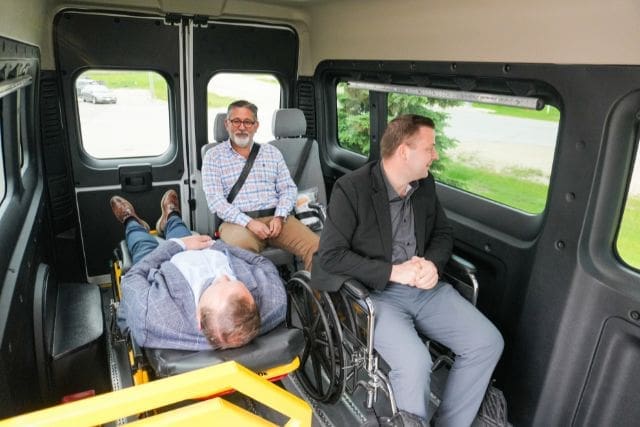
One of the first things I’d look at is passenger type. Who will actually be riding in this vehicle?
In many First Nations and Indigenous communities, one medical trip may involve a passenger who walks with support. The next trip may involve someone using a wheelchair. Another trip may involve someone who needs to travel by stretcher.
That’s why flexibility is so important.
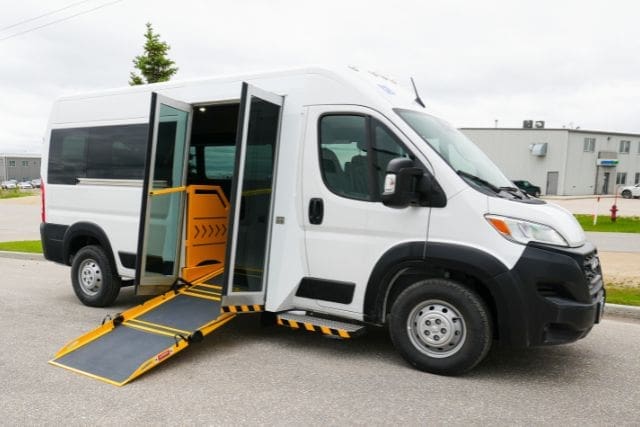
A vehicle like the P4 3-in-1 van is built around that idea. It can support ambulatory passengers, wheelchair users, and stretcher transportation in one vehicle. That doesn’t mean every community needs that exact model. It does mean your team should ask if the vehicle can handle the real mix of passengers you serve.
Here are a few questions worth asking early:
- Wheelchair users: Can passengers stay in their wheelchair during transport?
- Stretcher passengers: Can the vehicle safely support stretcher mounts?
- Ambulatory riders: Can people who walk board without the ramp blocking the way?
- Support people: Is there space for a caregiver, family member, or staff member?
- Changing needs: Can the layout adjust when tomorrow’s trip looks different from today’s?
That last point is big. Medical transportation changes week to week. A fixed layout can become a problem if your riders have different needs.
2. Safe entry and securement
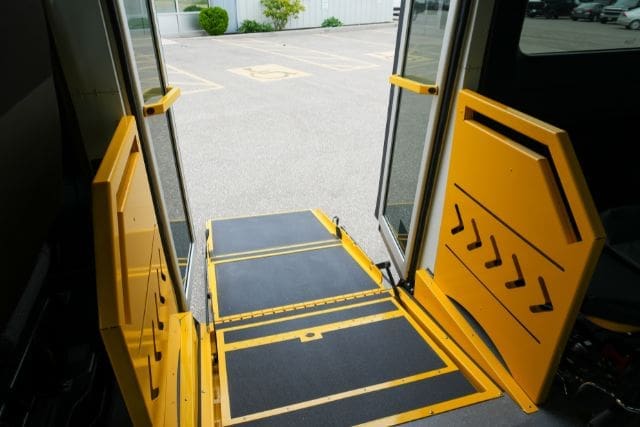
Getting into the vehicle should feel calm and respectful. This is especially true during longer medical trips.
If a passenger uses a wheelchair, the ramp or lift setup needs to be easy to use. Staff shouldn’t feel like they’re fighting the equipment in a parking lot while the wind is trying to win a wrestling match. In many Canadian regions, that’s not a rare day. That’s Tuesday.
Look for features that make boarding safer, such as:
- Barrier-free entry: Passengers can board with fewer physical obstacles.
- Powered ramp or lift access: Staff can load passengers with less strain.
- Manual backup systems: The vehicle can still function if power features fail.
- Clear entry space: The ramp shouldn’t block walk-on passengers when stowed.
- Driver controls: Operators can manage doors and ramps from the driver area.
Securement is just as important. For wheelchair passengers, ask about the restraint system. A 4-point wheelchair restraint kit can help keep the wheelchair stable during travel. For long routes, that extra support can make the ride feel safer for passengers and easier for staff to manage.
3. Pick a long-distance medical transport vehicle built for Canadian roads

Long-distance medical transportation in Canada isn’t always smooth highway driving. Your route may include gravel roads, snow, ice, hills, potholes, ferry crossings, or long stretches between service stops.
That’s why road readiness should be part of the conversation.
For example, a vehicle with higher ground clearance can help when roads are rough or uneven. A model with no lowered floor may also support better clearance. Front-wheel drive can help with traction in snow and ice, which is helpful for many communities across western and northern Canada.
This doesn’t mean one feature solves every road condition. It means the vehicle should be chosen with your routes in mind.
Think about your regular trips:
- Distance : Are trips usually one hour, three hours, or full-day travel?
- Roads: Are you dealing with gravel, snow, ice, or remote routes?
- Weather: How often does winter change the schedule?
- Service access: How far is the nearest dealership or repair shop?
- Passenger comfort: Will people be seated for long periods?
A vehicle may look perfect in a brochure. The better test is how it performs on the roads your community drives every week.
4. Select a vehicle that can adapt over time
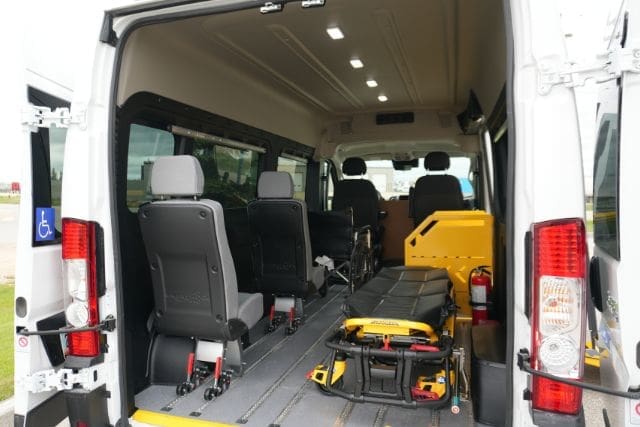
Your vehicle should fit today’s needs, but it should also leave room for growth.
Maybe your community starts with wheelchair transportation. Later, you may need stretcher capability. Maybe you need more ambulatory seating for group medical trips. Or maybe the program grows because people trust the service and start using it more.
That’s a good thing. It means the vehicle is helping remove barriers to care.
A flexible layout can help your team respond without buying a second vehicle too soon. Removable seats, floor track systems, wheelchair securement points, and stretcher mounts can all support a more useful setup.
Before choosing a vehicle, I’d suggest mapping out your most common trips. Nothing fancy. A simple list works.
Ask your team:
- Who rides most often?
- Who can’t use the current vehicle?
- Which trips are hardest to plan?
- What equipment travels with the passenger?
- What would make the ride feel safer and calmer?
- What would make staff feel more prepared?
Those answers will tell you more than a spec sheet alone.
The goal isn’t to buy the biggest vehicle or the fanciest one. The goal is to choose a long-distance medical transport vehicle that fits your community, supports your passengers, and helps your team provide care with more confidence.
5. Choose a vehicle that keeps riders comfortable for the full trip

Passenger comfort should be near the top of your list when choosing a long-distance medical transport vehicle. A short ride across town is one thing. A long trip after dialysis, specialist care, or a hospital discharge is a different story.
Some passengers may feel tired before they even step into the vehicle. Others may be sore, cold, anxious, or worried about the appointment ahead. A hard seat and a cramped layout won’t help anyone feel better. It may get them there, but it won’t support them well.
Look for comfort features that support real people on real trips, such as:
- Reclining seats: Helpful for passengers who need to rest after care.
- Armrests: Good support for older riders or people with lower strength.
- Open floor space: Easier movement for staff, wheelchairs, walkers, and bags.
- Durable flooring: Easier to clean after daily use.
- Warm interior finishes: A less clinical feel can make the ride feel calmer.

A vehicle used for long medical trips should feel respectful, clean, and planned. It doesn’t need to feel fancy. It needs to feel like someone thought about the person sitting inside it for three hours.
That comfort leads into another big point: temperature control.
6. Look for heating and cooling that fits Canadian weather

A long-distance medical transport vehicle should be ready for Canadian weather, because the forecast here likes to keep everyone humble.
In many parts of Canada, your vehicle may handle cold mornings, hot summer afternoons, slush, snow, and long waits outside medical centres. A basic heating and cooling setup may not be enough for passengers who are tired, older, or dealing with health concerns.
This is especially true for people coming back from dialysis or treatment. Sitting still for a long time can make a person feel cold. If their feet stay cold the whole ride home, the trip can feel much harder than it needs to.
Ask about features like:
- Rear heat: Passengers in the back should stay warm, too.
- Floor-level heating: Warm air near the feet can help comfort during long rides.
- Rear air conditioning: Summer trips can be draining without proper cooling.
- Consistent airflow: The whole cabin should feel comfortable, not just the front seat.
Picture a winter drive from a northern community into Thompson or Prince Albert. The driver may feel fine up front. But if the passenger area is cold, the ride can become uncomfortable fast. That’s the kind of detail you want to catch before the vehicle is built, not after the first January trip.
Next, comfort also includes keeping people connected during long travel days.
7. Pick a vehicle that helps passengers stay connected

Long medical trips can feel lonely. That’s easy to overlook when the focus is on seats, ramps, and layouts. But for the person riding, connection can make a long day feel less heavy.
A passenger may want to text family, call a caregiver, listen to music, watch a show, or charge a phone before arriving at the clinic. Small features can make a big difference here.
A long-distance medical transport vehicle may benefit from:
- USB ports: Passengers can keep phones or tablets charged.
- Wi-Fi options: Helpful in rural areas where cell service can be weak.
- A sound system: Music or calm audio can make the ride more pleasant.
- Device-friendly seating: Passengers should be able to use their phone without awkward reaching.
For some communities, Starlink Wi-Fi may be worth asking about. It can help riders and staff stay connected when travel routes pass through areas with poor service.
This isn’t about turning the van into a movie theatre on wheels. Although, let’s be honest, a good playlist can save a long drive. It’s about helping people feel less cut off during a medical trip.
Connection helps. So does privacy.
8. Choose a vehicle that protects privacy and dignity

Privacy can be easy to miss during the buying process, but passengers feel it right away.
A person travelling for medical care may not want to feel visible to everyone outside the vehicle. At the same time, they may still want to look out the window, see familiar places, and feel connected to the world around them.
That’s why window placement and tinting deserve a closer look.
Eye-level tinted windows can help passengers:
- See outside: The ride feels less closed in.
- Feel respected: People outside can’t easily see in.
- Stay calm: Natural views can make the trip feel less clinical.
- Feel included: Passengers can stay aware of their surroundings.
For First Nations and Indigenous communities, dignity should be part of the vehicle plan from the start. Medical travel can already ask a lot from people. The vehicle shouldn’t make them feel exposed, crowded, or like an afterthought.
The best setup is the one that supports the whole person, not just the appointment on the calendar.
At this stage, your checklist should be clear. The right vehicle needs to support mobility, comfort, climate, connection, privacy, and the roads your community actually drives.
Got any questions about long-distance medical transport vehicles?
You likely came to this article because your community is trying to make medical travel safer, clearer, and easier to plan. Maybe the current setup works some days, but other days it feels like the vehicle, the schedule, and the passenger needs are all pulling in different directions.
After reading this article, you now have a clearer idea of what to look for in a long-distance medical transport vehicle, including:
- Mobility support: Wheelchair, stretcher, and ambulatory passenger options.
- Confort : Seating, heat, cooling, and space for longer trips.
- Road readiness: Features built around Canadian travel conditions.
- Flexibilité : A layout that can change as your program grows.
Au MoveMobility, we’ve spent over 10 years helping organizations across Canada build vehicle solutions that fit real community needs. We’ve worked with health teams, First Nations, community programs, and care providers who are trying to close transportation gaps before they become bigger healthcare gaps. That work has taught us something important: the best vehicle starts with listening first. If you have questions, click the button below to talk to me. I’d be glad to help you think through the right next step for your community.
 English
  French