


Did you know that in 2023 alone, more than 50,000 Canadians were living with kidney failure, and many needed dialysis three times a week? That’s hours spent at clinics, with travel adding even more stress. If you help patients get there, you know the challenge. Many are seniors or people using wheelchairs. Without dependable rides, they risk missing treatments, which can harm their health and even shorten their lives.
That’s the gap many communities face, and why the Dialysis Patient Transport Van matters. Having a safe, reliable way to travel helps patients keep their independence and stay connected to care.
For more than 20 ans, MoveMobility has worked with health teams, First Nations, and non-profits across Canada. We’ve built over 150 mobile medical units that help reduce barriers to healthcare and transportation. Groups like Centre de santé communautaire Quest, Loftet Liard First Nation trust us to support their programs. You care deeply about the people you serve, and so do we. While we’re not the only builder in Canada, our long track record makes us a trusted partner in delivering vehicles that meet real-world needs.
Dans cet article, vous apprendrez
- What a Dialysis Patient Transport Van is
- The role it plays in better healthcare access
What’s the Dialysis Patient Transport Van?
Going for dialysis three times a week can feel like a nightmare. The trips eat up time and energy, and if you live hours away from the nearest clinic, the struggle grows even heavier. Add in poor transportation, like unreliable taxis or family cars that can’t handle wheelchairs, and the whole process becomes exhausting. That’s why the Dialysis Patient Transport Van is such an important solution. It’s designed to take away many of these barriers and make travel safer, easier, and more dignified.
Let’s take a closer look at what this vehicle offers.
1. Built for comfort and flexibility in dialysis trips
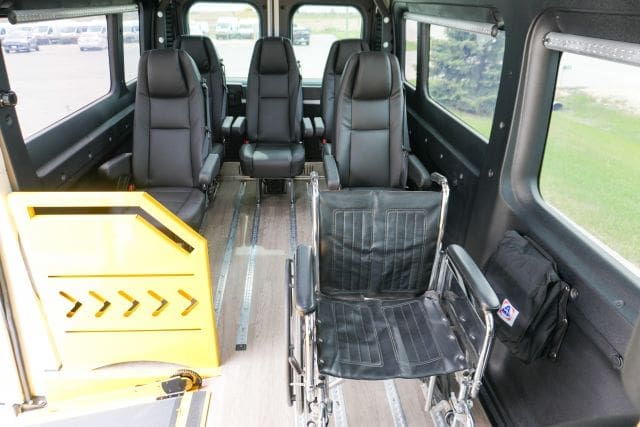
Dialysis appointments aren’t short. Patients can spend four hours hooked up to a machine, then face another long ride home. That’s why the Dialysis Patient Transport Van is designed to make travel less draining and a lot more comfortable.
- It starts with the foundation: This van is built on a RAM ProMaster 2500 chassis, a trusted commercial vehicle used across Canada for health and transport services. It’s strong enough to handle long drives, even in rural areas, while keeping the ride smooth and steady. That’s important when you’re traveling multiple times a week for care.
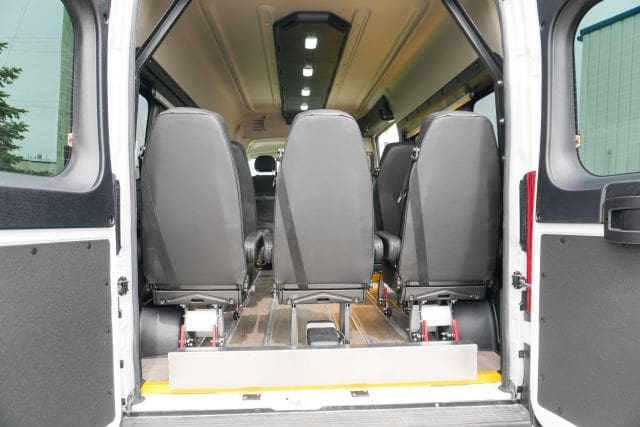
- Reclining seats: Inside, patients sit on new, large reclining seats with armrests. Imagine finishing a dialysis treatment and being able to relax on the ride home instead of sitting stiff and sore. These seats give people space, support, and dignity. For many, it feels less like a medical shuttle and more like a comfortable trip.
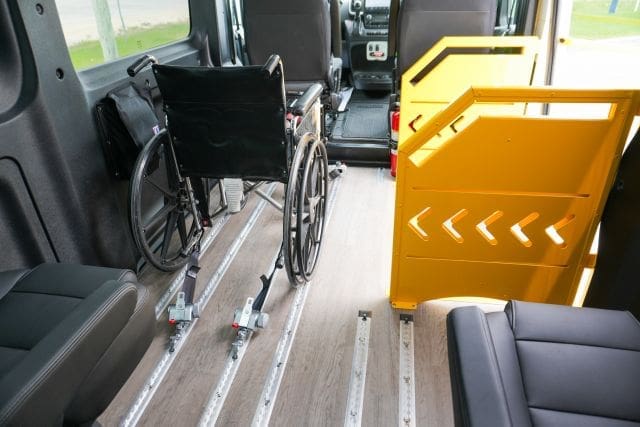
- AutoFloor: Then there’s the Système AutoFloor, which is a game-changer for organizations. It lets staff move seats around and create layouts that fit each day’s riders. One day, you might need more room for a wheelchair. The next, you might need more seating for ambulatory patients. The flexibility means no patient feels left out or awkwardly placed. Everyone rides together in a way that feels fair, safe, and thought through.
Key benefits for dialysis trips:
- Reliable chassis: Strong and sturdy frame to handle frequent long drives.
- Reclining seats: Comfortable seating after exhausting treatments.
- Adjustable layout: Fits different patient needs each day.
Together, these features make dialysis transportation less of a burden and more of a supportive part of care.
2. Wood grain flooring creates a comfortable environment
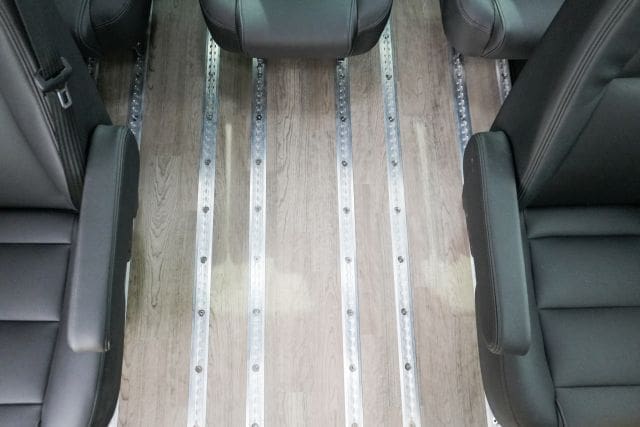
Dialysis trips can already feel clinical and tiring, so the ride to and from appointments shouldn’t add to that stress. That’s why the wood grain flooring in a Dialysis Patient Transport Van matters more than you might think. Instead of cold, sterile flooring, this design adds warmth and a touch of comfort. Patients often describe it as feeling less like a hospital vehicle and more like a welcoming space.
For organizations, the flooring is durable and easy to clean, which keeps the van fresh even with daily use. When patients step inside, they feel like they’re being cared for in a place designed with them in mind. That simple shift can make each trip feel calmer and more dignified.
3. Dual-floor level heating system helps feet stay warm and comfortable
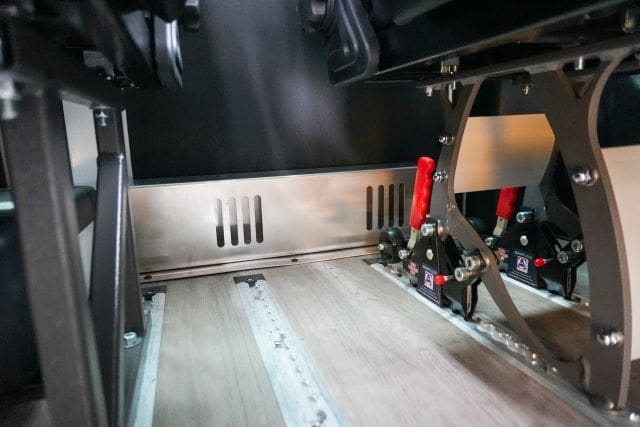
Dialysis patients sit still for hours when going through dialysis treatment. That’s why the Dialysis Patient Transport Van has a dual-floor level heating system. This keeps patients’ feet warm, even if the van is cold, or if they’ve just gotten off treatment and are tired.
In summer, the system can keep the van cooler. That prevents sweating or overheating, which can also be uncomfortable after dialysis.
How the heating helps on dialysis trips:
- Warm feet reduce discomfort: Cold toes and feet add to fatigue. Warming helps patients relax during the ride.
- Improved circulation: Warmth helps blood flow in the extremities, which many dialysis patients struggle with.
- Boosted mood and dignity: When transport feels better, it takes away one more worry.
Using this heating system means patients’ journeys don’t include another layer of hardship. They travel safely, warmly, and with care.
4. USB, Wi-Fi, and sound system keep patients connected
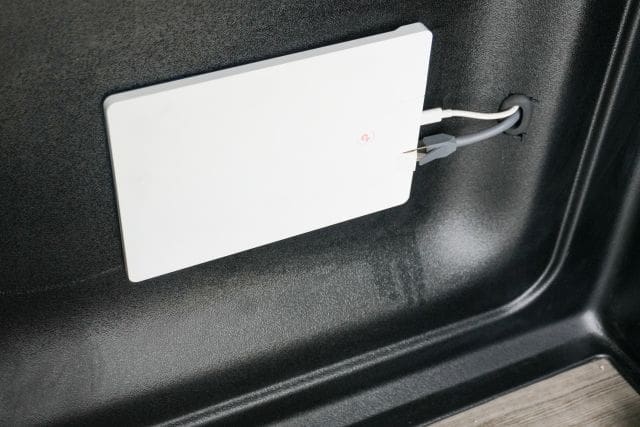
Dialysis appointments already take up several hours each week, and the trips back and forth can feel long and draining. That’s why the Dialysis Patient Transport Van includes features that help patients feel more connected and engaged while they travel.
- First, there’s USB connectivity: Patients can charge their phones or tablets during the ride, so they don’t arrive at the clinic with a dead battery. That simple detail takes away extra stress and helps people stay in touch with family or caregivers.
- Then you have the enhanced sound system: Music, podcasts, or even calming background audio can make the ride more pleasant. For many patients, having a distraction helps shift focus away from the fatigue of dialysis.
- Finally, the van can be equipped with Starlink Wi-Fi: This feature is especially valuable for rural and remote communities across Canada, where internet signals can be spotty. With Wi-Fi, patients can connect to loved ones, watch shows, or simply scroll to pass the time.
Together, these features turn what could be a silent, tiring trip into a ride that feels modern, comfortable, and less isolating.
5. Eye-level tinted windows balance privacy and connection
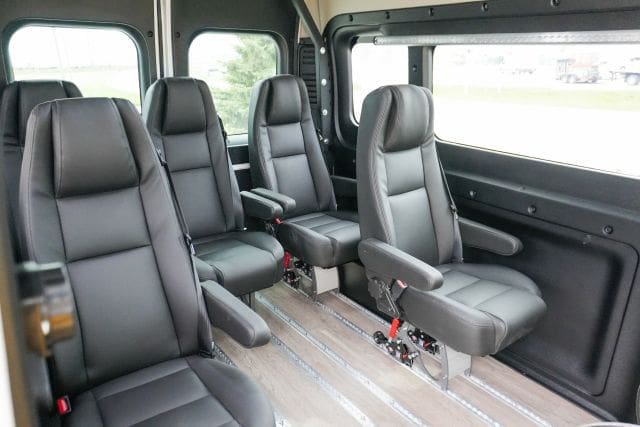
Dialysis patients often spend hours in clinics with little change of scenery. The ride to and from appointments is one of the few chances to see the outside world. That’s why the eye-level tinted windows in a Dialysis Patient Transport Van make such a difference.
Patients can look out and stay connected with their community during the ride. Seeing the streets, trees, or even familiar landmarks makes trips feel less like medical errands and more like part of daily life. At the same time, the tinted glass gives privacy. People outside can’t easily look in, which helps patients feel more secure and respected.
This mix of visibility and privacy matters. It reduces feelings of isolation, gives dignity, and creates a calmer travel experience every time.
6. Side entry powered ramp improves accessibility
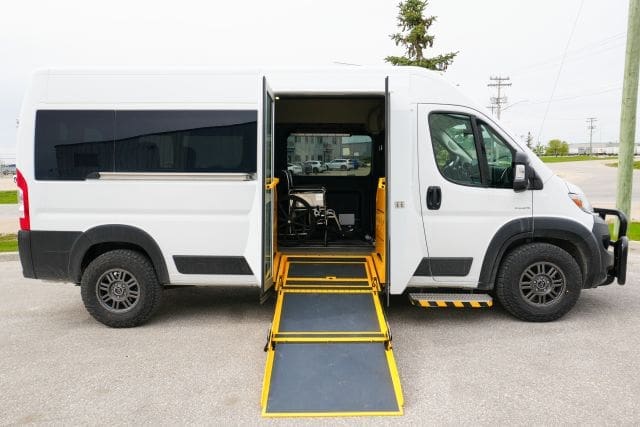
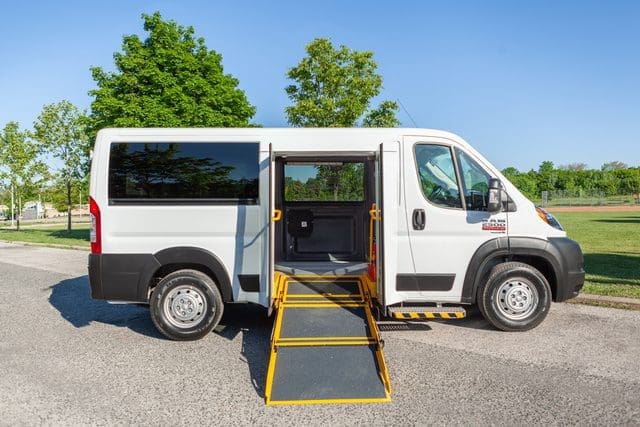
Getting in and out of a vehicle can be one of the hardest parts of dialysis transportation. Many patients use wheelchairs, walkers, or other mobility devices, and without proper access, every trip feels like a struggle. The Dialysis Patient Transport Van is built with a side-entry automatic powered ramp to remove this barrier.
Instead of lifting, straining, or relying on unsafe setups, the powered ramp does the heavy work. Patients simply roll or walk in with ease, while staff guide them safely. This makes loading quicker, smoother, and less stressful for everyone.
En d'autres termes :
- Less physical strain: Both patients and staff avoid injuries.
- Faster boarding: Helps keep schedules on track for multiple appointments.
- Dignified access: Patients feel included, not like a burden.
This ramp turns a common transportation challenge into a seamless part of care, giving patients a sense of freedom and respect with every ride.
7. Wheelchair securement system keeps mobility devices safe
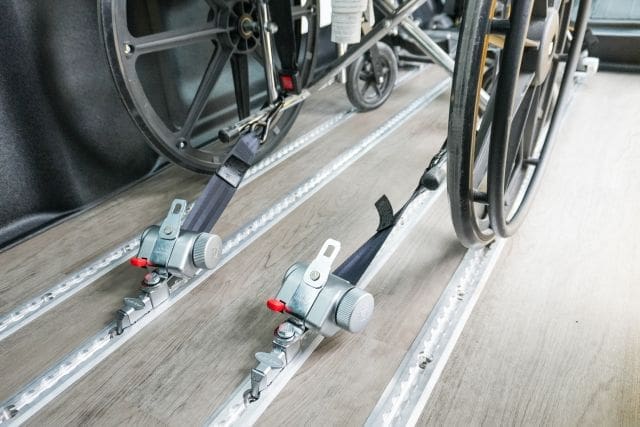
For patients using wheelchairs, travel can feel stressful. Even minor bumps or turns can make a wheelchair shift, which is unsafe and uncomfortable. The Dialysis Patient Transport Van solves this with a wheelchair securement system that keeps every mobility device locked in place.
Patients can relax knowing their wheelchairs won’t move during the ride. Staff can load and secure devices quickly, making boarding easier and faster. This is especially helpful on longer trips or in rural areas where roads can be rough.
Why does it help for dialysis trips?
- Safe travel: Wheelchairs stay put, preventing accidents.
- Calm ride: Patients don’t have to worry about tipping or sliding.
- Quick loading: Makes schedules easier to keep and reduces stress for staff.
This feature turns what used to be a stressful part of transportation into a smooth, safe, and dignified patient experience on every trip.
8. Trail Edition upgrade handles rural and off-road travel

Many dialysis patients live in rural areas, where roads can be rough, unpaved, or snowy. The Trail Edition upgrade on the Dialysis Patient Transport Van is built to handle these conditions safely and comfortably. It includes a 1.5-inch lift kit, front grille guard, off-road tires, underbody protection, and upgraded suspension.
This upgrade gives staff confidence that patients will reach dialysis appointments on time, no matter the road conditions. Patients ride smoothly, even on bumpy or uneven terrain, and the van is protected from damage along the way.
Why it’s important for dialysis trips:
- Reliable travel: Rural patients get to appointments safely.
- Smooth ride: Suspension upgrades reduce bumps and jolts.
- Durable: Off-road features protect the van and keep schedules on track.
For organizations serving remote communities, the Trail Edition makes long trips safer, more comfortable, and stress-free for patients and staff alike.
Is the Dialysis Patient Transport Van right for your organization?
Getting patients to dialysis safely and comfortably is more complicated than it looks. Long trips, rough roads, tight schedules, and patients using wheelchairs or walkers can make transportation stressful for both staff and patients. The Dialysis Patient Transport Van might be the solution, but how do you know if it fits your needs?
Start by thinking about your current challenges. Are patients often uncomfortable, cold, or anxious during rides? Do staff spend extra time loading wheelchairs or rearranging seats to fit everyone? Are rural trips difficult because roads are rough or long? If you answered yes to any of these, this van could make a real difference.
Here are some key things to consider:
- Patient mobility: Powered ramps and securement systems make it easy to board wheelchairs, walkers, or other devices safely.
- Trip length and terrain: Trail Edition upgrades, off-road tires, and suspension improvements help patients travel safely, even on long or bumpy routes.
- Comfort and dignity: Reclining seats, heated floors, climate control, and tinted windows keep patients warm, relaxed, and respected during every trip.
- Staff efficiency: AutoFloor layouts and flexible seating reduce setup time, so staff can focus on care instead of logistics.
- Connectivity: USB ports, Wi-Fi, and sound systems help patients stay connected or distracted during long appointments.
If these challenges sound familiar, a Dialysis Patient Transport Van could fill the gaps in your transportation program. It helps patients arrive on time, travel comfortably, and keep staff focused on what matters most, delivering reliable and dignified transportation.
Got any questions about the Dialysis Patient Transport Van?
If you’ve made it this far, you’re likely facing the challenge of getting dialysis patients to appointments safely and comfortably, sometimes three times a week. Long trips, rough roads, and mobility needs make transportation stressful. The Dialysis Patient Transport Van can help make these trips smoother, safer, and more dignified.
Voici ce que vous avez appris :
- Comfort & accessibility: Reclining seats, wood grain flooring, and a side-entry ramp make rides easier for patients.
- Contrôle de la température : Dual floor-level heating keeps feet warm, while air conditioning keeps everyone cool.
- Connectivity & entertainment: USB ports, enhanced sound, and Starlink Wi-Fi make trips more pleasant.
- Safety & flexibility: Wheelchair securement systems and AutoFloor layouts let you transport multiple mobility devices at once.
- Rural readiness: Trail Edition upgrades allow safe travel on bumpy or remote roads.
With over 20 years of experience, MoveMobility has helped organizations across Canada deliver reliable, accessible transportation. We listen to your unique needs and design solutions that reduce stress, save lives, and support dignity on every trip. Our focus is on helping you make dialysis transport easier and safer for your patients.
If you have questions, click below to talk to a mobility expert. If you’re not ready yet, check these helpful resources:
- How to get wheelchair van service and repairs in Canada: Learn how to keep your vehicle running reliably so patients never miss a dialysis appointment.
- How long does it take to get a wheelchair van? Understand the timeline you can expect after purchasing a new vehicle for dialysis transport.
- What kind of licence do you need to drive a wheelchair van in Canada?: You’ll learn what licence you need to operate a wheelchair van.
These guide you further toward making safe, efficient transport a reality.



 English
  French