Did you know 72% of Canadians with disabilities reported facing at least one accessibility barrier in the past year? If you’re comparing SUVs with wheelchair vans for patient transportation, you’re likely trying to close a real service gap.
Maybe your team handles non-emergency patient transportation in Winnipeg, dialysis patient transportation in rural Ontario, or patient transport between care sites in B.C. An SUV can seem simple at first. Then patient transfer gets harder, riders feel less dignity, and staff face more strain. The right vehicle can help your patient transportation services feel safer, smoother, and more human.
At MoveMobility, we’ve spent over 20 years helping Canadian organizations remove barriers to healthcare and transportation. We’ve manufactured over 480 wheelchair vans in the past 3 years alone. Our vehicles are built under the Ford Pro Upfitter program, Stellantis QPro certification, and National Safety Mark standards. We’ve also worked with organizations like Quest Community Health Centre and Transdev. As a 2026 DARE Innovation Award recipient, we care about better ideas that help people reach care.
After reading this article, you’ll have more clarity on which vehicle for patient transportation will work best for your organization.
What are the pros and cons of SUVs for patient transportation?
SUVs can look like a practical choice for patient transportation at first glance. They’re common, easy to find, and familiar for many drivers. For some organizations, that can feel like a safe place to start. If your team is trying to launch a patient transport service fast, an SUV may seem like the shortest path between “we need a vehicle” and “we can start moving people.”
That said, the real question is not “Can an SUV move someone from point A to point B?” In many cases, yes. The better question is, “Can an SUV support the kind of care, access, and dignity your riders need every day?”
Let’s take a look at the pros and cons of SUVs for patient transportation.
Pros of SUVs for patient transportation
1. SUVs can work for ambulatory patient transportation
The biggest benefit of SUVs is that they can work well for ambulatory riders. If your patients can walk, sit upright, and get in and out without much support, an SUV may be enough for some trips.
For example, a community care team in Calgary may use an SUV to take a client to a follow-up appointment. The rider can step in safely, buckle up, and travel without extra equipment. In that case, the SUV is doing its job.
SUVs may work for:
- Independent riders: People who can enter and exit the vehicle with little support.
- Short trips: Local rides to clinics, pharmacies, or follow-up visits.
- Light-duty programs: Teams with low passenger volume and simple routes.
- Mixed-use teams: Staff who also use the vehicle for errands or outreach visits.
For basic non-emergency patient transportation, SUVs can be a useful option. They’re not intimidating for new drivers. Most staff have driven one before, which can make training simple.
Still, patient transportation can change fast. One rider today may walk in with a cane. Next month, they may need a wheelchair after surgery. That’s when the limits of SUVs begin to show.
2. SUVs cost less upfront
SUVs often have a lower starting price than wheelchair vans for patient transportation. That can be appealing if your organization has a tight budget, a short funding window, or board approval pressure.
An SUV may also seem easier to source in Canada. Some dealerships have more SUV options than accessible vans. That can help if your team needs a vehicle before winter weather hits in northern Manitoba or before a new outreach program starts in rural Nova Scotia.
The lower upfront cost may help with:
- Budget approval: A smaller purchase can feel easier to bring to council or leadership.
- Fast deployment: Some SUVs may be available sooner than a custom vehicle.
- Driver comfort: Staff may feel confident driving a familiar vehicle style.
But upfront cost is only one piece of the puzzle. If the SUV can’t serve wheelchair users, support safe patient transfer, or handle your real service volume, the “cheaper” choice can become expensive in other ways.
Now, let’s look at the gaps that can show up once SUVs are used for patient transport services.
Cons of SUVs for patient transportation
1. SUVs can make patient transfer harder for staff and riders
Patient transfer is one of the biggest challenges with SUVs. The seat height, door opening, and interior space may create problems for people with limited mobility.
A rider may need to twist, step up, lower themselves into the seat, and then turn again to get settled. That can feel stressful. It can also feel embarrassing if they need two staff members to help.
For your team, this can create strain, too. Staff may bend, lift, brace, or support riders in tight spaces. Over time, that can increase the risk of injury. It can also slow down each trip.
Picture a patient transport service in Saskatoon taking clients to dialysis three times per week. If one rider needs extra help getting into an SUV every visit, the ride may take longer than planned. The patient may feel rushed. Staff may feel pressure. The whole schedule starts to wobble like a shopping cart with one bad wheel.
That’s not a small issue. It affects dignity, safety, and daily operations.
2. SUVs leave wheelchair users without equal access
The largest gap with SUVs is wheelchair access. Most SUVs aren’t built for riders who need to stay seated in their wheelchair during travel.
That means your team may have to turn some riders away, ask them to transfer out of their chair, or book a different provider. For organizations offering patient transportation services, that can create service gaps across the community.
This can be a major issue for:
- Dialysis patient transportation: Riders may feel weak before or after treatment.
- Seniors’ transportation: Riders may have changing mobility needs.
- Hospital discharges: Patients may leave care with less strength than expected.
- Rural routes: Alternate accessible options may be limited or far away.
In some parts of Canada, one missed ride can mean a missed appointment. In remote areas, that can mean waiting days or weeks for the next available trip. That’s a lot of weight to put on one vehicle choice.
3. SUVs can limit comfort during longer patient transport routes
SUVs can feel cramped for riders who need extra space, medical bags, walkers, oxygen, or support equipment. That may be fine for a 10-minute trip across town. It may feel very different on a 90-minute ride to a regional health centre.
Longer patient transport routes are common in Canada. A rural Ontario client may need to travel from a small town to a larger city for treatment. A northern B.C. program may cover long roads, winter conditions, and several stops in one day.
In those cases, comfort becomes more than a nice feature. It matters because riders may already be tired, sore, anxious, or unwell. A tight SUV cabin can make the trip feel harder than it needs to be.
4. SUVs may not scale with your patient transportation program
An SUV may work when your program is small. But as demand grows, the vehicle may hold your team back.
You may start with ambulatory riders only. Then a clinic asks if you can help wheelchair users. A hospital discharge planner calls. A family asks about recurring dialysis patient transportation. Suddenly, your SUV can’t serve the full mix of riders asking for help.
That can lead to:
- More referrals out: Riders get sent to another provider.
- More scheduling pressure: Staff spend time solving vehicle fit issues.
- More service gaps: Some people wait longer for accessible transportation.
- More future cost: Your organization may need to buy again sooner.
SUVs can have a place in patient transportation, especially for ambulatory riders and light-duty use. But if your goal is to serve more people with fewer barriers, it’s worth looking at where wheelchair vans for patient transportation may offer a stronger fit.
Pros of wheelchair vans for patient transportation
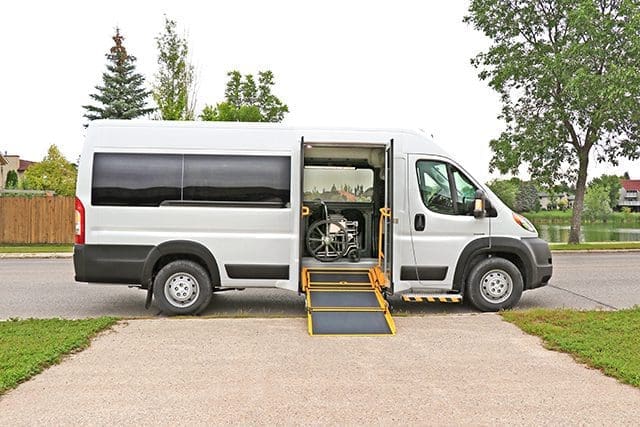
Wheelchair vans for patient transportation are designed to help people get where they need to go without forcing every ride to begin with a difficult patient transfer. That single difference can change the whole experience for your riders and your staff.
For many Canadian organizations, the value shows up in the quiet moments. A rider stays seated in their wheelchair. A caregiver doesn’t have to lift. A staff member doesn’t have to explain, “Sorry, this vehicle won’t work for you.” The ride feels calmer before the key even turns.
Wheelchair vans can support patient transportation in cities, small towns, First Nation communities, rural areas, and northern routes. They can also give your patient transport service more flexibility as needs change over time.
1. Wheelchair vans for patient transportation support access and dignity
The biggest advantage of wheelchair vans for patient transportation is accessibility. A wheelchair van can include a powered ramp, manual ramp, or lift. This allows a rider to enter the vehicle while staying in their wheelchair.
That can make a huge difference.
A patient heading to dialysis in Brandon may already feel tired before treatment. A senior in Halifax may feel anxious about being lifted into an SUV. A rider in a rural Alberta community may have limited options if your vehicle can’t fit their mobility device.
A wheelchair van helps reduce those barriers.
It can include:
- Ramp or lift access: Riders can board with less physical strain.
- Secured wheelchair positions: Mobility devices are safely secured during travel.
- Comfortable seating: Ambulatory riders and attendants can ride with better support.
- Wider interior space: Staff can move with more room during boarding.
- Flexible layouts: With AutoFloor, your team can serve different rider needs with one vehicle.
That means patient transportation becomes less about just “making it work” and more about giving people a ride that respects their body, time, and independence.
And yes, dignity can be hard to measure on a spreadsheet. But your riders feel it. Your staff see it. Your community remembers it.
2. Wheelchair vans reduce difficult patient transfer situations
Patient transfer can be one of the hardest parts of non-emergency patient transportation. When someone has to move from a wheelchair into an SUV seat, the process can be stressful for everyone involved.
Wheelchair vans can reduce that challenge. In many cases, the rider can stay in their wheelchair. That may lower the need for lifting, twisting, or awkward support in a tight doorway.
This can help your team:
- Save time: Boarding can become more consistent.
- Reduce strain: Staff may face fewer difficult transfer positions.
- Support safety: Riders can avoid transfers that feel risky or painful.
- Improve comfort: Patients can stay in a familiar seated position.
Think of a patient transport service in northern Ontario. Your team may drive long distances, deal with snow, and manage tight appointment windows. If each trip starts with a hard transfer, the day gets harder fast. A wheelchair van helps remove one major hurdle before the route begins.
That’s where the right vehicle starts to feel less like a purchase and more like a better way to care for people.
3. Wheelchair vans can serve more patient transportation needs
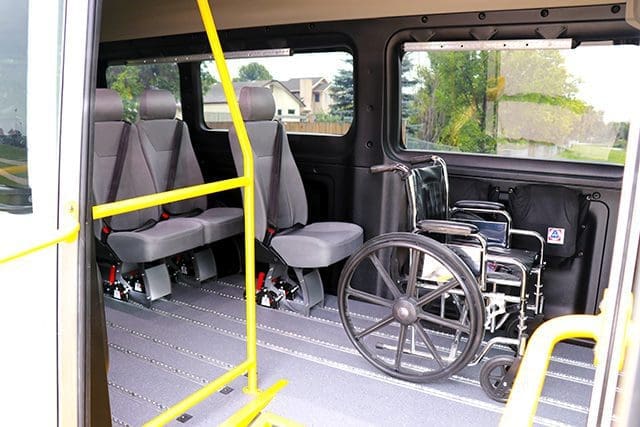
Wheelchair vans give your organization more room to grow. You may start with one type of rider, then find your community needs more support.
Maybe your program begins with seniors’ medical rides. Then a local clinic asks about recurring dialysis patient transportation. A hospital discharge team calls about a patient who uses a wheelchair. A community living organization asks if you can support outings and appointments.
With an SUV, those requests may stretch past what the vehicle can handle. With a wheelchair van, your team has more options.
A wheelchair van may support:
- Wheelchair users: Riders who stay seated in their mobility device.
- Ambulatory riders: Passengers who walk on but need safe seating.
- Care attendants: Staff, family members, or support workers.
- Recurring trips: Regular patient transport for treatment or appointments.
- Community routes: Programs serving several people in one day.
This flexibility can help patient transportation services avoid turning people away. It can also support stronger planning when demand grows.
4. Wheelchair vans improve the rider experience
A medical ride can feel personal. Riders may be going to treatment, therapy, follow-up care, or a hospital discharge. They may be tired, worried, or in pain.
A wheelchair van can make that trip feel less clinical and less stressful. The right layout can give riders space, clear sightlines, comfortable seating, and a calmer boarding process.
That can help your organization deliver patient transportation with more care built into the ride. It tells people, “We planned for you.” That message carries weight, especially for people who often feel like transportation was built around everyone else first.
Cons of wheelchair vans for patient transportation
1. Wheelchair vans can cost more, especially with custom setups
The main drawback of wheelchair vans for patient transportation is cost. They usually cost more than SUVs upfront. Custom setups can further raise the price.
For example, your organization may need a powered lift, multiple wheelchair positions, added seating, flooring upgrades, climate control, storage, lighting, or specific restraint systems. Each choice can improve the vehicle, but each one can also affect the budget.
This can create pressure when you’re working with:
- Grant funding: Budgets may be fixed.
- Board approvals: Leaders may compare only the purchase price.
- Municipal timelines: Procurement can move slowly.
- Program launches: Teams may need the vehicle quickly.
The key is to look past sticker price alone. A lower-cost vehicle that can’t serve wheelchair users may create hidden costs later. Missed rides, extra transfers, staff strain, and future vehicle replacements can add up.
2. Wheelchair vans may need more planning before purchase
Wheelchair vans work best when they’re matched to your real program needs. That means your team should think through rider types, route length, seating needs, equipment, storage, and who will drive the vehicle.
This planning takes more time than choosing a standard SUV from a lot. But it can also prevent costly regrets.
Before buying, it helps to ask:
- Who will ride: Wheelchair users, ambulatory riders, attendants, or a mix?
- How often: Daily routes, weekly appointments, or occasional service?
- Where: City streets, rural roads, northern communities, or long highway trips?
- What equipment: Wheelchairs, walkers, oxygen, bags, or medical supplies?
Wheelchair vans may require more upfront thinking. Still, for many patient transport services, that planning helps create a vehicle that fits the job instead of forcing the job to fit the vehicle.
Which option should you choose?
The right choice depends on the gap you’re trying to close. SUVs and wheelchair vans for patient transportation can both move people, but they serve different needs. Your best fit comes down to budget, rider mobility, growth plans, and the kind of care experience you want to provide.
An SUV may be the right choice if your organization has a very tight budget, usually under $70,000, and most of your riders are ambulatory. That means they can walk, step into the vehicle, sit in a standard seat, and exit with little support.
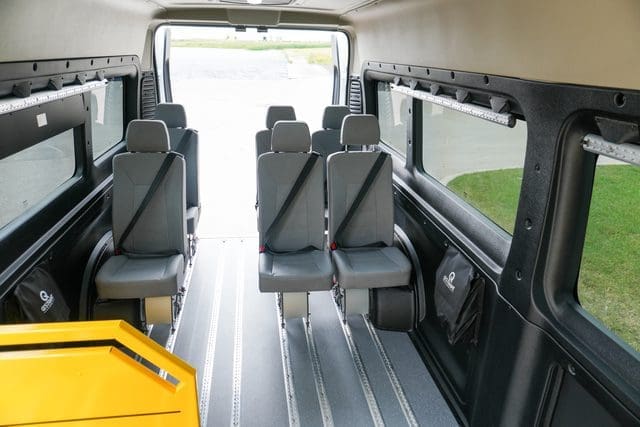
An SUV may also fit if:
- Your routes are simple: Most trips are short and local.
- Your riders can transfer: Wheelchair access is rarely needed.
- Your program is small: You don’t plan to expand patient transport services.
- Your timeline is urgent: You need a basic vehicle fast.
- Your service scope is limited: You’re not taking on dialysis patient transportation or higher-mobility support.
But if your program is growing, or if you serve people with changing mobility needs, an SUV may become a short-term fix. It can work today, then limit your patient transportation service tomorrow.
When is a wheelchair van the right choice?
Wheelchair vans are usually the better choice if your organization wants to serve more riders with fewer barriers. They’re built for wheelchair users, ambulatory patients, attendants, and flexible patient transport needs.
A wheelchair van may be right if:
- You serve wheelchair users: Riders need ramp or lift access.
- You want safer transfers: Staff need to reduce lifting and strain.
- You support recurring trips: Dialysis, rehab, and appointments need reliable access.
- You operate in rural areas: Other accessible options may be limited.
- You plan to grow: Your vehicle should support future demand.
In the end, this choice is about more than seats and doors. It’s about giving people a ride that feels safe, respectful, and planned around them. For many Canadian organizations, wheelchair vans create a stronger path to accessible patient transportation that can grow with the community.
Got any questions about choosing a wheelchair van for patient transportation?
You came here because choosing between an SUV and a wheelchair van can feel like a bigger decision than it looks on paper. Your team needs a vehicle that fits your budget, protects your staff, respects your riders, and doesn’t create new access gaps after the keys are handed over.
After reading this article, you now have a clearer picture of:
- Where SUVs fit: Smaller programs with ambulatory riders, tight budgets, and limited growth plans.
- Where wheelchair vans fit: Organizations that need better access, safer patient transfer, and room to grow.
- What to weigh next: Cost, comfort, dignity, route demands, and long-term patient transportation needs.
At MoveMobility, we’ve seen how one vehicle can change the way a community reaches care. Our team works with Canadian organizations that need practical, safe, and accessible transportation built around real people, not perfect-world plans. From patient transport services to community programs, our goal is to help you choose a vehicle that supports your riders today and grows with your mission tomorrow. If you have any questions, click the button below to talk to a mobility expert.
If you’re not ready to talk to a mobility expert yet, we have a few other resources you should check out to learn more.
What should you read next?
- How to choose a wheelchair van (11 steps): This is a strong next read if you’re ready to compare layouts, seating, access needs, and program goals before buying.
- How much does a wheelchair van cost? This helps you understand pricing factors, so your team can plan a clearer budget before requesting quotes.
- How to compare wheelchair van quotes: This article helps you review quotes with more confidence, so you’re comparing the full value instead of only the sticker price.


 English
  French