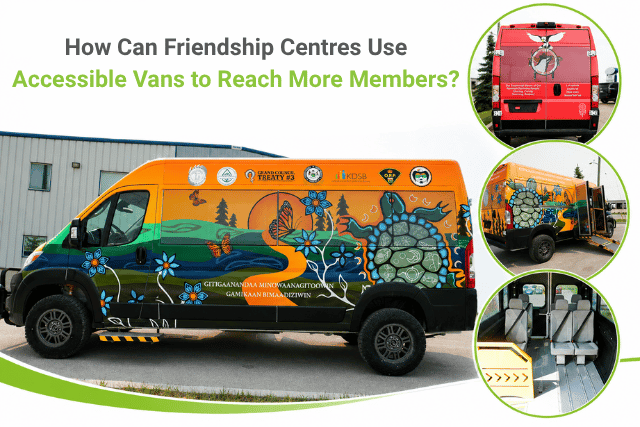
Across Canada, more than 1.8 million people identify as Indigenous, and many rely on trusted community spaces for support, culture, health programs, meals, youth services, Elders’ gatherings, and daily connection. But when someone can’t get to your centre, the gap gets real fast.
A missed ride can mean a missed appointment, a missed meal, a missed program, or another day feeling cut off. That weighs on your team because you know the need is there. The goal is simple: reach more members with dignity, safety, and less stress on staff.
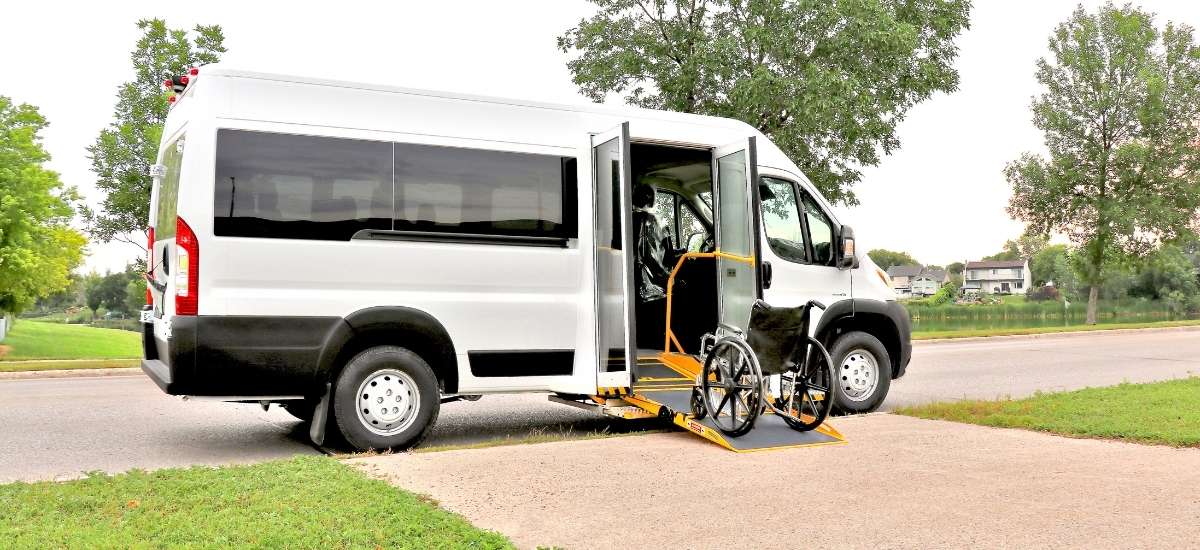
For over 20 years, MoveMobility has helped communities turn transportation gaps into road-ready solutions. In the past three years, we’ve built over 480 wheelchair vans and 180 mobile medical units across Canada. Our vehicles carry the National Safety Mark and are built through the Ford Pro Upfitter and Stellantis QPro programs.
We’ve worked with organizations like Liard First Nation, and we’re proud to be recognized with the 2026 DARE Innovation Award. This article isn’t here to say we’re the only choice. It’s here to help friendship centres understand what accessible vans can make possible.
You’ll learn:
- Barriers: What keeps members from getting to friendship centres.
- Solutions: How accessible vans help you reach more people.
- Examples: How this can work in Canadian communities.
What barriers do members face from getting to friendship centres?
For many friendship centres, the biggest barrier isn’t interest. It’s access. Members may want to attend programs, meet with staff, visit Elders, join youth activities, or get help with food and housing. The problem is getting there safely, affordably, and on time when transportation options don’t match real life.
1. Distance makes friendship centres harder to reach
Many Indigenous, Métis, and Inuit members travel across long distances for support. That can be true in large cities like Winnipeg, Edmonton, and Thunder Bay. It can also be true in smaller regions where nearby communities are spread far apart.
A member may live 35 minutes from the centre, but that trip can feel much longer when they don’t drive, can’t afford gas, or rely on someone else for a ride. In northern areas, one appointment or program may take up most of the day. That’s a lot to ask from someone already carrying enough.
This barrier shows up in a few common ways:
- Long travel times: A short program can turn into a full-day trip.
- Limited rides: Family members, friends, or support workers may not be available.
- High fuel costs: Rural and northern travel can get expensive fast.
- Missed programs: Members may stop attending because the trip feels too hard.
This is a real concern across Canada. Statistics Canada reported that 18% of First Nations people living off reserve, 16% of Métis, and 40% of Inuit travelled outside their community for health care. That travel can bring stress, cost, and isolation. The same kind of pressure can affect access to friendship centres too.
2. Public transit doesn’t always fit the needs of friendship centres
In some communities, public transit works well enough for some people. For others, it can be slow, crowded, hard to use, or missing altogether. That can make it tough for members to reach friendship centres for programs that are supposed to feel welcoming.
For example, a member in Saskatoon may need two buses to get to a cultural program. An Elder in Sudbury may have to plan around a limited paratransit schedule. A youth in rural Nova Scotia may have no bus route at all. None of these situations mean the person doesn’t care. It means the system around them isn’t built for their day.
Accessibility adds another layer. People using wheelchairs, walkers, canes, or other mobility supports may face barriers before they even reach the front door. A bus stop may be too far away. Snow may block the curb. A ramp may be full. A transfer may feel unsafe.
Canada’s Auditor General reported that 63% of persons with disabilities who used federally regulated transportation faced a barrier. Statistics Canada also found that 34% of travellers with disabilities or long-term conditions faced at least one accessibility-related travel barrier. Those numbers point to a clear gap: transportation can exist on paper and still fail people in practice.
3. Weather and road conditions can cut members off
Canadian weather has a way of joining the planning meeting without being invited. Snow, ice, spring flooding, wildfire smoke, and poor road conditions can all make travel harder.
This can affect friendship centres in very different regions:
- Northern Manitoba: Winter roads and long distances can make travel unpredictable.
- Northern Ontario: Snow and icy highways can turn simple trips into safety concerns.
- British Columbia: Mountain roads and remote routes can create long travel windows.
- Nunavut and Inuit regions: Travel between communities may depend on flights, weather, and cost.
- Atlantic Canada: Rural roads, storms, and limited transit can affect access for members outside town centres.
For staff, this creates a tough gap. You may know members need support, but road and weather conditions can decide who makes it in. That can feel frustrating because your programs are ready, your team is ready, and the coffee might even be decent. Then a storm rolls in and attendance drops.
4. Cost can quietly keep members away from friendship centres
Transportation costs can be one of the hardest barriers to talk about. Many members may not want to say they can’t afford the trip. They may simply miss the program, cancel late, or stop showing up.
Costs can include:
- Gas money
- Taxi fare
- Parking
- Transit passes
- Childcare during travel
- Lost work hours
For a member choosing between groceries, rent, and transportation, a trip to the centre can become a luxury. That’s painful because friendship centres often provide the exact support that helps people through hard moments.
The National Association of Friendship Centres describes friendship centres as places that offer culturally relevant programs in areas like health, shelter, youth, justice, and development. So when transportation gets in the way, the impact can stretch far beyond one missed event.
5. Safety and comfort can affect who feels able to travel
Some members may have a ride available but still feel unsafe or uncomfortable using it. This matters for Elders, people with disabilities, parents with young children, youth, and members who have had negative experiences with public systems.
A person may worry about falling on icy sidewalks. Someone using a wheelchair may fear being rushed during boarding. A parent may not feel safe taking two small children across town after dark. A young person may avoid transit because the route feels unsafe.
There’s also the emotional side. If every trip feels stressful, members may start choosing to stay home. They may miss ceremony, language programs, employment help, meal programs, health navigation, or time with community. Over time, that can deepen loneliness and make the original gap worse.
That’s the core barrier friendship centres are trying to solve: people are ready for connection, but transportation keeps standing in the doorway.
Sources used for this section include Statistics Canada, the Auditor General of Canada, and the National Association of Friendship Centres.

How do wheelchair acesible vans help friendship centres reach more members?
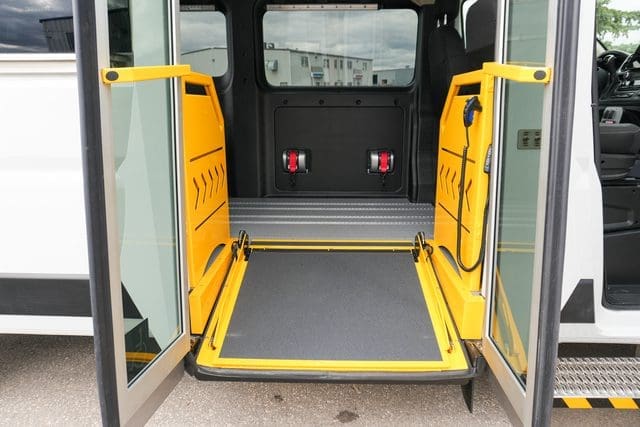
Wheelchair accessible vans help friendship centres bring programs, support, and connection closer to members who face travel barriers. They can reduce missed visits, support safer travel, and help your team serve people who may be isolated by distance, disability, cost, weather, or limited public transit.
1. Accessible vans help friendship centres serve members beyond the building
Your centre may be the heart of your community, but some members can’t always get there. That doesn’t mean they’re disconnected by choice. It may mean the ride is too hard, too costly, or too far.
A wheelchair accessible van gives your team more ways to reach members outside your walls. That could mean helping an Elder get to a meal program. It could mean bringing a youth to a cultural workshop. It could mean supporting a member with mobility needs who wants to attend a health navigation appointment at the centre.
For example, picture a friendship centre in northern Ontario. An Elder lives outside town and wants to join a weekly language group, but winter roads and limited rides make it hard. Without transportation, they may miss most sessions. With an accessible van, your centre can help remove one of the biggest barriers between that Elder and the community they care about.
The van doesn’t replace your programs. It helps more people reach them.
2. Wheelchair accessible vans can reduce the stress of relying on public transit
Public transit can work for some members, but it doesn’t always fit the needs of friendship centres. Routes may be limited. Paratransit bookings may fill up. Bus stops may be too far away. Transfers may be hard for members using wheelchairs, walkers, canes, or other supports.
An accessible van can give your centre more control over transportation. That can make a big difference when timing, dignity, and comfort matter.
Here’s how that can show up:
- Fewer transfers: Members don’t have to plan around several buses.
- More direct trips: Travel can feel simpler and safer.
- Better timing: Members can arrive when programs actually begin.
- Less uncertainty: Staff can plan around known transportation needs.
- More comfort: Members can travel with mobility devices, support items, and personal space.
Think of a member in Winnipeg who wants to attend a housing support meeting. They use a walker and feel nervous crossing icy sidewalks between bus stops. A direct ride can lower that stress before they even arrive. That means the member can show up focused on the meeting, not worn down by the trip.
That’s the kind of gap many friendship centres see every week.
3. Accessible vans help friendship centres respond to real life, not perfect conditions
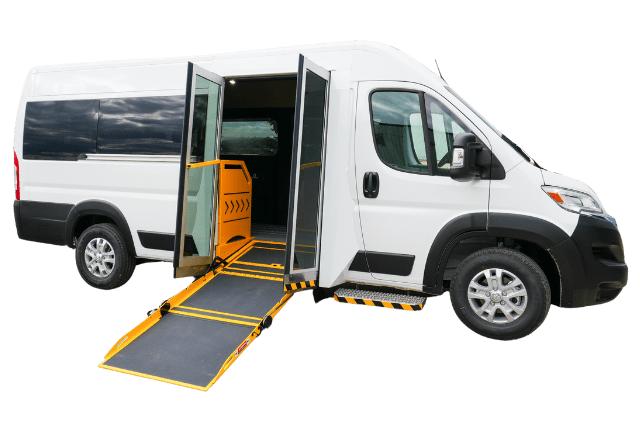
Community work rarely follows a tidy schedule. Members may need support during bad weather, after a missed appointment, or when another ride falls through. A wheelchair accessible van can help your team respond with more flexibility.
For example, a friendship centre in Saskatchewan may run weekly food support and wellness programming. A family outside the city usually relies on a relative for rides, but that person’s truck breaks down. Without another option, the family misses the program. With an accessible van, your team may be able to arrange pickup for key programs when transportation is the blocker.
This can also help in regions where weather shapes daily life. In parts of Manitoba, northern British Columbia, and Atlantic Canada, road conditions can change fast. A planned ride gives staff a clearer way to support members when travel gets complicated.
No vehicle can control the weather. If it could, every Canadian would want two. But an accessible van can help your centre plan better around the weather you already face.
4. Wheelchair accessible vans support dignity for members with mobility needs
Transportation is personal. Members don’t want to feel like a burden. They don’t want to explain their mobility needs over and over. They don’t want to feel rushed, unsafe, or left out because a vehicle can’t support them properly.
Wheelchair accessible vans can help protect that dignity. They make it easier for members using wheelchairs or mobility devices to travel in a way that feels more respectful and less stressful.
That can matter for:
- Elders: Members who need more time and support while boarding.
- People with disabilities: Members who need safe wheelchair access.
- Youth: Members who may need transportation to programs after school.
- Parents and caregivers: Members travelling with children, bags, or supplies.
- Members in recovery or crisis: People who may need calm, private transportation.
A member shouldn’t have to miss a cultural event because the only available ride can’t fit their chair. They shouldn’t have to skip a wellness appointment because the trip feels unsafe. Accessible transportation helps make participation feel possible again.
5. Accessible vans can help friendship centres use staff time more wisely

When transportation is unplanned, staff often become the backup plan. They may spend time calling taxis, coordinating family rides, adjusting program times, or trying to find last-minute options. That can pull your team away from the work they’re trained to do.
A wheelchair accessible van can make transportation part of the plan, rather than a daily scramble.
For example, your centre may set regular ride windows for Elders’ lunches, youth programs, health navigation, or cultural activities. Staff can plan who needs support, when pickups happen, and which programs have the highest transportation demand.
That doesn’t make the work easy. Community work never comes with a magic button. But it can make the day feel more organized and less reactive.
6. Accessible vans help friendship centres strengthen trust over time
Trust grows when members see that your centre understands the barriers they face. Transportation can be one of those quiet signs of care. When members know there’s a safer way to get to programs, they may feel more confident showing up.
Over time, that can lead to:
- Better attendance: More members can take part in regular programs.
- Stronger relationships: Staff can stay connected with people who may be isolated.
- More consistent support: Members can return for follow-up help.
- Greater inclusion: Mobility needs don’t have to decide who participates.
- Stronger community connection: Members can gather, learn, heal, and belong.
For friendship centres, that’s the real value. The van is the tool. The outcome is more members reached, more barriers removed, and more people connected to the care and culture that already exist in your community.
When should friendship centres start thinking about accessible transportation?
Friendship centres should start thinking about accessible transportation when members want to attend programs but can’t get there with comfort, safety, or consistency. You may already see the signs. Low attendance, missed follow-ups, ride requests, and staff scrambling for transportation can all point to the same gap.
When members keep missing programs they want to attend
A missed program doesn’t always mean someone lost interest. Sometimes it means the bus route didn’t line up. Sometimes it means the sidewalk was icy. Sometimes it means the person with the only available vehicle had work that day.
This can show up in programs like:
- Elders’ lunches: Members want to gather, but rides are hard to arrange.
- Youth programs: Students can attend after school, but getting home is the challenge.
- Health navigation: Members miss follow-up support because travel takes too much planning.
- Cultural activities: People want to join, but distance and mobility needs get in the way.
- Food support: Families can’t always pick up items during set hours.
When attendance drops, it’s easy to look at the program first. But the program may be strong. The real issue may be the path to get there.
When staff spend too much time solving ride problems
Your team already carries a lot. They’re helping with paperwork, referrals, events, meals, wellness, housing, youth support, Elders’ care, and community connection. Add transportation planning on top, and the day can fill up fast.
You may hear staff say things like:
- “They wanted to come, but they couldn’t find a ride.”
- “We had to move the appointment again.”
- “The taxi cost more than expected.”
- “We need someone to pick them up.”
- “They can’t use that vehicle with their chair.”
Those comments matter because they show a pattern. One ride issue is a bad day. Repeated ride issues are a service gap. And when your staff become the backup transportation system, it can pull them away from the work they’re meant to do.
When members with mobility needs have fewer real choices
Accessible transportation becomes a bigger concern when members using wheelchairs, walkers, canes, or other supports have fewer ways to participate.
A member may technically have transportation available, but it may not work for them. The vehicle may be too high. The seat transfer may feel unsafe. The driver may not have enough time to help. The person may feel embarrassed asking again.
That’s where dignity gets involved. If getting to the centre feels stressful, members may start staying home. They may miss meals, cultural programs, social time, or support they trust.
This can be hard for friendship centres because you built your programs to include people. Transportation should not be the reason someone feels left out.
When your centre is serving more members outside one location
Many friendship centres support people across more than one neighbourhood, town, or nearby community. In places like northern Manitoba, rural Saskatchewan, northwestern Ontario, or parts of Atlantic Canada, the distance between members and services can be a major barrier.
You may start thinking about accessible transportation when your work expands beyond the building. Maybe your team is doing more outreach. Maybe members are asking for support from outside town. Maybe you’re seeing the same travel issues come up across several programs.
At that point, transportation becomes part of the service conversation. It’s no longer just about getting from point A to point B. It’s about helping members stay connected to support, culture, and community.
When the same transportation barrier keeps coming back
The clearest sign is repetition. If transportation keeps showing up in staff meetings, member feedback, missed appointments, and program planning, it may be time to look at it directly.
You don’t need to have every answer yet. Awareness is the first step.
Start with the questions your community is already raising:
- Who: Who is missing programs because of transportation?
- Where: Where are members travelling from?
- When: When do ride problems happen most?
- Why: Why are current options falling short?
- Impact: What support gets missed when transportation fails?
Once those answers become clear, the next step is easier to see. Accessible transportation may not solve every challenge, but it can help friendship centres remove one of the most common barriers between members and the services built for them.
That brings us to the bigger takeaway: transportation is really about access, belonging, and the kind of connection every member deserves.
Got any questions about accessible transportation?
You came to this article because your friendship centre may be seeing the same challenge in different ways: members want to show up, but transportation keeps getting in the way. That can mean missed programs, fewer check-ins, more isolation, and more pressure on your team to fill gaps the system should have addressed long ago.
Here’s what we covered:
- The barriers: Distance, public transit gaps, weather, cost, safety, and mobility needs can all keep members from reaching friendship centres.
- The opportunity: Wheelchair accessible vans can help your team reach more people, support dignity, and strengthen connection across your community.
- The signs: If missed rides, low attendance, or repeated transportation concerns keep coming up, it may be time to look closer at accessible transportation.
At MoveMobility, we build vehicles for organizations that carry real responsibility, not just passengers. Our work supports teams serving Elders, youth, families, people with disabilities, and communities facing transportation or healthcare access gaps. We listen first, then help shape a vehicle around the work you’re already doing and the people you’re trying to reach. That’s why we’re proud to be leaders in this space: because your mission deserves more than a generic answer, and if you have questions, click the button below to talk to a mobility expert.
If you’re not ready to talk to a mobility expert yet, we have a few other resources you should check out to learn more.
What should you read next?
- How to choose a wheelchair van: This is a helpful next step if you’re starting to compare what type of accessible van could fit your members, programs, and day-to-day routes.
- How much does a wheelchair van cost? This article can help your team understand budget planning before conversations about funding, quotes, or approvals begin.
- How to get wheelchair van funding: This is a smart next read if transportation would help your friendship centre, but funding is the biggest question standing in the way.

 English
 French