

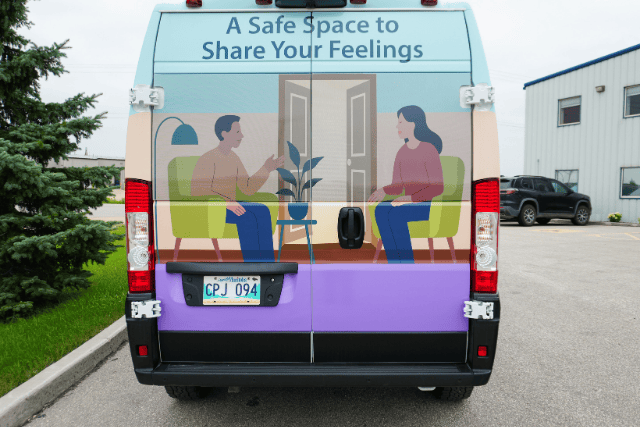
Did you know that about 1 in 5 Canadian youth live with a mental illness or disorder? At the same time, suicide is the second leading cause of death for people aged 15 to 34 in Canada.
These numbers hit hard when you work with at-risk youth every day. You see teens in northern Ontario missing appointments because they can’t get across town. You hear about young people in rural Saskatchewan waiting weeks for help, and feel the weight of knowing some youth at risk need support long before they walk into a clinic. Youth outreach vehicles can help close that gap so more youth get safe spaces, caring adults, and judgment-free help before things spiral.
Au MoveMobility, we build vehicles that help you reach people who often feel forgotten. Our team has spent over 20 ans supporting health programs across Canada, including groups like Quest Community Health Centre. We’ve built more than 150 unités médicales mobiles for mental health, addiction care, outreach, and community wellness. Our vehicles meet strict Canadian standards, including Ford QVM, Stellantis QPro, and the Marque nationale de sécurité. And while we’re confident in our experience, we keep this article unbiased so you have the information you need.
Dans cet article, vous apprendrez
- The current picture: What at-risk youth in Canada face today.
- The real barriers: Why support feels hard to reach.
- The mobile solution: How youth outreach vehicles help fill those gaps.
What is the current picture of what at-risk youth face in Canada today?
When you support youth at risk, you see things many people never notice. The stress. The silence. The long waits for help. This is why many teams use youth outreach vehicles. The needs are high, and the gaps are wide.
- Mental health is getting worse: Research shows a steady drop in self-rated santé mentale for youth aged 12 to 25 in recent years.
- More youth live with anxiety or depression: Mood and anxiety disorders have increased in this same age group.
- Youth homelessness is rising: A national count found thousands of teens and young adults aged 13 to 24 facing homelessness.
- Long waits for support: In Ontario, about 28,000 children and youth wait for mental health treatment.
These numbers show what you likely already know. Many youth carry heavy pressure with very little support around them.
What can this look like in real life?
Picture a 16-year-old in rural Alberta. No bus. No family car. The nearest clinic is almost an hour away. The youth wants help but cannot get there. Weeks go by. Nothing changes. Or, think about a teen in northern British Columbia. Winter roads make travel unsafe. There is fear of being judged for asking for help. This teen may need care, but it feels far away.
Extra pressures you see every day
- Higher risks for 2SLGBTQ+ youth: More than half report symptoms of a mental health or substance use disorder.
- Location and income matter: Youth in small or remote communities report worse santé mentale than youth in large cities.
- Many have lived through trauma: In one study, 63.1 percent of youth facing homelessness reported childhood trauma or neglect.
When youth at risk can’t access care, things can deteriorate quickly. You see more school drop-offs, more crisis calls, and more harm that could have been prevented. You want to meet youth early, when support can still change their story. Youth need safe places, trusted adults, and steady care. Many can’t get to you. Without a way to reach them where they are, the cycle continues.
Next, we’ll look at the biggest barriers blocking at-risk youth from the help they need.
What barriers prevent at-risk youth from getting help?
At-risk youth face real hurdles that make reaching out for help feel overwhelming. Many are carrying more than most adults realize, yet the support they need often feels out of reach. When every barrier adds pressure to an already heavy load, it’s easy for a young person to slip through the cracks. These challenges don’t reflect a lack of willingness; they reflect a system that’s hard for them to access.
1. Geographical isolation and travel hurdles
Many at-risk youth in Canada live far from the services they need. You see this every week if you work in rural, northern, or remote areas. The distance between a young person and a counsellor can be huge. When services sit far away, youth at risk feel like help is out of reach before they ever try. This creates one of the biggest gaps you face if you’re running a traditional fixed clinic.
How does this barrier show up in real life?
Some youth deal with long drives (if they have a vehicle), unfriendly weather, and no way to get to town. Even short trips can feel impossible when life at home is already stressful.
Here are a few situations you may find familiar:
- Long distances: A teen in northern Manitoba may live an hour from the nearest clinic. Their family has one vehicle. If it’s gone, the youth stays home.
- No public transit: In parts of Saskatchewan and Alberta, buses don’t run between small communities. Teens cannot get to care unless someone drives them.
- Unsafe roads: Winter storms in British Columbia or the Yukon can cause travel disruptions. Roads become icy, dark, and risky for inexperienced young drivers.
- Community isolation: Some First Nations communities are fly-in or far from mental health services. Youth can feel disconnected and unsure of how to reach support.
- Family strain: Caregivers often juggle work, kids, and the cost of fuel. Even families who want to help cannot always make the trip.
When geography becomes a barrier, youth who need support start to drift away from the help they need. Many want care, but the logistics make it too hard. They miss appointments, lose momentum, and wait for “the right time,” and that right time rarely comes.
What’s the impact on youth at risk?
- You already know the cost of missed early support.
- Small worries can grow into big problems
- Anxiety can turn into panic
- Sadness can become depression
- Family stress rises
- School attendance drops
For at-risk youth, distance delays care and changes how they see help in the first place. It can make them feel forgotten or too far to matter. This is painful for them and frustrating for the teams who care about them.
How does this relate to your program?
Your organization likely wants to serve youth in a way that feels real, reachable, and supportive. You want to meet them before a crisis hits. You want to show them that help is close, even when they live far away.
Without a way to bring care into their community, the gap stays open. Your team works harder, youth get seen less, and families feel stuck between wanting help and not being able to access it.
How does a youth outreach vehicle help you close this gap?
A Mobile Counselling Unit removes geography as the deciding factor. You can bring trusted adults, calm spaces, and real support straight into the communities that need you.
One feature that makes this possible is the Trail Edition upgrade. The trail kit helps the van navigate rougher roads, uneven ground, and rural routes that are challenging for regular vehicles.
Here is how the trail kit supports your work:
- Better reach: You can visit places far from clinics and towns.
- More consistency: You stay on schedule when roads are rough.
- Improved safety: Your team feels more confident driving long distances.
- Higher trust: Youth see you show up in their own community, which deepens the connection.
When distance no longer blocks access, youth gain something powerful: help that comes to them. You give them a chance to get support early, without travel worries, waits, or stress.
2. Long waitlists and limited service hours
Long waitlists are one of the hardest things you face when supporting at-risk youth. Even when a young person gathers the courage to ask for help, the system often tells them to wait. Some wait weeks. Others wait months. For many, the wait is too long, and the window where they felt ready closes. This creates a major gap between the moment youth reach out and the moment they can actually see someone.
How does this barrier show up across Canada?
You see the backlog everywhere. It affects big cities, mid-sized towns, and rural communities. It impacts families, schools, and youth workers who want to do more but feel their hands are tied.
Here are real situations you might recognize:
- Growing waitlists: In Ontario, thousands of children and youth wait for mental health support at any given time. Some regions report waits of several months.
- Limited hours: Many clinics run during school or work hours. Teens who rely on rides cannot easily leave class. Families working shifts may not be able to drive after school.
- High demand: School counsellors carry heavy caseloads. Community programs get stretched thin. Crisis teams focus on emergencies, leaving little time for early support.
- Youth frustration: A teen in Edmonton may tell a teacher they are ready to talk. They get referred to a clinic. The first appointment is weeks away. By then, they may feel shut down again.
- Missed follow-ups: Youth dealing with anxiety or unstable home lives may miss appointments, and rescheduling pushes them even further behind.
Many young people feel like the system is full before they even enter. By the time a spot opens, they may feel numb, disconnected, or discouraged. For youth at risk, momentum matters. Long waits can turn motivation into avoidance and bravery into silence.
What impact does this have on your program and community?
When waitlists stay long, many youth fall into crisis before they ever get care.
Some of the ripple effects include:
- More emergency calls
- More school absences
- More family stress
- More harm that could have been prevented earlier
You want to provide fast support to youth at risk and want to respond in the moment when they’re ready. You want to help them before their mental health worsens. Without flexible, mobile options, you stay stuck trying to fit their needs into limited clinic schedules.
Why does this gap matter for youth at risk?
At-risk youth work in small emotional windows. When they open up, they need someone soon, not weeks later. If they wait too long, they may feel like their problems are not important or that they are too much of a burden. This can shift the whole direction of their healing.
Youth also face barriers at home. They may hide their struggles. They may worry about rides, costs, or privacy. A long waiting period adds another layer of stress to kids who are already doing their best.
How does a youth outreach vehicle help you close this gap?
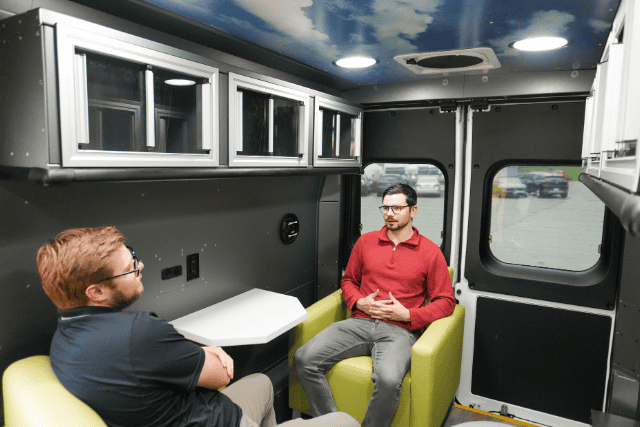
A Mobile Counselling Unit gives you something that traditional clinics cannot offer: flexibility. You can show up where youth already are and run support sessions during times that fit their lives, like after school or early evenings.
A feature that supports this is the WiFi connectivity inside the van.
This lets your team:
- Run digital tools for screening, check-ins, or counselling
- Access online resources during sessions
- Offer blended support, like virtual follow-ups on-site
- Document sessions securely without relying on office networks
This flexibility helps you shorten the time between first contact and first support. It lets you meet youth while the motivation is fresh and the need is clear.
With a youth outreach vehicle, you break the pattern of long waits. The youth see you in their neighbourhood. They get care faster. They feel valued and supported in real time, not weeks later.
3. Stigma, fear, and feeling disconnected from traditional services
Stigma is one of the quietest barriers at-risk youth face, and one of the most powerful. Many young people want help but feel nervous, embarrassed, or ashamed to walk into a mental health clinic. For some, the idea of being seen getting help is enough to stop them from reaching out. Others worry they’ll be judged or misunderstood. This fear is real, and it holds back youth who could benefit from support long before problems turn into a crisis.
How does this barrier show up across Canada?
Stigma doesn’t look the same for every young person. It changes based on culture, identity, location, and lived experience. But the impact feels similar: youth avoid help even when they know they need it.
Here are situations that you may see often:
- Fear of judgment: A teen in Toronto may walk past a counselling centre every day. They want help, but fear classmates might see them walk in. They decide to stay silent instead.
- Cultural pressure: In some newcomer families, mental health carries a heavy misunderstanding. A youth in Calgary may worry their parents will view counselling as a sign of weakness.
- Small-town discomfort: In rural areas like Prince Edward Island or northern Manitoba, everyone knows everyone. Youth fear their visit will become gossip.
- Past negative experiences: A teen who had a cold or rushed session may lose trust. They may avoid returning even when new concerns arise.
When stigma takes hold, youth often turn inward. They may hide their pain and avoid adults. They may try to handle everything alone. This creates a dangerous cycle where they feel disconnected from the very supports made for them.
What’s the impact on at-risk youth?
This barrier does more than keep youth away from help. It shapes how they see themselves.
Youth may think:
- “I’ll look weak.”
- “No one will understand me.”
- “I don’t want anyone to see me walk in there.”
- “Maybe my problems are not important.”
- “I don’t want people asking questions.”
These thoughts can deter youth from booking an appointment long before they even consider it.
Over time, stigma can push at-risk youth deeper into isolation. Anxiety grows. Depression grows. Substance use can increase. Trust in adults fades. And every missed chance for support widens the gap between need and care.
Why is this important for your mental health program?
You want youth to feel safe the moment they open up. You want them to feel comfortable, respected, and welcomed. Traditional clinic environments can feel clinical or intimidating, especially for youth who already feel vulnerable. Without an alternative that feels more human, more gentle, and more youth-friendly, stigma continues to block their path.
How does a youth outreach vehicle help you break this barrier?
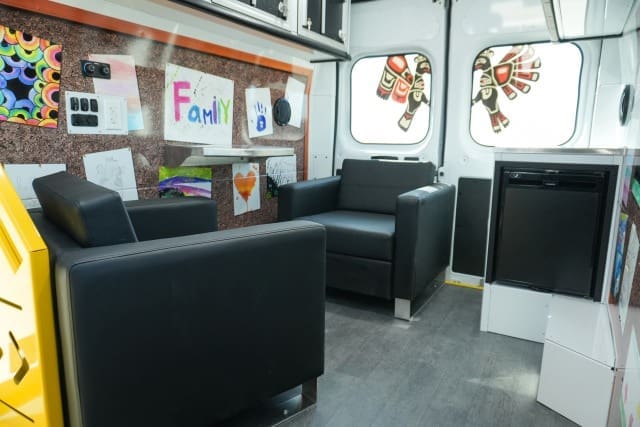
A Mobile Counselling Unit gives you the power to remove the walls of a clinic and offer care in a space that feels warm, calm, and non-threatening.
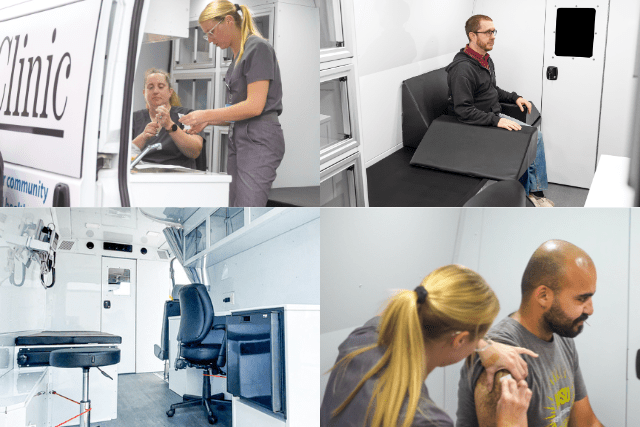
A feature that helps you do this is the comfortable and inviting interior. This design transforms the van into a space that feels like a small living room rather than an office. It is bright, warm, and easy to settle into.
Inside the van, youth experience:
- A living-room feel: Soft seating, warm colours, natural light, and thoughtful interior design.
- A calm atmosphere: A space that feels friendly, not clinical or cold.
- Lower emotional pressure: The van does not look like a “mental health building,” which reduces fear of judgment.
- A safe place to talk: Youth can share feelings in a space that feels private and less intense.
- Room for trust to grow: A relaxed setting often helps youth open up sooner.
When youth see a Mobile Counselling Unit rolling up in their own neighbourhood, it sends a powerful message:
- Help can feel safe
- Support can feel close
- Help can feel like it was made for them
Breaking stigma is about small, steady moments where youth feel understood rather than judged. A youth outreach vehicle gives you the chance to create those moments every time you show up.
4. Socio-economic pressure and family constraints
Many at-risk youth in Canada face challenges at home that make it hard to reach mental health support. These pressures are often invisible from the outside, but they become apparent during every school visit, every wellness check, and every conversation with a caregiver who is already overwhelmed. When families are stretched thin, youth carry more weight than people realize. This creates a major barrier that keeps them from getting help when they need it .
How does this barrier show up across Canada?
Socio-economic pressure affects families in every province and territory. It shapes daily life for youth at risk, even when they want support.
Here are situations you probably see all the time:
- Money is tight: Some families can’t afford the cost of gas, parking, or time off work. A teen in Winnipeg may want counselling but knows their parents cannot leave a shift to drive them.
- Caregiver burnout: In many homes, caregivers work multiple jobs or unpredictable hours. They cannot always arrange rides, attend appointments, or juggle schedules.
- Youth responsibilities: Older youth often care for younger siblings. A teen in Surrey may skip support because they need to watch their brother after school.
- Housing instability: In cities like Edmonton or Toronto, some families move often or live with relatives. Youth feel embarrassed to talk about their home situation, so they avoid seeking help.
- Limited support networks: Newcomer families or single-parent homes may have fewer adults available to help with transportation or appointment planning.
When families feel overwhelmed, youth absorb that stress. They may think their problems are too small to add to the pile. They may hide symptoms, avoid asking for help, or downplay their feelings. The result is delayed support, rising pressure, and an increasing number of youth who slip through the cracks.
What’s the impact on youth at risk?
This barrier affects how youth see themselves and their place in the family. When life at home feels chaotic or stretched, youth often shift into survival mode.
They may think:
- “My family has bigger problems than mine.”
- “I don’t want to make things harder for them.”
- “I can handle this on my own.”
- “We don’t have the time or money for counselling.”
These thoughts push youth away from care. They feel responsible for protecting their family from added stress, even when they are the ones needing support.
This cycle can deepen anxiety, loneliness, and low self-worth. It can also lead to more risk-taking behaviours, especially when youth feel invisible or unheard at home.
Why does closing this gap matter for your program?
You want youth to access care without feeling like a burden and want families to feel supported, not overwhelmed. You want youth to reach out even when home life feels busy, unstable, or complicated.
But traditional services often require parents to drive, schedule, or supervise. This creates barriers for families who already struggle to keep up. Without flexible options, many youth fall behind because their family environment demands more than they can give.
How does a youth outreach vehicle help you close this gap?

With a Mobile Counselling Unit, you meet youth where they are, so they don’t need to rely on family resources, schedules, or transportation. You take the weight off families and make support easier, calmer, and closer.
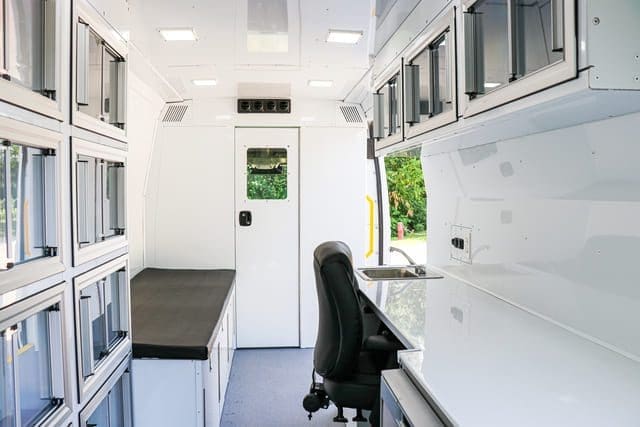
A feature that supports this is the floor-to-ceiling storage cabinets inside the van. This may seem simple, but it makes a big difference.
The cabinets let your team bring:
- Wellness kits
- Mental health supplies
- Snacks or hygiene items
- Educational handouts
Here is how this supports youth at risk:
- No pressure on families: Youth don’t need to bring anything or prepare.
- More dignity: Youth can receive supplies quietly and comfortably.
- More support in fewer visits: Your team carries what youth need without depending on clinic resources.
- More consistent care: Youth get practical help right away, even if home life is unpredictable.
When you show up with resources already in the van, youth see that you are ready for them. They do not need to worry about money, rides, or family schedules. They just walk in and start where they are.
A youth outreach vehicle gives them something they rarely feel at home: space that is calm, supportive, and focused on their needs. And that alone can change the direction of their healing.
Want to learn more about the Mobile Counselling Unit?
You came here because you want at-risk youth in your community to feel seen, supported, and safe. You wanted answers on the real challenges they face and how youth outreach vehicles can help you close those gaps.
Après avoir lu cet article, vous savez maintenant :
- Ce qu'il faut faire keeps youth at risk from reaching mental health support across Canada.
- How mobile counselling and outreach vehicles break those barriers and bring care directly to them.
Au MoveMobility we’ve spent more than two decades helping health teams, community agencies, and outreach programs create mobile healthcare solutions that truly fit their communities. Our vehicles support programs from coast to coast and are trusted by leaders who want to reach youth where they feel most comfortable. We design with care, build with purpose, and stay committed to helping you bring hope and connection to young people who need it. If you have questions or want guidance, click the button below to talk with a mobility expert.
If you’re not ready to reach out yet, here are three articles that can help you take the next step:
- What is preventive counselling? Learn how preventive counselling can help stop problems before they become bigger ones.
- Vancouver’s mental health crisis: How a mobile counselling van can help: Get a clear understanding of how a Mobile Counselling Van can positively impact Vancouver’s mental health crisis.
- Mobile mental health clinics: Everything you need to know: Ideal for understanding how mobile mental health programs operate in real communities and what equipment supports them best.
 English
  French