What is the cost of a wheelchair accessible cab in Canada? That question usually comes up when your community is struggling to move people safely and with dignity. In Canada, over 6 million people live with a disability, according to Statistics Canada. Many rely on others to get to medical appointments, work, or even groceries.
If your transit program lacks a reliable wheelchair cab, people wait longer, miss care, or stay home. That gap puts pressure on your team and the people you serve. You’re likely weighing budgets, timelines, and expectations, all while trying to deliver better service. The right cab for wheelchair users can close that gap and help you reach a place where access feels fair and consistent.
Au MoveMobilityNous avons dépensé plus de 20 ans helping organizations across Canada solve these exact challenges. We’ve built more than 480 wheelchair vans in just the past three years. We’re proud partners with groups like Liard First Nation and recipients of the DARE Innovation Award. Our vehicles meet strict safety standards with the National Safety Mark, along with Ford Pro Upfitter and Stellantis QPro certifications. We bring experience to the table, while recognizing that there are other providers in the market.
Dans ce guide, vous apprendrez :
- Cost ranges: What a wheelchair accessible cab cost looks like in Canada.
- Key factors: What drives the cost of a wheelchair cab.
What’s the cost of a wheelchair cab in Canada?
The cost of a wheelchair accessible cab in Canada depends on the type of vehicle you choose for your service. Different programs need different setups, and that’s what drives the price.
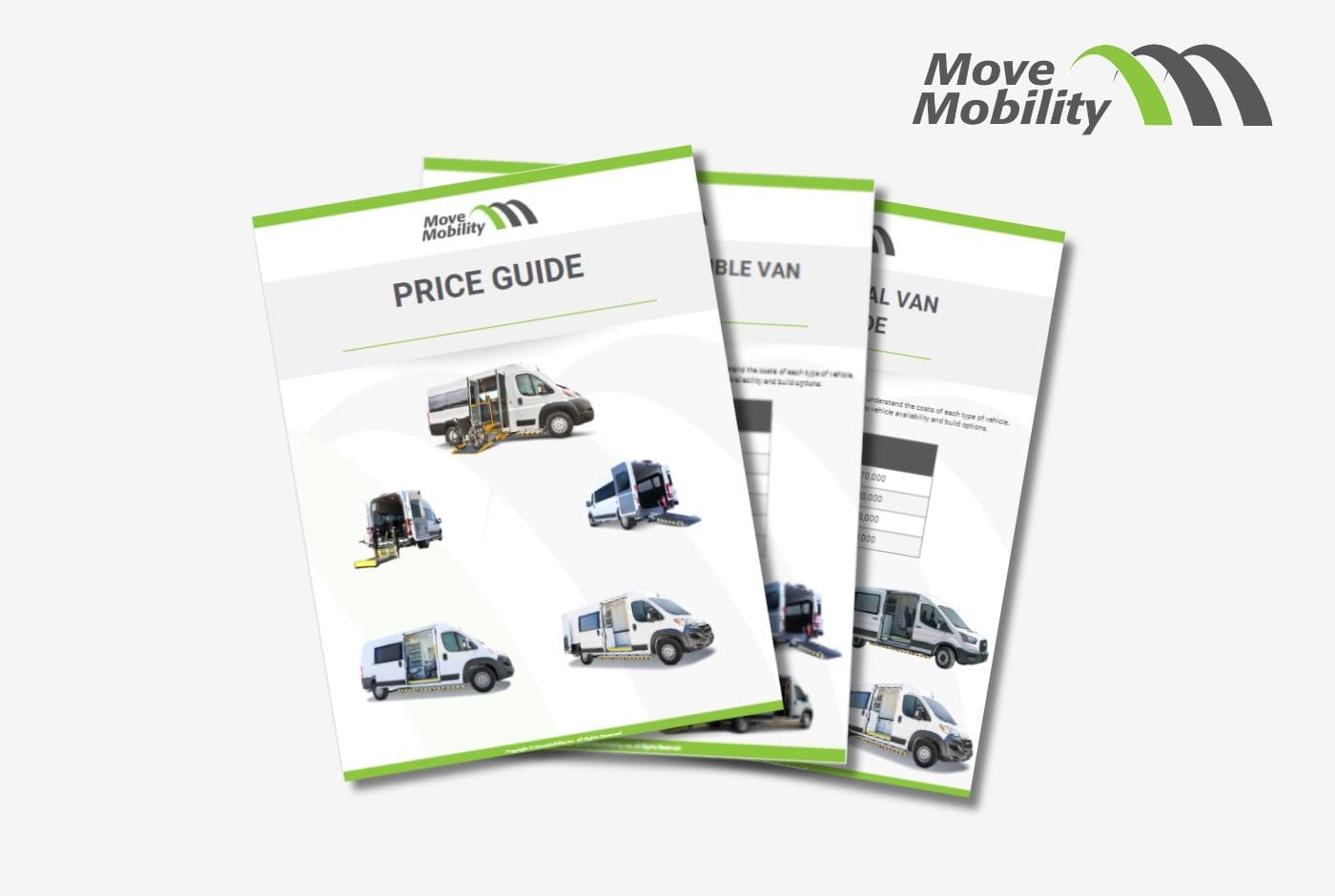
Here’s a realistic breakdown based on common vehicle types:
- Minivan-based wheelchair cab: $100,000 to $119,000.

- Classic Series: $149,000 to $223,000.
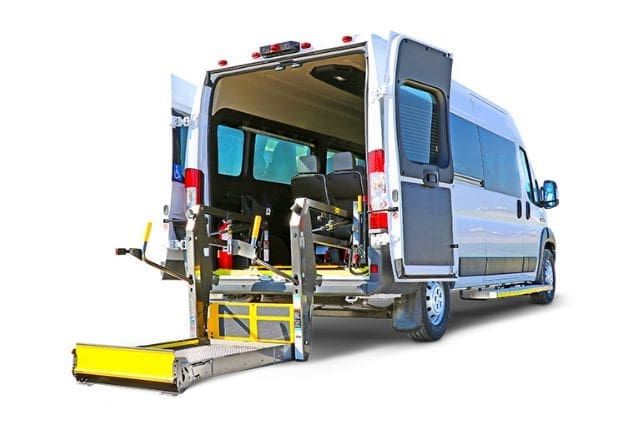
- T Series: $170,000 to $214,000.

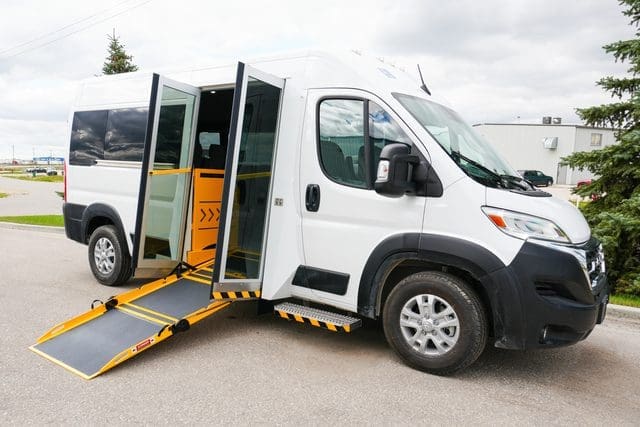
- P Series (most common): $155 000 à $259 000.
Brevet en cours
When you’re researching options, the biggest challenge is not knowing where to start. You’re trying to build a case, align funding, and move things forward. Without clear numbers, everything slows down.
This is why understanding cost by vehicle type matters.
A smaller minivan setup may work well for lighter use or lower passenger demand. On the other hand, a full-size P Series cab is often used for higher-volume programs that need more space, durability, and flexibility day to day.
So while you’ll often hear a general range of $145,000 to $259,000, that really applies to full-size wheelchair accessible cabs. The full picture is broader once you include all vehicle types.
Why organizations look at cost early
Getting clear on wheelchair accessible cab cost upfront helps you avoid delays later on.
- Planning becomes easier: You can match your budget to the right vehicle type.
- Approvals move faster: Decision-makers see real numbers, not rough guesses.
- Expectations stay aligned: Your team and funders stay on the same page.
For example, if you’re launching a service in Alberta, choosing between a minivan or a full-size cab will directly impact how many vehicles you can deploy, how many passengers you can serve, and how your routes are structured.
A simple way to think about the range
Instead of one flat price, think of cost as tied to your service needs:
- $100,000 to $119,000: Entry-level service with a minivan platform.
- $155,000 to $259,000: Full-size cabs built for daily, higher-demand use.
Both options support accessibility. The real difference comes down to capacity, usage, and how your program operates.
The key is simple. Start with how your service runs today, then choose the vehicle that supports where you’re headed.
What increases the cost of a wheelchair accessible cab?
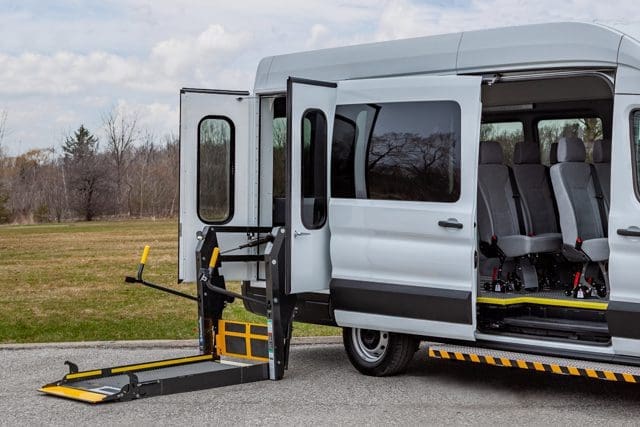
The cost of a wheelchair accessible cab increases when the vehicle needs more capability, more equipment, or more flexibility for daily service. A basic wheelchair cab may work well for simple trips. A higher-use cab for wheelchair users often needs extra features to support safety, comfort, and long hours on the road.
That doesn’t mean every upgrade is “nice to have.” Some features can make the difference between a vehicle that works on paper and one your drivers actually like using. And let’s be honest, if your drivers hate the setup, your service will feel that pain quickly.
1. Chassis
Le vehicle chassis is one of the biggest pieces of your wheelchair cab cost. This is the base van before the accessibility conversion is added.
The cost of a vehicle chassis isn’t something accessible van manufacturers have much control over. You’ll often find that the chassis price from a wheelchair van manufacturer is close to what you’d pay for the same chassis at an OEM dealership.
This matters because chassis pricing can shift based on:
- Model year
- Vehicle availability
- OEM price increases
- Fuel type
- Wheelbase and roof height
- Payload capacity
For example, a transit provider in Manitoba may compare a smaller van against a full-size van. The smaller option might cost less upfront. But if it can’t carry the passengers, wheelchairs, or equipment your service needs, the lower price may create a bigger gap later.
The chassis sets the foundation. After that, the conversion type shapes the rest of the cost.
2. Conversion type
The conversion type has a major impact on the cost of a wheelchair cab because it affects how people enter, sit, and move inside the vehicle.
Some common conversion choices include:
- Side-entry conversions
- Multi-passenger layouts
- Flexible floor layouts
A rear-entry wheelchair cab may work well for small-town service or medical appointment transportation. A side-entry layout may work better in places like downtown Vancouver, where curb space is tight, and traffic doesn’t exactly behave like a polite dinner guest.
The more complex the layout, the more planning, parts, labour, and testing are usually involved. That raises the wheelchair accessible cab cost, but it can also make the vehicle much easier to use every day.
3. Wheelchair access equipment
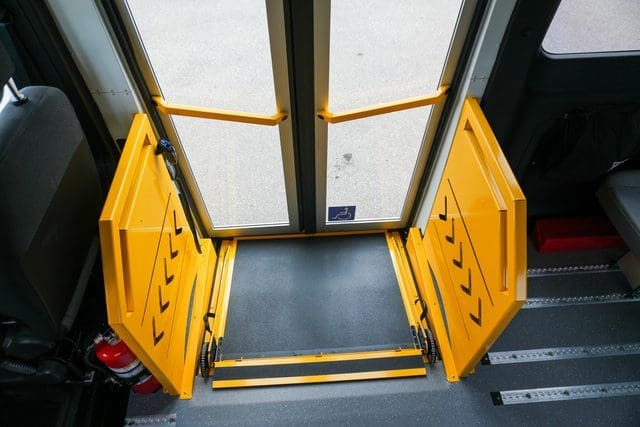
Wheelchair access equipment is another key cost driver. Most cabs with wheelchair access use either a ramp or a ascenseur.
Ramps : These are often simpler to operate than lifts. They can work well for many passenger transportation programs.
Lifts: These are common when the floor height, passenger needs, or service type makes a ramp less practical.
The right choice depends on your service. A cab for wheelchair users that handles frequent loading all day may need equipment that reduces strain on drivers. A community program with fewer daily trips may be able to choose a simpler setup.
This is where the lowest price can become tricky. If the access equipment doesn’t fit your daily use, the vehicle may slow down your service and frustrate passengers.
3. Flexible floor track systems
A flexible floor track system, like AutoFloor, can increase the wheelchair cab cost because it adds more freedom inside the vehicle.
This type of system lets your team adjust seating and wheelchair positions. That can be helpful when your trips change from day to day.
For example, one morning you may carry two wheelchair users and one attendant. Later that afternoon, you may need room for one wheelchair user and three seated passengers. A flexible floor makes that easier.
This can be a smart investment for:
- Transit agencies: Service needs can change by route.
- Non-emergency medical transportation providers: Passenger needs vary daily.
- Community organizations: One vehicle may serve many programs.
- Senior transportation services: Seating and mobility needs often shift.
The added cost comes from the floor system, engineering, installation, and testing. But for many organizations, flexibility helps avoid buying a second vehicle too soon. That’s a win your budget committee may actually smile about.
4. Interior finishing
Interior paneling, insulation, and finishing also affect the cost of a wheelchair accessible cab.
A basic interior may work for short trips. But many Canadian programs need more comfort and durability, especially during long rides or cold months.
This can be important in rural areas where trips may take longer. A ride from a remote community to a regional health centre can be tiring. A warmer, quieter, cleaner interior helps protect dignity and comfort.
The goal isn’t luxury. It’s making transportation feel safe, respectful, and reliable.
5. Equipment and seating choices
Some wheelchair cab programs need more than a basic transportation setup. Added equipment can increase the final price.
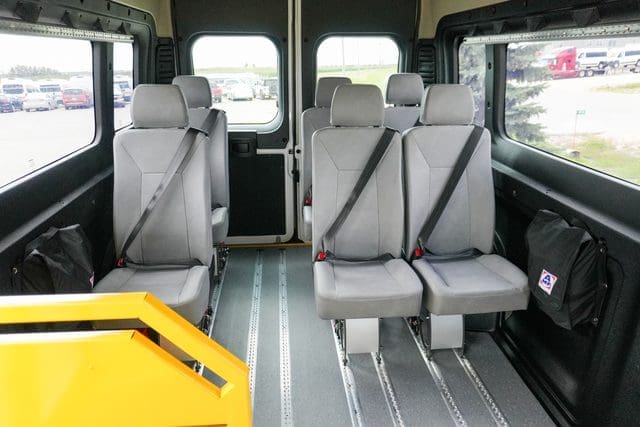
This may include:
- Custom medical equipment: Useful for non-emergency medical transport or health-related trips.
- Removable seating: Helpful when you need to adjust passenger capacity.
- Heating and air conditioning systems: Critical for Canadian winters and hot summer routes.
- Wheelchair securement restraints: Required for safe passenger transport.
- Lighting systems: Helpful for early mornings, evenings, and safe loading.
- Safety equipment: Supports driver and passenger protection.
- Grab poles and entry assists: Help passengers enter and exit with more stability.
Each item adds cost, but each can also reduce risk. For example, better lighting may help drivers load passengers safely during dark winter afternoons in Northern Alberta. Extra heating may help keep passengers comfortable during long prairie trips in January. Canada likes to test vehicles and humans at the same time.
How do you decide which cost increases are worth it?
The best way to manage the cost of a wheelchair accessible cab is to connect each feature to a real service need.
Before choosing upgrades, ask:
- Who will use the cab most often?
- How many trips will it run each day?
- Will passengers travel with caregivers?
- Do you need one wheelchair position or more?
- Will the vehicle serve rural routes, urban routes, or both?
- Do you need flexible seating for different daily needs?
- What weather will the vehicle face?
These questions help you avoid two common problems. The first is overbuilding a wheelchair cab with features you don’t use. The second is underbuilding it and creating problems for your drivers, passengers, and budget later.
A lower wheelchair cab cost may look good at first. But if the vehicle can’t support your service, the savings may disappear fast. A higher price can make sense when it gives your team a safer, smoother, and more dependable way to serve people.
The goal is simple. Build around the real gap your community faces, then choose the features that close that gap. That’s how you protect your budget and give people the transport accessible they deserve.
Got any questions about the cost of a wheelchair accessible cab?
You came here trying to understand the cost of a wheelchair accessible cab because planning accessible transportation can feel unclear and overwhelming. You’re likely balancing budgets, expectations, and the real pressure of getting people where they need to go safely and on time.
After reading this, you now have a clearer path forward:
- Clairvoyance sur les coûts : You understand the typical wheelchair accessible cab cost range in Canada.
- Confidence: You know what can raise or lower the cost of a wheelchair cab.
Au MoveMobility, we work alongside organizations like yours across Canada to turn plans into real, working transportation programs. Our approach is simple. We listen first, then build around your needs, your routes, and your community. From busy urban fleets to remote northern service, we’ve helped teams create dependable access where it didn’t exist before. That’s what drives us every day, helping you move people with dignity, consistency, and care.
Click the button below to connect with a MoveMobility expert and get clear, honest answers about the cost of a wheelchair accessible cab and what makes the most sense for your program

 English
 French