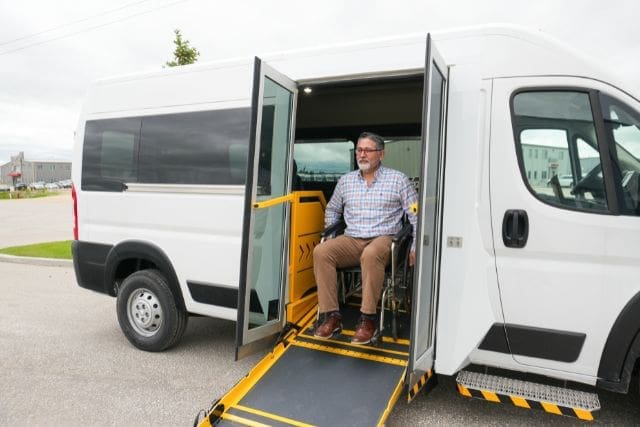
BC Indigenous and First Nations elders are the heart of our communities, but many feel stuck at home without a safe ride. Did you know over 22% of seniors in B.C. worry they’ll have to move away if they can’t get around? This gap in transportation makes people feel lonely and scared. Imagine an elder in a remote spot like Hazelton who can’t get to a checkup. It’s a heavy feeling when you can’t visit family or get medicine. You want your elders to stay home with dignity and stay connected to their culture. Closing this gap means they can live happy, healthy lives.
Au MoveMobility, we’ve spent over 20 ans building vehicles for organizations and communities like yours and the Liard First Nation all over the country. We hold the Marque nationale de sécurité and have Ford Pro and Stellantis QPro certifications. We know we aren’t the only ones who build vans, and we want to be fair. Our goal is to supprimer les obstacles and save lives. These vans help people feel empowered.
In this article, you’ll learn about:
- Healthcare gaps: Missing trips to see doctors in the city.
- Feeling alone and isolated: Being stuck at home hurts the spirit.
- Winter roads: Snow and ice make driving very scary.
- High costs: Using old cars or taxis is too expensive.
- Cultural connection: Getting to community feasts and events.
Five challenges First Nations Elders face without proper transportation
Life in BC First Nations communities is full of life, but getting to the doctor shouldn’t be a struggle. Many people see how hard it is when there is no way to reach the clinic. It is time to look at the big gaps that happen when there are no reliable rides.
1. Healthcare gaps affect Elders’ health
Elders deserve the best care to stay strong and lead. When they can’t get to the city, their physical health starts to dip. A report shows that over 32% of First Nations people have health needs that remain unmet. This often happens because the doctor is too far away.
Imagine an Elder named Mary who lives near Hazelton. She has a bad hip and needs a special checkup in Smithers. If there is no safe ride, she stays home. She might try to ignore the pain because she doesn’t want to be a burden. This leads to much bigger health problems later on. It’s sad to see leaders suffer in silence because they can’t get a ride. Proper Elders’ transportation can fix this.
Why is travelling for care a big struggle?
Living in the North or the Interior of BC means very long drives. Sometimes it takes many hours just to see a specialist for a heart or kidney issue. BC First Nations communities often face these huge hurdles every single month.
- Missed appointments: It’s very hard to keep dates when an old car breaks down.
- Late care: Waiting too long can make simple health problems much worse.
- High stress: Constant worrying about finding a ride is bad for the spirit.
- No follow-ups: It’s tough to go back for more tests after one long trip.
Good rides change everything for a community. It means an Elder can get heart medicine without any worry. It means they stay stronger and stay with their family for many more years. When you remove these big barriers, you can save lives and keep families together. Having a safe van means the Elder doesn’t have to choose between their health and staying home.
Health conditions are often much worse once people finally get to a hospital in Prince George or Kamloops. This happens when the journey is too hard to make early on. You can change this story for your community. You can provide a ride that is safe and comfortable. This brings peace of mind to the whole family. You’ll know they are getting the care they need with the respect they deserve. Proper rides are the bridge to a long and healthy life. Next, we’ll talk about how staying home too much can make people feel very lonely.
Check out the video below to learn about the Elders’ transportation van.
2. Social isolation and the heart of BC First Nations Elders
Being alone is hard for anyone, but it’s very painful for those who lead our communities. BC First Nations Elders are the keepers of wisdom and history. When they can’t join the circle, the whole community feels that loss.
Elders often say that being away from their people is the hardest part of getting older. When there’s no way to get to a community feast or a graduation, it feels like a piece of the heart is missing. Loneliness can be as bad for health as smoking. It’s a huge gap that makes a person feel forgotten. You’ll notice that when a person is stuck at home, their mood starts to shift. They might feel like they don’t matter as much anymore.
Imagine an Elder in the Tsilhqot’in area who wants to share stories with the youth. If they don’t have a ride, those stories stay locked inside. You’re losing more than a person’s presence. You’re losing the chance for the next generation to learn their language and ways. Reliable Elders’ transportation is a tool for connection. It’s a way to keep the spirit of the community alive. We’ve seen how a simple ride to a community center can light up an Elder’s face.
How does being lonely affect Elders’ spirits?
Being left out can also lead to faster health decline. Studies show that staying social helps keep the brain sharp. When an Elder in the Kootenays can’t visit their friends for tea, they lose those vital connections. You’ll see their energy start to fade when they’re stuck inside four walls day after day.
- Cultural loss: Missing out on language classes or traditional crafts with the youth.
- Mental health: Feeling like a burden to family members who are busy working.
- Physical decline: Moving around much less because there’s nowhere to go.
- Broken bonds: Losing touch with friends who live in other parts of the village.
Good rides bring joy back to the community. It allows a Grandmother to see her great-grandchildren play at the park. It lets a Grandfather attend a meeting to give his advice on important matters. This connection is what keeps a community strong and healthy. You’re building a bridge back to the heart of your people. These vehicles are enablers of freedom and love. They make sure no one is left behind in the quiet. In our next section, we’ll look at the dangers of winter roads in our province.
3. Dangerous winter roads in BC First Nations communities
Winter in BC is no joke. If you live in a place like the Bulkley Valley or the Kootenays, you know the snow gets deep. Icy roads make driving very scary for everyone. For BC First Nations families, this often means Elders stay inside for months. It’s just too risky to go out in a small car. Personal cars aren’t built for these conditions. They can slide or get stuck in a snowbank. This is a big gap that keeps people apart when they need each other most.
Moving safely through the snow with the trail edition

Winters in the North or the Interior can be brutal. You’ve seen how fast the snow piles up in places like Terrace or Fort Nelson. For many BC First Nations communities, the roads become a skating rink. It’s a huge challenge to get an Elder to a dentist visit or a family dinner. Using a regular car is often uncomfortable for them. It can even be downright dangerous if the car doesn’t have the right tires or clearance. Winter driving accounts for many accidents in B.C. every year. This fear keeps people stuck at home.
It’s a scary feeling when you’re worried about a loved one sliding off the road. This gap in safety means Elders miss out on winter events or healthcare. A Trail Edition wheelchair van helps fix this. It’s built to handle the tough BC terrain. You’ll feel much better knowing the ride is stable and warm. These vans aren’t just vehicles. They’re a way to keep the community moving even when the snow falls hard.
- Better grip: Special features help the van stay on the road during ice storms.
- Extra warmth: A good heater keeps Elders cozy while they travel.
- Strong build: These vans can handle the bumps on gravel roads.
- High clearance: It’s easier to get through deep snow in the parking lot.
Having a ride you can trust changes everything. It means an Elder can still go to a winter feast. They don’t have to feel like they’re trapped until the spring thaw. This brings back their freedom. It also takes the stress off the driver and the family. You’re giving them the gift of a safe journey. This is what real Elders transportation looks like. It’s about keeping everyone connected year-round. Next, we’ll talk about the high costs of not having the right van.
4. High costs for BC First Nations without proper rides
Thinking about buying a new Elders’ transportation van can feel scary. It’s a big choice for BC First Nations leaders to make. You might feel it’s better to stick with an old car to save money. But the hidden costs of a broken ride are much higher than you think.
What’s the high price of old cars and taxis?
An old car often breaks down at the worst time. Imagine being on the road to Campbell River and the engine quits. You’ll pay for a tow and a big fix. It’s also very bumpy and often hurts an Elder’s back. This makes them not want to travel at all. It’s a gap that keeps them from getting the care they need.
Taxis and medical rides cost a lot over time. If an Elder has weekly clinic visits, you’re paying for every trip. Taxi rates in B.C. are set high to cover gas and time, and that’s even if they make the trek out to your area. This money adds up to a considerable amount every year. You could use that money for a safe, permanent solution instead.
- Repair bills: Fixing an old car is like a surprise bill you can’t stop.
- Daily fees: Taxis take a bite out of the budget every single day.
- Missed work: Family members often miss work to drive an Elder.
- Medical costs: Delaying a trip because of money leads to bigger hospital stays.
Investing in Elders’ transportation is a smart move. It stops the cycle of wasting money on rides that don’t work. You’ll have a reliable van that belongs to the community. This brings dignity to every trip. It shows Elders they are worth the best care. It’s a way to protect the people who protected you. You’ll have a clear budget and a happy community. Next, we’ll talk about the loss of culture when Elders can’t travel.
5. Cultural connection for BC First Nations elders
BC First Nations culture is like a thread that connects the past to the future. When Elders can’t attend community events, that thread starts to fray. It’s a big gap that makes the whole village feel less whole. Many feasts and ceremonies happen in different parts of the territory. If there’s no ride, an Elder stays home while the drums are beating somewhere else.
Losing the chance to share wisdom
Culture needs the voices of those who came before us. In many BC First Nations communities, Elders are the keepers of the flame. Traditional languages are at risk in our province right now. When an Elder can’t get to a school or a language circle, the kids miss out on their heritage. It’s heartbreaking to think of a Grandmother in the Coast Salish region who can’t attend a naming ceremony. She has the songs and the names, but she has no way to get there. This gap means the youth might never hear those stories. Proper Elders’ transportation keeps these traditions alive.
- Lost stories: The youth miss the chance to hear history from someone who lived it.
- Weakened bonds: Families feel less connected when the oldest members are missing.
- Spirit health: Joining a potlatch or a dance feeds the soul and brings joy.
- Community pride: Having Elders present brings a sense of strength to any gathering.
Good rides are about keeping the heart of the culture beating strong. Elders’ transportation vans let an Elder lead a prayer or teach a traditional craft to a teenager. You’re making sure the chain of knowledge stays unbroken for the next generation. It lets them go to the river to fish or to the forest to pick berries with their family. This keeps the spirit of your people vibrant and alive. You’re giving them the power to be the teachers they’re meant to be.
Ready to solve BC First Nations gaps with proper transportation?
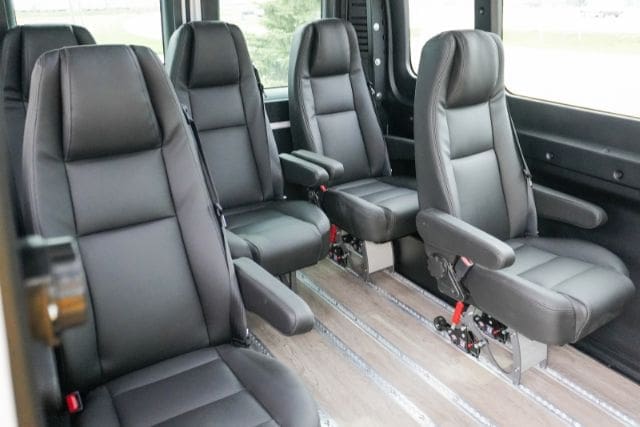
There’s a good chance you landed on this article because you care deeply about the well-being of the people in your community. It’s hard to watch Elders struggle with long trips, lonely days at home, or scary winter drives in vehicles that aren’t up for the task.
In this article, you learned:
- The five big gaps: How lack of rides leads to health risks, loneliness, and a loss of culture.
- The path forward: Why a dedicated van is a better investment than old cars or expensive taxis.
Au MoveMobility, we’ve spent two decades listening to the unique stories of communities just like yours. We’ve grown from a small team into a leader in the industry because we focus on the people inside the van, not just the metal and tires. Our experience across the diverse landscapes of BC means we understand the distance and the weather you face every day. We’re here to be your partner in building a future where every Elder feels empowered and connected. If you have any questions at all, click the button below to talk to a mobility expert.
If you’re not ready to talk to a mobility expert yet, we have a few other resources you should check out to learn more:
Recommended next reads
- How to get more funding for your wheelchair van: This article is a great next step because it shows you different ways to find the money needed to bring a safe ride to your community.
- Delivering wheelchair vans to remote locations in Canada: What it looks like with MoveMobility: Read this to see how we handle the logistics of getting a vehicle to your specific region, no matter how far off the main highway you are.
- Standard wheelchair van vs. Off-road wheelchair van: Which is right for you? Since we talked about those tough BC winter roads, this guide will help you decide which model has the strength to handle your local terrain.

 English
  French