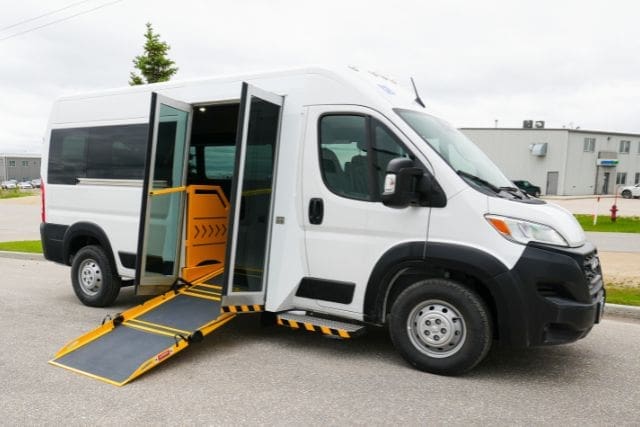
How many medical trips can one community vehicle handle before the whole schedule starts to bend? That’s often the point where a medical transport van becomes worth a serious look. Maybe your team is using one van for local rides, out-of-community appointments, Elder transportation, and wheelchair access.
On paper, that may seem efficient. In real life, it can turn into a daily puzzle with missing pieces. One delayed appointment, one winter road closure, or one longer-than-planned trip to Regina, Thompson, Prince George, or Thunder Bay can throw the rest of the day off course. If you came here from my last article on why tribal councils are rethinking long-distance medical transportation, this article moves from why this matters to when it’s time to act.
I’m Aleck Jones, and I’m a Client Partner at MoveMobility. I work with Indigenous, Metis, and Inuit communities all over Canada that want safer, more reliable ways to transport people to care. Our goal is simple: help people who help people.
In this article, I’ll walk through the signs that your current transportation setup may be stretched too thin, including:
- Scheduling: Medical trips keep disrupting local rides.
- Safety: Passengers need better support during travel.
- Growth: Demand is outpacing your current vehicle plan.
Let’s start with the first sign.
3 signs it might be time for a dedicated medical transport van
There are a few tell-tale signs when it might be time to start considering a vehicle that can take the stress off your community.
1. Scheduling
A dedicated medical transport van may be worth considering when medical trips keep pushing local rides around.
This usually starts small. One person needs to get to a specialist appointment outside the community. Then another person needs dialysis transport. Then an Elder needs a ride to the nursing station, and someone else needs help getting to a follow-up visit in town.
At first, your team may find a way to make it work. That’s what good teams do. They shuffle times, make extra calls, and try to keep everyone moving. But after a while, the schedule starts to feel less like a plan and more like a game of transportation Tetris. And nobody wants healthcare access to depend on who can squeeze into the schedule first.
The gap shows up when one vehicle is doing too many jobs.
A community van may be used for:
- Local clinic rides: Helping people get to the health centre or nursing station.
- Elder transportation: Supporting safer trips for older community members.
- Accessible rides: Moving people who use wheelchairs, walkers, or canes.
- Out-of-community care: Taking patients to hospitals, specialists, or treatment centres.
- Family support: Helping people who don’t have access to a personal vehicle.
Those are all important trips. The challenge is that they don’t all fit into one vehicle schedule when distances get longer.
When one long trip changes the whole day
Let’s say your community has one main wheelchair accessible van.
In the morning, it’s scheduled to take an Elder to the local health centre. Later, it’s needed for a person who uses a wheelchair and has a follow-up appointment. Then a medical trip comes up to a regional hospital several hours away.
Now the team has a hard choice.
Do you send the van out of the community and move the local rides? Do you ask families to help fill the gap? Do you delay one appointment to protect another? None of those options feel great, because each one affects a real person.
This is where a dedicated medical transport van starts to make sense. It gives your team a vehicle that can be planned around medical travel, instead of pulling the local-use vehicle away each time a longer trip comes up.
That can help your community protect two types of access at once:
- Out-of-community access: Patients can still reach hospitals, specialists, and treatment.
- Local access: Elders and community members can still get to nearby care.
In other words, the goal isn’t to add a vehicle for the sake of adding a vehicle. The goal is to stop one trip from taking too much away from the rest of the day.
The signs your schedule is stretched too thin
A busy schedule alone doesn’t always mean you need another vehicle. Every community has busy weeks. The bigger concern is when transportation problems start repeating.
Your current setup may be stretched too thin if:
- Appointments keep getting moved: Local rides are delayed when medical trips take longer.
- Staff are always rearranging plans: Scheduling takes more time than it should.
- Families are filling the gaps: Loved ones are asked to drive when the van isn’t available.
- Wheelchair users have fewer options: Accessible transportation is tied up too often.
- Weather creates bigger delays: Winter roads make long trips harder to predict.
- One vehicle is always the backup plan: Even when it’s already booked.
This can happen in many parts of Canada. A trip from a northern Manitoba community to Thompson may affect the whole day. A route from northern Alberta into Edmonton can take hours before the appointment even begins. In northern Ontario, a drive to Thunder Bay may leave the local schedule exposed until the vehicle returns.
Different roads. Same pressure.
If your team is constantly choosing which ride gets priority, that’s a strong sign the transportation plan may need to change. A dedicated medical transport van can give medical trips their own lane, while local transportation keeps serving the people who rely on it close to home.
The next consideration is just as important, because scheduling pressure often leads to another problem: passenger safety and comfort during longer trips.
2. Safety

A medical transport van may be worth considering when passengers are spending long hours in vehicles that weren’t built for their comfort, safety, or mobility needs.
No one should have to sit in pain for four hours while trying to get to a medical centre. That’s a long time to feel every bump in the road, every tight turn, and every awkward seating position. Add winter roads, gravel routes, or long stretches between rest stops, and the trip can become hard before the appointment even starts.
This is one of the biggest signs I listen for when I talk with communities.
Someone may say, “We’re getting people there, but the ride is tough on them.”
That sentence says a lot.
It means the current transportation option may be doing the basic job of moving a person from one place to another. But it may not be supporting the person well during the ride. For medical travel, that difference matters.
A patient may already be tired, sore, anxious, or dealing with limited mobility. If the vehicle adds more strain, the trip can take even more out of them.
That can show up in a few ways:
- Pain: A tight seat or poor position can make the ride harder on the body.
- Fatigue: Long travel can drain a person before or after care.
- Transfers: Moving in and out of a vehicle can feel unsafe or uncomfortable.
- Wheelchair access: A person may have to leave their wheelchair when they’d rather stay in it.
- Dignity: The ride may feel stressful instead of calm and respectful.
When people are travelling for care, transportation should support the healing process, not make the day harder.
When does a personal vehicle become the wrong fit?
A family vehicle can feel like the easiest answer in the moment. Someone has a truck, SUV, or minivan, so the trip gets booked around that.
Sometimes that works fine.
But for a person who uses a wheelchair, walker, cane, or stretcher, a personal vehicle may create more challenges. The passenger may have to transfer into a seat that doesn’t support them. Their wheelchair may be folded up in the back. A caregiver may have to help with lifting, turning, or repositioning.
That can be hard on everyone.
Picture a patient travelling from a northern community into Saskatoon, Winnipeg, Edmonton, or Thunder Bay. The drive is long. The appointment may be stressful. The person may need treatment that leaves them tired on the way home.
Now imagine they’re sitting in a cramped position the whole way.
That’s not a small problem. That’s a care experience problem.
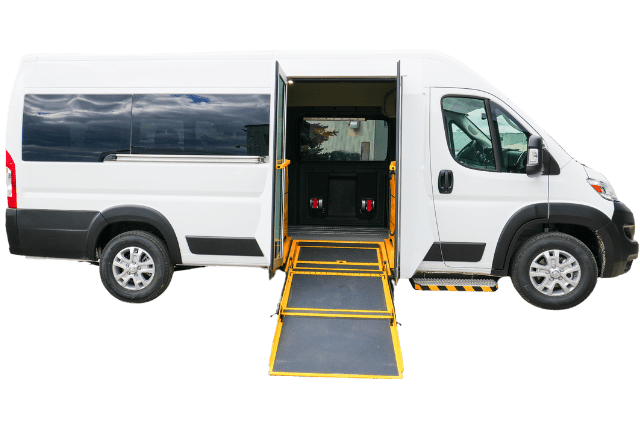
A dedicated medical transport van can be designed with the passenger in mind. It can include proper wheelchair securement, easier entry, more space, better seating, and room for a support person. The goal is simple: make the trip safer and more respectful.
What does better support look like in a medical transport van?
The right setup depends on your community and the type of travel you handle most often. Some people need wheelchair access. Some need room for a caregiver. Others need space for bags, mobility devices, or medical equipment.
A better medical transport van may help with:
- Wheelchair securement: Passengers can ride with proper safety equipment.
- Easier entry: Ramps or lifts can reduce difficult transfers.
- More room: Passengers and support staff have space to move.
- Safer seating: Riders can sit in a position that supports longer travel.
- Better planning: Staff can match the vehicle to the person’s mobility needs.
This doesn’t make a four-hour drive feel short. I wish we had that kind of magic hiding in the glove box. But it can make the ride safer, calmer, and easier to manage.
For many First Nations and Indigenous communities, that’s the real consideration. If people are getting to care but arriving worn down, sore, or stressed from the ride, the transportation plan may need a closer look.
The next consideration is growth, because safety concerns often become harder to manage when demand keeps rising.
3. Growth
A medical transport van may be worth considering when your transportation needs have grown, but your vehicle plan hasn’t grown with them.
This can happen slowly. At first, the current vehicle may cover the basics. It handles local appointments, Elder rides, wheelchair transportation, and the odd longer trip outside the community. Then demand starts to build.
More people need help getting to care. More appointments get booked outside the community. More Elders need safe transportation. More passengers need wheelchair access. Staff may start hearing the same question over and over: “Is the van available that day?”
That’s usually a sign the vehicle is no longer the plan. It has become the bottleneck.
And that’s a hard spot for any team. You may have caring staff, good drivers, and a clear desire to help. But if one vehicle is expected to do too much, even the best team can only stretch so far. At some point, effort alone can’t fix a capacity problem.
When growth creates pressure on the whole system
Growth doesn’t always look like a big announcement or a sudden jump in population. Sometimes it shows up in quieter ways.
Maybe your health team is booking more follow-up appointments. Maybe more patients are being sent to a regional centre for care. Maybe your community is serving more people with mobility needs. Maybe families are asking for help more often because personal vehicles aren’t safe, available, or comfortable enough.
Those changes can add up fast.
Your current vehicle plan may be falling behind if:
- Ride requests are increasing: More people need transportation each week.
- Trips are getting longer: More care happens outside the community.
- Passengers need more support: Wheelchairs, walkers, or medical equipment are more common.
- Staff are spending more time coordinating rides: The schedule takes too much energy.
- The vehicle has little downtime: Maintenance becomes harder to plan.
- Backups are limited: One breakdown can disrupt the whole service.
That last point is important. If your main vehicle is always booked, there’s little room for maintenance, cleaning, weather delays, or unexpected medical trips. The schedule may work on paper, but real life has a funny way of stepping on the clipboard.
How can a dedicated medical transport van support long-term planning?
A dedicated medical transport van can help your community move from “making it work” to building a more reliable transportation plan.
That doesn’t mean every community needs the same vehicle. Some may need a wheelchair accessible van for seated passengers. Others may need a patient transport van with more space for support staff and mobility equipment. Some communities may need a vehicle that can handle longer highway routes, northern roads, or regular trips into larger centres like Winnipeg, Edmonton, Saskatoon, Sudbury, or Vancouver.
The right choice starts with the real demand.
Before adding a dedicated vehicle, it helps to look at questions like:
- How often: How many medical trips happen each week or month?
- How far: How long are the most common routes?
- Who rides: Do passengers use wheelchairs, walkers, canes, or stretchers?
- Who helps: Does a caregiver, driver, nurse, or family member travel too?
- What changes: Are medical travel needs growing year over year?
- What happens now: Who misses care when the vehicle isn’t available?
Those answers can show if your current vehicle plan is still serving your community, or if it’s starting to hold people back.
A dedicated medical transport van is a big decision. It comes with cost, planning, staffing, maintenance, and training. So the goal isn’t to rush. The goal is to make a clear choice before transportation gaps become bigger care gaps.
If demand keeps rising, your community may need a vehicle plan that can grow with it. That way, medical travel becomes more predictable, local rides stay protected, and passengers get the support they deserve.
Got any questions about medical transport vans?

There’s a good chance you landed on this article because your current transportation plan is starting to feel stretched. Local rides, long medical trips, wheelchair access, staff time, and patient comfort may all be pulling on the same vehicle.
After reading this article, you’ve seen that a dedicated medical transport van may be worth considering when scheduling is strained, passenger support is limited, and the demand is growing.
At MoveMobility, we help organizations across Canada think through the full picture before choosing a vehicle. That includes routes, passengers, mobility needs, staffing, service access, weather, and long-term use. Our team builds wheelchair accessible vehicles and mobile medical units with safety, dignity, and real community use in mind. We’re leaders in this industry because we listen first, build with care, and stay focused on the people behind every ride. If you have questions, click the button below to talk to a mobility expert.
In the next article in this series, you’ll learn all about what your community should look for in a long-distance medical transport vehicle.


 English
  French