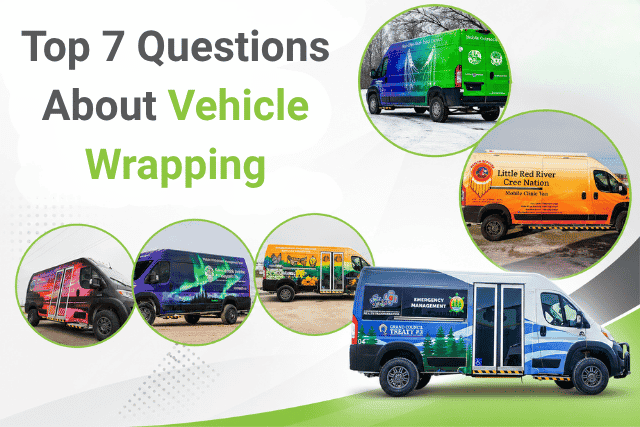
Vehicle wrapping can feel like one more thing on a long list of decisions. You are already thinking about budgets, branding, visibility, and how to make your vehicle stand out in your community. If you choose to keep your wheelchair van or mobile medical unit plain white, there is a good chance people will see it as just another van driving down the road.
That can make it harder for people to recognize your program, trust your services, or remember your name later. A vibrant vehicle wrap helps people instantly know it is you. That matters when your goal is to build trust, raise awareness, and help more people find the support they need. In Canada, where many organizations serve large rural areas or busy cities, your vehicle can become one of your strongest marketing tools.
Au MoveMobility, we have spent more than 20 ans helping organizations across Canada remove barriers to healthcare and transportation. Over the past three years alone, we have built more than 480 fourgons pour fauteuils roulants et 180 unités médicales mobiles. We are certified through the Ford Pro Upfitter and Stellantis programs, carry the Marque nationale de sécurité, and were named a recipient of the DARE Innovation Awards. We know there are other manufacturers out there, so this article is here to give you clear answers, not a sales pitch.
Dans cet article, vous apprendrez
- What is vehicle wrapping
- Are vehicle wraps permanent
- Can vehicle wraps be removed
- How to remove a vehicle wrap
- Are vehicle wraps durable
- Do vehicle wraps damage paint
- Is wrapping a vehicle cheaper than painting
*Keep in mind that any costs mentioned in this article are just estimates and subject to change.
7 common questions about vehicle wrapping
Vehicle wrapping can seem simple at first. You pick some colours, add your logo, and hit the road. Still, most organizations quickly realize there is more to it than that.
You may be wondering how wraps work, how long they last, or if they can damage your paint. These are smart questions to ask before you invest in a branded wheelchair van or mobile medical unit.
If you prefer to watch instead of read, check out the video below!
1. What is vehicle wrapping?
What is vehicle wrapping? It’s the process of applying large sheets of printed vinyl to the outside of your vehicle. These vinyl sheets act like a skin over the original paint. They can include your logo, colours, photos, contact information, taglines, or custom artwork.
Vehicle wrapping gives you the chance to turn a plain van into something people recognize right away. That matters when your organization depends on trust, visibility, and community awareness.
For example, imagine a camionnette médicale mobile parked outside a community centre in rural Manitoba. A plain white van may not catch much attention. A wrapped van with bright colours, your logo, and words like “Mobile Health Clinic” can help people feel more comfortable walking up and asking for help.
Most vehicle wraps are made from durable vinyl material and can cover:
- The full vehicle
- Part of the vehicle
- Doors or rear panels only
- Windows with see-through graphics
- Simple logos and lettering
Pensez-y de la manière suivante : A vehicle wrap works a bit like a billboard that moves. It helps people remember your name while you drive through town, park at an event, or visit clients.
For organizations across Canada, vehicle wrapping can make a wheelchair van or mobile medical unit feel more professional, easier to recognize, and more connected to the people you serve.
2. Are vehicle wraps permanent?

Another common question customers ask is, are vehicle wraps permanent? The short answer is no. Vehicle wraps are designed to stay in place for years, but they’re not permanent.
Most high-quality wraps last between 6 and 8 years before they start to show wear. In some cases, they can last even longer if the vehicle is parked indoors, cleaned properly, and protected from long hours in the sun.
That is good news for organizations because it gives you flexibility. Your program may grow, your logo may change, or you may want to update your branding down the road. A wrap gives you the chance to refresh the look of your vehicle without repainting the entire van.
For example, a seniors transportation program in Ontario may start with a simple logo and phone number on its van. A few years later, the organization may add new funding partners, a website address, or a second service area. A removable wrap makes those changes much easier.
A high-quality wrap is built to handle Canadian weather, but things like road salt, UV rays, and freezing temperatures can still affect it over time. That is why many wraps include a UV-protectant laminate. This top layer helps slow fading and keeps colours looking brighter for longer.
At MoveMobility, your 5-year prorated vehicle wrap warranty covers common concerns like:
- Peeling
- Cracking
- Bubbling
That means you can feel more confident knowing your wrap is designed to last, but also designed to come off when the time is right.
3. Can vehicle wraps be removed?
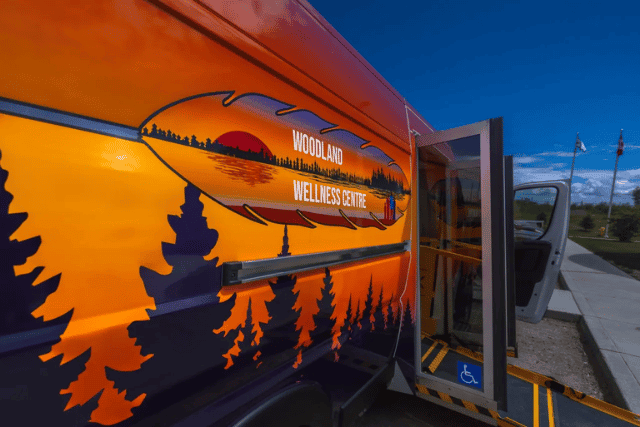
Yes, vehicle wraps can be removed. In fact, most wrap films used for fleet and commercial vehicles are designed to be removable rather than permanent. 3M says wraps can be removed cleanly within the warranty period.
That matters if your organization changes its logo, adds a funding partner, updates contact information, or moves into a new service area. A wrap gives you room to evolve without repainting the van every time your program grows. For a wheelchair van or mobile medical unit, that flexibility is a big plus. One year, you may want simple branding. A few years later, you may need a full redesign that better reflects your services.
Here’s the part that matters most: removal should be done the right way. 3M recommends professional removal, and notes that heat or chemicals may be needed. Clean removability depends on proper removal methods and the condition of the surface underneath, which you’ll learn more about in the next section.
A few things can affect how easy removal will be:
- Age: Older wraps can become harder to remove.
- Sun exposure: Strong UV and heat can make vinyl more brittle over time.
- Paint condition: Factory paint in good shape usually gives the best result.
- Installation quality: A properly installed wrap is usually easier to remove later.
A good way to think about it is this: a wrap is meant to stay put while you need it, then come off when your branding changes. So yes, vehicle wraps can be removed. You just do not want your maintenance manager attacking it with a scraper on a cold February morning. A pro will make life much easier.
4. How to remove a vehicle wrap
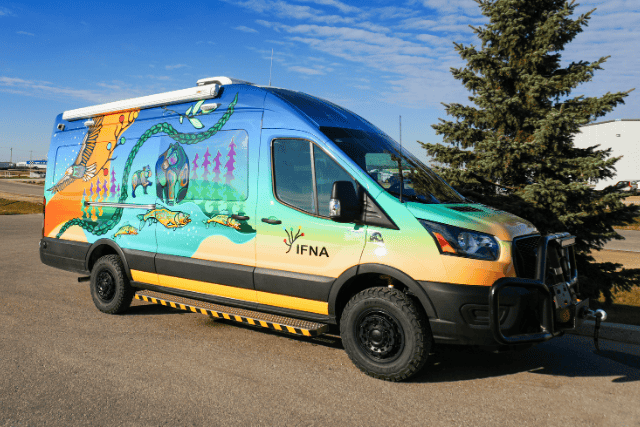
Removing a vehicle wrap depends on the wrap’s age, the weather, and how it was installed. In most cases, the safest way is to use gentle heat, peel the vinyl slowly, and clean off any leftover adhesive.
Professional removal is always the best option, especially for larger wheelchair vans and mobile medical units. A full wrap can take several hours to remove, and rushing the process can damage the paint underneath.
Here is the basic process most professionals follow:
- Warm the vinyl with a heat gun or steamer
- Start at a corner or edge
- Peel the wrap back slowly at about a 45-degree angle
- Reheat stubborn sections as needed
- Remove leftover adhesive with an automotive adhesive remover and a microfiber cloth
- Wash and inspect the vehicle once the wrap is off
The heat is what makes the biggest difference. Warm vinyl becomes softer and easier to pull away from the vehicle. Most experts recommend working in small sections and keeping the heat source moving so one spot does not get too hot. Too much heat can make the vinyl tear or leave more glue behind.
A plastic scraper can help lift the edges of the wrap, but metal tools should be avoided because they can scratch the paint. If adhesive remains, products made for vinyl wrap removal usually work better than household cleaners.
A good rule: If the wrap is more than five years old, has been exposed to years of Canadian winters, or covers a large van, professional removal is worth the cost. It can save you hours of work and help protect the paint underneath.
5. Are vehicle wraps durable?
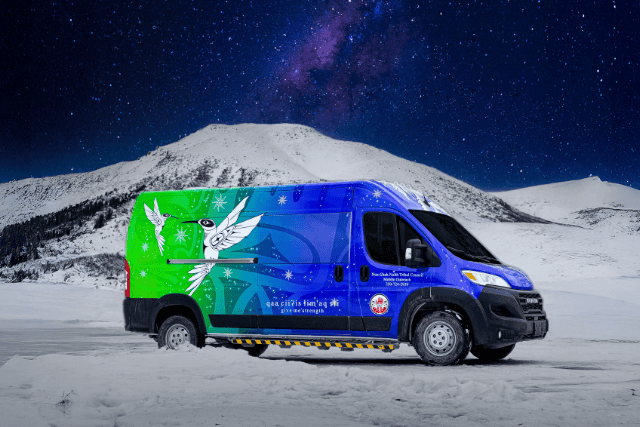
Are vehicle wraps durable? Yes, high-quality vehicle wraps are very durable when they are installed properly and cared for over time.
Most premium wraps last 6 to 8 years, though some may wear sooner depending on weather, sun exposure, and how often the vehicle is on the road. Brands like 3M make wrap materials that are built to handle snow, rain, road salt, gravel, and everyday driving.
That matters in Canada, where your van may deal with everything from icy roads in Alberta to salt-heavy winters in Ontario.
A good wrap adds a layer of protection over the paint and can help reduce wear from:
- Small scratches
- Stone chips
- Road salt
- UV rays
- Dirt and stains
Many wraps also include a UV-protectant laminate. This top layer helps slow fading and keeps colours looking brighter for longer. That can make a big difference if your vehicle spends a lot of time parked outside at hospitals, shelters, schools, or community events.
For example, a wrapped mobile medical van in Saskatchewan may still look sharp years later if it is cleaned regularly and parked indoors when possible. A van that sits outside every day in direct sunlight and is rarely washed may start to show wear faster.
One thing to keep in mind: The roof and hood often wear faster than the sides of the vehicle because they get more direct sunlight and weather exposure.
Overall, vehicle wraps are durable enough for organizations that rely on their vehicles every day.
6. Do vehicle wraps damage paint?
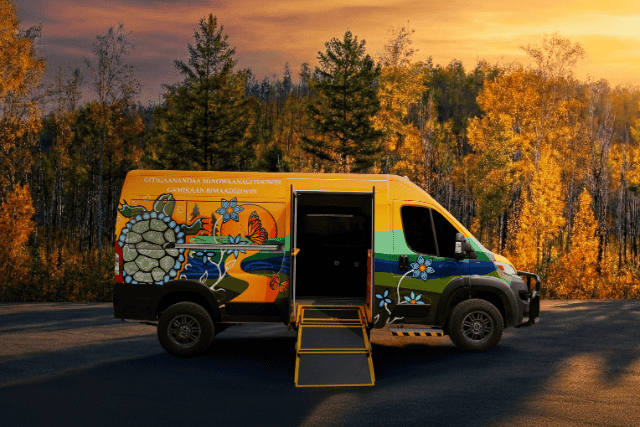
In most cases, no. A professionally installed wrap over factory paint in good condition should not damage the underlying surface. In fact, many wraps help protect paint from UV rays, road salt, dirt, small scratches, and stone chips.
That’s actually one reason many organizations choose a wrap for wheelchair vans and mobile medical units. A wrap can help preserve the original paint while also giving your vehicle a more recognizable look in the community.
Still, there are a few situations where paint damage can happen. Most of the time, the problem is not the wrap itself. It is the condition of the paint underneath or how the wrap is removed.
Paint damage is more likely if:
- The paint was already chipped, cracked, or peeling
- The vehicle was repainted with low-quality paint
- The wrap is left on too long
- The wrap is removed too quickly or without heat
- Low-quality vinyl or poor installation methods were used
For example, if a van has factory paint in good shape and the wrap is removed within its normal lifespan, the paint usually stays in great condition. On the other hand, if the paint is already failing, the wrap may pull up loose areas during removal.
A good rule: If your vehicle already has peeling paint or rust spots, fix those areas before wrapping it.
Most premium wraps are designed to come off cleanly within about 6 to 8 years. After that, the adhesive can harden, which may increase the chance of paint damage during removal.
Overall, a high-quality wrap applied by experienced installers is more likely to protect your paint than damage it.
7. Is wrapping a vehicle cheaper than painting?

To do a fully customized paint job on your vehicle, you’ll be looking at around $15,000.
For a wheelchair van or mobile medical unit in Canada, a full vehicle wrap can cost up to $12,000, depending on the van’s size, coverage, window graphics, and design complexity. A simple partial wrap with logos and lettering will cost less. A full wrap with custom artwork, bold colours, and window perforation will cost more.
A standard white paint job for a commercial van is usually less expensive than a fully customized job. Most quality paint jobs for wheelchair vans and mobile medical vans in Canada fall between $4,000 and $8,000. So, if your goal is simply to change the vehicle’s colour, paint is often the cheaper option.
Still, cost is only part of the conversation.
A wrap gives you something paint usually cannot. It turns your vehicle into a moving advertisement for your organization.
You can include:
- Your logo
- Contact information
- Site web
- Service area
- Photos or graphics
- Messages about your programs
For example, a plain blue van may look nice, but a wrapped van with your logo, website, and a message about accessible transportation or mobile healthcare can help more people recognize your organization right away.
A good way to think about it: Paint changes the colour. A wrap changes the way people see your organization.
Got any questions about vehicle wraps?
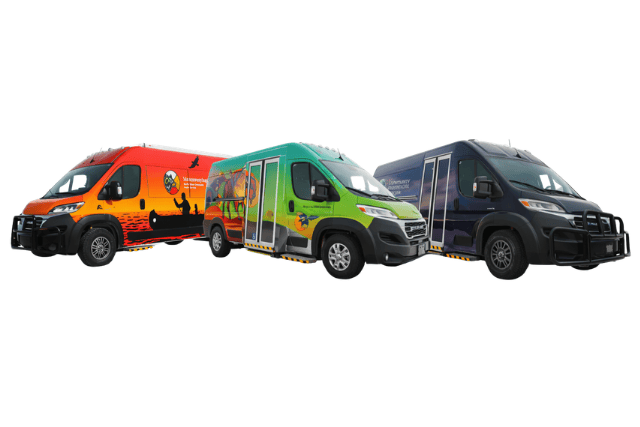
You came to this article because you want your vehicle to stand out, build trust, and help more people recognize your organization. At the same time, you want to avoid spending money on something that may not last, damage your paint, or create more work later.
After reading this article, you now know all about the seven most common questions about vehicle wraps.
Au MoveMobility, we’ve spent over two decades helping organizations like yours across Canada create vehicles that remove barriers to healthcare and transportation. We have worked with organizations in urban centres, rural communities, and remote First Nations regions where visibility, trust, and awareness can make a huge difference.
Our team listens first, learns about your goals, and then helps you build a vehicle that reflects who you are and what you do. At the end of the day, your van is often the first thing people see. We want it to tell the right story. If you have questions about vehicle wrapping, wheelchair vans, or mobile medical units, click the button below to talk to a mobility expert.
If you are not ready to talk to a mobility expert yet, here are a few other resources that can help.
Lectures recommandées
- What is the difference between vehicle decals and vehicle wraps? Learn all about the differences between vehicle decals and wraps.
- What are the colour choices for accessible vans? See how colour can affect visibility, branding, and how people recognize your organization.
- Quels sont les coûts et les possibilités de personnalisation d'un fourgon médical mobile ? Get a better idea of what you can customize on your van and how those choices can affect cost.


 English
 French