Saviez-vous que nearly 48% of people with disabilities in Canada still face major barriers when they try to use daily transportation? It’s a heavy number, especially when you’re a leader at a transit group or a First Nations community trying to fix that gap.
You’re likely feeling the weight of your passengers’ needs and the stress of a tight budget. It makes searching for used wheelchair vans for sale in Ontario feel like a smart way to save money. But it’s scary when a “good deal” might leave your riders stranded in a Toronto or Winnipeg snowstorm. You want to give your community freedom and dignity, but you’re worried that a used van might have hidden problems that hurt the very people you’re trying to help.
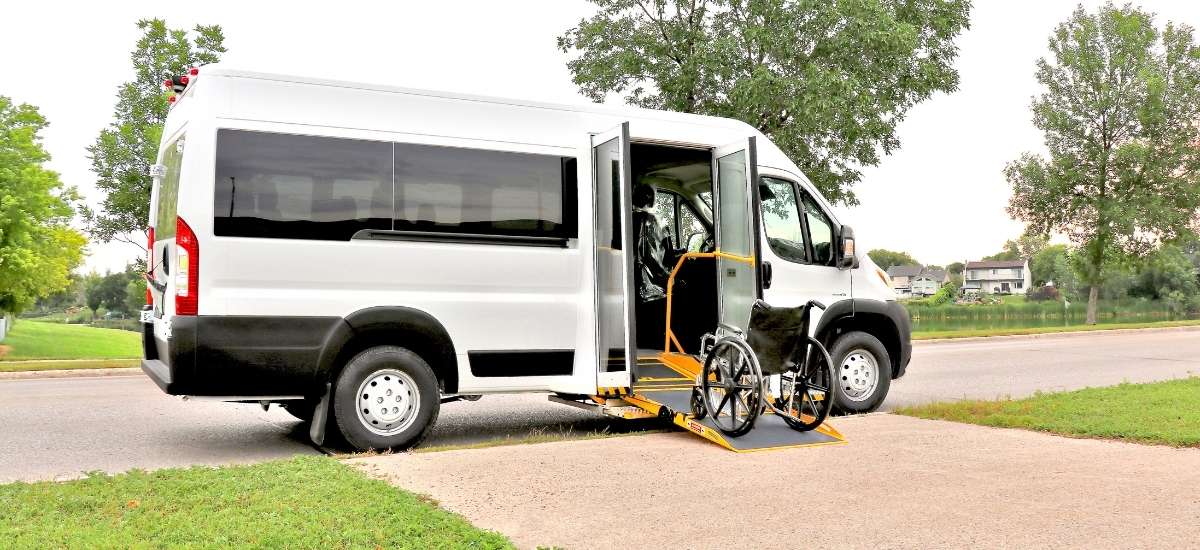
MoveMobility has been a leader in the Canadian transportation world for over 20 ans. We’ve manufactured over 480 wheelchair vans and 180 mobile medical units in the last 3 years alone. We’re also the proud recipient of the Prix d'innovation DARE 2026. Our team holds certifications like the Ford Pro Upfitter program and the Marque nationale de sécurité. While we’re proud of our work, we know we aren’t the only manufacturers, and our goal behind this article is to help you make the best choice.
In this article, you’ll learn about five potential issues with buying a used wheelchair van in Ontario:
- Hidden mechanical or electrical problems
- Old or glitchy ramp systems
- Higher maintenance costs over time
- Missing safety certifications
- Limited floor plan options
What are the 5 problems with purchasing a used wheelchair van for sale in Ontario?
Finding a way to get your community members to their doctor appointments or grocery runs shouldn’t feel like a guessing game. While used wheelchair vans for sale in Ontario look like a great way to stretch your budget, they often come with a few bumps in the road that can slow your mission down. Transitioning from a place of uncertainty to a reliable transport plan starts with knowing what could go wrong before you sign any papers.

1. Hidden mechanical or electrical problems
When you’re looking at used wheelchair vans, it’s easy to focus on how clean the seats look or if the paint is shiny. The tricky part is that mechanical or electrical issues love to hide where you can’t see them during a quick five-minute test drive. You might feel like you’ve found the perfect deal in Mississauga, only to have the van refuse to start a month later when a passenger is waiting in the cold. It’s a frustrating gap between the “budget-friendly” dream and the reality of a vehicle that won’t move.
When you’re purchasing a used vehicle, these risks are simply higher than if you bought something brand new. Since used wheelchair accessible vans often have thousands of kilometres on them, the wiring for the wheelchair lift, or parts related to the engine, are naturally closer to wearing out. These problems don’t always show up on day one, but they often appear down the road when you need the van. This uncertainty can leave your team feeling stressed, and your passengers feeling let down.
Here are a few common hidden issues that often pop up later:
- Battery drain: Older electrical conversions that weren’t grounded properly can slowly kill your battery.
- Glitchy sensors: Parts in the floor or doors can fail after years of exposure to Ontario salt.
- Transmission wear: This often becomes obvious only when the van is fully loaded with passengers.
- Frayed wiring: Wires hidden behind interior panels can lead to expensive shorts over time.
Learning about these risks early on helps you prepare for the reality of keeping an older vehicle on the road. The reliability of the equipment used to get passengers inside the van safely is another major concern that follows these hidden mechanical issues.
2. Old or glitchy ramp systems
A rampe or lift is the heart of any wheelchair van for sale in Ontario, but on a used model, that heart might be tired. These systems face a lot of abuse from our harsh Canadian winters. When you’re looking at used wheelchair accessible vans, the ramp might look fine at a glance, but the real test happens during daily use. It’s incredibly frustrating for a driver to struggle with equipment that doesn’t want to cooperate.
Imagine you’ve just picked up a used van for your adult daycare in Toronto. You go to pick up your first passenger, and as you press the button, the powered lift lets out a loud, ear-piercing screech. It’s embarrassing for the driver and, frankly, quite scary for the person waiting to get on board. This doesn’t build confidence in your riders; it makes them feel like their safety is an afterthought.
What are some challenges with older equipment?
Manual ramps can have their own set of problems, too. You might find a used wheelchair van where the manual ramp is so rusty and stiff that it requires a lot of muscle just to fold it down.
This can lead to:
- Driver burnout: Physical strain from fighting with rusted equipment every single day.
- Slower routes: Taking several minutes to coax a ramp open means you’re falling behind schedule.
- Safety risks: A ramp that doesn’t lock into place properly can shift while a passenger is moving.
Using equipment that feels like it’s on its last legs takes away the dignity of the experience. Dealing with these equipment hiccups often leads to the next big problem, which is the mounting cost of keeping everything running.
3. Higher maintenance costs over time
Buying used wheelchair vans for sale in Ontario might feel like a win for your budget on day one. It’s easy to get excited about the lower price tag, especially when you’re trying to make every dollar count for your community. However, those initial savings can disappear quickly when the repair tax kicks in. Older vehicles often come with a history of hard work, and that wear and tear eventually catches up to the bank account.
You might find that the money you saved upfront is slowly drained by frequent trips to the mechanic. This is a common gap for many organizations that didn’t plan for the high price of specialized mobility parts. Because these vans aren’t standard vehicles, fixing a broken lift or a kneeling system is much more expensive than a typical car repair.

What’s the hidden price of aging fleets?
When your van is in the shop, it’s not just the repair bill that hurts. The real cost is the lost connection for the people you serve. If your only used wheelchair accessible van is sitting on a hoist in Mississauga for a week, your passengers are stuck at home. That’s a heavy emotional price to pay for a “cheaper” vehicle.
- Specialized labor: Not every mechanic knows how to work on complex mobility conversions.
- Part availability: Finding a replacement motor for a ten-year-old lift can take weeks.
- Frequent breakdowns: Older vans usually need more oil changes, brake jobs, and suspension work.
- Emergency rentals: You might have to rent a temporary van just to keep your program running.
It’s hard to stay focused on your mission when you’re constantly worried about the next flashing light on the dashboard. This financial stress often points to another hidden risk that can be even more serious, which is the status of the vehicle’s safety certifications.
4. Missing safety certifications
Sécurité is the most important thing when you’re carrying vulnerable people, and sometimes a used wheelchair van is missing the right paperwork. When a vehicle is modified from its original factory state, it needs to be recertified to prove it still meets Canadian safety standards. You might find used wheelchair accessible vans for sale that look great, but they lack the specific legal stamps required to operate as a commercial or transit vehicle in Ontario.
The biggest thing to look for is the National Safety Mark (NSM). This is a maple leaf-shaped logo with a unique manufacturer code in the center. It’s like a stamp of approval from Transports Canada showing that the company that modified the van followed all the rules. If you buy a used wheelchair van without this mark, you’re taking a huge gamble on the safety of your passengers.
Why is the National Safety Mark so important?
Without proper certification, you could face some serious gaps in your operation. It isn’t just about a sticker; it’s about knowing that the floor won’t fail or the wheelchair tie-downs will actually hold during a sudden stop. If you’re a transit organization or a First Nations community, missing these certifications can lead to:
- Insurance denials: Some companies won’t cover a modified vehicle that doesn’t have an NSM.
- Legal liability: If an accident happens in a non-certified van, your organization could be held responsible.
- Failed inspections: You might not be able to get the vehicle plated or pass a mandatory commercial safety inspection.
You want your riders to feel safe and respected every time they enter your vehicle. Choosing a van without clear safety proof puts a gap between your mission and the actual protection you provide. This lack of certainty can also extend to how the van is actually set up inside, which leads to our final potential issue.
5. Limited floor plan options

When you look at used wheelchair vans for sale in Ontario, you’re often looking at a snapshot of someone else’s past needs. You simply don’t have the same flexibility that you do with purchasing a new vehicle. You’re stuck with whatever the previous owner or organization decided was best for them. While their floor plan might have worked perfectly for a small family in London, it might not work for your transit group that needs to carry three wheelchairs at once.
This creates a frustrating gap between what you need to do and what your van actually allows you to do. If you’re a First Nations community trying to transport elders, a layout with narrow aisles or awkward seat placement can make the journey feel cramped and undignified. You want your passengers to feel empowered and comfortable, but a mismatched floor plan can make every trip a struggle for both the riders and the driver.
Why is customization ideal for your program?
Unless your program is built exactly like the previous owner’s, you might find yourself wishing you could move a seat or add a different tie-down system. With used wheelchair accessible vans, what you see is what you get.
This lack of choice can lead to:
- Reduced capacity: You might only be able to fit one wheelchair when your community really needs space for two.
- Wasted space: Large areas of the van might be unusable for your patients’ specific medical gear or supplies.
- Loading delays: If the lift is in the wrong spot for your specific loading zone, every stop takes longer.
- Poor passenger flow: Seniors or people with limited mobility might find it hard to navigate around fixed seating.
Choosing a van is about more than just finding a set of wheels. It’s about finding a tool that fits your unique mission of removing barriers to healthcare and transportation. When you can’t pick the layout, you’re fitting your people into a van, rather than fitting the van to your people.
Got any questions about used or new wheelchair vans for sale in Ontario?
You likely started reading this article because you’re looking for a way to help your community members get around without breaking the bank. It’s a tough spot to be in when you want to provide freedom and dignity, but have to stick to a very tight budget.
After reading this, you now know that:
- Used vans often hide mechanical glitches or expensive repair needs that aren’t obvious at first.
- Older ramp systems and limited floor plans can make daily operations stressful for your drivers and riders.
Au MoveMobility, we believe that every person in Canada deserves a safe and comfortable ride, no matter where they live. We’ve spent over two decades listening to transit leaders and health teams to build vehicles that truly solve the gaps in our healthcare system. Our team is obsessed with the small details that make a big difference, from the way a ramp feels to the safety of every seat. We’re leaders in this industry because we care about the person in the chair, not just the van they’re sitting in. If you have any questions about how to navigate these choices, click the button below to talk to a mobility expert.
If you’re not ready to talk to a mobility expert yet, we have a few other resources you’ll want to check out to learn more.
Que devriez-vous lire ensuite ?
- What are the 5 benefits of purchasing a new wheelchair van? This article helps you compare the long-term value and reliability of a brand-new vehicle against the used options we discussed today.
- Comment obtenir plus de financement pour votre camion-fourgonnette pour personnes à mobilité réduite : If the cost of a new van feels out of reach, this guide shows you where to find financial support to help bridge that gap.
- Comment choisir un fauteuil roulant (11 étapes) : This resource gives you a clear roadmap to make sure the vehicle you eventually pick actually fits your program’s unique needs.

 English
 French