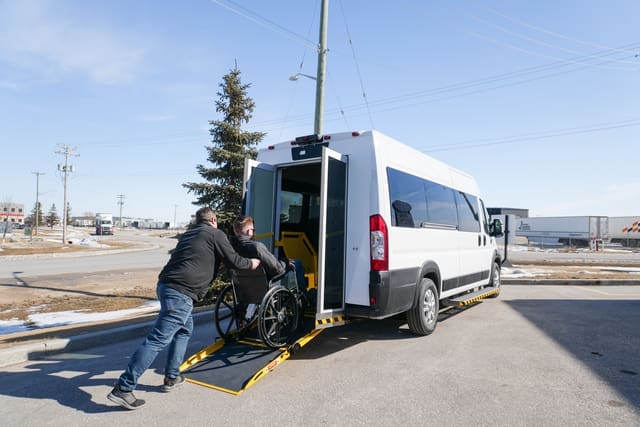
Are you looking for wheelchair accessible vans for sale in Manitoba, hoping to snag a deal? It is tempting to save budget for your organization. But there’s often a gap between a low price and reliability. Imagine that older van breaking down near Winnipeg in -30°C weather. That stops you from getting people to appointments. You deserve a vehicle that removes barriers rather than creating them.
We have spent over 20 ans à MoveMobility building vehicles that remove barriers to transportation and healthcare, saving lives. Our vehicles hold the Marque nationale de sécurité, ainsi que Ford QVM and Stellantis QPro certifications. We have manufactured over 150 mobile medical units and helped partners like Keewatinohk Inniniw Minoayawin serve their people. We know we aren’t the only manufacturer, but we want to share honest information to help you make an informed choice.
In this article, we will look at five big issues with buying an older wheelchair van in Manitoba:
- Increased maintenance costs
- Outdated safety features
- Downtime
- No warranty coverage
Five problems with purchasing an older wheelchair accessible van for sale in Manitoba
When you look at older wheelchair accessible vans for sale in Manitoba, it can feel like a quick win. The price looks friendly. The van looks “good enough.” The hope is that it will get the job done for a few more years. This section walks you through the five big issues that catch most buyers off guard. These problems show up in real-world moments across Manitoba, from downtown Winnipeg to rural communities that rely on every trip to count.
Let’s start with the one that hits budgets the hardest.
1. Increased maintenance costs with older wheelchair accessible vans for sale in Manitoba
Older vans often look fine on the outside, but inside, you may be inheriting someone else’s long list of problems. When you buy used wheelchair vans in Manitoba, you rarely get the full history. You might get a few service papers and a friendly “it runs great,” but that doesn’t tell you how many winters it sat idling at minus thirty or how many times the lift groaned through heavy use. This is where maintenance costs creep in fast.
Manitoba’s climate makes everything tougher on vehicles. Salt from winter roads wears out frames. Deep freezes strain electrical systems. Rough gravel routes near places like Cross Lake or Lynn Lake shake apart aging parts. When a van is already past its prime, your team becomes responsible for every hidden issue that shows up next.
Where do the extra costs come from?
- Old lift systems: Hydraulic lifts weaken with age. Seals crack. Motors slow down. Repairs can take vans off the road for days.
- Rust damage: Manitoba roads are hard on metal. Rust shows up under flooring, around door sills, and near lift mounts. Hidden rust can turn into expensive structural repairs.
- Electrical problems: Older wiring struggles in cold weather. Loose connections affect heaters, lights, tie-downs, and interlocks. These aren’t simple fixes.
- Suspension wear: Years of transporting riders and equipment break down shocks and leaf springs. This creates rough rides that decrease comfort and safety.
- Outdated safety equipment: Tie-downs age, tracks loosen, and belts wear out. Replacing these adds ongoing cost, especially when the van wasn’t built for modern systems.
When these costs pile up, the savings you thought you were getting fade fast. Instead of a dependable wheelchair van Manitoba programs count on, you get a van that eats your time and money. You also get more downtime, more cancelled trips, and more stress on your drivers. The gap becomes clear. You wanted reliability, but you ended up fighting repairs.
This is why many teams across the province shift away from older vans. They want predictable costs and steady service. They also want to give people rides that feel safe and dignified. In the next section, we’ll look at another issue that connects closely to maintenance problems: unexpected downtime.
2. Outdated safety features in older wheelchair accessible vans for sale in Manitoba
Older wheelchair accessible vans for sale in Manitoba often come with safety systems that were fine ten or fifteen years ago, but today they fall short of what your riders need. When your team transports people with mobility challenges, you’re carrying more than passengers. You’re carrying trust. You want every ride to feel steady and safe. When an older van enters your fleet, that trust can be shaken fast.
Think about the people you serve. Maybe it’s seniors in Dauphin heading to their medical appointments, youth in Portage la Prairie getting counselling support, or adults with complex needs in Steinbach who count on reliable securement each time they travel. When a lift sticks or a belt slips, your riders feel it. Your team feels it too. These moments create anxiety, interrupt service, and increase liability. That’s why outdated safety features are one of the biggest gaps hidden inside older vans.
What safety features could be compromised?
- Old tie-down systems: Older belt systems stretch over time. Tracks loosen. Buckles wear out. When that happens, wheelchairs shift during transport. Even a small shift can create injury risk, especially on rough rural roads.
- Lift interlock problems: Modern vans have interlock systems that stop the van from moving when the lift is in use. Older models may have basic or unreliable versions. If an interlock fails, your driver has to catch that mistake before anything moves.
- Outdated lift safety rails: Many older lifts lack the updated side rails and barriers that help prevent roll-off incidents. In icy Manitoba conditions, that gap becomes even more serious.
- Old flooring and tracking: Older flooring tends to weaken over time. Moisture from slush and heavy winter boots gets underneath, softening the subfloor and loosening tracking. This affects securement and stability.
- Aging braking and stability features: Modern vans come with advanced stability systems. Older vans may lack this technology, which affects control on snowy highways like the stretch between Brandon and Neepawa.
- Limited visibility and lighting: Poor interior lighting makes securement harder for drivers. Older rear-view and side-view systems also make it tougher to back up safely in tight spots.
Once these issues appear, your liability increases. A simple securement slip can lead to injuries. A lift malfunction can lead to an incident report and a long investigation. A braking problem can turn into a roadside emergency. These concerns affect your riders, your team, and your reputation.
Quand safety features fall behind, the gap becomes clear. You want to protect people and offer a smooth experience. Instead, you’re managing avoidable risks. These risks slow you down and spread worry across your team.
Next, we’ll look at how these outdated features connect directly to another costly challenge: unexpected downtime.
3. Frequent downtime
Downtime hits hard when you’re running older wheelchair accessible vans for sale in Manitoba. It sneaks up on you at the worst moments. Maybe it’s during a morning pickup in Thompson or in the middle of a snowy day in Winkler. Maybe it’s right before a dialysis appointment in The Pas. When a van breaks down, everything comes to a stop. Riders miss care. Staff scramble. Your whole schedule shifts.
Used wheelchair vans in Manitoba often come with wear you can’t see at first.
- Parts are older
- Systems are slower
- Repairs take longer
When a van is down, your team works twice as hard to keep service running. Drivers reroute. Coordinators make apology calls. Riders wait longer in the cold. This downtime adds stress to everyone involved, and it usually shows up more often than buyers expect.
Here’s why older vans tend to spend more time off the road:
- Hidden mechanical wear: Engines, transmissions, and drivetrains have already lived hard lives. Manitoba cold snaps make this worse. Older parts fail without warning.
- Lift breakdowns: Worn lift motors and sensors don’t give much notice. A sudden failure means cancelling trips.
- Slow parts availability: Older models use parts that shops need to order. Rural communities near places like Flin Flon or Leaf Rapids wait even longer.
- Electrical system failures: Old wiring struggles in extreme cold. A single short can take out the lift, heaters, or even the ignition.
- Heater and AC problems: Climate systems in used wheelchair vans in Manitoba are under constant strain. Once they fail, comfort and safety drop.
- Recalls and compliance delays: Older vans sometimes fall under past recalls or outdated guidelines. Fixing these takes time and keeps the vehicle parked.
Every hour of downtime affects your riders. They count on steady service for appointments, social programs, and daily routines. When a van sits in a repair bay, those plans fall apart. This creates frustration, disappointment, and worry for the very people you want to support.
Your team feels the impact too. Backup vehicles get stretched. Drivers get rushed. Managers spend more time coordinating around the gap instead of serving people.
4. No warranty protection on used wheelchair vans
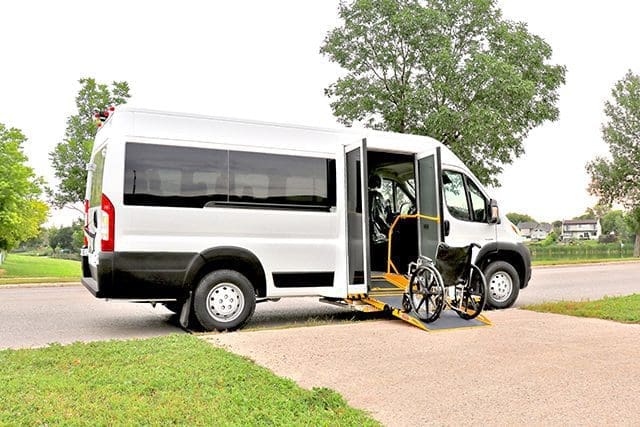
A garantie is something you don’t think about until the moment you need it. When you buy older wheelchair accessible vans for sale in Manitoba, that safety net is usually long gone. Without it, every repair, every part, and every unexpected breakdown becomes your full responsibility. That pressure adds up fast, especially when your team already works hard to keep people moving.
Think about how your service runs on a normal day. You have medical appointments to reach in Winnipeg, community programs starting in Selkirk, and riders in Morden counting on you for work or day program transport. When something goes wrong, a warranty would normally soften the blow. But with older vans, you’re on your own. This creates a big gap between what you hope you’re buying and what you actually get.
Here’s how the lack of warranty affects used wheelchair vans in Manitoba:
- Full repair costs land on you: Even simple repairs like lift switches or heater blowers add up. Bigger issues like transmission failures hit your budget hard.
- No coverage for hidden problems: Older vans often hide wear you can’t see at purchase. Rust under the flooring, failing lift hydraulics, or old electrical issues show up later and come straight out of your operating budget.
- More risk for rural programs: Communities outside major centres like Churchill, Gillam, or Clearwater Lake have fewer repair options. Without warranty coverage, delays and higher local shop rates become common.
- No support for accessibility equipment: Lifts, ramps, interlocks, restraints, and flooring systems all break down over time. Replacing these without coverage is expensive.
- Limited protection for your schedule: When a problem takes your van off the road, a warranty helps speed up repairs. Without one, you wait longer, pay more, and face more service interruptions.
- No recourse for past workmanship issues: If the original conversion wasn’t well built, you inherit every flaw. There’s no manufacturer coverage to help correct those issues.
When there’s no warranty, the financial strain can shift how often you can run your service. It can force you to delay maintenance, stretch repairs, or take risks you’d rather avoid. Your team feels the pressure. Your riders feel the impact. And your budget ends up carrying the weight.
5. Outdated layouts
Older wheelchair accessible vans for sale in Manitoba often come with layouts and accessibility systems that worked years ago but fall short of what riders need today. When your team transports people across communities like Brandon, Thompson, or Selkirk, the layout inside the van matters just as much as the mechanical side. Riders feel every bump, every tight corner, and every awkward securement point. When the layout is outdated, comfort and dignity start to fade fast.
Used wheelchair vans in Manitoba often reflect the standards of the time they were built. Those standards have changed. What was considered good accessibility ten or fifteen years ago doesn’t fit what riders expect now. This creates a gap between the experience you want to offer and the experience your riders actually get.
How can an older layout create problems for your passengers and team?
- Tight interior spaces: Some older wheelchair vans weren’t built with modern wheelchair sizes in mind. Power chairs used today in Winnipeg or Dauphin are larger and heavier. When space is tight, safe securement becomes stressful for both riders and drivers.
- Limited seating flexibility: Older vans often can’t switch easily between ambulatory and wheelchair passengers. Your team has to shuffle seats, squeeze in chairs, or turn trips away.
- Narrow doors and ramp angles: Many used wheelchair vans in Manitoba come with door openings that feel cramped and ramps with steep angles. Riders feel unsafe or unsteady during loading.
- Old securement positions: Older track layouts don’t reflect modern standards for passenger spacing. This can lead to awkward placements where wheelchairs block walkways or limit movement inside the van.
- Uncomfortable ride quality: Used and outdated suspension systems in older vans create rough experiences. Riders with mobility challenges feel every shake on bumpy roads in communities like Gillam or Snow Lake.
- Limited storage for equipment: Programs that transport oxygen tanks, walkers, or personal items struggle with older designs. Many older vans don’t have the storage space needed for safe transport.
- Accessibility features that don’t meet current needs: Older grab rails, lighting, seating height, and handholds don’t support passengers the way newer systems do.
These limitations affect comfort and confidence. When riders feel squeezed into tight spaces or have trouble loading safely, trust in your service drops. Drivers feel the pressure too. They spend more time trying to secure chairs, troubleshoot tight spaces, and manage a layout that works against them.
This creates a clear gap for any team using older vans. You want a space that supports comfort, safety, and dignity. Instead, you’re working around limitations that slow down rides and reduce the quality of service.
Curious about choosing safer wheelchair accessible vans for sale in Manitoba?
You came to this article because the low price tag on an older wheelchair accessible van for sale in Manitoba that you were looking at felt a little too good to be true. You wanted to know what risks might be hiding behind the savings and how those risks could affect your riders, your staff, and your service.
After reading this guide, you now know:
- What goes wrong: Hidden repairs, safety gaps, more downtime, no warranty, and outdated layouts.
- What problems it can cause: These problems lead to missed appointments, higher costs, and less comfort for the people you care about.
MoveMobility has supported transit teams across Canada for more than two decades, helping programs upgrade fleets with modern, reliable vehicles that support dignity and safety every day. Our builds meet national safety standards, and our team guides you with real experience instead of pressure.
We’ve helped communities move past the frustrations of older vans and into a future where service feels steady, predictable, and people-centred. We’d be glad to help you get there, too. If you have questions, click the button below to talk to a mobility expert.
If you’re not ready to talk to a mobility expert yet, here are three resources that can help you take the next step:
- Repairing vs. replacing your wheelchair van (pros and cons): A practical breakdown that helps you compare keeping an older van versus upgrading, perfect for teams still weighing long-term costs.
- Combien coûte un camion-fourgon pour fauteuils roulants ?: Gives you a clear picture of pricing so you can plan confidently and understand what shapes the total cost of ownership.
- Comment comparer les devis de location de fauteuils roulants : Helps you feel confident when reviewing quotes by showing you what matters, what’s missing, and what signals great value.


 English
  French