So, how much does it actually cost to install a wheelchair van lift in Canada? If you’ve tried Googling it, you’ve probably seen prices all over the place, which makes planning feel like trying to nail Jell-O to a wall. And that’s a problem. According to Statistics Canada, over 25% of Canadians live with a disability. That’s millions of people who depend on reliable, accessible rides. When budgets are fuzzy, it puts your whole program at risk.
Here’s the problem: Without knowing the cost of a van wheelchair lift installation, it’s tough to budget or apply for funding. And when you wait, the people you serve may face longer trips, missed medical appointments, or even isolation. The better state? You’ve got a clear idea of wheelchair lift van prices, so you can plan, secure funds, and keep your community moving with dignity.
Au MoveMobility, we’ve been doing this work for over 20 ans. We’re trusted by healthcare networks, governments, and non-profits across Canada to design vans that reduce barriers to healthcare and transportation. We take the time to understand your program, because every community is different. And while we’re not the only manufacturer out there, our focus has always been simple: helping you care for people.
Dans cet article, vous apprendrez
- What a wheelchair lift for a van costs to install in Canada
- What impacts van wheelchair lift installation prices
- When a wheelchair platform lift for a van use makes sense
Ready to clear up the confusion? Let’s dive in.
*Keep in mind that all prices mentioned in this article are just estimates and subject to change.
What does it cost to install a wheelchair van lift in Canada?
The cost to install a hydraulic wheelchair van lift into a new wheelchair van at MoveMobility averages around $15,000. You might be wondering, “What goes into that number?” The short answer: Quite a bit. The long answer is where it gets interesting.
Think of it like building a house. A simple 800-square-foot bungalow takes way less labour and materials than a custom-designed luxury home. Installing a wheelchair lift for a van works the same way. Compared to a manual ramp, there are more moving parts, more customization, and more hours of skilled labour involved. And that’s what drives the price.
Breaking down van wheelchair lift installation costs
- Labour: Skilled technicians don’t just bolt a lift onto a van. They cut, weld, wire, and test every piece to make sure it’s safe and smooth. Installation can take dozens of hours, depending on the type of wheelchair platform lift for van use.
- Materials: A hydraulic wheelchair lift for van applications is heavy-duty. It’s designed to safely raise and lower hundreds of pounds multiple times a day. That means specialized hydraulics, reinforced steel, and durable controls that hold up in Canadian weather.
- Customization: Every program is different. Some organizations need extra seating, while others need more space for stretchers or equipment. Adding a wheelchair lift into that mix often means redesigning the floor plan. More complexity means higher costs.
A rampe manuelle costs less. But it doesn’t serve every community’s needs. A ramp might work very well for many organizations across Canada. A hydraulic wheelchair lift for van loading, on the other hand, can handle heavy daily use. It’s easier for staff, safer for riders, and more dignified for people using it.
Imagine loading passengers in a snowstorm in Winnipeg. While loading passengers in that type of scenario can get a little frustrating, a hydraulic wheelchair lift keeps things steady and safe. That’s why many organizations see the higher van lift prices for wheelchairs as an investment in safety and dignity.
How do you decide if a wheelchair lift van is right for your program?

Buying a van with a wheelchair lift is a big decision. The price tag is one part, but the bigger question is whether it’s the right fit for your program. Every organization in Canada has different needs, funding options, and communities to serve. So, how do you know if investing in a wheelchair lift van makes sense for you? Let’s break it down with six considerations.
1. Look at how often the lift will be used
- Daily use: If your team transports multiple riders in wheelchairs each day, a hydraulic wheelchair lift for van use will save time, reduce strain, and keep riders safe.
- Occasional use: If you only have a passenger in a wheelchair once in a while, a simpler option like a manual ramp may meet your needs without the higher price tag.
The gap to think about: a ramp might work today, but if your demand grows, you could find yourself stuck upgrading sooner than planned.
2. Think about the types of mobility devices you’ll carry
Wheelchairs come in all shapes and sizes. So do mobility scooters and power chairs. A manual ramp with a standard weight capacity of around 600 lbs may struggle with heavier bariatric devices, while a wheelchair platform lift for van use is built for heavier loads of up to 1 000 livres.
- Manual wheelchairs: Very manageable with ramps.
- Heavier power chairs/bariatric chairs: Safer with a hydraulic wheelchair lift for van entry due to weight.
If your riders use heavier equipment, investing in a lift upfront prevents damage to your van and keeps everyone safe.
3. Factor in the climate where you operate
Canadian weather is no joke. A van wheelchair lift installation in Halifax faces very different conditions than one in a city like Calgary.
- Snow and ice: Hydraulic lifts perform better in slippery conditions than manual ramps.
- Rain and salt exposure: Coastal areas can wear out metal faster, making quality materials more important.
- Extreme cold: Northern regions may need regular servicing to keep lifts moving.
Le climate where you operate can tip the balance toward a more durable lift system.
4. Budget and funding realities
We get it. You want the best option for your riders, but the budget matters. A wheelchair lift van price can feel steep, but consider what’s at stake. Staff injuries from lifting, missed trips, and breakdowns all come with hidden costs.
Questions to ask about your funding:
- Do you qualify for federal or provincial accessibility grants?
- Is your budget focused on long-term savings or upfront cost?
- Can your community partners help cover part of the investment?
Sometimes, stretching for a hydraulic wheelchair lift for van use saves money down the road.
5. Space and vehicle layout
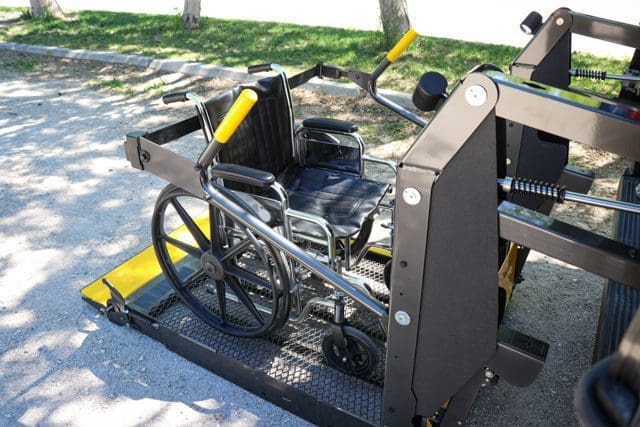
Adding a wheelchair lift changes the layout of your van. Some seating may shift, or storage may need to move. It’s important to picture how the lift will fit into your daily routine.
- Large programs: Often need multiple wheelchair positions and space for staff.
- Smaller programs: Might prefer a van with wheelchair lift for sale that maximizes seating.
If space is tight, working with a manufacturer who understands floor plan design is key.
6. Long-term program goals
Here’s the big-picture question: Where do you want your program to be in five years?
- If demand is growing: A wheelchair lift van positions you to scale without hitting roadblocks.
- If demand is stable or light: A ramp might work fine while keeping costs down.
At the end of the day, choosing between ramps and van lifts for wheelchairs prices isn’t only about today. It’s about where your community is headed.
So, is a wheelchair lift van right for your program? The answer comes down to frequency of use, the types of devices you carry, your climate, budget, and long-term goals. If your program depends on daily transport and wants to support riders with dignity, a hydraulic wheelchair lift for van use is often the best path.
When you weigh safety, respect, and long-term savings, the lift may cost more upfront, but the payoff is measured in smoother rides, fewer risks, and stronger community trust.
Ready to take the next step with your wheelchair van lift?
You came to this article asking one big question: How much does it cost to install a wheelchair van lift in a new wheelchair van in Canada? Behind that question is a bigger worry: Budget, safety, and making the right choice for your riders. Ignoring it can stall your program and keep people from the care and freedom they deserve.
Here’s what you walked away with:
- Cost clarity: The average installation of a hydraulic wheelchair van lift runs around $15,000.
- Factors explained: Labour, materials, customization, and safety all affect the final price.
- Decision points: You now know what to consider when choosing if a lift is right for your program.
Au MoveMobility, we’ve spent well over two decades designing wheelchair vans that empower people across Canada. Our team doesn’t build cookie-cutter solutions. We build around your program, your clients, and your community. From small towns in the Prairies to busy cities like Toronto, we’ve partnered with organizations like yours to remove barriers to healthcare and transportation.
We believe that accessible travel changes lives, and that’s why we’re proud to be a trusted leader in this industry. If you still have questions, click the button below to talk to one of our mobility experts. We’re here to help you every step of the way.
If you’re not ready to talk to a mobility expert yet, we’ve got more resources to help you dive deeper:
- Top 5 problems with wheelchair lifts (with 5 solutions): Perfect follow-up if you want to understand the challenges of lifts and how to avoid costly mistakes.
- How to compare wheelchair van quotes: A natural next step if you’re preparing to get quotes and want to know what to watch for.
- Comment obtenir un financement pour un fourgon pour fauteuils roulants ?: Because once you know costs, the next question is usually, “How can we pay for this?”
 English
  French