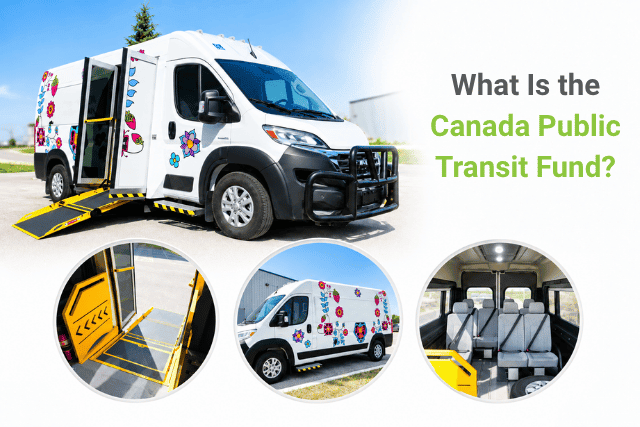
Finding money to improve public transportation can be hard, especially when your community needs better access for people who use wheelchairs. You know people need reliable rides, but buying accessible vehicles or expanding routes takes funding.
The Canada Public Transit Fund is a federal program that helps communities improve public transit and active transportation. It supports projects such as expanding transit fleets, replacing aging vehicles, and making transportation easier to access.
But does your organization qualify? And could the funding help you buy a wheelchair accessible van for your community?
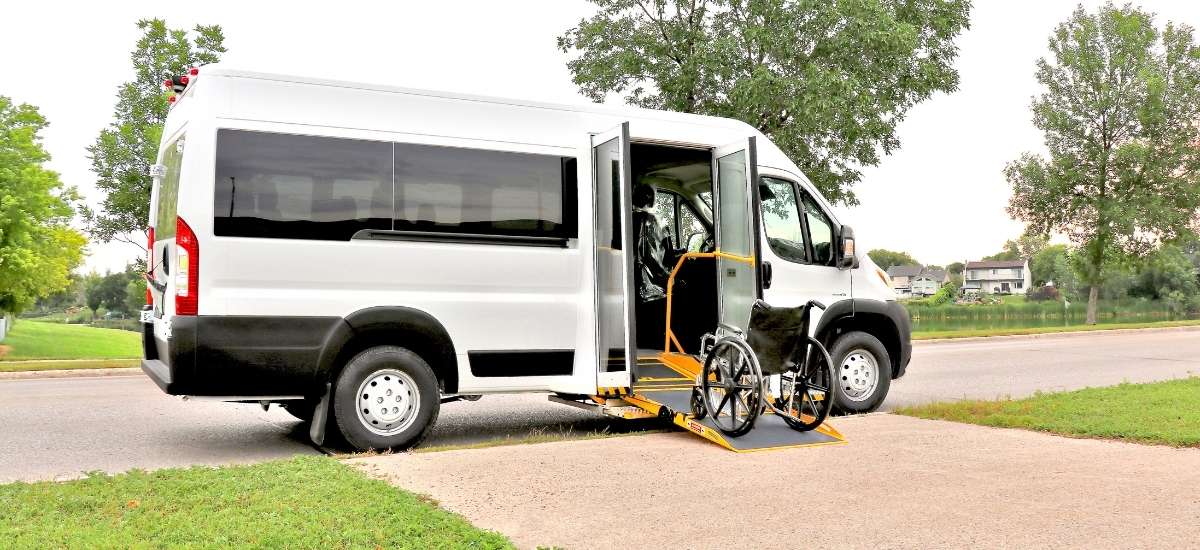
We’ve worked with Canadian transportation providers such as Transdev to help remove transportation barriers. Our experience building accessible vehicles helps us understand why choosing the right vehicle matters when planning a public transit project.
In this article, you’ll learn:
- Funding basics: What the Canada Public Transit Fund covers.
- Eligibility: Which organizations and projects qualify.
- Accessible vans: When wheelchair transportation could fit.
- Applications: How to prepare and find current funding opportunities.
You’ll leave knowing whether this program is worth exploring for your community.
What is the Canada Public Transit Fund?
The Canada Public Transit Fund (CPTF) is a federal funding program that helps Canadian communities build, improve, and maintain public transportation systems.
Launched in April 2026, the fund supports projects such as expanding transit fleets, replacing aging vehicles, and making transportation easier to access. The federal government explains how the program works through its Canada Public Transit Fund overview, including its main funding streams.
For communities struggling with transportation gaps, this funding can help improve access to work, school, healthcare, and other essential services.
What is the goal of the Canada Public Transit Fund?
The fund helps communities build transportation systems that are reliable, accessible, and ready for future growth.
Its main goals include:
- Improve access: Help people travel around their communities with fewer barriers.
- Expand public transit: Support new routes, better services, and improvements to existing systems.
- Support housing: Connect growing neighbourhoods with public transportation.
- Protect the environment: Support cleaner transit options and reduce reliance on personal vehicles.
For communities facing wheelchair transportation challenges, these goals matter. Reliable transit can help people who use wheelchairs attend appointments, visit family, and take part in community activities.
How much funding is available?
The Canada Public Transit Fund was originally announced in 2024 with a commitment of $3 billion annually, starting in 2026–27.
However, Budget 2025 changed the funding structure by moving part of the uncommitted funding to the Build Communities Strong Fund. The original $3-billion annual figure shouldn’t be treated as the unchanged current program budget.
One part of the program remains the Baseline Funding stream, which provides approximately $500 million annually for eligible public transit systems.
Under the federal government’s Baseline Funding requirements, eligible projects can include fleet expansion, infrastructure replacement, and transit planning.
The funding your organization could receive depends on the program stream, your project, and whether you meet its eligibility requirements.
That’s why understanding the different funding streams is important before planning a vehicle purchase or transit expansion.

What types of projects does the Canada Public Transit Fund support?
The Canada Public Transit Fund supports different types of transportation projects, from replacing older buses to building new transit systems.
The funding is divided into three main streams. Each serves a different purpose, so the right one depends on your community’s transportation needs.
What are the three Canada Public Transit Fund streams?
The federal government outlines three funding streams through its Canada Public Transit Fund program. Here’s how they compare.
| Funding stream | What it supports | Project examples |
| Strong Transit Fund | Major public transit infrastructure projects | Transit expansions, new facilities, and maintenance buildings |
| Baseline Funding | Improvements to existing public transit systems | New buses, fleet replacements, repairs, and transit planning |
| Targeted Funding | Specific transportation needs in communities across Canada | Rural transit, Indigenous community transit, and active transportation projects |
Each stream has its own rules. Your organization needs to choose the one that fits its transportation goals before applying.
1. Strong Transit Fund
The Strong Transit Fund focuses on major transportation projects identified as priorities by federal, provincial, and territorial governments.
These projects often involve large investments designed to expand transit networks and support growing communities.
Examples include:
- Expanding major public transportation routes
- Building new transit stations and facilities
- Improving storage and maintenance infrastructure
This stream is generally a better fit for major infrastructure projects than a small organization looking to purchase one accessible van.
2. Baseline Funding
Baseline Funding helps communities maintain and improve public transit systems they already operate.
The program provides approximately $500 million annually to eligible transit providers. Funding can support vehicle purchases, infrastructure upgrades, and future transportation planning.
Under the government’s Baseline Funding eligibility requirements, projects can include expanding bus fleets and replacing older transit equipment.
For example, a municipality operating an accessible public transit service could explore this funding when planning to replace aging vehicles.
However, the program has specific eligibility requirements, including a minimum annual ridership of 30,000. Smaller transportation programs won’t automatically qualify.
The initial expression-of-interest intake is currently closed, so organizations should check for future opportunities before preparing an application.
3. Targeted Funding
Targeted Funding addresses specific transportation needs that aren’t always covered through larger public transit programs.
This stream is especially relevant to smaller communities, rural areas, and Indigenous organizations working to improve transportation access.
Projects can include:
- Rural transportation: Developing public transit services where regular bus routes are limited.
- Indigenous transportation: Supporting transit projects designed around the needs of Indigenous communities.
- Active transportation: Improving walking and cycling routes to make local travel safer.
- Cleaner transportation: Supporting eligible zero-emission transit vehicles and charging infrastructure.
One program associated with this stream is the Rural Transit Solutions Fund, which supports public transportation projects in rural and remote communities.
The government is continuing work on previously approved projects under several targeted programs. This doesn’t mean every funding stream is currently accepting new applications.
For organizations looking to introduce an accessible community transportation service, Targeted Funding is worth reviewing when new opportunities become available.
The key takeaway is that the transportation service you’re planning matters as much as the vehicle you want to purchase. A public transit program serving the wider community can have different funding options than a private vehicle used for one organization’s clients.
Who is eligible for the Canada Public Transit Fund?
The Canada Public Transit Fund is open to several types of organizations across Canada, including municipalities, transit agencies, non-profits, and Indigenous organizations.
However, eligibility depends on the funding stream you’re applying to. Your organization must meet both the applicant requirements and the rules for the proposed transportation project.
What organizations can apply?
According to the federal government’s Canada Public Transit Fund eligibility guide, eligible applicants under Baseline Funding include:
- Municipal and regional governments: Cities, towns, and regional authorities responsible for public transportation.
- Public transit agencies: Organizations that operate transit systems on behalf of governments.
- Non-profit organizations and charities: Federally or provincially incorporated organizations that meet the program’s requirements.
- Indigenous organizations: Eligible First Nations, Inuit, and Métis recipients, Indigenous development corporations, and organizations benefiting Indigenous communities.
- Provincial and territorial governments: Government bodies involved in eligible transportation projects.
- Private companies: For-profit organizations working with an eligible public-sector or Indigenous partner.
Being on this list doesn’t guarantee funding. Each applicant must also show that its project meets the rules of the stream it chooses.
Do you need an existing transit system to qualify?
For Baseline Funding, yes. Your organization must operate or own an established public transit system that meets the program’s minimum requirements.
This includes having a qualifying transit service and providing evidence of its operations.
For example, a municipality that already operates a public bus or accessible transit service could qualify if it meets all the required conditions.
However, a rural non-profit hoping to start its first transportation service wouldn’t meet the same Baseline Funding requirements.
That doesn’t mean the organization has no funding options.
Can smaller communities and non-profits qualify?
Yes. Smaller communities and non-profit organizations can qualify for certain programs under Targeted Funding, even if they don’t operate a large transit network.
For example, the Rural Transit Solutions Fund capital project requirements allow eligible organizations to seek funding for new or expanded rural transit services.
The program has different funding limits based on an organization’s transit experience and planning work.
This creates opportunities for communities that need transportation but don’t yet have a full public transit system.
For a non-profit exploring a new service, the important questions are whether the program is open for applications, whether the proposed service qualifies as public transit, and whether the organization meets the specific stream’s rules.
Organizations can also explore other wheelchair van funding options if the Canada Public Transit Fund isn’t suitable for their plans.
Can the Canada Public Transit Fund pay for wheelchair accessible vans?
Yes, wheelchair accessible vans can qualify for funding under certain Canada Public Transit Fund programs. However, your vehicle must be part of an eligible public transit project, and the purchase must meet the specific funding stream’s rules.
For communities that need to replace aging vehicles or expand accessible transportation, this creates a potential funding opportunity.
What types of wheelchair accessible vehicles could qualify?
The federal government’s Rural Transit Solutions Fund application guide lists community vans, buses, and other transit vehicles as eligible capital assets.
This means funding could support vehicles such as:
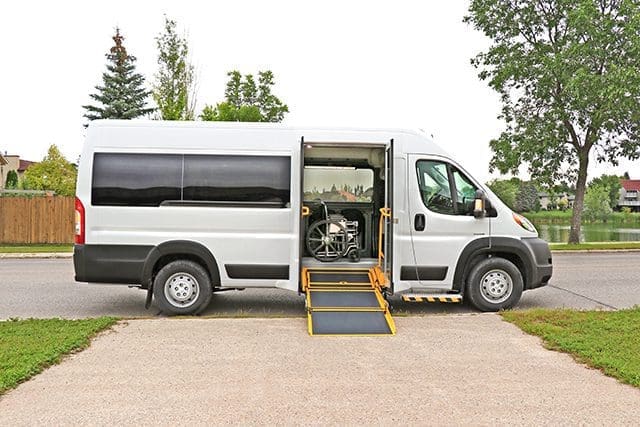
- Wheelchair accessible vans: Vehicles that transport passengers who use wheelchairs or other mobility aids.
- Community shuttle vans: Smaller vehicles serving local routes, community centres, and essential services.
- Accessible minibuses: Larger vehicles designed to transport groups of passengers, including people with mobility challenges.
- Demand-responsive transit vehicles: Vans that provide scheduled or on-demand rides instead of following fixed bus routes.
The vehicle’s purpose matters. A van used for an eligible community transit service has a stronger fit than one purchased strictly for an organization’s private use.
What makes an accessible van eligible for funding?
The Canada Public Transit Fund focuses on improving public transportation, not simply helping organizations buy vehicles.
For example, imagine a rural municipality wants to introduce an accessible van service that helps residents travel to medical appointments, grocery stores, and community events.
That project could fit the goals of a rural transit funding program because it improves transportation access for the community.
Before applying, your organization should be able to explain:
- Who will use the vehicle: The people and communities your transit service will support.
- What problem it solves: The transportation gaps that currently prevent people from reaching essential services.
- How the service will operate: Your proposed routes, booking system, and passenger capacity.
- Why accessibility matters: How the vehicle will safely accommodate passengers with different mobility needs.
These details help connect your vehicle purchase to the fund’s public transit goals.
What vehicle expenses might not qualify?
Even if a wheelchair accessible van is eligible, that doesn’t mean every cost of running it will be covered.
The government’s Rural Transit Solutions Fund frequently asked questions explain that certain operating expenses aren’t eligible under its Capital Projects stream.
These include fuel, insurance, maintenance, and staff salaries.
The program also requires vehicles to be purchased rather than leased.
This makes it important to plan for costs beyond the purchase price.
When preparing your project budget, consider the ongoing costs of operating a wheelchair van, including maintenance and daily transportation expenses.
How should you choose a wheelchair accessible van for a funded project?
Your funding application and vehicle plan should work together.
For example, a community offering short local trips might need a smaller accessible van, while a regional transit program could require a larger vehicle with room for several wheelchair passengers.
Before requesting a quote, think about passenger capacity, accessibility equipment, road conditions, and how often the vehicle will operate.
The right choice depends on the people you’re transporting and the service you’re building. Our experience with vehicles for handi-transit programs shows why it’s important to match the vehicle to daily operating needs.
One final point: Don’t purchase your vehicle before receiving the required funding approval. Some programs won’t reimburse vehicle purchases or contracts made before approval.
A strong funding plan starts with confirming eligibility, understanding the rules, and choosing a vehicle that helps your community access reliable transportation.
How can rural and Indigenous communities benefit from the Canada Public Transit Fund?
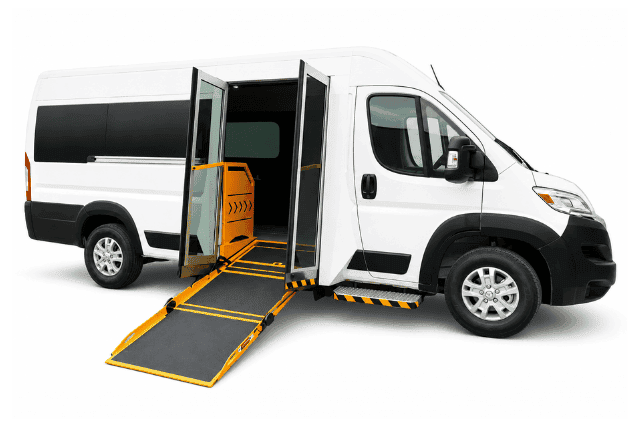
Rural and Indigenous communities often face transportation challenges that larger cities don’t. Long travel distances, limited public transit, and harsh road conditions can make it difficult for residents to reach essential services.
The Canada Public Transit Fund aims to address these gaps by supporting transportation projects that meet the needs of smaller and remote communities.
How does the fund support rural transportation?
The Rural Transit Solutions Fund is part of the Canada Public Transit Fund. It supports locally planned transportation services in rural, remote, Northern, and Indigenous communities.
Unlike large city transit systems, rural transportation often works better with smaller vehicles and flexible routes.
Projects can include:
- On-demand transportation: Services that allow residents to book rides when they need them.
- Community shuttle services: Shared transportation connecting smaller towns and essential services.
- Accessible transit: Vehicles that accommodate passengers who use wheelchairs and other mobility aids.
- Regional connections: Transportation between remote communities and larger service centres.
For example, a small community without a regular bus system could explore a shared transit service that connects residents to nearby towns.
A service like this could help reduce transportation barriers without requiring the community to operate a large bus fleet.
The Rural Transit Solutions Fund’s Capital Projects intake is currently closed. Communities should monitor future federal announcements rather than assume new applications are being accepted.
How can Indigenous communities use this funding?
First Nations, Inuit, and Métis communities can explore eligible funding streams to support transportation projects designed around their own priorities.
Depending on the program’s requirements, these projects could help improve access to:
- Healthcare appointments and treatment centres
- Education, employment, and training opportunities
- Community programs and essential services
- Cultural gatherings and activities involving Elders
Community leadership should guide how the service is planned, including routes, schedules, accessibility needs, and who the service will support.
A transportation project must also meet the relevant fund’s public transit rules. A vehicle used solely for private organizational travel won’t automatically qualify.
What should remote communities consider when planning transportation?
Securing funding is only one part of building a reliable transportation service.
In Northern Manitoba, rural Ontario, and other remote areas, road conditions and long distances can affect what type of vehicle works best.
Communities should consider seasonal roads, winter driving, access to repairs, and passenger needs when choosing a vehicle.
We’ve seen how these factors shape wheelchair van delivery to remote communities and the equipment needed for rural travel.
A good funding proposal should explain how the service will remain safe, reliable, and accessible throughout the year.
The goal is to develop a transportation service that works for your community long after the initial funding has been spent.
How do you apply for the Canada Public Transit Fund?
To apply for the Canada Public Transit Fund, your organization must choose an eligible funding stream, prepare a project proposal, and submit the required documents through the correct federal application process.
However, not all funding streams are currently accepting applications. Checking the latest intake status should be your first step.
1. Check whether applications are open
As of October 2026, several application periods have closed.
- Baseline Funding: The Expression of Interest intake is closed.
- Rural Transit Solutions Fund – Capital Projects: The application period is closed.
- Rural Transit Solutions Fund – Planning and Design: The application period is closed.
You can check the latest federal announcements or contact the program team to ask about future opportunities. The government also offers a Rural Transit Solutions Fund mailing list for updates on new application periods and program changes.
2. Prepare your transportation project proposal
Before applying, your organization needs to explain what it plans to build, expand, or improve.
A strong proposal should show the need for the service, how the project will work, and what it will cost.
For example, a community planning to purchase wheelchair accessible vans should prepare:
- Project description: What the transportation service will provide and who it will serve
- Community evidence: Ridership estimates, service gaps, and information showing the need for transit
- Project budget: Vehicle quotes, equipment costs, and other eligible expenses
- Service plan: Proposed routes, schedules, service area, and how passengers will book rides
- Supporting documents: Required legal, financial, and partnership information
The federal government’s Rural Transit Solutions Fund capital application instructions call for a clear project reason, supporting evidence, and details about the assets being purchased.
3. Submit your application through the federal portal
When an eligible intake opens, follow the instructions for that specific funding stream.
For the Rural Transit Solutions Fund, applications are submitted through Housing, Infrastructure and Communities Canada’s online applicant portal.
The process generally includes creating an organization account, completing the application, uploading supporting documents, and submitting it for review.
The government’s step-by-step application instructions explain how applicants can complete and validate each part of a Capital Projects submission.
The portal allows you to save your work before submitting it. This is useful when several team members need to provide project details or financial records.
4. Wait for a funding decision before purchasing
Submitting an application doesn’t guarantee approval.
The government reviews projects against the program’s eligibility rules and assessment criteria. If your project is approved, you’ll receive further instructions about the funding agreement and its conditions.
Don’t assume a vehicle purchase made before approval will be reimbursed. Check the program’s rules for when costs become eligible and when contracts can be signed.
If your organization is preparing a proposal involving an accessible van, we can help you understand the vehicle specifications and pricing needed for your budget. Our wheelchair van funding process explains how quotes and vehicle planning fit into grant applications.
Even when an intake is closed, preparing your project details early can help your organization respond when a suitable funding opportunity becomes available.
What should you prepare before seeking public transit funding?
Before seeking funding through the Canada Public Transit Fund, your organization should have a clear plan for how the transportation service will operate and what it will cost.
A well-prepared project can help show why your community needs better transportation and how the proposed service will make a difference.
What information should your organization gather?
Start by collecting the details that will help you build a realistic funding proposal.
- Community needs: Gather feedback from residents, local healthcare providers, and community organizations to identify transportation gaps.
- Passenger demand: Estimate how many people will use the service, including those who need wheelchair accessible transportation.
- Vehicle requirements: Determine the seating capacity, wheelchair spaces, accessibility equipment, and vehicle features your program needs.
- Service area: Identify the communities, destinations, and travel distances your transportation service will cover.
- Financial plan: Prepare vehicle quotes, estimate operating expenses, and identify how your organization will cover costs after the initial funding.
- Project support: Collect letters of support from community partners, local governments, or organizations that will benefit from the service.
For rural transit projects, the federal government also looks at how an applicant has assessed demand, planned for long-term costs, and considered the community’s specific needs.
How can you make your funding proposal stronger?
Focus on showing the difference your transportation project will make.
For example, instead of simply requesting funding for two wheelchair accessible vans, explain how those vehicles would help residents who currently have no reliable way to reach essential services.
Include evidence that supports your plan, such as local surveys, community feedback, or existing transportation data.
It’s also worth reviewing the key steps for applying for wheelchair van grants to help organize your proposal and supporting documents.
The stronger your evidence and project plan, the easier it is for funding reviewers to understand the value of your proposed service. A clear proposal doesn’t guarantee approval, but it can help your organization make a stronger case for funding.
Frequently asked questions about the Canada Public Transit Fund
Is the Canada Public Transit Fund accepting applications in 2026?
Not all funding streams are currently accepting applications. As of October 2026, the Baseline Funding expression-of-interest intake and the Rural Transit Solutions Fund Capital Projects intake are closed. Organizations should check federal announcements for new opportunities.
How much funding can an organization receive?
Funding depends on the program. Under the Rural Transit Solutions Fund Capital Projects stream, eligible organizations can receive up to $10 million if they meet the transit experience or feasibility study requirements. Organizations without that experience or a qualifying study can seek up to $250,000.
Can small communities apply for public transit funding?
Yes. Eligible small, rural, remote, and Indigenous communities can seek funding for public transportation projects. However, applicants must meet the specific program’s population, project, and organization requirements.
Can funding cover the full cost of a wheelchair accessible van?
It depends on the applicant and funding stream. Under the Rural Transit Solutions Fund Capital Projects stream, eligible Indigenous recipients and recipients in the territories can receive up to 100% of eligible capital expenses. Eligible recipients in the provinces generally have a lower federal contribution limit.
Could the Canada Public Transit Fund support your transportation goals?
The Canada Public Transit Fund offers communities a way to improve public transportation. If your organization is planning an accessible transit service, it could be worth exploring.
You’ve now seen how the funding streams work, who can qualify, and what goes into an application.
The next step is to match your project with an eligible funding program. Confirm the current rules, build a clear budget, and show how your service will help people travel with fewer barriers.
We’ve worked with transportation providers and community organizations across Canada to design accessible vehicles around their needs. Our team understands the value of getting the right seating layout, wheelchair access, and vehicle features before you commit to a purchase. We can help you plan a vehicle that fits your service, budget, and passengers.
Ready to explore your vehicle options? Click the button below to talk to a mobility expert about your plans.
If you’re still exploring your options, the resources below can help you plan your next steps.
What should you read next?
- How to buy a wheelchair van: Explore the steps involved in choosing, ordering, and buying an accessible vehicle. It’s useful if your organization is planning its first van purchase.
- How to choose a wheelchair van (11 steps): See how to compare vehicle sizes, entry options, seating, and wheelchair spaces. It’s helpful when writing the vehicle requirements for your project.
- What is the cost of a wheelchair accessible van? Understand the factors that affect vehicle pricing and your purchase budget. It’s a useful starting point before requesting a formal quote.
 English
 French