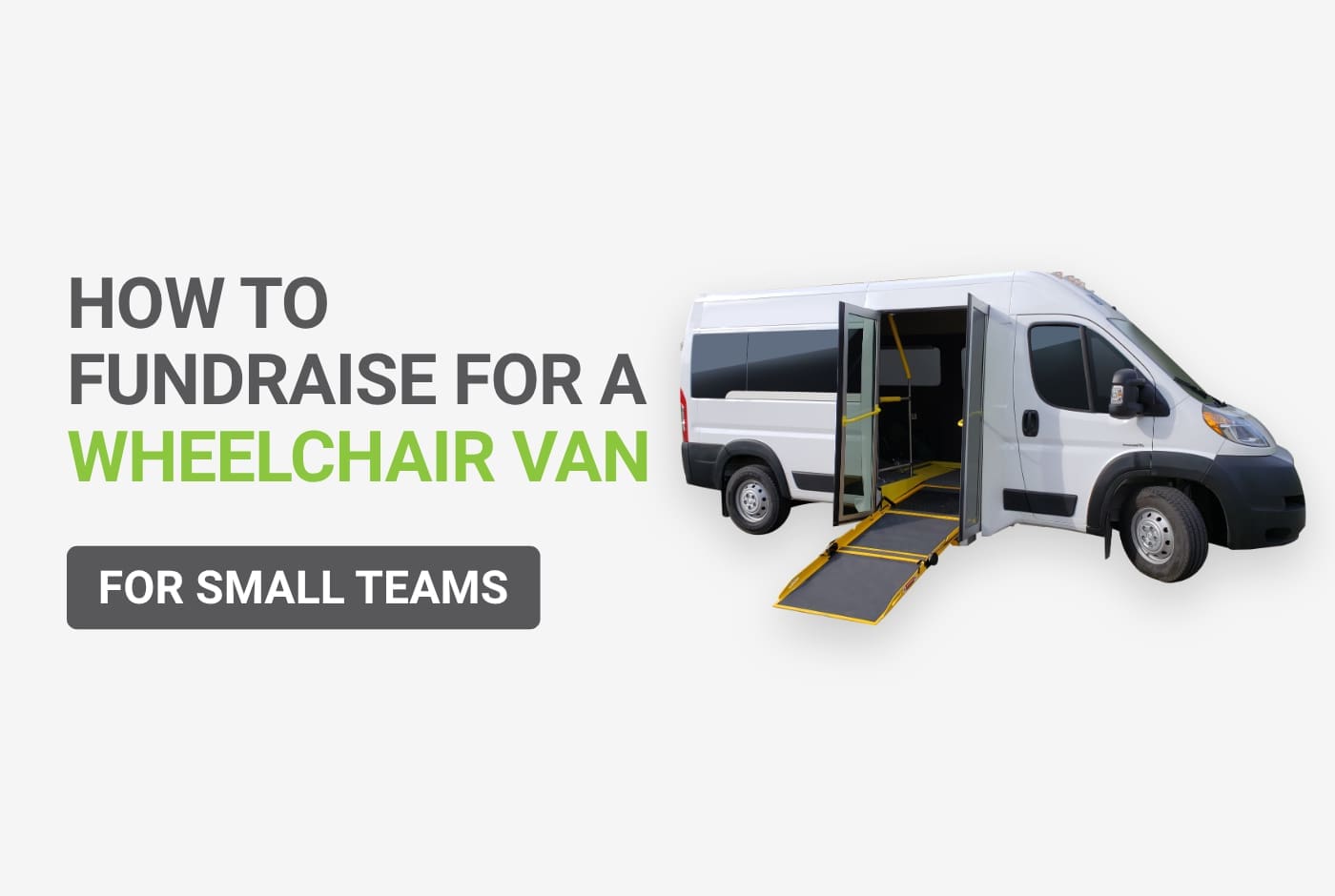
How to Fundraise for a Wheelchair Van: A Practical Guide for Small Organizations

Fundraising for a wheelchair van can feel like a major undertaking, especially for a small organization. This video explains practical ways to build community support, approach potential donors, divide a large fundraising goal into manageable requests, and maintain those relationships over time.

Key Moments in this Video

1
Build Your Fundraising Team Beyond Paid Staff
A small organization does not have to rely only on paid staff to support a fundraising campaign. Think about your wider team through the three Ts of support: time, treasure, and talent. Time includes volunteers who can help with programs, fundraising events, and other activities. Treasure includes monetary and in kind contributions. Talent comes from people who can contribute professional skills your organization might otherwise have to pay for, such as accounting expertise.
130
Break the Van Cost Into Smaller Funding Opportunities
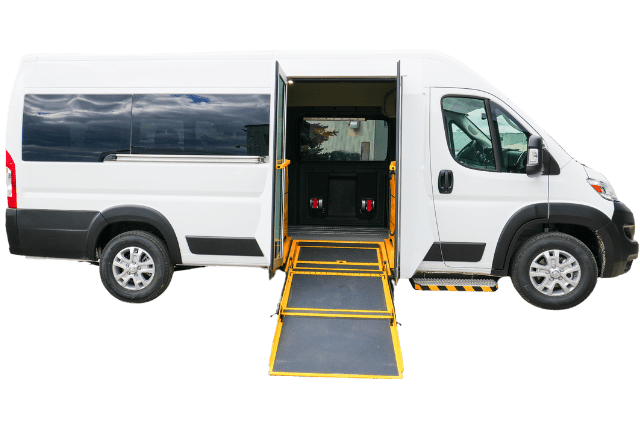
Rather than asking one donor to fund the entire cost of a wheelchair van, divide the project into smaller opportunities for support. One organization might help cover fuel for a year. Another could contribute toward insurance or ongoing maintenance. Potential supporters can also be grouped according to the level of support they may realistically be able to provide. The request should also connect with what each organization cares about. When the purpose of the vehicle aligns with a potential sponsor's interests, there is a clearer connection between their support and the community impact of the project. Sponsors may also be recognized through the vehicle wrap or decal package.
209
Match Donor Requests to What Supporters Care About
A sponsorship request should not begin by handing an unfamiliar organization a sponsorship sheet and immediately asking for money. Use the first conversation as an opportunity to learn about the potential donor. Look for linkage between what they care about and the services your organization provides. Understand their interests, their ability to contribute, and whether the relationship makes sense for both organizations. Not every conversation will result in financial support. Planning for that reality can make it easier to focus on the donors whose interests, ability, and connection to the project align.
283
Plan for Ongoing Vehicle Costs, Not Just the Purchase
Fundraising does not necessarily end once the wheelchair van has been purchased. Organizations also need resources to keep the vehicle operating and serving the community. Recurring donations can help support ongoing expenses. For example, someone who normally contributes one hundred dollars annually could be asked whether a ten dollar monthly contribution would work for them instead. Regular contributions can then help support recurring costs such as fuel, insurance, and other operating expenses.
339
Keep Donors Engaged Through Personal Follow Up
Donor relationships should continue after the campaign ends. Thank contributors personally and stay in contact with them throughout the year. Regular communication, including simple updates about what the organization is doing, can help supporters remain connected to the work they helped make possible. Organizations that are unsure where to begin can also request a free funding strategy session with MoveMobility to discuss ways of gathering support from their community.
James Corney
James Corney at MoveMobility - New
James

Frequently Asked Questions:

1. How can a small organization fundraise for a wheelchair van?

A small organization can build support through volunteers, financial contributions, in kind support, and professional expertise. It can also divide the total vehicle cost into smaller funding opportunities and approach donors whose interests connect with the purpose of the van.

2. What are the three Ts of fundraising support?

The three Ts are time, treasure, and talent. Time refers to volunteer support, treasure refers to financial or in kind contributions, and talent refers to professional skills someone can contribute to help the organization.

3. Should we ask one donor to pay for the entire wheelchair van?

Not necessarily. Breaking the project into smaller funding opportunities can make it easier for different donors and sponsors to participate. One organization might help with fuel, another with insurance, and another with maintenance or another part of the project.

4. What costs should we plan for after purchasing a wheelchair van?

Organizations should plan for ongoing operating expenses as well as the initial purchase. The video specifically mentions costs such as fuel, insurance, maintenance, and other expenses needed to keep the vehicle on the road and serving the community.

5. How do we keep wheelchair van donors engaged after the campaign?

Thank donors personally and continue communicating with them throughout the year. Regular updates about the organization and its work can help supporters stay connected between fundraising campaigns.

MoveMobility logo with green and grey curves and text

Connect with one of our Mobility Experts

What happens if you submit the form?

We understand that you don’t want to receive multiple phone calls, emails or spam. You just want to speak to a commercial mobility specialist who can answer your questions about accessible and mobile medical vans.

If you submit the form or request more information from us, here’s what will happen:

  • Within one business day, you’ll receive a phone call from one of our commercial mobility specialists at the phone number you provide. Click here to Meet the Team.
  • If we miss you on the phone, you’ll receive a voice message to call us back. You’ll also get an email to let you know we tried to connect but missed you.
  • Once we’ve connected, your commercial mobility specialist will have a few questions for you to understand what type of vehicle you’re looking for help with.
 
If at any point during the process you feel we’re just not the right fit for your community or organization, just let us know. 


MoveMobility logo

Request More Information

Let us know what you’re looking for help with and we’ll be in touch.