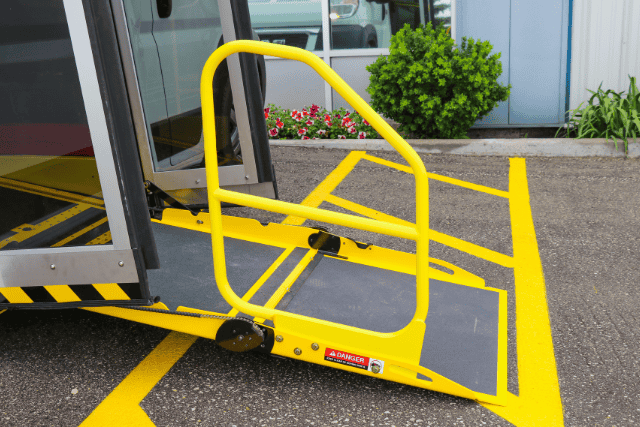
Van wheelchair ramp maintenance often gets delayed until something goes wrong. If you manage an older wheelchair van, this likely feels familiar. You depend on that ramp every day to move people safely and with respect. When a wheelchair ramp for a van starts to move more slowly, sound different, or stop halfway, it creates stress right away. What once felt dependable now feels uncertain. And that pressure usually falls on you.
This problem matters more than many realize. In Canada, equipment issues are a common cause of workplace injuries, especially in jobs that involve lifting and loading. A van wheelchair ramp not working can strain staff, delay service, and create uncomfortable moments for passengers. You want a ramp that lowers smoothly, supports weight evenly, and works every time. When that happens, daily stress drops and confidence goes up.
At MoveMobility, we’ve been supporting organizations across Canada with wheelchair vans and mobile medical units for over 20 years. Our vehicles meet Ford Pro Upfitter, Stellantis QPro, and National Safety Mark standards. We’ve worked with groups like Liard First Nation, where dependable equipment matters.
In this article, you’ll learn five signs that should trigger immediate van wheelchair ramp maintenance checks, starting with a real case where an RA300 cam screw loosened and caused uneven ramp movement.
Five signs you should get wheelchair van ramp maintenance
Wheelchair ramps don’t fail all at once. They give small warnings first. This section walks you through the early signs that tell you it’s time for van wheelchair ramp maintenance, before a minor issue turns into a service stoppage or safety risk. Think of these signs as your ramp asking for help.
Sign 1: Uneven movement or resistance when the ramp stows
One of the clearest signs you need wheelchair van ramp maintenance is when the ramp starts to feel uneven as it folds or stows. We’ve seen this firsthand with an RA300 ramp where a cam screw slowly backed out. That small part failure led to a lost cam spring, which meant there was no chain tension. Without that tension, the ramp carried uneven loads every time it moved.
At first, this kind of issue can seem minor. The ramp still works. It still goes up and down. But underneath, the stress is building.
Here’s why this matters:
- Uneven loads: The ramp twists instead of lifting evenly, which speeds up wear.
- Hidden strain: Motors and chains work harder than they should.
- Safety risk: A ramp can jerk or shift while someone is on it.
Picture a busy morning pickup in winter. Snow is falling, schedules are tight, and a client is waiting in their chair. The van wheelchair ramp hesitates while stowing. Staff pause. The moment feels longer than it should. That hesitation is your warning sign.
Over time, ignoring this leads to bigger problems. Chains stretch. Motors burn out. Suddenly, your wheelchair ramp van is out of service, and trips get cancelled. That affects people who rely on consistency and calm routines.
What should you watch for day to day?
- Sounds: Clicking, popping, or grinding during movement.
- Feel: One side moves faster than the other.
- Timing: The ramp takes longer to fully stow.
Catching this early through regular van wheelchair ramp maintenance keeps your ramp smooth, your staff confident, and your passengers feeling secure. It’s one of the simplest ways to protect dignity and keep your operation moving forward.
Sign 2: The ramp hesitates, stops, or needs a second try to deploy
Another clear sign that van wheelchair ramp maintenance can’t wait is when the ramp hesitates or stops partway through its cycle. You might press the button and nothing happens right away. Or the ramp lowers, pauses, then continues after a second try. This kind of behaviour often gets brushed off as a cold morning issue or a weak battery. In reality, it’s your van wheelchair ramp telling you something isn’t right.
In Canada, this shows up often during seasonal changes. Cold snaps in Manitoba, wet coastal air in British Columbia, or road salt in Ontario can all speed up wear on electrical connections and moving parts. Over time, moisture and debris creep in. Sensors drift out of alignment. Wiring loosens. The ramp still works, but it’s no longer reliable.
Why is hesitation a serious warning sign?
- Loss of trust: Staff start to question if the ramp will work every time.
- Awkward moments: Passengers sit and wait while buttons get pressed again.
- Higher failure risk: Small electrical issues often lead to full shutdowns.
Think about a senior heading to a medical appointment. The wheelchair ramp for a van pauses halfway down. Everyone waits. Someone jokes to break the tension, but the moment still feels uncomfortable. These pauses chip away at dignity, even when no one says it out loud.
This is also when workarounds start. Staff hold buttons longer. They reset breakers. They gently push the ramp to get it moving. These habits feel helpful, but they add strain to power wheelchair ramps for vans and increase wear.
What signs should you watch for?
- Delayed response: A few seconds pass before the ramp moves.
- Mid-cycle stops: The ramp freezes, then resumes.
- Repeat attempts: The ramp works on the second or third try.
When ramps reach this stage, proactive wheelchair van ramp maintenance helps avoid service disruptions. It keeps your vans with wheelchair ramps dependable, protects staff from frustration, and gives passengers the calm, smooth experience they deserve every single ride.
Check out our articles on powered ramps and manual ramps to see which option makes the most sense for your organization.
Sign 3: New noises, shaking, or vibration during ramp use
A third sign that van wheelchair ramp maintenance needs attention, and we briefly mentioned this earlier, is when the ramp starts making new sounds or begins to shake during use. These noises don’t need to be loud to matter. A soft grinding sound, a rattle, or a small vibration underfoot can signal wear inside the system.
In many Canadian cities, ramps take a beating from daily use. Think of potholes in Montreal, gravel roads in Northern Ontario, or long highway drives in Alberta. All of that movement transfers stress into the van wheelchair ramps, especially around hinges, rollers, and mounting points. Over time, parts loosen and wear unevenly.
Why are noise and vibration red flags?
- Loose hardware: Bolts and fasteners may be backing out.
- Worn rollers: The ramp no longer glides smoothly.
- Frame stress: Metal flexes where it shouldn’t.
From the outside, the wheelchair ramp for a van still looks fine. But when it vibrates, the person using it feels every shake. That moment matters. A ramp should feel solid and steady. When it doesn’t, confidence drops fast.
Imagine a passenger using a power chair. As the ramp for a wheelchair van lowers, it hums and trembles. The chair pauses. The rider grips the armrest. Even if nothing fails, the experience feels uncertain. Over time, those moments add up.
For staff, this creates hesitation too. They slow down. They watch more closely. They brace themselves. These small changes often mean the wheelchair ramp van is compensating for worn parts.
Common warning signs to notice:
- Sounds: Grinding, squeaking, or clunking.
- Movement: Shaking while the ramp lowers or lifts.
- Feel: A spongy or unstable surface under wheels.
Ignoring these signs can lead to cracked frames or damaged motors. That’s when wheelchair van ramps move from maintenance to major repair. Regular van wheelchair ramp maintenance catches these issues early. It keeps vans with wheelchair ramps feeling solid, safe, and respectful for every person who uses them.
Sign 4: The ramp looks level, but wheelchairs drift or feel unstable
Another sign that van wheelchair ramp maintenance should happen right away is when the ramp looks fine, but wheelchairs don’t track straight. Staff may notice chairs drifting to one side or users needing to correct their path while moving up or down the ramp. This can feel subtle at first, but it’s an important warning.
In many parts of Canada, curb heights and road slopes vary more than people expect. Add winter frost heaves in Saskatchewan or worn pavement in Atlantic Canada, and ramps face uneven pressure every day. Over time, this stress can shift the ramp surface or frame just enough to cause balance issues.
Why is this a serious concern?
- Loss of control: Wheelchairs may roll or drift unexpectedly.
- Injury risk: Staff may strain themselves trying to steady the chair.
- User anxiety: Passengers feel unsafe, even if nothing slips.
A wheelchair ramp for a van should guide movement in a straight, steady line. When it doesn’t, something is off underneath. This can be caused by worn pivot points, bent ramp sections, or mounting brackets that have shifted.
Picture a busy afternoon drop-off. The van wheelchair ramp lowers, and a manual chair starts to veer slightly. A staff member steps in quickly. Everyone stays calm, but the moment sticks. These moments affect trust. People remember how a ride made them feel.
Signs to watch for during daily use:
- Drifting: Chairs pull left or right on the ramp.
- Uneven feel: One side feels higher under the wheels.
- Extra effort: Staff need to guide or brace the chair.
Ignoring this leads to faster wear across ramps for van wheelchair systems and raises the chance of slips. Proactive van wheelchair ramp maintenance helps keep surfaces level and movement predictable. That consistency protects dignity and keeps your vans with wheelchair ramps safe, steady, and reliable.
Sign 5: Staff start changing how they use the ramp
One of the most overlooked signs that van wheelchair ramp maintenance is overdue has nothing to do with the ramp itself. It shows up in staff behaviour. When team members start adjusting how they operate the ramp, something has shifted.
You might hear things like, “Hold the button a bit longer,” or “Let it finish before you move.” These small habits form when people no longer trust the van wheelchair ramp to work the way it should. In Canada, where weather and road conditions add extra wear, this happens more often than most organizations realize.
Why is this a major warning sign?
- Workarounds appear: Staff compensate for slow or unreliable movement.
- Inconsistency grows: Each person uses the ramp differently.
- Risk increases: Manual help replaces smooth automation.
A van wheelchair ramp should feel routine. When staff start coaching each other through ramp use, the ramp has become unpredictable. That unpredictability creates stress for everyone involved.
Picture a new hire learning the route. They’re told to “listen for the click” before letting a passenger move. That instruction doesn’t come from the manual. It comes from experience. And that experience is telling you the wheelchair ramp van isn’t performing as designed.
These habits also affect passengers. When staff hesitate or explain extra steps, users sense something is off. Confidence drops. The ride feels less calm and more technical than it should.
Common behaviour changes to notice:
- Extra pauses: Staff wait longer before loading or unloading.
- Manual support: Hands hover near chairs or ramp edges.
- Verbal cues: Repeated instructions during ramp use.
When behaviour changes, the equipment has already crossed a line. Timely wheelchair van ramp maintenance restores trust in the system. It lets your team focus on people, not procedures. And it helps your vans with wheelchair ramps deliver what they’re meant to deliver. Safe, smooth, and respectful access every single time.
Got any questions about van wheelchair ramp maintenance?
You came here because something didn’t feel right with your ramp. Maybe it hesitated, sounded off, or made staff pause before loading someone. Those moments create stress, safety concerns, and doubt about how long your current setup can keep going.
After reading this article, you now know what to watch for and why it matters.
- You learned: Five clear signs that signal immediate wheelchair van ramp maintenance.
- You learned: How small changes in sound, movement, or behaviour point to bigger risks.
At MoveMobility, we support organizations across Canada long after vehicles are delivered. Our teams work daily with transit providers, health organizations, and community groups to keep van wheelchair ramps working safely in real-world conditions. From routine inspections to guidance on repair versus replacement, we help you plan ahead instead of reacting late. After more than two decades in this space, we’ve seen how reliable ramps protect dignity, reduce staff strain, and keep services running. If you have questions or want a second opinion, click the button below to talk with a mobility expert who understands your world.
If you’re not ready to talk to a mobility expert yet, here are a few resources to help you take the next step.
Recommended next reads
- Repairing vs. replacing your wheelchair van (pros and cons): Helps you decide when maintenance is enough and when replacement makes more sense.
- Wheelchair van maintenance practices you need to know: Goes deeper into preventive care to reduce breakdowns and downtime.
- What are the safety features on wheelchair van ramps? Explains what safe ramp operation should look and feel like in daily use.


 English
  French