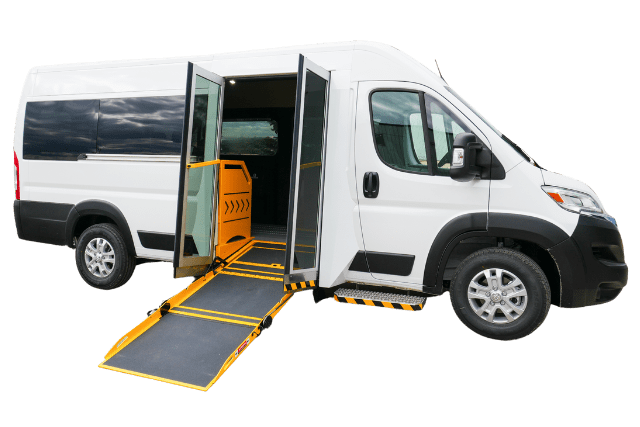
Have you ever found yourself wondering how to get funding for wheelchair vans for your adult daycare centre or non-profit organization? You’re not alone. Many community leaders across Canada face this same challenge. You know the need is there; your clients rely on you to help them get to appointments, programs, and social activities. But the cost of a wheelchair van can feel like a mountain too steep to climb.
When funding is hard to find, the people you serve are the ones who lose out. Missed medical visits, growing isolation, and fewer opportunities for connection can become daily struggles. That’s a tough spot to be in when your mission is to care for others. The good news? There are funding options out there; you just need to know where to look. Reaching that goal means less worry, more independence for your clients, and a stronger, more connected community.
At MoveMobility, we’ve spent over 20 years helping non-profits, healthcare teams, and adult daycare centres remove barriers to care and transportation. Trusted by organizations like Loft that provide transportation for seniors, we build vehicles that empower programs like yours. We know we’re not the only manufacturer out there, but our focus is on supporting your mission and helping you find the best option for your needs.
In this article, you’ll learn:
- Where to find grants and funding sources in Canada
- How to apply for wheelchair van funding
Where do you find funding for wheelchair vans in Canada?
As an adult daycare centre or non-profit, we understand how tough it can be to find wheelchair van funding. It can sometimes feel like finding a needle in a haystack, and right when you find funding that seems suitable, you might later learn it’s not compatible with your program. In this section, you’ll learn about some of the different funding options you can look into.
1. Federal funding: Enabling Accessibility Fund (EAF)
The Enabling Accessibility Fund (EAF) helps remove barriers for people with disabilities across Canada. It supports projects that make spaces, services, and programs more accessible, and that can include transportation.
For your adult daycare or non-profit, a wheelchair van does more than move people. It helps your clients join programs, get to medical appointments, and stay connected with their community. That is exactly what this fund is designed to support.
The EAF has different funding streams. The Small Projects component is the one that most often fits wheelchair van purchases. This program is currently between intakes, but new rounds open regularly. You can get ready by preparing your story and documents now.
Here’s how to get started:
- Visit the EAF program page and review the eligibility details.
- Write down how transportation barriers affect your clients and programs.
- Gather quotes for the van, including any accessibility features.
- Collect letters of support from partners or families who can speak to your community’s needs.
When applications open, you’ll apply online through the Government of Canada website.
Funding for wheelchair vans through this program helps people take part in their community again. When you show how your van connects people to daily life, you turn a vehicle purchase into an accessibility success story.
2. British Columbia Passenger Transportation Accessibility Program (PTAP)
The Passenger Transportation Accessibility Program (PTAP) in British Columbia offers rebates to improve accessible transportation. It provides cost-sharing support for purchasing, converting, or maintaining wheelchair accessible vehicles.
While PTAP is aimed mainly at licensed transportation operators, your non-profit or adult daycare can still explore it if you provide transportation or partner with an eligible service. Partnerships are a great way to expand your impact while reducing costs.
Here’s how it works:
- Check the eligibility section on the PTAP website.
- Collect purchase quotes, conversion details, and license information if needed.
- If you are not licensed, reach out to a local accessible taxi or transport provider and discuss a joint application.
Even if you are not in British Columbia, it’s worth checking your own province’s transportation or accessibility ministry. Many are creating programs modeled after PTAP to improve community mobility. Search for “wheelchair accessible vehicle rebate” with your province’s name to see what might apply to you.
Funding for wheelchair accessible vans does not always come from traditional grants. Sometimes it’s about finding creative partnerships and local programs that make transportation more inclusive. PTAP is a good reminder that accessibility can be a shared effort.
3. Manitoba Accessibility Fund (MAF)
The Manitoba Accessibility Fund (MAF) is one of the best open opportunities right now for ADCs and non-profits. It supports projects that make life more accessible for Manitobans with disabilities. This includes improving access to community programs, spaces, and transportation.
If you operate in Manitoba, your wheelchair van project can fit perfectly under this fund. When you show that transportation is a barrier to participation, your project becomes about connection, inclusion, and independence.
Here’s how to apply:
1. Visit the Manitoba Accessibility Fund page and review eligibility.
2. Explain the barrier you are solving. For example, “Our clients miss 25% of programs because they have no accessible ride.”
3. Describe how your van will fix that problem and how many more people you can reach.
4. Attach your van quote, operating costs, and letters of support.
5. Submit your application online before the posted deadline.
The MAF is looking for projects that make a lasting difference. A wheelchair van gives people the freedom to take part in everyday life. It brings care, connection, and opportunity to those who need it most. If you are in Manitoba, this is a strong, open program to apply for.
4. National directory: NMEDA Canada funding
Sometimes, the challenge is not that funding doesn’t exist, but that it is hard to find. The NMEDA Canada Funding Directory helps with that. It lists grants, rebates, and financing options for accessible vehicles across Canada.
This directory is updated often and includes both national and provincial resources. You can use it to find programs that fit your location or your organization’s size.
Here’s how to use it:
- Go to the NMEDA Canada page and choose your province.
- Look for programs listed under “accessible vehicles” or “transportation.”
- Make a shortlist of programs or rebates you can apply for.
- Contact your local wheelchair van manufacturer for guidance; they often know which funds their clients have had success with.
This directory saves you hours of research. It’s a one-stop shop that helps ADCs and non-profits stay up to date on every available funding for wheelchair vehicles in Canada. Think of it as your starting point for finding more doors to open.
5. Local, charitable, and corporate funding
If you’ve explored government programs and still need more support, look closer to home. Local funders and sponsors often step up to help community programs make big changes.
Community foundations, United Way branches, service clubs like Rotary and Lions, and even local businesses are great places to start. These groups love to fund projects that improve daily life for people in their community.
Here’s how to get started:
- Reach out to your local community foundation or business association.
- Write a short, heartfelt proposal explaining who you help and what a wheelchair van would make possible.
- Offer recognition, like having their logo on your van or a thank-you post online.
- Stay in touch and share updates once the project is complete.
Local funders want to see their impact right in their own backyard. When they see your van driving through the community, helping seniors, adults with disabilities, or clients reach care, they know their support made a difference.
Even small grants add up. One sponsor might cover fuel, another might help pay for insurance or adaptive equipment. Together, they can help fund a van that moves people and hearts.
Find the right funding for wheelchair vans and move your mission forward
You probably came to this article searching for real answers about how to get funding for wheelchair vans for your adult daycare or non-profit. The challenge felt big: Transportation barriers, tight budgets, and the worry of leaving people behind.
Now you know that:
- There are grants and rebate programs that can help.
- Federal, provincial, and community options exist for ADCs and non-profits.
- You can start preparing your application today using real examples and simple steps.
At MoveMobility, we’ve helped hundreds of organizations across Canada turn those barriers into breakthroughs. Our team works side-by-side with community leaders, care providers, and non-profits like you to create vehicles that go beyond transportation. They build connection, dignity, and freedom for the people you serve. Every van we design is backed by 20 years of experience and a promise: When mobility challenges meet innovation, lives change.
If you’d like to talk about your next step toward accessible transportation, click the button below to connect with a mobility expert. We’re ready to help you move your mission forward.
If you’re not ready to talk to a mobility expert yet, here are a few helpful articles to explore next:
- How much does a wheelchair van cost? Learn what you can expect to pay for a new wheelchair van.
- How to buy a wheelchair van: Learn what’s involved in a wheelchair van purchase.

 English
  French