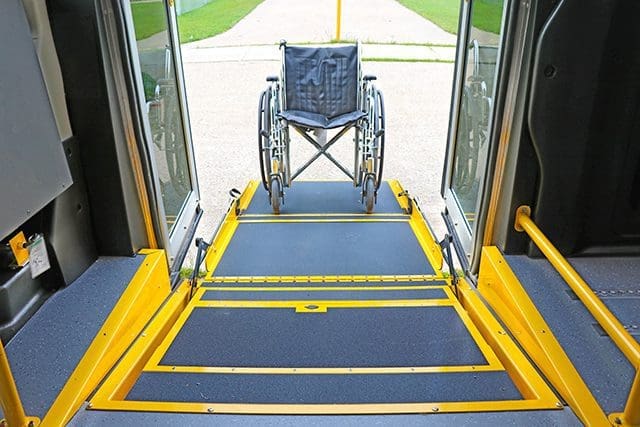
Has your wheelchair accessible transportation organization ever asked itself, “How much does it cost to install a powered ramp in a wheelchair van in Canada?” It’s a real concern for organizations like yours. Budgets might be tight, but the need for safe, accessible transportation is growing.
Passengers can feel unsafe or excluded without a powered ramp, and staff may face extra physical strain. That gap creates stress for everyone. What you want is a vehicle that removes barriers, protects dignity, and makes daily trips safer and smoother. That’s the outcome you’re working toward, and that’s what we’ll look at here.
At MoveMobility, we’ve been building accessible vans for over 20 years. We hold Ford QVM and Stellantis QPro certifications, and every van carries the National Safety Mark, meeting strict Canadian safety standards. We’ve partnered with organizations like Loft to deliver transportation solutions for seniors and other vulnerable communities across the country. We know we’re not the only manufacturer, but we are trusted because we listen first, build second, and share your mission to serve with dignity.
In this article, you’ll learn about:
- The cost to install a powered ramp in a wheelchair van
- Why it costs what it does
- What goes into that cost
*Keep in mind that costs mentioned in this article are just estimates and subject to change.
What’s the cost to install a powered ramp in a wheelchair van?
The cost to install a powered ramp in a wheelchair van in Canada is about $33,000. That’s the number most organizations like yours can expect to see. It might sound high at first, but it’s what it takes to make a van safe, easy to use, and ready for daily trips.
When people think about van wheelchair ramps, they often picture something simple, like a fold-out ramp. A powered ramp is more than that. It’s built with strong parts, heavy-duty systems, and the ability to handle Canadian winters. That’s why the price to install a wheelchair ramp in a van lands at around $33,000.
Learn more about the cost of a wheelchair van.
Why does it cost $33,000 to install a powered ramp in a wheelchair van?
You now know the average cost to install a powered ramp in a wheelchair van is about $33,000. But why does it cost that much?
The short answer: The labour. Installing van wheelchair ramps isn’t as simple as attaching a new part to your vehicle. It’s a major conversion that changes how the van is built and used.
Think of it like building a house. You could build a simple cabin with a roof, four walls, and a door. That’s like a manual ramp. It gets the job done but without extras. Now imagine building a luxury home with custom windows, heated floors, and smart technology. That’s closer to an automatic wheelchair ramp for a van. Both are homes, but one requires much more time, expertise, and customization. That’s why the cost is higher.
What labour goes into installing a powered ramp in a wheelchair van?
The biggest chunk of that $33,000 comes from the work it takes to install the system. Here’s what that looks like in practice:
- Removing the doors: To install a ramp for van wheelchair use, the factory doors first need to come off. This isn’t like unscrewing a hinge at home. These doors are wired with electronics, sensors, and safety systems. Each part needs careful removal and reassembly.
- Cutting into the floor: To fit ramps for wheelchair vans, installers cut into the van’s floor. This step is major because it changes the structure of the vehicle. Think of it as digging out a basement for your “house.” Without this step, the powered ramp would sit too high, making it hard for passengers to roll in and out safely.
- Rebuilding the van: Once the floor is lowered, the van needs to be rebuilt around the new system. This involves welding, sealing, and reinforcing the body to meet Canadian safety standards. It’s not only about making it functional but also about making it durable for years of daily use.
- Customizing the doors: After the ramp is in place, the doors must be adjusted to open wide enough and work smoothly with the ramp system. In a rear ramp wheelchair van, that means ensuring the back hatch lines up with the ramp track. For a side-entry wheelchair ramp for van setups, the sliding doors need extra reinforcement and wiring to sync with the automatic system.
More customization = more money
When you see the cost to install a wheelchair ramp in a van, it’s easy to focus on the number itself. But what you’re really paying for is skilled labour and a custom fit that makes your vehicle safe and usable for years to come.
Installing electric wheelchair ramps for vans or power wheelchair ramps for vans is about more than mobility. It’s about giving passengers a safe, smooth ride and giving staff tools they can rely on. Each cut, weld, and adjustment is done with the goal of making your van last and work as intended.
Key takeaway: The cost reflects the amount of work it takes to transform a factory vehicle into one of the many vans with a wheelchair ramp that communities across Canada rely on every day.
How does a powered ramp in a wheelchair van save you money over time?
At first, the $33,000 cost of installing a powered ramp in a wheelchair van feels like a big hit to your budget. But here’s the thing: It’s an investment that pays you back in the long run. When you look at the day-to-day realities of running a program, the savings start to show up in ways you might not expect. Let’s take a look at six ways you can reap the benefits of a powered ramp in a wheelchair van.
1. Lower risk of staff injuries
Manual ramps or heavy lifting can sometimes strain staff with mobility issues. An automatic wheelchair ramp for a van takes that physical burden off your team. It’s easier, safer, and means fewer costs related to injuries.
2. Faster loading and unloading
Every minute matters when your team is on the road. With a powered ramp in a wheelchair van, passengers can board more quickly and smoothly. This means more trips in a day and less overtime pay. It also cuts down on the stress that comes from rushing schedules.
3. Longer vehicle life
Electric wheelchair ramps for vans are built to handle repeated daily use. Because the system is designed to fit the vehicle, it prevents damage to doors, floors, and frames. That means fewer repairs to the van itself and fewer unexpected bills.
4. Better program reputation
When your passengers feel safe and respected, they trust your service. A wheelchair ramp for van use that’s powered and reliable shows you’ve invested in their dignity. That trust can lead to more funding opportunities and stronger partnerships, which in turn helps your budget stretch further.
5. Dignity and independence for passengers
A powered ramp lets passengers roll in and out smoothly. No extra help, no waiting, no awkward lifting. It gives people confidence and preserves their dignity. Small moments like these matter every day, and they show your community that you care about comfort and safety.
6. Expand your program’s reach
With the right van wheelchair ramps, you can serve more people in more places. Rear ramp wheelchair vans work well in open spaces, while side-entry wheelchair ramp for van setups are perfect for tight city streets. Investing in the right system helps your team move efficiently and reach more passengers without compromise.
So, while ramps for wheelchair vans come with a high upfront cost, the long-term payoff is clear. You protect your team, save on repairs, and provide a service that your community values. Over time, that $33,000 turns into peace of mind, smoother operations, and financial stability.
Do different types of powered ramps in a wheelchair van affect cost and use?
When choosing a powered ramp for a wheelchair van, the type you pick can affect how your vehicle works day to day. While the average cost is around $33,000, some differences in ramp design influence usability, convenience, and how your team operates.
Rear ramp wheelchair van
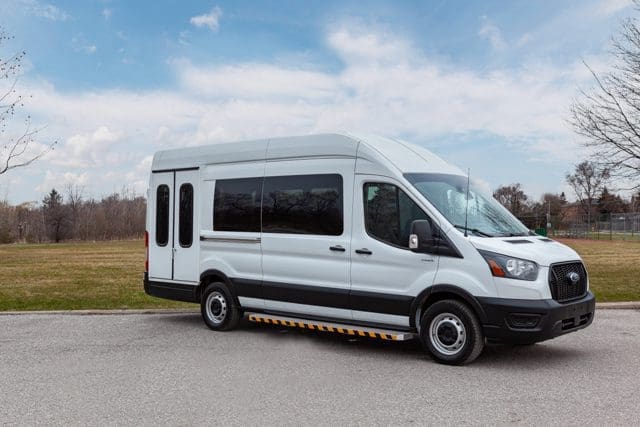
A rear ramp wheelchair van has the ramp at the back. This setup works well if your parking space allows straight-in access.
Benefits:
- Smooth boarding for passengers who use power wheelchairs or manual ones.
- Slightly less door modification is required compared to side-entry ramps.
- Easy to load equipment along with passengers.
Side-entry wheelchair ramp for van
Side-entry ramps on the side of the wheelchair van are ideal for curbside pickup or narrow parking spots where backing in isn’t easy. While the installation is slightly more complex, it allows for a more flexible approach when stopping at multiple locations.
Benefits:
- Convenient for urban routes and busy streets.
- Passengers can roll in directly from the sidewalk.
- Works well for vans with multiple wheelchair pickups and drop-offs.
Ready to move forward with a powered ramp in a new wheelchair van?
You came to this article looking for answers about the cost of a powered ramp in a wheelchair van. The real concern behind that question is how to give your riders safe, dignified trips while keeping your team’s work easier and your budget on track.
Here’s what you got from reading:
- A clear idea of what the cost looks like in Canada
- Why that price reflects more than parts, but also long-term value
- How ramps help your staff and passengers every single day
At MoveMobility, we focus on more than building vans. We focus on helping organizations like yours create real change in their communities. Every van we design is backed by Canadian safety standards and shaped by years of listening to the people who use them. That’s why groups across the country trust us as their partner in accessibility. If you’re ready, click the button below to connect with a mobility expert who can guide you forward.
If you’re not ready yet, no problem. Here are three more articles that will help you keep moving closer to the right decision:
- How to get wheelchair van service and repairs in Canada: Because once you’ve invested, keeping your van safe and operational is your next priority.
- Your payment options with MoveMobility: Learn about financing and payment paths that make a $33,000 investment more manageable.
- How to get more funding for your wheelchair van: Here are a few tips for getting more funding for your wheelchair van.



 English
  French