Did you know that vaccination rates in Indigenous communities are still lower than the national average? According to Indigenous Services Canada, some remote and rural areas face challenges like limited healthcare access, transportation barriers, and mistrust from years of unequal care.
If you’re part of a health team or community leader trying to boost vaccine confidence and access, you’ve likely felt the frustration of knowing what needs to be done but not having the tools to reach everyone. When vaccines don’t make it into arms, illnesses spread, elders are put at risk, and communities face avoidable setbacks. The gap isn’t the willingness to protect your people; it’s the lack of reliable access to care.
That’s where we come in. MoveMobility has spent over 20 years helping Canadian organizations bring healthcare directly to communities that need it. We’ve built over 150 mobile medical units and proudly hold Ford QVM and Stellantis QPro certifications, along with the National Safety Mark for vehicle safety. We’ve partnered with Indigenous communities like Keewatinohk Inniniw Minoayawin and Liard First Nation to design mobile health solutions that meet unique cultural and logistical needs. And while we believe strongly in our mission, we also know we’re not the only option; what matters most is helping your community thrive.
In this article, you’ll learn:
- How many Indigenous communities are across Canada
- Why are the vaccination rates lower in Indigenous communities?
- How mobile clinics can help increase vaccination rates in your community
How many Indigenous communities are across Canada?
There are over 630 First Nations communities in Canada.
Let’s take a look at some numbers and stats to help you see the size of the gap we’re talking about.
- In the 2021 Census, Canada counted about 1.8 million Indigenous people — that’s about 5% of the whole population.
- First Nations people numbered about 1,048,405 in 2021.
- The Métis population was about 624,220 in 2021.
Provinces/regions with Indigenous populations
Here’s how many Indigenous people live in certain provinces, and what share of the population they make up:
What does this data tell you?
- Many Canadian Indigenous communities are spread across big and remote areas.
- Some provinces like Alberta, BC, and Nova Scotia have higher percentages of Indigenous people. That means more people might face big travel or access gaps to healthcare.
- With ~ 630 First Nations communities, each one is unique. Different language, culture, access, trust, and geography.
Why are vaccination rates lower in Indigenous communities?
You might be wondering why we shared all that data in the last section. The numbers show how many Canadian Indigenous communities there are and how spread out they can be. But they also show something else. They show a big gap in healthcare access, and that gap has made vaccination rates in Indigenous communities lower than in the rest of Canada.
If you’re part of a community trying to improve those numbers, you already know it’s not because people don’t care. It’s because the system hasn’t always cared enough for you. Let’s talk about what’s really behind that gap, with respect and honesty.
A history that still shapes health today
Many communities still feel the weight of the past. The healthcare system hasn’t always been a safe or welcoming place. Stories of residential schools, forced relocations, and unequal treatment have left real scars. It’s understandable that some people don’t fully trust government health programs.
When health workers show up without listening first, it can feel like decisions are being made for the community instead of with it. Building trust takes time, patience, and respect.
- Trust is earned: Healing starts when healthcare is offered in ways that honour traditions, culture, and language.
- Cultural connection matters: When people see familiar faces and hear their own language, confidence in care grows.
Healthcare and vaccination access aren’t equal
Even today, access to care looks very different depending on where you live. Many Indigenous communities in Alberta and BC are far from major hospitals or clinics. Travelling long distances for a simple vaccine can mean time away from work, kids, or elders who need care. Add in the cost of gas, food, or accommodation, and the trip can feel impossible.
For some communities, harsh weather or limited roads make it even harder. In the winter, poor road conditions or flight delays can pause vaccine clinics for weeks. That means missed doses and growing health risks.
And for Indigenous communities in Ontario and Quebec, access to online booking systems or vaccine information can be tough. Some regions don’t have strong internet service, so signing up for an appointment or checking updates online can be frustrating.
Mixed messages and misinformation
When you’re trying to make decisions about your health, you need clear, honest information. However, many people have received mixed messages about vaccines from social media, friends, or news stories. Without trusted local voices explaining the facts, it’s easy for confusion to spread faster than the truth.
Sometimes, information about vaccines comes in medical language that’s hard to follow. Other times, it doesn’t include local Indigenous languages or cultural context. That can make people feel left out of the conversation about their own health.
- Clarity builds confidence: Straightforward, honest communication helps people feel informed and respected.
- Local voices matter: When trusted community leaders share accurate information, people listen.
The impact of inequality
Beyond history, trust, and communication, there’s another layer: Basic inequality. Many Canadian Indigenous communities still face challenges like overcrowded housing, a lack of clean water, and limited healthcare staffing. These challenges affect daily life and also make it harder to run consistent vaccine programs.
When clinics are short-staffed or supplies are delayed, it creates gaps in care. Each missed opportunity can lower community vaccination rates and increase risk, especially for elders or people with chronic health conditions.
Closing the gap starts with listening
So, why are vaccination rates in Indigenous communities lower? It’s not a single reason; it’s a mix of distance, history, trust, communication, and access. Each of these pieces connects to the others.
But here’s the good news: Communities across Canada are already finding new ways to close that gap. It starts with listening to what people need, respecting local knowledge, and building care that travels to the community instead of expecting people to come to it.
In the next section, we’ll look at how mobile medical units can help make that possible by bringing vaccines, healthcare, and trust closer to home.
How can mobile vaccine clinics increase vaccination rates in your indigenous community?
You’ve seen how wide the vaccination gap is. Now, the question becomes, how do we close it?
The answer can be found in something simple but powerful: Mobile vaccine clinics.
These clinics bring healthcare directly to your community, so no one is left behind. They remove the barriers that have made it hard for many Indigenous people to access vaccines.
Vaccinations that come to your community
Imagine not having to plan a long, expensive trip to get a vaccine. No need to worry about missing work, finding childcare, or driving for hours. A mobile vaccine clinic comes right to your community.
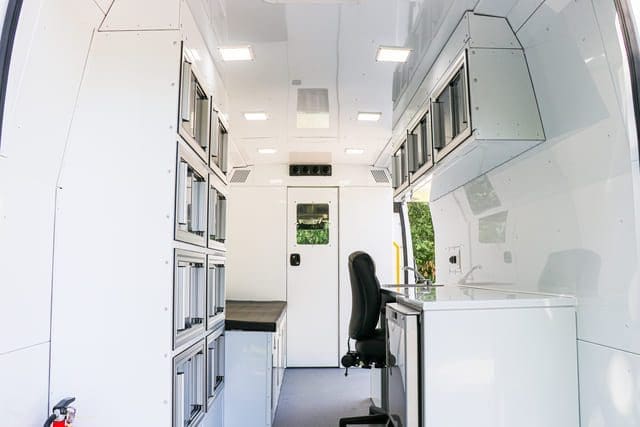
The clinic can park at your band office, school, or community center. Everything needed, including medical equipment, vaccines, and healthcare staff, is right there. It’s a full vaccine clinic on wheels, designed to serve your people where they live.
This matters a lot for elders, especially those with mobility challenges. For someone who can’t easily make a long trip to the nearest city, a mobile clinic can mean the difference between getting vaccinated and staying unprotected.
Culturally competent healthcare professionals
These clinics can be staffed with healthcare professionals who understand Indigenous cultures and values. They take time to listen, answer questions, and respect traditional beliefs.
When people feel understood, they’re more likely to trust the care being offered. That trust helps ease vaccine hesitancy, especially in communities that have faced historical trauma and mistreatment in healthcare systems.
Some teams even work with local Elders and Knowledge Keepers to guide the clinic’s approach. That makes the experience feel more like a partnership than a visit from outsiders.
Community-wide vaccination programs
A mobile vaccine clinic can vaccinate an entire community in a short time.
- Set up vaccination days where everyone can come to one location.
- Bring care to schools to make sure children and teens are protected.
- Hold special sessions for Elders in places they already feel safe.
It’s flexible, which means your community gets to decide how and when to organize the clinic’s visit.
Building trust through relationships
Healthcare isn’t just about shots and bandages; it’s about people. When the same mobile team visits regularly, they build real relationships. That ongoing connection helps rebuild trust in the healthcare system over time.
For example, let’s say a mobile clinic visits every few months. Over time, more people start to recognize the faces of the healthcare staff. They feel safe asking questions about other health needs, too, like diabetes care or checkups.
That’s the kind of care that lasts long after the mobile clinic leaves.
A healthier future for your community
Mobile vaccine clinics bring hope for the future. They remove travel barriers, respect traditions, and build trust.
For many Indigenous communities across Canada, this model of care can change everything. It’s about more than vaccines. It’s about empowerment, dignity, and taking control of your community’s health.
Ready to increase vaccination rates in your Indigenous community?
You came to this article looking for ways to increase vaccination rates in your Indigenous community and make healthcare easier to access. You wanted to understand the barriers holding your community back and how to overcome them.
After reading this, you’ve learned:
- Why vaccination rates are lower in many Indigenous communities across Canada
- How mobile vaccine clinics remove barriers like travel distance and lack of culturally safe care
- How these clinics empower communities with healthcare that respects traditions and builds trust
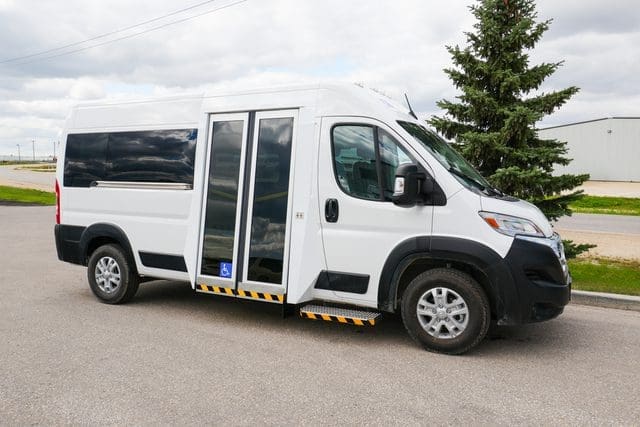
At MoveMobility, we’re proud to work with Indigenous communities like yours across Canada to design and build custom mobile medical vans that meet real needs. From mobile vaccination units to mobile health clinics, we’re helping you bring care directly to the people who need it. Our team builds solutions that strengthen communities, preserve dignity, and promote health for all.
If you have questions, click the button below to talk to one of our mobility experts. We’d love to learn about your community’s goals and help you design a mobile healthcare solution that truly fits.
If you’re not ready to talk to a mobility expert yet, here are a few articles that can help you learn more:
- What is a mobile vaccine clinic? Learn how these clinics operate and what makes them so effective for community care.
- Bridging gaps in healthcare for First Nations: Learn about the gaps in healthcare in First Nations communities.
- Leasing wheelchair/medical vans for First Nations: Benefits and BCR challenges: Understand your funding and leasing options for getting a mobile medical van.


 English
  French