
Have you ever wondered how the controls in a wheelchair van help staff manage comfort from the back of the vehicle? For many Canadian organizations, that question comes up fast once daily service begins. Staff might be loading a passenger during a freezing Winnipeg winter, or helping someone settle in during a humid Toronto summer afternoon.
Without clear access to rear controls in a wheelchair van, simple tasks become stressful. Your team may struggle to adjust heat, air flow, or interior lights while supporting a passenger. That gap can frustrate staff and leave riders uncomfortable. When the rear wheelchair van controls work well, the experience changes. Your team stays focused on the person in front of them. Riders feel comfortable and respected from the moment they enter the van.
At MoveMobility, we’ve spent more than 20 years building vehicles that remove barriers to healthcare and transportation across Canada. In the last three years alone, our team has manufactured over 480 wheelchair vans and 180 mobile medical units. Our vehicles carry the National Safety Mark, along with Ford Pro Upfitter and Stellantis QPro certifications. Organizations such as Liard First Nation have trusted us to support their programs. You care deeply about the people you serve. So do we. At the same time, we know there are other manufacturers in this space, and our goal here is to share helpful information that supports your decision-making.
After reading this article, you’ll be much more familiar with how to use the rear controls in your wheelchair van.
How do rear controls in a wheelchair van help your team manage comfort and safety?
The rear controls in a wheelchair van play a simple but important role in daily service. They help your team manage lighting and climate so every passenger stays comfortable. When your staff is loading someone using a wheelchair, those small adjustments make a big difference.
Your vehicle includes interior lighting along with rear heat and air conditioning to support passenger comfort. These features are controlled from the front of the vehicle. The controls sit on the left side of the steering wheel, where your driver can easily reach them.
This setup keeps things simple. Drivers can adjust the wheelchair van controls without leaving their seat. That means your team stays focused on the passenger instead of searching for switches.
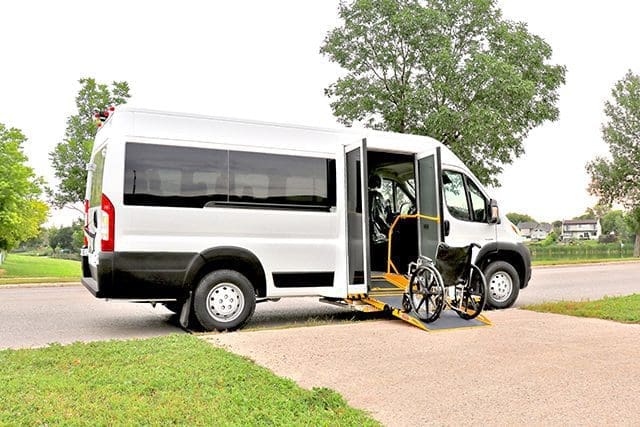
Where are the controls in your RAM ProMaster wheelchair van located?
Inside the driver’s area, the controls in a wheelchair van are grouped together for easy access.
You will find them:
- Left of the steering wheel: This area houses the climate and lighting switches.
- Near the main driver controls: Drivers can adjust settings while seated.
- Clearly labelled: Most vehicles mark these switches for quick identification.
This placement matters more than many people expect.
Picture a staff member helping a passenger board during a cold morning in Edmonton. The passenger enters the van after waiting outside. A quick turn of the heat control makes the space warm before the lift even finishes lowering.
Now imagine the opposite situation. It is mid-July in southern Ontario, and the sun has been beating down on the van. Turning on the air conditioning before passengers board cools the space quickly.
Those moments shape how riders feel about the trip.
How do the rear climate controls in a wheelchair van work
The rear controls in a wheelchair van manage heat and air conditioning that reach the passenger area. They are connected to the main climate system at the front of the vehicle.
From the driver’s seat, your team can adjust:
- Heat settings: Helps warm the rear cabin during colder months.
- Air conditioning: Keeps the passenger space cool during warmer weather.
- Fan speed: Controls how strongly air moves through the vehicle.
These wheelchair van controls give drivers the ability to adjust comfort levels during the trip.
Why is climate control so important in your wheelchair van?
Across Canada, the weather can change fast. Temperatures vary greatly between regions.
For example:
- Winnipeg winters can drop below -30°C.
- Vancouver summers can feel warm inside a vehicle parked in the sun.
Passenger comfort becomes especially important for people with mobility challenges. Many riders cannot easily adjust their clothing once they are secured in a wheelchair position.
Rear climate control helps your team respond quickly.
- Quick adjustments: Drivers can increase heat or cooling right away.
- Stable temperature: Passengers remain comfortable during longer rides.
- Better rider experience: People arrive relaxed instead of feeling uncomfortable.
For organizations that transport seniors, community members, or patients, that difference matters.
A comfortable ride often leads to a calmer arrival at appointments or programs.
How do the interior lighting controls in a RAM ProMaster wheelchair van work?
Lighting inside the passenger area also plays an important role. The controls in a wheelchair van allow the driver to turn interior lights on or off when needed.
The interior light button is located on the left side of the steering wheel, near the other driver controls.
Drivers simply press the button to activate the lights in the rear of the vehicle.
This feature supports several everyday tasks.
Situations where rear interior lighting helps
Your team may rely on the lighting controls more often than expected.
Here are a few common examples:
- Evening pickups: Interior lights help staff guide a wheelchair safely onto the lift.
- Winter mornings: Darkness can linger late in northern regions such as Yellowknife or Thunder Bay.
- Passenger checks: Staff can quickly see if seatbelts or wheelchair restraints are properly secured.
Lighting helps your team move carefully and confidently.
Imagine a driver picking up a client after a late evening medical appointment in Halifax. Without interior lighting, staff might struggle to confirm wheelchair tie-downs.
With the press of a button, the rear space becomes visible and safe.
How do rear controls in a wheelchair van make daily service easier?
When organizations plan transportation programs, the focus often falls on lifts, ramps, and wheelchair securement systems.
Those features are all important. Rear controls in a wheelchair van quietly support the entire experience.
Climate and lighting controls help your staff create a calm and safe environment.
Here are a few benefits organizations often notice:
- Passenger comfort: Riders stay warm during winter and cool during summer trips.
- Safer boarding: Interior lights help staff see clearly when securing mobility devices.
- Driver convenience: Controls located near the steering wheel allow quick adjustments.
- Better rider experience: Passengers feel respected when comfort is considered during the trip.
These benefits may seem small at first. Over time, they add up.
A transportation program that runs smoothly builds trust with the people it serves.
A simple example of wheelchair van controls in daily use
Picture a community transport program in northern Manitoba.
A driver arrives to pick up a senior heading to a medical appointment. Snow has been falling most of the morning. The temperature sits around-18°C.
Before lowering the lift, the driver increases the heat using the controls in a wheelchair van near the steering wheel.
When the passenger enters, the cabin already feels warm.
Later that day, the driver picks up another passenger after sunset. Darkness arrives early during the winter months. The driver turns on the rear interior lights so staff can secure the wheelchair safely.
Small adjustments like these happen dozens of times each week.
And each time, they help remove a barrier for someone who relies on accessible transportation.
Got any questions about rear wheelchair van controls?

Patent pending
You likely came here because you wanted to understand how the controls in a wheelchair van manage rear heat, air conditioning, and interior lighting. When staff are focused on helping passengers board safely, confusion around wheelchair van controls can slow things down and create stress during everyday trips.
After reading this article, you now know:
- Where rear controls in a wheelchair van are located and how drivers access them near the steering wheel
- How wheelchair van controls adjust heat, air conditioning, and interior lighting for passenger comfort
- Why these simple controls help staff create a safer and more comfortable ride
At MoveMobility, we’ve spent decades working alongside organizations like yours and Corner Brook Transit across Canada that rely on accessible transportation every day. From community health teams to senior transportation programs, we listen carefully to how vehicles are used in real life before we build them.
That approach has helped organizations like Loft bring reliable mobility solutions to the people they serve. Our focus stays simple. Build vehicles that help your team remove barriers, treat people with dignity, and connect communities to care. If you have questions about wheelchair van features or planning your next vehicle, click the button below to speak with a mobility expert.
If you’re not ready to talk to a mobility expert yet, we have a few other resources you should check out to learn more.
Recommended next reads
- How to choose a wheelchair van (11 steps): A helpful guide that walks through the key decisions organizations face when selecting the right accessible vehicle.
- How much does a wheelchair van cost? Understanding pricing early helps you plan budgets and avoid surprises during the buying process.
- What safety features are in a wheelchair van? Learn how the safety features in your wheelchair van work together to protect passengers and staff.


 English
  French