

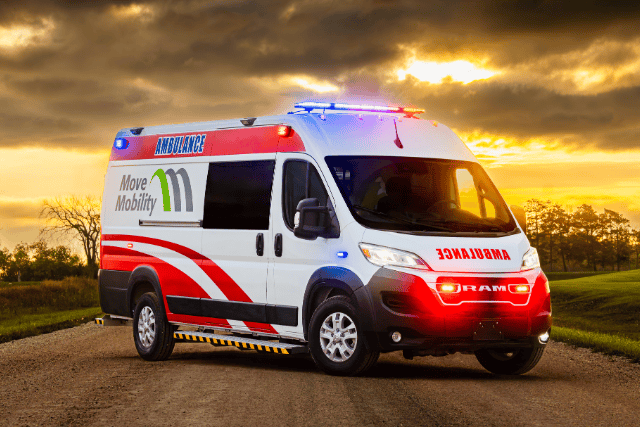
A type 2 ambulance is often the missing link for organizations trying to deliver fast, reliable care without stretching already thin resources. Across Canada, EMS response times continue to face pressure, especially in rural and northern regions. In parts of Canada, emergency response times are falling short of established targets, leaving some communities waiting longer for care.
If you’re responsible for patient transport or emergency response, that gap likely feels personal. You’re balancing limited budgets, growing demand, and the reality that delayed care puts people at risk. When that gap stays open, the impact shows up as longer wait times, staff burnout, and communities losing trust in the system. The desired state is clear. Faster response. Safer transfers. Care that reaches people where they are.
That’s where we come in. At MoveMobility, we’ve spent over 20 years helping organizations across Canada reduce barriers to healthcare and transportation. We’ve built more than 150 mobile medical units and work under Ford Pro Upfitter and Stellantis QPro certifications. We’ve partnered with organizations like Transdev, supporting access to care in remote regions. We also know we’re not the only manufacturer out there, so we focus on sharing what’s practical and proven.
In this article, you’ll learn the eight standout features of our type 2 ambulance, which will soon be on the market.
What are the eight features of MoveMobility’s type 2 ambulance?
A type 2 ambulance should work with your crew, not against them. The right features and design choices reduce strain, speed up care, and help teams stay focused during high-pressure moments. In the next sections, we’ll break down the eight features that matter most in a real Canadian EMS environment, starting with one that crews notice the second they step inside.
1. Stand-up interior height in a type 2 ambulance supports safer, faster care
Stand-up interior height may sound simple, but it changes how care is delivered inside a type 2 ambulance. With a full 6’2″ interior height, your crew can stand upright while working. That means fewer awkward positions and more control during patient care, especially for taller folks.
When space is tight, small tasks take longer. Bending over to start an IV or check vitals adds strain and increases fatigue over a long shift. Over time, that wear shows up as sore backs, slower response, and higher injury risk. This is a gap many organizations feel but struggle to fix.
A higher stand-up interior helps close that gap by giving paramedics room to move with confidence. It supports better posture and clearer sightlines. In colder regions like Northern Ontario or the Prairies, crews often wear heavier gear. Extra headroom keeps movement easy, even with winter layers on.
Here’s how this feature makes a difference in day-to-day operations:
- Crew safety: Standing upright reduces strain during lifts and procedures.
- Patient dignity: Care feels calmer and more controlled when providers can move freely.
- Workflow speed: Tasks happen faster without constant repositioning.
- Shift endurance: Less fatigue means crews stay sharp longer.
If you’re comparing a type 2 ambulance for sale, interior height should be high on your list. It supports the people delivering care and the people receiving it. When your team feels better inside the vehicle, outcomes tend to follow.
2. Feels bigger inside than it looks from the outside
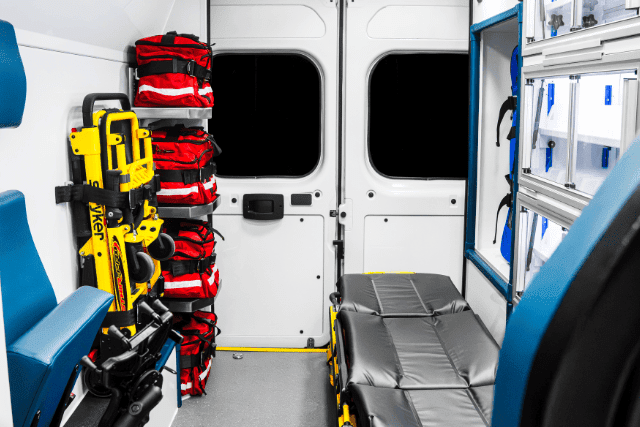
One of the first things crews say when they step into our type 2 ambulance is that it feels bigger than they expected.
A cramped interior creates quiet stress. Supplies get stacked wherever they fit. Crews waste time reaching, turning, and searching during moments when every second matters. Over a shift, that constant friction wears people down. It also increases the chance of mistakes, especially during busy calls or long transfers between communities.
Our layout focuses on how people actually move inside the vehicle. Storage is placed where hands naturally reach. Walkways stay clear. Equipment has a home that makes sense. The result is a workspace that feels open, calm, and predictable, even during high-pressure calls.
This matters even more in parts of Canada where long transport times are common. A patient transfer from a remote community in Manitoba or Northern Quebec can take hours. When the space feels open, those hours feel more manageable for everyone inside.
Here’s what that thoughtful layout solves in real terms:
- Reduced mental load: Less clutter means fewer distractions during care.
- Faster access: Supplies are easy to find when seconds matter.
- Improved teamwork: Two providers can work side by side without bumping elbows.
- Calmer patient experience: Open space helps patients feel less confined.
When you’re evaluating a type 2 ambulance for sale, the interior layout often gets overlooked. Yet it shapes every call. A space that feels larger supports better care, steadier crews, and more confident decision-making. That’s a gap worth closing.
3. Highly maneuverable for tight, busy environments
A type 2 ambulance can often go where larger vehicles struggle. In real life, that means narrow streets, packed parking lots, and tight community spaces. When a vehicle feels hard to handle, stress rises before the call even begins:
- Drivers tense up.
- Crews lose precious time repositioning.
- Patients wait longer than they should.
High maneuverability closes that gap. Our type 2 ambulance is built to feel confident behind the wheel, even in busy urban centres or compact rural sites. Think downtown Toronto side streets, older neighbourhoods in Halifax, or small health centre lots in Northern communities. Being able to turn, park, and reposition quickly changes the pace of care.
This is important during urgent calls and during everyday operations. A vehicle that feels predictable reduces driver fatigue and lowers the risk of minor collisions. It also builds confidence for newer drivers who may not have years of experience handling emergency vehicles.
From the patient’s perspective, smoother driving makes a difference too. Sharp turns and constant stops add anxiety during transport. A vehicle that moves easily helps the ride feel calmer and more controlled.
Here’s what maneuverability really delivers:
- Driver confidence: Easier handling reduces stress on every shift.
- Faster access: Crews reach patients sooner in tight locations.
- Safer navigation: Lower risk in crowded or unfamiliar areas.
- Patient comfort: Smoother movement supports a steadier ride.
If you’re comparing an ambulance type 2 for your fleet, how it drives matters as much as what’s inside. A maneuverable vehicle supports quicker response, safer transport, and a better experience for everyone involved. That’s the kind of reliability teams can count on.
4. Clean, modern interior that supports confidence and care

Step inside a type 2 ambulance, and the interior sets the tone for the entire call. When surfaces feel worn, cluttered, or hard to clean, it creates doubt. Crews feel it. Patients feel it even more. In moments when trust matters most, the environment must support calm and professionalism.
A clean, modern interior closes that trust gap. Smooth, practical surfaces make cleaning faster and more reliable between calls. There are fewer seams, fewer hard-to-reach corners, and less guesswork for crews trying to reset quickly. In a Canadian EMS setting, where back-to-back calls are common, that time saved adds up fast.
Modern design also reduces mental load. When everything looks intentional and well cared for, crews can focus on care instead of fighting the space around them. For patients, especially those already anxious or in pain, a bright and organized interior feels safer and more respectful.
This becomes even more important during flu season or community outbreaks. Infection control isn’t abstract. It’s part of daily operations, from urban hospitals to remote health centres.
Here’s how a clean interior supports real-world EMS work:
- Faster turnaround: Smooth surfaces clean quickly between calls.
- Patient trust: A modern space feels safe and professional.
- Crew focus: Fewer distractions during critical moments.
- Long-term durability: Materials hold up to heavy use and cleaning.
When reviewing a type 2 ambulance for sale, the interior finish can feel cosmetic at first glance. In practice, it shapes how care is delivered and how your service is perceived. A clean, modern space supports dignity, safety, and confidence on every call.
5. Lower operating costs
Running a type 2 ambulance involves daily cost decisions that rarely appear in the purchase brochure. Fuel, maintenance, and downtime quietly shape your budget long after the vehicle arrives. When operating costs creep up, something else usually gives. Fewer units on the road. Delayed upgrades. Hard choices that impact service levels.
A smaller, more efficient platform helps close that gap. Compared to larger ambulance units, a type 2 ambulance typically delivers better fuel economy and a more predictable cost profile. That’s an important consideration in Canada, where long distances are common, and fuel prices can swing fast. A rural transfer across Saskatchewan or Northern British Columbia adds up quickly when efficiency is low.
Lower operating costs also create breathing room. Money saved on fuel and maintenance can go back into staffing, training, or patient programs. It gives organizations more control and less financial pressure month after month.
For crews, efficiency supports reliability. Vehicles that are easier on components often spend less time in the shop. That means fewer schedule disruptions and more confidence that a unit will be ready when needed.
How do lower operating costs show up in daily operations?
- Fuel savings: Better efficiency reduces spending over long distances.
- Predictable maintenance: Simpler platforms support easier servicing.
- Fleet flexibility: Budget room allows more units on the road.
- Long-term planning: Fewer surprises make forecasting easier.
When you’re evaluating a type 2 ambulance for sale, the purchase price tells only part of the story. Operating costs shape your ability to serve communities year after year. A vehicle that costs less to run helps protect access to care without sacrificing performance.
6. OEM chassis you can rely on
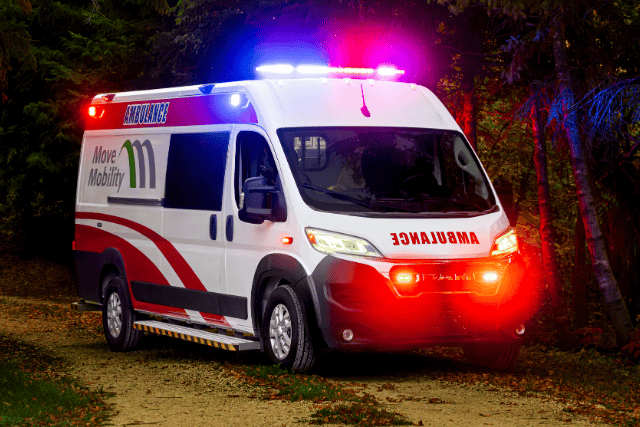
A type 2 ambulance is only as dependable as the platform it’s built on. When a vehicle spends more time waiting for parts or specialized service, the gap shows up fast:
- Missed calls.
- Rescheduled transports.
- Crews scrambling to cover shifts with fewer units available.
Building on a proven, widely supported platform gives you reliability you can plan around. Parts are easier to source. Service centres are familiar with the chassis. Downtime stays shorter and more predictable. In Canada, where vehicles may operate far from major cities, that support network makes a real difference.
Think about a unit serving communities in Northern Alberta or along the Trans-Canada Highway. If something needs attention, access to authorized service centres helps keep the vehicle moving. You’re not relying on custom fixes or hard-to-find components. That stability reduces stress for fleet managers and operators alike.
For crews, reliability builds trust. When drivers and paramedics feel confident the vehicle will perform as expected, they can focus fully on patient care. For leadership, serviceability supports smarter planning and fewer disruptions.
Here’s how an OEM chassis supports everyday operations:
- Consistent uptime: Fewer delays due to parts or service access.
- Nationwide support: Easier servicing across provinces and regions.
- Lower repair risk: Proven platforms reduce unexpected failures.
- Operational confidence: Teams trust the vehicle under pressure.
If you’re reviewing an ambulance type 2 option, chassis choice deserves close attention. A reliable foundation supports long-term service, steady operations, and the confidence to respond when communities call. That peace of mind carries weight long after delivery day.
7. Configured for remote and urban realities
A type 2 ambulance often serves more than one environment. One day, it’s navigating city streets. The next, it’s supporting a long transfer from a remote community. When a vehicle is locked into a single layout, crews feel that limitation fairly quickly. The space stops working for the call in front of them.
Configurability helps close that gap. Our type 2 ambulance can be set up with a bench option for remote transport or a flip-down seating option for urban use. That flexibility lets you match the interior to how care actually happens in your region.
In remote areas, longer transport times are common. A bench layout supports patient comfort and allows crew members to position themselves more easily during extended transfers. In urban settings, flip-down seating creates open space when it’s needed and tucks away when it’s not. That adaptability keeps the vehicle useful across a wide range of calls.
For organizations covering mixed service areas, this flexibility can reduce the need for multiple vehicle types. One unit can support different realities without compromise.
How does configurable seating support your team and your community?
- Regional fit: Layout matches local transport patterns.
- Crew adaptability: Space adjusts to the call, not the other way around.
- Patient comfort: Seating supports longer or shorter transports as needed.
- Fleet efficiency: One vehicle serves multiple use cases.
If you’re considering a type 2 ambulance for sale, keep in mind that configuration options deserve close attention. A vehicle that adapts to both remote and urban needs helps you respond with confidence wherever the call comes from. That flexibility keeps care moving, even as demands change.
8. Field-feedback improvements that respect how crews actually work
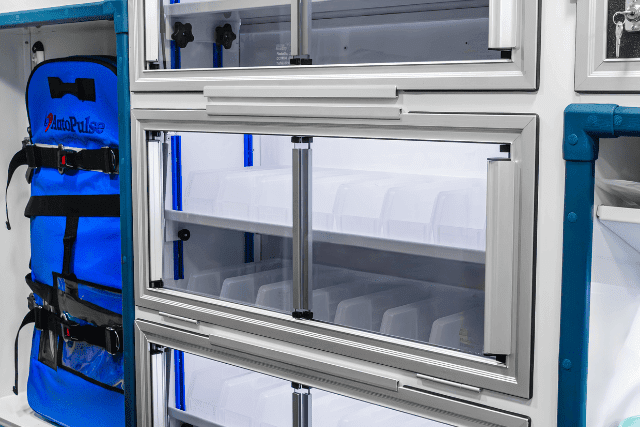
A type 2 ambulance should feel like it was designed with your crews in mind, not just drawn up on a screen. When equipment placement doesn’t align with real workflows, frustration builds quickly. Crews waste time reaching, lifting, and rerouting at times when focus should remain on the patient.
Field-feedback improvements close that gap. These are practical design choices shaped by how EMS teams actually work in the field. One example is relocating key equipment access, such as stair chair storage at the rear of the vehicle. That small change has a big impact during calls involving stairs, apartments, or tight entryways.
Instead of carrying equipment around the vehicle or working against the layout, crews can access what they need right where it makes sense. That reduces strain and speeds up transitions from scene to transport. In urban centres with multi-storey housing or older buildings, these details matter every day.
In rural settings, where crews may work with fewer hands, thoughtful equipment placement supports safer solo or two-person operations. It also lowers the risk of injury during repeated lifts.
Here’s what field-driven design delivers:
- Faster scene exits: Equipment is ready where it’s used most.
- Reduced strain: Less lifting and repositioning during calls.
- Workflow clarity: Layout matches real call sequences.
- Crew trust: Teams feel heard and supported by the design.
When your team is reviewing an ambulance type 2, these details often separate a good vehicle from a great one. Design shaped by field feedback supports safer crews, smoother calls, and care that flows naturally. That alignment helps everyone focus on what matters most in the moment.
Want to learn more about our type 2 ambulance features?
You came here because maybe something is feeling a little off in your current ambulance setup. Response times feel tight. Crews are stretched. Communities expect faster, safer care, and you’re looking for a type 2 ambulance that actually supports that reality instead of adding friction.
After reading this article, you’ve seen how the right design choices can change day-to-day operations. You learned how interior space, maneuverability, layout, and configuration shape crew safety, patient dignity, and long-term costs.
At MoveMobility, we’ve spent over two decades listening to EMS teams, health leaders, and community organizations across Canada. Our work spans urban centres, remote regions, and First Nations communities, with every vehicle built to meet Canadian safety standards and real operational demands.
We design with empathy, grounded in what crews face every shift and what patients feel in vulnerable moments. That’s why organizations trust us to help remove barriers to healthcare and transportation. If you have questions or want to talk through your needs and learn more about our type 2 ambulance, which is soon coming to market, click the button below to connect with an ambulance expert who understands your world.
Recommended next reads
If you’re not ready to talk to an ambulance expert yet, here are a few resources that can help you take the next step:
- Mobile Response Van vs. Ambulance: Which is right for your organization? Reading this will help you confirm if a type 2 ambulance is the right fit compared to other response options.
- Emergency response units: Van vs. Truck with capsule: This article breaks down vehicle platforms so you can choose based on terrain and service model.
- Things to consider before choosing an ambulance type: Reading this will help you think through your decision a little more clearly.

 English
  French