Did you know that for the week ending December 13th, 2025, nearly 21% of tests came back positive for the flu in our province? It’s a scary time for healthcare leaders like you. You see the surge in flu cases filling up waiting rooms from Winnipeg to Brandon, and it feels like you’re constantly playing catch-up. You worry about your staff burning out and your patients waiting hours just to get a simple flu shot Manitoba health teams usually handle with ease.
The gap is that your fixed clinics are overflowing, and the people who need help the most can’t always get to you. If this flu surge keeps growing, it could mean more hospital stays and more stress on a system that’s already tired. You want to protect your community, but you need a way to reach them where they live, work, and play.
At MoveMobility, we’ve spent over 20 years helping organizations like yours bridge these gaps. We’ve manufactured more than 150 mobile medical units, and we’re proud partners of groups like Keewatinohk Inniniw Minoayawin. Our team has earned the Ford Pro Upfitter and Stellantis QPro certifications. We also hold the National Safety Mark to show our vehicles meet the highest safety rules. We know we aren’t the only ones building these, but we truly care about making sure your mission succeeds. Our vehicles are tools that help you save lives.
In this article, you’ll learn:
- How the current flu in Manitoba is affecting our local hospitals.
- Why a mobile vaccine clinic in Manitoba helps reach vulnerable people.
- How bringing the Manitoba flu shot to the streets reduces hospital admissions.
How is the flu surge in Manitoba affecting our hospitals?
It’s a tough time to be in healthcare in Manitoba right now. If you’ve walked through a hospital in Winnipeg or Portage la Prairie lately, you’ve likely seen the long lines. The flu cases surge across Manitoba has been hitting us fast. As we mentioned earlier, the week ending December 13th, nearly 21% of all flu tests came back positive. That’s a huge jump from what we usually see. When so many people get sick at once, it puts a giant weight on our doctors and nurses. Where’s the extra space? Where’s the extra time? It feels like there’s never enough of either.
This surge in flu cases isn’t just a number on a chart. It’s real people needing help. We’re seeing more folks being admitted to the hospital because the flu has made them very weak. Our emergency rooms are getting crowded with over 1,900 visits for breathing problems in just one week. This creates a gap where people with other emergencies might have to wait longer. It’s heartbreaking to see families sitting in waiting rooms for hours, hoping for a bit of care.
The real impact on our local care teams
Our hospitals are doing their best, but they’re feeling the strain. It’s like trying to bail out a boat with a tiny cup while a giant wave crashes over the side.
Here’s what that looks like on the ground:
- Crowded waiting rooms: More people are coming in with the flu in Manitoba than we’ve seen in a long time.
- Fewer open beds: With 367 hospital admissions already this season, beds are filling up fast.
- Tired staff: Nurses and doctors are working extra hours to keep up with the flu cases Manitoba is reporting.
- Delayed care: When the ER is full of flu patients, it’s harder to get to other health needs quickly.
It’s a lot to handle. You want to give every patient the best care, but the sheer volume of the flu surge makes that difficult. We understand the pressure you’re under and the stress and the worry for our community’s health. We see the gap between the care you want to give and the reality of an overfilled hospital. Providing a flu vaccine to Manitoba residents can easily help stop the cycle. Reaching people before they get this sick is the key, and that’s where a different approach could really help.
How can a mobile vaccine clinic help during a flu surge?

Think about your grandma or an older neighbour living in a rural spot like Dauphin or a quiet corner of the Interlake. For them, getting a flu shot that health officials recommend isn’t always as simple as hopping in a car. Imagine having to plan an entire day around a single appointment. If they don’t drive or if they use a walker, getting to a big hospital in the city can feel like climbing a mountain.
They might have to wait for a handi-van, sit in a busy waiting room for hours, and then face a long ride back. By the time they get home, they’re exhausted. It’s no wonder some people just decide to skip it. This creates a dangerous gap where the people who are most at risk of getting really sick are the ones who can’t get the vaccine.
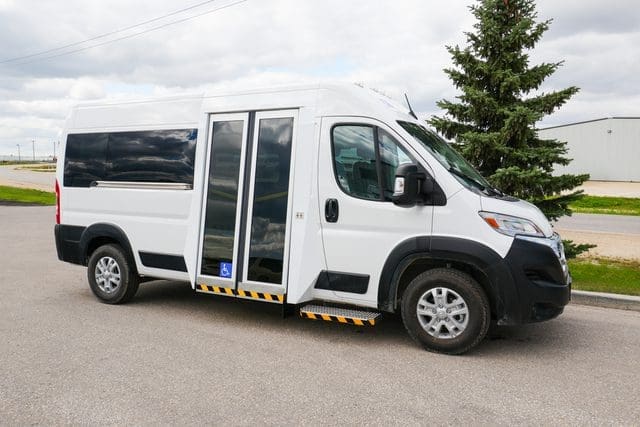
A mobile vaccine clinic in Manitoba changes that entire story. It’s like bringing the doctor’s office right to their front door or their local community centre. Instead of a chore, getting a flu vaccine for Manitoba residents becomes a quick, friendly visit. This kind of preventive care stops the problem before it starts. When we make it easy for seniors and people with mobility issues to get protected, we keep them out of those crowded emergency rooms we talked about earlier. It gives them back their dignity because they don’t have to rely on a complicated web of favours and difficult travel just to stay healthy.
Overcoming the hurdles to healthy living
There are so many little things that can stop someone from getting their Manitoba flu shot. When you use a mobile unit, you’re knocking down those walls one by one. It’s about more than just the medicine; it’s about making people feel seen and cared for in their own space.
- No more travel stress: You bring the care to them, so they don’t have to worry about gas money or finding a ride.
- Shorter wait times: Since the clinic comes to a specific neighbourhood, there aren’t massive hospital lineups.
- Comfort and safety: Staying in a familiar area feels much safer for someone who might be nervous about big, busy medical buildings.
- Better timing: You can set up the mobile vaccine clinic in Manitoba at times that actually work for the community, like during a local lunch or social hour.
Mobile vaccine clinics make healthcare feel human again
For many, the hospital can feel a bit cold or scary. It’s a place you go when things are already wrong. But a mobile unit feels different. It’s a sign that their health matters enough for the hospital to come to them. This builds a lot of trust, especially in areas where people might feel forgotten. When a van pulls up, and a friendly face steps out to offer a flu shot families can rely on, it sends a powerful message: “You are important, and we are here for you.”
This connection is a huge part of why these units work so well. It’s about empowering a senior to stay independent and healthy in the home they love. When you fill this gap, you’re giving people the freedom to live their lives without the constant fear of the next flu surge putting them in a hospital bed. It’s a simple change that makes a life-changing difference for our most vulnerable neighbours.
How does bringing the Manitoba flu shot to the streets and communities reduce hospital admissions?
It’s easy to look at a mobile vaccine clinic in Manitoba and see a van. But when you look at the data, you see a shield. During a flu surge, our hospitals act like a funnel. Everyone who gets sick ends up there because they didn’t have a way to stay healthy earlier. When your mobile vaccine clinic brings flu vaccinations directly to community hubs, you’re essentially plugging the leaks in that funnel before the hospital overflows.
The numbers tell a very clear story. When people can get their flu vaccine Manitoba-wide without a struggle, hospital numbers drop. Recent data from the CDC shows that flu vaccines can reduce the risk of being hospitalized by about 40% to 60%. Imagine taking nearly half of the flu patients out of a crowded ER in Winnipeg. It would completely change the atmosphere for the staff and the patients left waiting.
Turning the tide on hospital admissions
The gap we see is often a lack of low-barrier access. If someone has to take two buses to get a shot, they might wait until they’re actually sick to seek help. By then, it’s an emergency. Studies on mobile health clinics have found that about 37% of people using them would have ended up in the emergency department if the mobile unit hadn’t been there.
Here is how that data translates to real-world relief for our healthcare system:

What’s the ripple effect of preventive care?
When a mobile vaccine clinic in Manitoba visits a high-traffic area, it protects the whole neighbourhood. This is what experts call herd immunity, and it’s a numbers game. If a mobile vaccine clinic were able to reach those 367 Manitobans who ended up in the hospital with the flu recently, the whole situation may have been avoided in the first place.
It’s about being proactive instead of reactive. Where’s the logic in waiting for the hospital to break under the pressure? A targeted approach with a mobile vaccine clinic ensures that the surge in flu cases doesn’t turn into a total system collapse. It’s a smart, efficient way to use resources to keep our beds open for other life-saving surgeries and emergencies. We’re proud to build the tools that make this data-driven care possible across the province.
Got any questions about mobile vaccine clinics?

There’s a good chance you landed on this article before your organization is feeling the weight of the current flu surge and the pressure it puts on your healthcare team. It’s stressful to watch hospital wait times climb while knowing some of your most vulnerable patients simply can’t make it to your doors for help.
After reading this, you now have a better understanding of:
- How the surge in flu cases is creating a massive gap in hospital capacity across the province.
- The way mobile units act as a preventive shield to keep people healthy and out of the ER.
At MoveMobility, we’ve spent more than two decades listening to the stories of healthcare providers from coast to coast. We’re proud to have partnered with organizations like Liard First Nation to bring high-quality care to places where it’s needed most. Our team creates vehicles where dignity and health come first, ensuring every Canadian has a fair shot at staying well.
We’ve stayed leaders in this industry because we treat every build like it’s going to serve our own family members. If you have any questions about how to get started, click the button below to talk to a mobility expert.
If you’re not ready to talk to a mobility expert yet, we have a few other resources you should check out to learn more.
What should you read next?
- What is a mobile vaccine clinic? This makes sense to read if you want a deeper dive into mobile vaccine clinics.
- What five problems does a mobile vaccination clinic solve in Ontario? This article is a perfect read because the challenges of reaching people during a flu surge are very similar to what we face here in Manitoba.
- How can a mobile clinic reduce ER wait times? You should check this out to see more details on how these vehicles act as a safety valve for our busy hospitals, which is exactly what Manitoba needs right now.


 English
  French