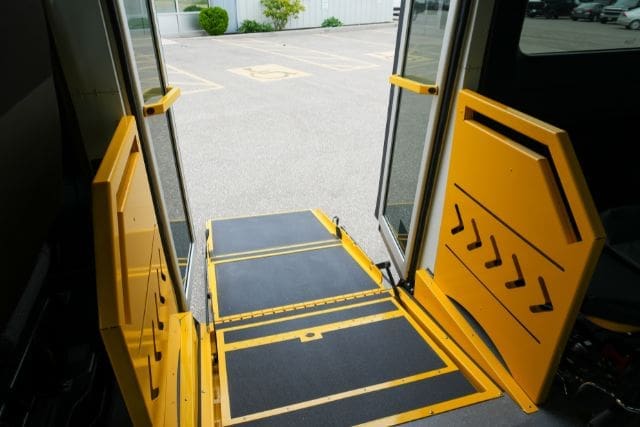
Wheelchair ramp service often gets booked when something feels off. Maybe you’re experiencing a slower deploy, a strange noise, or a ramp that works most days, but not all. If you manage a transit or health program, that moment brings a knot to your stomach.
You’re thinking about missed trips, safety reports, and the people who rely on that ramp to show up with dignity. In Canada, mobility device failures are a real issue. Transports Canada issues thousands of vehicle and equipment safety recalls every year, many tied to mechanical or electrical faults that went unnoticed or were serviced improperly.
You need a wheelchair van ramp that works every time, in winter, in small towns, and on long routes. What you often get is pressure to fix it fast. A general mechanic offers help. A well-meaning technician says they’ve seen this before. The risk is hidden until it’s not. A failed ramp can sideline a vehicle, put passengers at risk, and trigger funding or compliance issues. The desired state feels simple. Confidence. Knowing your wheelchair van ramp service protects people, programs, and trust.
We’ve spent over 20 ans working alongside organizations like yours and Keewatinohk Inniniw Minoayawin, Transdevet LOFT. A MoveMobility, we build and support vehicles under Ford Pro Upfitter and Stellantis QPro certifications, with the Marque nationale de sécurité. We listen first, build second, and we respect that we’re not the only manufacturer in this space.
Dans cet article, vous apprendrez
- Why rampe d'accès pour fourgonnette en fauteuil roulant service should only be done by approved technicians
- What’s at risk when shortcuts happen
- How to protect uptime, safety, and dignity
Wheelchair van ramp service: Why should it be done by approved technicians?
When you book wheelchair ramp service, you’re not likely not thinking about bolts, bushings, or torque specs. You’re thinking about people getting where they need to go without fear or delay. Approved technicians exist to protect that outcome.
Wheelchair ramps are safety systems. They carry weight, move under load, and rely on precise alignment and manufacturer-specific parts. Approved technicians are trained on that exact system, not a lookalike. They follow documented service steps, use correct replacement parts, and test the ramp under real conditions before returning the vehicle to service.
The gap appears when speed or cost drives the decision instead of safety. An unapproved technician may be skilled, well-intentioned, and experienced with vehicles. What they often lack is access to manufacturer updates, service bulletins, and approved hardware. That missing knowledge creates risk that doesn’t show up right away.
Your desired state is simple. A ramp that works the same way in January as it does in July. A vehicle that passes inspections, and a program that avoids incidents, claims, and hard conversations with families and funders.
Approved wheelchair van ramp service supports that outcome because it’s built around accountability, traceability, and safety standards that match Canadian operating conditions.
What can go wrong when wheelchair ramp service is done by unapproved technicians?
Most failures don’t happen all at once. They build quietly.
One client came to us after a ramp began binding during deployment. The issue traced back to an RA300 pivot nut that backed out. It had been reassembled by an unapproved technician. Critical parts were missing. The bushing was damaged from improper installation. On the surface, the ramp still moved. Under load, it was unsafe.
That single service decision created a chain of problems.
Here are a few other examples that wheelchair van service from unapproved technicians can cause:
- Improper fasteners: Non-OEM bolts are used because they “fit.” Over time, vibration causes loosening, especially on rural highways.
- Electrical shortcuts: Ramp wiring spliced without weather-rated connectors. Salt and moisture creep in during winter. Intermittent failures follow.
- Missed calibration: The ramp deploys, but sensors are slightly off. The system doesn’t stop when it should. Wear accelerates fast.
- Skipped load testing: The ramp cycles empty but fails under passenger weight. That’s when incidents happen.
Each example starts small. Each ends with downtime, stress, and risk that lands on your desk.
What’s the hidden liability behind improper wheelchair van ramp service?
Liability isn’t always obvious until something goes wrong. With wheelchair van ramp service, the exposure can be significant.
When a ramp fails, responsibility doesn’t stop with the technician. It lands with the organization that approved the work.
That includes:
- Transit agencies
- Health authorities
- Non profits
- First Nations programs
- Private operators under contract
If a passenger is injured, investigations follow. Maintenance records are reviewed. Service credentials matter. Insurance providers ask who touched the ramp last.
Unapproved service can lead to:
- Denied warranty claims
- Insurance disputes
- Failed audits
- Lost financement eligibility
- Legal action
In Canada, accessibility standards and duty of care expectations are clear. Programs are expected to take reasonable steps to protect passengers. Using approved technicians is one of those steps.
The financial impact can be heavy. A single incident can exceed the cost of years of proper servicing. That’s a gap no budget plans for.
How do approved technicians protect uptime and budgets?
Downtime hurts more than schedules. It erodes trust.
When vehicles sit waiting for parts or reinspection, routes get cut. Staff scramble. Passengers feel the impact first.
Approved wheelchair ramp service reduces that risk because:
- Parts are correct the first time
- Repairs follow manufacturer guidance
- Issues are documented properly
- Warranty protection stays intact
That means fewer repeat visits. Fewer surprise failures. Fewer emergency call-outs during peak service.
From a budget view, this matters. Planned service costs less than reactive fixes. Approved technicians help you stay in control instead of constantly catching up.
How do Canadian conditions raise the stakes for wheelchair ramp service?
Canada is tough on mobility equipment.
Cold temperatures stiffen materials. Road salt accelerates corrosion. Gravel roads shake hardware loose. Long distances stretch maintenance intervals.
Approved technicians understand how ramps behave in:
- Northern communities
- Prairie winters
- Coastal moisture
- Urban stop-and-go routes
They inspect for issues that general service often misses. They apply updates designed for Canadian use. That local knowledge closes the gap between theory and reality.
A ramp that works in a warm shop may fail on a frozen morning in Thompson or Timmins. Approved service accounts for that difference.
Why cutting corners feels tempting but costs more later
It’s easy to see why organizations take the risk.
- The ramp “still works”
- The quote is lower
- The technician is nearby
- The schedule is tight
In the moment, it feels practical.
The long-term cost shows up later through:
- Repeat failures
- Lost service hours
- Staff fatigue
- Passenger complaints
- Incident reports
That’s when leadership asks how this happened. Maintenance decisions resurface. The gap becomes visible.
Approved wheelchair van ramp service helps you avoid that cycle. It replaces short-term fixes with long-term stability.
What does approved wheelchair ramp service look like in practice?
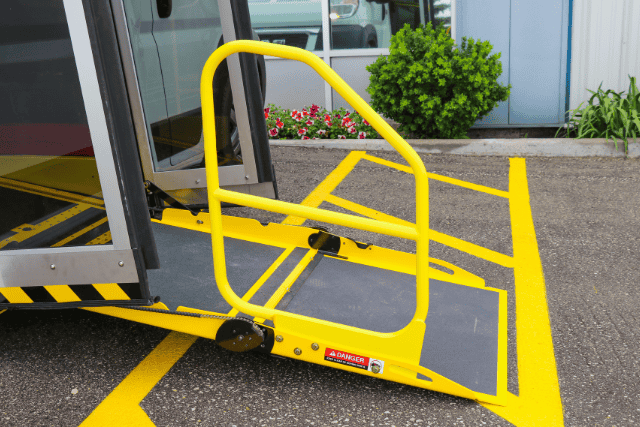
Approved service is structured, not rushed.
It includes:
- Manufacturer-trained technicians
- OEM parts and hardware
- Documented inspections
- Load and function testing
- Clear service records
You get transparency. You know what was done and why. That matters during audits, renewals, and funding reviews.
It also supports your team. Drivers trust the equipment. Dispatch plans with confidence. Passengers feel safe boarding every time.
That’s the desired state. Calm operations. Predictable costs. Dignified access.
Why this decision protects people first
At the heart of this topic is trust.
People step onto ramps believing they’ll hold. Families trust programs to choose safety over speed. Communities rely on these vehicles to stay connected.
Wheelchair ramps aren’t accessories. They’re lifelines.
Choosing approved technicians for wheelchair ramp service protects:
- Passagers
- Staff
- Programs
- Reputations
It reduces barriers instead of creating new ones. It supports freedom, independence, and continuity of care.
And when something does go wrong, you can stand behind your decision with confidence.
How do you tell if your wheelchair ramp service provider is truly approved?
After learning why approved wheelchair ramp service is so important, the next question is, how do you actually tell if the technician working on your ramp is approved, or just confident?
This is where many organizations feel stuck. Titles sound similar. Promises sound reassuring. The gap shows up when you realize there’s no clear checklist, yet the risk sits squarely with you.
Approved doesn’t mean experienced with vehicles. It means trained, authorized, and accountable for that specific ramp system.
An approved wheelchair van ramp service provider typically has:
- Manufacturer training for the exact ramp brand and model
- Access to current service bulletins and updates
- Authorization to install OEM replacement parts
- Clear testing and inspection procedures after service
That approval matters because ramp systems change over time. Hardware revisions happen. Torque specs get updated. Safety features evolve. Approved technicians stay current. Others often don’t know changes exist.
If a provider can’t explain how they stay aligned with the ramp manufacturer, that’s a warning sign.
Five questions to ask before booking wheelchair van ramp service
These questions help you move from uncertainty to clarity fast. A qualified provider will answer them without hesitation.
1. Who authorizes your ramp service work? You’re listening for a clear link to the ramp or vehicle manufacturer, not a vague answer about general experience.
2. What training do your technicians receive? Approved service involves formal training, refreshers, and documentation.
3. Do you use OEM parts for repairs? Generic parts might fit, but they often change load behaviour and wear patterns.
4. What testing is done before the vehicle returns to service? Approved wheelchair ramp service includes load testing, cycling, and safety checks.
5. Will we receive written service records? Documentation protects your program long after the appointment ends.
If answers feel rushed or unclear, pause. That discomfort is useful.
Four green flags that signal safe and approved wheelchair ramp service
Some indicators make approval easier to spot.
1. Manufacturer certifications on the vehicle: Vehicles carrying the National Safety Mark signal compliance with federal safety standards. That matters when service records are reviewed after an incident.
2. Upfitter program participation: Programs like Ford Pro Upfitter or Stellantis QPro show that a manufacturer or service partner meets strict build and service requirements. These programs don’t accept shortcuts.
3. Clear service documentation: Approved providers give you written proof of what was done, what parts were used, and what tests were completed.
4. Willingness to explain: Approved technicians don’t hide behind jargon. They explain risks, options, and outcomes clearly.
When a provider welcomes questions instead of deflecting them, that’s a strong signal you’re in good hands.
Five red flags that often point to unapproved wheelchair ramp service
Red flags usually sound reasonable at first.
1. “We’ve worked on these ramps before.” That doesn’t confirm approval. Ask where the training came from.
2. “The part is basically the same.” Basically isn’t acceptable when weight, torque, and safety are involved.
3. No written report offered: Verbal confirmation doesn’t protect your organization later.
4. No post-service testing: A ramp that moves isn’t the same as a ramp that’s safe under load.
5. Pressure to decide quickly: Approved service stands up to scrutiny. Rushed decisions often hide gaps.
Trust your instincts here. If something feels off, it usually is.
Why is documentation so important?
Service records don’t feel urgent until they are.
When audits, funding reviews, or insurance questions arise, documentation becomes your safety net.
Approved wheelchair ramp service includes records that show:
- Who performed the work
- What training they hold
- Which parts were installed
- What testing was completed
Without that paper trail, responsibility shifts back to the organization. That’s a gap many teams don’t see coming.
Strong records also support smoother warranty claims and faster future repairs. They save time when staff change roles or vendors change hands.
What should you do when approved service isn’t nearby?
This is a real concern, especially in rural or remote parts of Canada.
Approved service may not always be local, but that doesn’t mean you’re stuck.
Many organizations plan ahead by:
- Scheduling approved inspections during planned downtime
- Coordinating service when vehicles travel to larger centres
- Working with manufacturers to identify the closest approved option
It takes planning, but it protects people and programs long-term. Shortcuts feel easier in the moment. They rarely are.
At its core, this decision isn’t about compliance checkboxes. It’s about trust.
Passengers trust wheelchair van ramps to hold. Staff trust the equipment to respond. Funders trust programs to act responsibly.
Choosing approved wheelchair van ramp service supports all three. It closes the gap between hoping things work and knowing they will.
When your ramp service is handled by approved technicians, you gain confidence, stability, and peace of mind. That confidence carries into every trip, every transfer, and every interaction.
Got any questions about wheelchair van ramp service?
You came here because something didn’t feel right. A ramp issue. A service decision that carried more weight than it should. You needed clarity around wheelchair ramp service and the risk of getting it wrong, before that risk became real.
Après avoir lu cet article, vous savez maintenant :
- Why approved technicians matter: They protect safety, uptime, and liability.
- What’s at risk when shortcuts happen: Injuries, downtime, denied claims, and lost trust.
- How to spot approval with confidence: Certifications, documentation, and testing that stand up to scrutiny.
Au MoveMobility, we support organizations long after vehicles hit the road. Our team works across Canada to help transit agencies, health providers, and community programs reduce risk while protecting dignity and access. With over two decades of hands-on experience, certified build programs, and vehicles that meet federal safety standards, we focus on practical decisions that keep people moving safely. We’re proud of the trust placed in us, and we’re always here to help you make informed choices. If you have questions, click the button below to talk to a mobility expert.
If you’re not ready to talk to a mobility expert yet, here are a few resources worth reading next.
Recommended next reads
- How to get wheelchair van service and repairs in Canada: Reading this helps you understand how to get wheelchair van service in Canada.
- Dépannage des rampes pour fourgons de fauteuils roulants : Guide étape par étape: Learn a few troubleshooting tips for your wheelchair van ramp.
- Wheelchair van maintenance practices you need to know: This will show you how proactive maintenance reduces downtime and long-term costs.

 English
  French