Mobile health vans are becoming part of a real conversation across rural Ontario, and for good reason. More than 600,000 seniors live in rural parts of Ontario, where long drives, limited transit, and fewer clinics make staying connected to care harder every year. Seniors in rural areas are more likely to report unmet healthcare needs and social isolation.
If you support older adults in places like Grey Bruce, Algoma, Renfrew County, or Northern Ontario, you feel this gap every day. You see missed appointments. You hear about seniors staying home because the trip feels overwhelming. Left unaddressed, isolation can increase the risk of depression, chronic illness, and emergency care visits. The desired state is simple. Seniors feel seen, supported, and connected without leaving their community.
That’s where we come in. MoveMobility a dépensé plus de 20 ans helping organizations across Ontario and Canada supprimer les obstacles to care and transportation. We’re certified under the Ford Pro Upfitter and Stellantis QPro programs, and every vehicle carries the Marque nationale de sécurité. We work with healthcare teams, municipalities, and non-profits that care deeply about dignity and real outcomes. We also know we’re not the only option out there, and that’s why our role is to educate first and build second.
In this article, you’ll learn four practical ways mobile health vans help reduce senior isolation in rural Ontario, including:
- How care comes closer to home
- Why familiar faces are so important in senior care
- Where trust and routine begin
- How connection grows beyond appointments
What’s the state of healthcare for rural seniors in Ontario?
In Ontario, the gap between seniors and healthcare is wider than many people realize. There are 603,690 seniors aged 65 and older living in rural Ontario, accounting for 24 percent of the rural population. At the same time, there are only 11 mobile primary care clinics operating across the entire province. That works out to roughly one mobile clinic for every 55,000 rural seniors.
Those numbers help explain why access feels fragile in many communities. For seniors living in places like Northern Ontario, Eastern Ontario, or along the north shore of Lake Superior, healthcare often requires long drives, winter road conditions, limited transit options, and added costs. When getting to care becomes difficult, it slowly becomes optional.
- Missed appointments increase
- Preventive care drops off
- Isolation grows
Mobile health vans exist to change that equation. When you bring care directly into rural communities, you reduce the distance between seniors and the services they rely on. What begins as improved access quickly creates something deeper.
- Familiar routines return
- Relationships form
- Confidence builds
- Seniors feel connected to care again, without leaving the places they call home
Let’s take a look at four ways how mobile health vans break reduce senior isolation in Ontario.
1. How do mobile health vans bring healthcare closer to home for rural seniors in Ontario?

Mobile health vans close one of the biggest gaps rural seniors face in Ontario. Distance. When the nearest clinic sits three hours away, care starts to feel optional instead of accessible. That distance grows heavier in places like Manitoulin Island, Hastings County, Cochrane District, or along the north shore of Lake Superior. Winter roads, limited transit, and fixed incomes turn a simple appointment into an all-day effort. Over time, many seniors stop going altogether.
You’ve likely seen this play out. Missed checkups. Delayed screenings. A quiet withdrawal from community life. When care feels far away, isolation follows close behind.
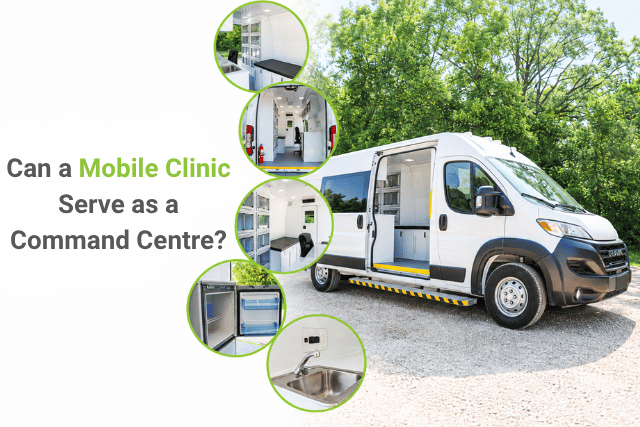
A mobile health unit flips that experience. Instead of asking seniors to travel, care travels to them. Parking at community centres, Legion halls, band offices, libraries, or seniors housing creates something powerful. Familiar places. Familiar faces. A sense that healthcare belongs in their community again.
Here’s how mobile health clinics shift the experience for seniors:
- Closer care: A clinique mobile van shortens travel time from hours to minutes. That change alone can mean the difference between attending and cancelling.
- Less stress: No highway driving. No weather anxiety. No complicated transit planning. Seniors arrive calmer and more open.
- Better follow-through: Routine visits feel realistic again. Blood pressure checks, diabetes monitoring, foot care, and mental health support become part of life, not rare events.
- Community trust: A mobile medical clinic van that returns regularly builds familiarity. Seniors start recognizing staff and greeting neighbours.
In rural Ontario, that consistency matters. Programs using mobile clinics in regions like Simcoe County and Eastern Ontario have shown higher appointment attendance and stronger community engagement compared to centralized services. Proximity plays a key role in long-term care access, especially for older adults.
The real impact isn’t the mobile health vehicle itself. It’s what happens around it. Conversations linger. Seniors talk before and after appointments. Isolation softens when people feel expected and welcomed.
You’re not adding another service. You’re restoring access.
A mobile health van becomes a bridge between healthcare and daily life. It supports independence, respects dignity, and sends a clear message that seniors matter right where they live.
And once care feels close again, something else starts to shift. Relationships. Trust. A sense of belonging. That leads directly into the next piece of the story, because bringing care closer also brings people closer, too.
2. How do mobile health vans create familiar faces and trusted routines for seniors?
Mobile health vans do more than park in a convenient spot. They show up again and again. That consistency matters deeply for seniors in rural Ontario, where relationships often shape whether care feels safe or stressful. In smaller communities like Bruce County, Rainy River District, or the Ottawa Valley, people value familiarity. New faces can feel unsettling. Trusted ones open doors.
When care stays far away, seniors often see a different provider every visit. That breaks continuity and weakens trust. Over time, some stop sharing concerns or skip visits entirely. You may hear things like, “I don’t want to explain my story again,” or “I’ll wait until it gets worse.” That gap grows quietly.
A mobile health unit helps close it by bringing the same care team back on a regular schedule. Seniors begin to recognize voices, smiles, and routines. That sense of knowing what to expect reduces anxiety and builds comfort.
Here’s what that trust looks like in practice:
- Predictable visits: A mobile clinic van that arrives monthly or biweekly creates rhythm. Seniors plan around it and look forward to it.
- Consistent providers: Familiar nurses, outreach workers, or clinicians make conversations easier and more honest.
- Stronger relationships: Trust grows when seniors feel remembered, not rushed.
- Earlier conversations: Concerns get shared sooner, before they become emergencies.
Programs using mobile health clinics across Ontario have shown that repeat engagement increases when care feels personal. According to Health Quality Ontario, continuity of care improves patient confidence and long-term outcomes, especially for older adults.
This is where the emotional shift happens. A mobile medical clinic van stops feeling like a service drop-off. It feels like part of the community. Seniors greet each other. They chat while waiting. They feel seen.
You’re helping restore routine and reassurance.
A mobile health vehicle creates a safe pattern seniors can rely on. That reliability helps reduce loneliness and fear, especially for those living alone or managing chronic conditions.
Once trust forms, something else follows naturally. Seniors start opening up. Conversations go beyond symptoms. That human connection plays a powerful role in reducing isolation, which leads us directly into the next way mobile health vans support rural Ontario communities.
3. How do mobile health vans turn appointments into meaningful social connections?

Mobile health vans often become one of the few regular social touchpoints seniors have in rural Ontario. When isolation sets in, it rarely starts with loneliness alone. It starts with fewer reasons to leave home. Fewer conversations. Fewer moments that feel purposeful. Healthcare visits, when done right, can reopen that door.
Picture a small community outside Temiskaming Shores. We’ll call her Mary. She’s 78, lives alone, and stopped driving last year. The closest clinic is over an hour away. Appointments felt rushed and exhausting, so she stopped booking them. Weeks turned into months. Her world quietly shrank.
Now imagine a mobile health unit visiting her community hall once a month. Mary walks over with her neighbour. They grab a coffee inside. She chats with the same nurse she saw last time. After her appointment, she stays a little longer. She feels lighter heading home.
That’s the shift you’re creating.
A mobile clinic van does something traditional clinics struggle to do. It gives care a social heartbeat. Seniors arrive early. They linger after. They reconnect with neighbours they haven’t seen in weeks.
Here’s how mobile health clinics help rebuild connection:
- Shared experiences: Appointments happen alongside others from the same community. That shared space matters.
- Casual conversation: Small talk before and after care helps seniors feel part of something again.
- Reduced stigma: Seeking care feels normal when everyone arrives together.
- Emotional check-ins: Providers notice changes in mood, not just vitals.
Social isolation often increases hospital use and worsens chronic conditions among seniors. Connection plays a real role in health outcomes.
From our perspective at MoveMobility, this is where a mobile medical clinic van becomes more than a healthcare setting. It becomes a reason to leave the house. A reason to be seen. A reason to belong.
You’re creating moments, not transactions.
A mobile health vehicle supports dignity by allowing seniors to engage at their own pace. No rushing. No unfamiliar waiting rooms. Just care delivered where life already happens.
When social connection returns, confidence grows. Seniors start participating again. That renewed sense of belonging makes it easier to accept ongoing support, which leads directly into the next way mobile health vans help reduce isolation across rural Ontario.
4. How do mobile health vans support independence and confidence as seniors age in place?
Mobile health vans help seniors stay independent longer, and that independence plays a quiet but powerful role in reducing isolation. In rural Ontario, aging in place often means choosing between staying home and staying healthy. When access to care slips, confidence follows. Seniors may stop asking for help because they don’t want to feel like a burden.
You’ve likely heard this concern from families or community partners. Seniors want to remain in their homes in places like Perth County, Nipissing District, or Lambton Shores. They value their routines, neighbours, and sense of control. Losing access to healthcare can make that independence feel fragile.
A mobile health unit helps reinforce the idea that support exists without taking control away.
Instead of relocating care to a distant clinic, a mobile clinic van meets seniors where they already live their lives. That simple shift sends a clear message. You can stay here. You don’t have to give up your independence to receive care.
Here’s how mobile health clinics strengthen confidence:
- Care on their terms: Seniors choose to attend without relying on family rides or special arrangements.
- Familiar environments: Community centres and local gathering spaces feel safer than unfamiliar clinics.
- Gentle support: Regular visits allow providers to guide seniors without overwhelming them.
- Early intervention: Small issues get addressed before they disrupt daily life.
In Ontario, falls, unmanaged chronic conditions, and untreated mental health concerns remain leading causes of hospital visits among seniors. Proactive care and community-based services help reduce preventable admissions and support long-term independence.
From our point of view at MoveMobility, a mobile medical clinic van protects more than physical health. It protects dignity. Seniors feel capable. They feel respected. They feel trusted to make choices about their own care.
You’re reinforcing independence, not replacing it.
A mobile health vehicle becomes a quiet safety net. Seniors know help is nearby without feeling watched or managed. That balance matters deeply for emotional well-being.
When confidence grows, participation follows. Seniors engage more. They speak up sooner. They stay connected longer. And once independence feels secure, communities can start reaching seniors who have already pulled away, which leads to the final way mobile health vans reduce isolation across rural Ontario.
Ready to close the healthcare gap for seniors in Ontario?
You came here because rural seniors in Ontario are drifting further from care, connection, and confidence. You see the missed visits, the quiet isolation, and the risk of waiting too long to act.
After reading this, you’ve seen how mobile health vans help close that gap in real, human ways:
- Care comes closer: Mobile health units reduce travel stress and make appointments realistic again.
- Trust grows: Mobile health clinics bring familiar faces and steady routines that seniors rely on.
- Connection returns: A mobile clinic van creates space for conversation, belonging, and dignity.
- Independence stays strong: A mobile medical clinic van supports aging in place with confidence.
Au MoveMobility, this work goes beyond building vehicles. For over two decades, we’ve partnered with organizations like yours across Ontario and the rest of Canada. Our role is to listen first, design thoughtfully, and support you through planning, funding questions, and long-term service.
Every mobile health vehicle we help deliver is shaped around real people and real programs, backed by teams who stay involved long after delivery. We’re proud to help leaders like you turn care into connection. If you have questions, click the button below to talk to a mobility expert.
If you’re not ready to talk to a mobility expert yet, we have a few other resources you should check out to learn more.
Recommended next reads
- What is a mobile clinic van? A clear overview of how mobile clinics work and what services they support.
- 5 steps to buying a mobile medical van: A practical guide that walks you through the steps in buying a mobile medical van.
- How much does a mobile medical van cost? A transparent look at pricing factors to help you budget with confidence.

 English
  French