4 Things to Consider When Choosing a Rural Wheelchair Van

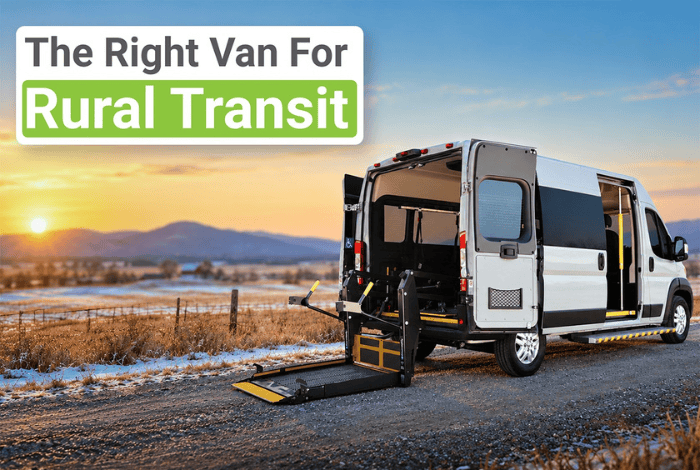
Choosing a wheelchair van for a rural community involves more than capacity alone. This video explains four practical factors to consider, including cold weather access, rear cabin heat, flexible seating, and driver requirements.

Download: Bridging the Distance:

Key Moments in this Video

1
1. How Will the Entry System Perform in Rural Conditions?
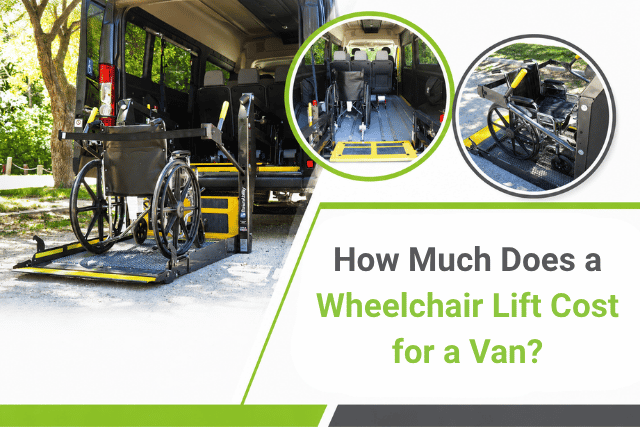
Manual ramps, wheelchair lifts, and hydraulic ramps each have different advantages. The right choice depends on your passengers, operating conditions, and route. In rural Canada, check whether the equipment is rated for real cold, whether the ramp has a raised or non slip surface, and whether it can be used safely on steep driveways, gravel lanes, or other challenging stops.
98
2. Will the Rear Passenger Area Stay Warm?
Heating at the front of the van may keep the driver comfortable without keeping wheelchair passengers warm in the rear cabin. For longer rural trips, confirm that heat reaches the passenger area as well. If the vehicle will be parked outside overnight in very cold conditions, consider whether a block heater is also needed.
143
3. How Flexible Does the Seating and Wheelchair Layout Need to Be?
Rural transportation needs can change from day to day, so flexible seating can be important. Look for a seating and flooring system that allows seats to be removed and wheelchair positions added without tools. Before choosing a layout, consider how many people usually ride, what mobility equipment they use, and how long their trips are.
194
4. What Driver Licensing, Workload, and Training Are Required?
Check which driver licence is required in your province or territory before choosing the vehicle. Also consider whether one driver can safely operate the doors, ramp or lift, and tie downs without additional staff. Ask how much physical effort is required to assist passengers, what training is included, and whether training resources will remain available for future drivers.
252
The Next Steps for Choosing a Rural Wheelchair Van
After reviewing entry systems, rear cabin heat, seating flexibility, and driver requirements, the next step is to compare those needs against the realities of your community and transportation program. The video also points to MoveMobility’s Bridging the Distance toolkit as a resource for communities working to improve rural accessible transportation.
Andrew Burrowes
Andrew Burrowes Account Executive at MoveMobility
Andrew

Frequently Asked Questions:

What type of wheelchair access is best for a rural van?

There is no single best option. Manual ramps, wheelchair lifts, and hydraulic ramps each have different advantages. The right choice depends on your passengers, local conditions, route, and how the equipment performs in cold, icy, sloped, or gravel environments.

Why is rear cabin heat important in a rural wheelchair van?

Wheelchair passengers often sit farther back in the vehicle, and rural trips may last an hour or more each way. Make sure heat reaches the rear passenger area, not just the driver and front seats.

How many wheelchair positions should a rural accessible van have?

That depends on who uses the service and how ridership changes from day to day. Before choosing a layout, consider how many people usually ride at once, the mobility equipment they use, and whether the seating can be reconfigured as needs change.

Do drivers need a special licence to operate a wheelchair van?

Licensing requirements depend on the vehicle and the province or territory where it will operate. Check the applicable driver licence requirements before purchasing the vehicle.

What training should be included with an accessible van?

Training should cover the equipment the driver will use, including doors, ramps or lifts, and wheelchair tie downs. The video also recommends checking whether training resources are available for future drivers instead of relying only on a delivery day walkthrough.

MoveMobility logo with green and grey curves and text

Connect with one of our Mobility Experts

What happens if you submit the form?

We understand that you don’t want to receive multiple phone calls, emails or spam. You just want to speak to a commercial mobility specialist who can answer your questions about accessible and mobile medical vans.

If you submit the form or request more information from us, here’s what will happen:

  • Within one business day, you’ll receive a phone call from one of our commercial mobility specialists at the phone number you provide. Click here to Meet the Team.
  • If we miss you on the phone, you’ll receive a voice message to call us back. You’ll also get an email to let you know we tried to connect but missed you.
  • Once we’ve connected, your commercial mobility specialist will have a few questions for you to understand what type of vehicle you’re looking for help with.
 
If at any point during the process you feel we’re just not the right fit for your community or organization, just let us know. 


MoveMobility logo

Request More Information

Let us know what you’re looking for help with and we’ll be in touch.