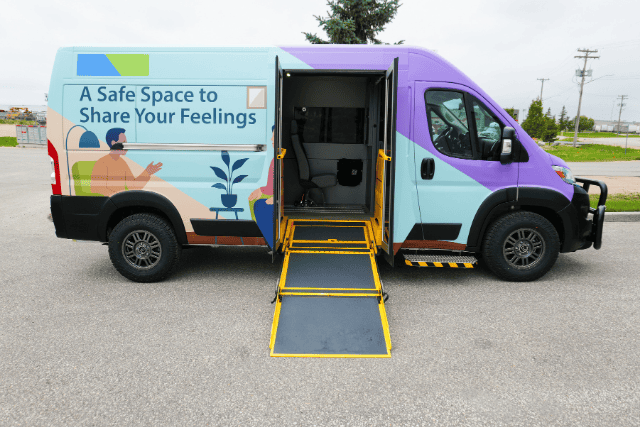
In Canada, the mobile crisis unit cost typically ranges from $215,000 to $270,000. That number can feel heavy at first glance. At the same time, the cost of doing nothing can feel even heavier. Suicide remains one of the leading causes of death nationwide. If you’re leading a mobile crisis response team in Saskatoon or planning a mobile crisis unit Winnipeg program, you already see the gap. People in mental health crisis need help fast. Police and emergency rooms are stretched. Wait times grow. Your team wants to respond with care, not sirens.
Without the right vehicle, your mobile mental health crisis support may stay limited to office hours and four walls. You know your community deserves better. You want to meet people where they are, calm the situation, and guide them toward safety. The real question is how to reach that desired state without overspending. Keep reading to learn what truly shapes the mobile crisis unit cost.
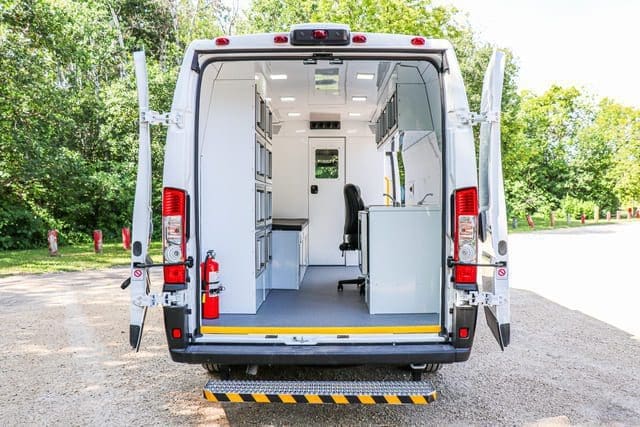
For over 20 years, we at MoveMobility have worked alongside organizations across Canada to remove barriers to care. In the past three years alone, we’ve built over 480 wheelchair vans and 180 mobile medical units. We are Ford Pro Upfitter and Stellantis QPro certified, and our vehicles carry the National Safety Mark. We’ve partnered with groups like Quest Community Health Centre to support frontline care. You care deeply about the people you serve. So do we. While we are one manufacturer among several, our focus has always been building around your mission.
In this article, you’ll learn all about what goes into the cost of a mobile crisis unit so you can plan ahead confidently.
*Keep in mind that all prices in this article reflect the Mobile Counselling Van, are just estimates, and are subject to change without notice.
What goes into the cost of a mobile crisis unit?
If you’re looking at the mobile crisis unit cost and wondering why the range is $215,000 to $270,000, you’re not alone. That’s a wide gap. It’s normal to ask why.
The biggest reason is simple. Every organization is different.
Your mobile crisis response team in Saskatoon won’t operate the same way as a mobile crisis unit Winnipeg program. The people you serve, the terrain you drive, and the type of care you offer all shape the final build. Some features are essential for your work. Others may be optional.
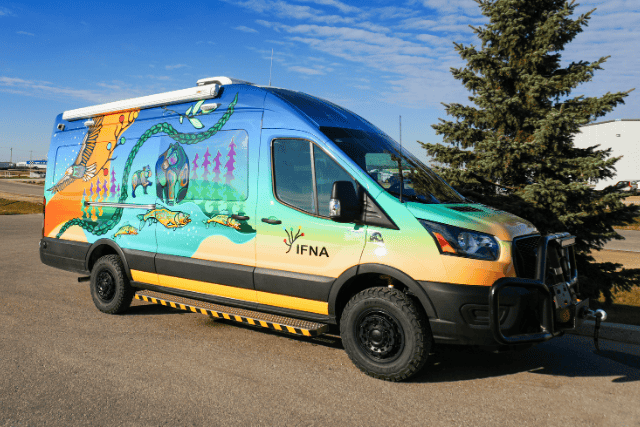
For example, if your team supports Indigenous communities across Canada, you might add a ventilation system that allows clients to practice smudging safely. If your focus is urban crisis response in Winnipeg, you may not need that feature at all.
That’s why the mobile crisis unit cost shifts. It reflects your mission, not a one size fits all template.
Let’s break down what actually influences the price and how each option supports your team and the people who rely on you.
What layout and interior features influence your mobile crisis unit cost?
When someone steps into your mobile mental health crisis space, what do you want them to feel?
Safe. Calm. Respected.
The interior layout plays a major role in that experience.
Here are some common features that affect the mobile crisis unit cost:
- Work table: A dedicated table gives your team space to complete paperwork, use a laptop, or review safety plans. It helps your mobile crisis response team stay organized during high-pressure moments.
- Comfortable couches: Soft seating can lower anxiety. A couch feels different than a plastic chair. It tells someone in crisis that they matter. That emotional shift can change the tone of a conversation.
- Removable seats: Flexibility matters. Some days you may need room for three staff members. Other days, you may need space for a stretcher or extra equipment. Removable seating allows you to adapt quickly.
- Storage cabinets: Secure cabinets keep supplies tucked away but accessible. Harm reduction kits, blankets, naloxone, and documentation all need a proper place.
- Skylight: Natural light can calm a tense situation. A skylight brightens the space and makes it feel less enclosed. That can be helpful during a mobile mental health crisis response.
Each of these elements adds cost. At the same time, each one can strengthen how your team delivers care.
Accessibility and entry options change the mobile crisis unit cost
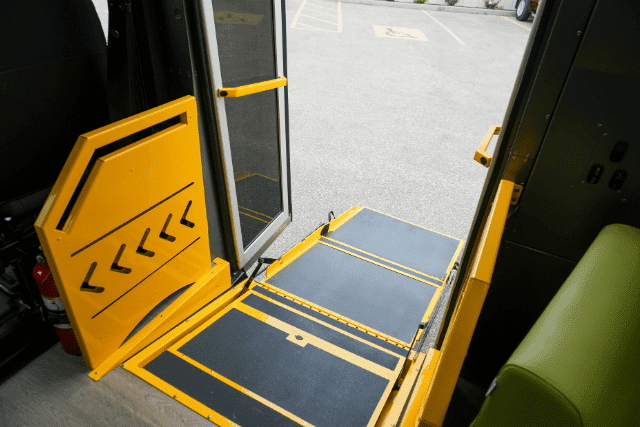
Think about how clients enter your vehicle.
If someone has mobility challenges, a side entry ramp may be essential. It supports dignity and independence. It also allows you to serve more people without calling for additional transport.
In communities with aging populations, such as parts of Saskatchewan and Manitoba, accessibility can be critical. If your mobile crisis program partners with local health centres, that ramp may be a non-negotiable feature.
Entry design impacts the mobile crisis unit cost because ramps and reinforced flooring require structural upgrades. Still, the benefit is clear. You expand who you can serve.
What safety and privacy features affect mobile crisis unit cost?
Your team’s safety matters. So does client privacy.
- Tinted windows: Tinted glass protects confidentiality. When you park outside an apartment building in Winnipeg, no one should see who is inside.
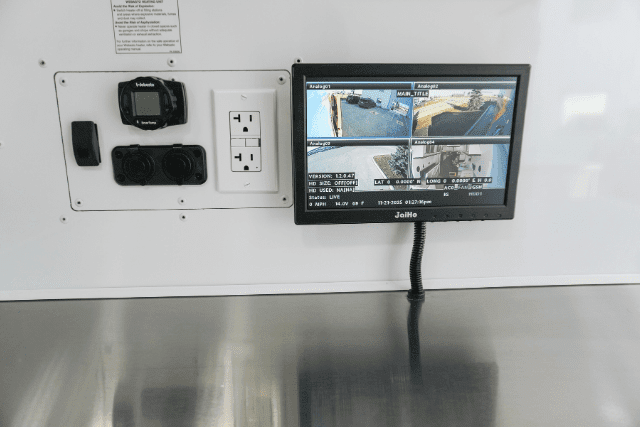
- Security system: Cameras, alarms, and panic buttons give your mobile crisis response team peace of mind. In volatile situations, fast support can make all the difference.
- Sound and temperature insulation: Good insulation keeps conversations private and the environment comfortable during harsh Canadian winters. A calm temperature can prevent agitation from escalating.
- Speakers: Integrated speakers allow your team to play calming music or use communication tools. Small details can help de escalate tense moments.
Safety upgrades increase the mobile crisis unit cost. Yet they also protect your staff and the people you support.
Technology and connectivity shape your mobile crisis unit cost
Modern crisis care often depends on technology.
- WiFi connectivity: Reliable internet lets your team access electronic health records, complete referrals, or connect clients to virtual psychiatrists. In rural Saskatchewan or northern Manitoba, connectivity can bridge major service gaps.
Technology packages vary widely. Stronger routers, boosters, and integrated systems raise the mobile crisis unit cost. Still, they can expand your reach and improve coordination.
Terrain and durability upgrades can increase mobile crisis unit cost

If your team serves remote roads, gravel highways, or northern regions, durability matters.
- Trail Kit: A Trail Kit strengthens suspension, improves ground clearance, and protects the undercarriage. This is helpful for programs operating outside major urban centres.
A mobile crisis in downtown Winnipeg may not require off road upgrades. A team travelling near remote communities might.
That’s another reason the mobile crisis unit cost varies.
The real question behind mobile crisis unit cost
At the end of the day, the cost reflects choices.
- What environment do you operate in?
- Who are you serving?
- How do you want them to feel when they step inside?
Your mobile crisis response team exists to close a gap. The gap between crisis and care. Between fear and safety.
The vehicle becomes the bridge.
When you reach out for a Discovery Call, we talk through these details together. You’ll decide what supports your mission and what you can go without. The goal is not to add features for the sake of it. The goal is to build a space that helps you respond with compassion and confidence.
Up next, we’ll look at a few other costs to give you full transparency.
What other costs can you expect beyond the mobile crisis unit cost?
When you review the full mobile crisis unit cost, the base build is only part of the picture. There are a few additional expenses that might surprise teams if they’re not discussed upfront. We’d rather you see the full landscape now than feel caught off guard later.
Production deposit and scheduling commitment
Once you decide to move forward, a production commitment is required. Most organizations set aside about $50,000 upfront.
That initial payment does two important things:
- Reserves your build slot: Your project enters the production calendar.
- Triggers parts procurement: Specialized components get ordered for your specific layout.
Mobile crisis programs are growing across Canada. If you are launching a new mobile crisis response team in Saskatoon or expanding a mobile crisis unit Winnipeg initiative, timing matters. Securing your place avoids delays, especially when funding deadlines are involved.
This is less about a payment and more about momentum. It signals that your community is moving from planning to action.
Transportation and delivery across Canada
Your completed unit still has to reach you safely.
Transporting a fully built vehicle across provinces involves fuel, carrier coordination, insurance coverage during transit, and careful scheduling. Many organizations budget around $5,000 for delivery, though this varies depending on distance.
For example:
- Shipping within Manitoba may differ from delivery to northern British Columbia.
- Remote or fly-in accessible regions may require additional logistics planning.
When your mobile mental health crisis program receives its vehicle, it should arrive ready to serve. Delivery planning protects that investment and keeps your timeline intact.
Documentation and regulatory processing
There is more paperwork behind a crisis vehicle than most people realize.
Licensing preparation, compliance documentation, ownership transfer records, and registration support all require coordination. Many manufacturers include an administration charge of roughly $1,400 to manage these details.
This fee supports:
- Compliance documentation: Proper certifications for road use.
- Title processing support: Clean ownership transfer.
- Regulatory preparation: Alignment with provincial requirements.
It allows your mobile crisis response team to focus on clinical readiness instead of chasing forms.
Taxes and provincial differences
Taxes can significantly affect your final mobile crisis unit cost.
Each province applies different rates. In British Columbia, for example, a standard GST rate of 5 percent applies to most vehicle purchases.
Here’s a simple example:
| Base unit price | GST (5%) | Estimated total |
| $220,000 | $11,000 | $231,000 |
That $11,000 becomes part of your total budget planning.
Some organizations may qualify for rebates or exemptions depending on structure and funding source. Health authorities and nonprofits often review eligibility with their finance teams.
If your mobile crisis program operates in BC, Manitoba, or Saskatchewan, confirming provincial tax rules early prevents surprises during final invoicing.
When you look at the full mobile crisis unit cost, these added expenses reflect logistics, compliance, and responsible delivery. They are part of moving from idea to impact.
Next, we can explore how funding options across Canada may help offset these investments and bring your mobile crisis vision within reach.
Ready to talk about your next mobile crisis unit?
You came here because the mobile crisis unit cost felt unclear. You needed real numbers and real context before bringing this idea to your board or council. You’re trying to close the gap between crisis and care in your community, and you cannot afford a misstep.
Here’s what you now know:
- Cost range: Most programs fall between $215,000 to $270,000.
- Customization factors: Layout, safety, accessibility, technology, and terrain all shape pricing.
- Additional expenses: Deposits, delivery, administration, and provincial taxes affect your final budget.
You’ve moved from uncertainty to clarity. Now you can picture what your mobile crisis response team could look like on the streets of Saskatoon or as part of a mobile crisis unit Winnipeg program. Instead of reacting to emergencies with limited tools, you can respond with a calm, private, purpose built space. That shift changes outcomes. It protects your staff. It gives people in a mobile mental health crisis a place to breathe, speak, and feel heard.
At MoveMobility, we build vehicles that support frontline teams across Canada every single day. Our work spans urban centres and remote regions, always shaped around the realities you face on the ground. We collaborate closely with health leaders, municipalities, and nonprofits to design practical, compliant, and mission-driven solutions.
This work matters deeply to us because your success means someone in crisis receives care with dignity. If you’re ready to explore next steps or still have questions, click the button below to connect with a mobility expert and start the conversation.

 English
 French