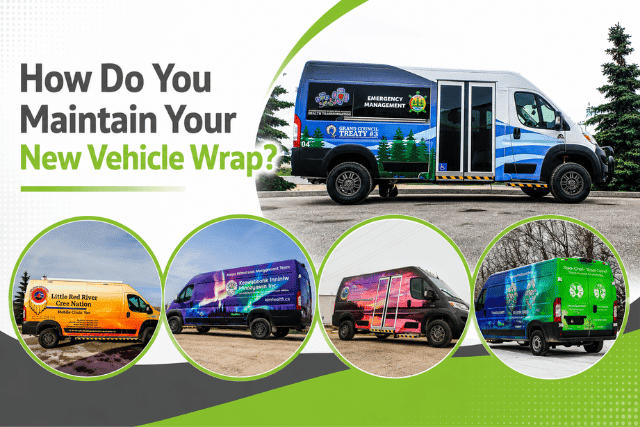
Vehicle wrap graphics turn your van into a moving sign for the care your organization provides. Still, many teams ask the same question after installation. How do we keep our vehicle wrap looking good through Canadian weather? That concern is real. Road salt in Ontario, heavy rain on the B.C. coast, and prairie winters can wear down graphics fast. Road salt is a major cause of vehicle wear in winter. If your wrap fades or starts lifting, it affects how your program is seen in the community. Your vehicle represents your mission everywhere it goes. When the wrap looks sharp, your message stays strong.
At MoveMobility, we work with organizations across Canada that rely on vehicles like these every day. In the past three years alone, our team has built 480 wheelchair vans and 180 mobile medical units. Our vehicles meet strict safety rules through the National Safety Mark, and we hold Ford Pro Upfitter and Stellantis QPro certifications.
We were also honoured with the 2026 DARE Innovation Award. Along the way, we have partnered with groups like Transdev, which operates non-emergency medical transportation across Canada. Our goal here is simple. Share practical advice while recognizing that other manufacturers also serve this space.
In this guide, you’ll learn:
- How to safely clean a vehicle wrap
- Which cleaners protect vehicle vinyl wrap surfaces
- How to remove tough contaminants
- Best washing habits for long-lasting vehicle wrap maintenance
A few simple habits can help your wrap stay bright for years.

Vehicle wrap maintenance: How do you clean your vehicle wrap safely?
When your vehicle wrap first goes on your van, it looks bold, bright, and ready to represent your organization everywhere it travels. Over time, though, dust, road grime, and Canadian weather start to build up. Road salt in places like Ontario, coastal moisture in British Columbia, and gravel dust in Alberta can all settle onto automotive vehicle wraps quickly.
That’s why good vehicle wrap maintenance matters from day one. The good news is that keeping a vehicle vinyl wrap clean is not complicated. You simply need the right cleaning approach and products.
Let’s walk through the basics.
1. Cleaning graphics with overlaminate film
Many vehicle wrap graphics include a protective overlaminate film. This clear layer helps guard the printed graphics from sunlight, dirt, and everyday wear. Cleaning this type of automotive vehicle wrap requires a gentle approach.
The cleaner you choose is important.
Use a cleaner designed for high-quality painted surfaces. These products are made to clean without harming finishes. Since wraps behave much like painted surfaces, this type of cleaner works well.
Look for a cleaner with these qualities:
- Wet formula: Helps loosen dirt without scraping the surface.
- Non-abrasive: Prevents scratches on the wrap.
- No strong solvents: Harsh chemicals can damage the graphic film.
- Balanced pH level: The cleaner should fall between pH 3 and pH 11.
That pH range matters. Extremely acidic or alkaline cleaners can weaken the adhesive behind the wrap over time.
Imagine a Mobile Clinic Van travelling across northern Saskatchewan during winter outreach. Road salt and grime collect along the sides of the vehicle. A gentle wash using the right cleaner removes the dirt while protecting the vehicle vinyl wrap underneath.
Think of it like washing a painted vehicle. Gentle products help the finish last longer.
2. Cleaning graphics with overprint clear
Some vehicle wrap graphics use a protective layer called an overprint clear instead of a laminate film. The cleaning approach changes slightly.
For this type of automotive vehicle wrap, the cleaner must meet a few strict conditions.
Use a wet, non-abrasive cleaner with no solvents and no alcohol.
Alcohol or solvent-based cleaners can damage the printed graphic layer. Over time, this may cause fading or surface damage.
The safest option is a mild cleaning solution with these features:
- Wet cleaning solution: Helps lift dirt safely.
- Non-abrasive: Prevents surface scratching.
- No solvents: Avoids chemical damage.
- No alcohol: Protects the printed surface.
- pH between 3 and 11
These simple guidelines make a big difference in long-term vehicle wrap maintenance. A harsh cleaner might remove dirt faster today, yet shorten the life of the vehicle’s vinyl wrap months down the road.
When your van supports outreach programs or medical services, the wrap helps people recognize your organization. Taking care of it helps maintain that trust.
How do you remove difficult contaminants?
Even with regular washing, some contaminants can still stick to a vehicle wrap.
Things like road tar, diesel residue, pollen, and even marker stains can show up over time. Vehicles that travel long distances across Canada often encounter these issues.
When this happens, special cleaning methods may be required.
Before we talk about the solutions, there’s one safety reminder to keep in mind.
Caution: High-pressure spray systems can cause injury if used improperly. Never spray your hands or body, and never aim the spray toward another person.
Now, let’s look at how to safely remove stubborn contaminants from automotive vehicle wraps.
1. What about removing tar, oil, or diesel residue from a vehicle wrap?
Road tar and diesel soot are common issues for vehicles travelling on highways or near construction areas.
To remove these contaminants:
- Use a soft rag dampened with:
- Kerosene
- Mineral spirits
- Heptane
- VM&P naphtha
These substances help loosen the sticky residue without damaging the graphic.
After wiping the area:
- Wash immediately with mild detergent and water.
- Rinse thoroughly with clean water.
Quick rinsing helps prevent residue from sitting on the vehicle vinyl wrap.
2. Removing pollen or fungus from automotive vehicle wraps
Pollen buildup can happen during spring across many parts of Canada. Vehicles parked outdoors often collect yellow pollen dust that sticks to the surface.
Fungal growth can also appear in damp climates like coastal British Columbia.
To remove these contaminants, wash the graphic with one of the following:
- A mild liquid detergent and water
- A 3 to 5 percent sodium hypochlorite solution (household bleach)
Once cleaned:
- Rinse immediately with clean water.
This step is important. Leaving the cleaning solution on the surface too long may affect the wrap.
Regular washing during high pollen seasons helps prevent buildup.
3. Removing crayon, lipstick, or similar marks from a vehicle vinyl wrap
Community vehicles sometimes encounter unexpected marks. Children may draw on the surface, or someone may accidentally leave cosmetic residue on the wrap.
These marks can often be removed with a solvent.
However, there’s one important rule.
Always test the solvent first in a small, hidden area.
Testing helps confirm the solvent removes the contaminant without harming the vehicle wrap.
Once the mark is removed:
- Wash the area with mild detergent and water.
- Rinse with clean water.
This final rinse helps restore the surface of the automotive vehicle wrap.
Why is proper vehicle wrap maintenance so important?
A wrapped vehicle often travels into neighbourhoods where healthcare, mobility support, or outreach services are needed. For many organizations, that van becomes a familiar sight in the community.
When the vehicle wrap stays clean and vibrant, it reflects the professionalism of the program behind it.
Good vehicle wrap maintenance also helps protect the investment your organization made in the vehicle.
The key takeaways here include:
- Gentle cleaning protects the wrap
- Balanced cleaners extend the life of the graphics
- Targeted cleaning removes stubborn contaminants safely
In the next section, we’ll look at another important part of vehicle wrap maintenance. Proper washing techniques, including pressure washing and hand washing, can make a major difference in how long automotive vehicle wraps last on the road.
Vehicle wrap maintenance: Safe pressure washing for exterior graphics
Power washing can help clean a vehicle wrap, especially after long highway drives or winter travel. Many organizations rely on pressure washers to remove road salt, dirt, and grime that build up on automotive vehicle wraps.
That said, pressure washing needs to be done carefully. Aggressive washing can damage the wrap.
Two types of damage happen most often during pressure washing:
- Water intrusion: Excessive pressure can force water under the graphic. This weakens the adhesive that holds the vehicle vinyl wrap to the vehicle surface.
- Edge lifting: When water gets underneath the wrap, the edges can lift or curl. Wind while driving can make this problem worse.
This issue is especially serious for perforated window graphic film. These graphics have small holes that allow people inside the vehicle to see out. High-pressure water can easily get underneath this type of material.
For organizations running outreach vans or mobile clinics, keeping graphics secure matters. Your wrap often includes program names, logos, or health information. Proper vehicle wrap maintenance helps keep that message clear and visible.
How do you safely pressure wash a vehicle wrap?
If you choose to power wash your vehicle wrap, follow a few important guidelines. These steps help reduce the risk of lifting edges or damaging the graphics.
Follow these pressure washing settings and techniques:
- Use a wide spray pattern: Choose a nozzle with a 40-degree spray pattern. This spreads the water out and reduces concentrated pressure.
- Use a nozzle protector: The spray tip should include a nozzle protector or tip guard. This helps prevent accidental damage.
- Limit water pressure: Keep the pressure at 2000 PSI or less. Higher pressure increases the risk of lifting the wrap.
- Watch water temperature: If your system heats water, keep the temperature at 180°F or lower.
- Maintain proper distance: Hold the nozzle at least 12 inches (300 mm) away from the wrap surface.
- Spray straight toward the surface: Aim the nozzle perpendicular to the graphic rather than at a sharp angle.
- Avoid spraying edges directly: Direct spray toward the middle of the graphic instead of the edges.
These steps help protect the adhesive that holds your vehicle’s vinyl wrap in place.
For example, imagine a mobile health van in Manitoba after a snowy winter drive. The sides of the van may be coated with road salt. A controlled pressure wash using the correct settings can remove the salt safely while protecting the automotive vehicle wraps.
Check your graphics after washing
After washing your vehicle, take a moment to inspect the graphics.
This step is important for safe vehicle wrap maintenance.
Look for the following signs:
- Edge lifting: Small corners of the wrap beginning to peel.
- Curling: Areas where the graphic pulls away from the vehicle surface.
- Loose film: Graphics that move slightly when touched.
Loose graphics can become a safety hazard. A lifted section could tear away from the vehicle while driving and create a risk for motorists or pedestrians.
If you notice damage, the graphic may need to be repaired, removed, or replaced.
Routine inspections take only a few minutes but can prevent larger problems later.
Why can automatic car washes damage a vehicle wrap?
Many people assume a drive-through car wash is the fastest way to clean a vehicle. For wrapped vehicles, this approach is risky.
Automatic washes cannot control how brushes or water pressure interact with the vehicle wrap surface.
Three common problems can happen:
- Brushes catch edges: Rotating brushes may grab a loose edge of the wrap and pull it further away from the vehicle.
- Surface dulling: Brushes can wear down the finish of automotive vehicle wraps, reducing shine over time.
- Uncontrolled pressure: High-pressure water sprayed at random angles can wear down the finish prematurely.
Because of these risks, automatic washing is generally not recommended for vehicle vinyl wrap graphics.
Hand washing is usually the safest option.
What’s a good method for hand washing exterior graphics?
Hand washing remains one of the safest and most effective ways to care for a vehicle wrap.
It allows you to control the pressure, cleaning products, and tools used on the surface. Many organizations already follow this approach when maintaining fleet vehicles.
The process is simple.
Step 1: Rinse the wrap first
Flush the vehicle wrap with clean water to remove loose dirt particles. A hose with a trigger nozzle works well for this step.
Step 2: Use a mild detergent
Mix a mild liquid detergent with water. Wash the graphic using a soft brush, sponge, or cloth.
Avoid rough brushes that could scratch the vehicle vinyl wrap.
Step 3: Wash from the top down
Start cleaning at the top of the vehicle and move downward. This helps prevent dirty water from running over areas you have already cleaned.
Step 4: Avoid unnecessary scrubbing
Scrubbing too hard can damage the surface of automotive vehicle wraps. Gentle washing works best.
Step 5: Keep water flowing
After applying the cleaning solution, maintain a steady flow of water across the surface. This helps carry away dirt particles instead of dragging them across the wrap.
Step 6: Rinse thoroughly
Rinse the entire vehicle wrap with clean water. Allow the surface to dry naturally.
For many outreach teams, this simple routine becomes part of regular fleet care. A mobile clinic van might be washed weekly after travelling through rural roads or winter conditions.
Over time, these small habits protect the appearance of the wrap and support long-lasting vehicle wrap maintenance.
Want to learn more about vehicle wraps or decals?

You likely came to this article with a simple concern. Your organization invested in a vehicle wrap, and you want it to last. Canadian weather, road salt, and daily travel can wear down graphics quickly. When the wrap fades or lifts, it can affect how your program is seen in the communities you serve.
After reading this guide, you now know the basics of vehicle wrap maintenance:
- Which cleaners protect automotive vehicle wraps
- How to safely remove tar, pollen, and other contaminants
- Why pressure washing must be done carefully
- Why is hand washing the safest method for vehicle vinyl wrap care
At MoveMobility, we spend every day working with organizations that rely on vehicles to reach people who need support, care, and connection. Over the past two decades, teams across Canada have trusted us to help them launch transportation and mobile healthcare programs that break down barriers to access.
Our role goes beyond building vehicles. We work alongside community leaders, healthcare providers, and outreach teams to help their programs succeed long after the vehicle hits the road. That commitment is why so many organizations continue to partner with us year after year. If you have questions about maintaining your vehicle wrap or planning your next accessible vehicle, click the button below to talk to a mobility expert.
If you’re not ready to speak with a mobility expert yet, here are a few helpful resources that can guide your next steps.
Recommended next reads
- What is the difference between vehicle decals and vehicle wraps? Understand how wraps compare to decals so you can choose the best branding option for your organization.
- How to choose a wheelchair van (11 steps): A step-by-step guide to help organizations choose the right accessible vehicle for their programs.


 English
  French