Healthcare travel can be difficult for many First Nations and Inuit communities, especially in remote areas. The Government of Canada recently announced continued support for the Non-Insured Health Benefits (NIHB) Program, including $794 million in 2026 to 2027 to help improve access to healthcare services across Canada.
What is the NIHB funding?
The Non-Insured Health Benefits Program is a federal program through Indigenous Services Canada (ISC).
It helps eligible First Nations and Inuit individuals access healthcare services that may not already be covered by provincial or territorial health plans.
The program supports things like:
- Prescription drugs
- Dental care
- Vision care
- Medical supplies and equipment
One of the biggest areas connected to transportation is the Medical Transportation Benefit.
This support helps people travel to medically necessary appointments when care is unavailable in their home community.
Who is eligible and who can apply for NIHB funding?
The NIHB Program is meant for:
- Registered First Nations individuals
- Recognized Inuit individuals
Communities and organizations that commonly use NIHB-supported services include:
- First Nations governments
- Tribal Councils
- Indigenous health organizations
- Community health centres
What does the NIHB opportunity Fund?
The Medical Transportation Benefit may help cover:
- Ground transportation
- Air transportation
- Meals and accommodations for medical travel
- Community medical transportation programs
- Transportation coordination services
The program is designed to help remove barriers to healthcare access for Indigenous communities.
What are the conditions of the NIHB funding?
Some important conditions include:
- Travel must be medically necessary
- Care must not be available locally
- Transportation must be approved through NIHB processes
- Services must follow ISC guidelines and policies
- Coverage levels can vary by region and situation
Each community or organization may have different approval processes depending on its local NIHB office.
How much funding is available?
The Government of Canada announced:
- $794 million in 2026 to 2027 to support the NIHB Program
This funding was highlighted in the federal Spring Economic Update and supports healthcare access for First Nations and Inuit communities across Canada.
Does the funding support wheelchair accessible vehicles or mobile medical units?
The funding does not directly state that it pays for wheelchair accessible vans or mobile medical units.
That said, the program strongly supports:
- Medical transportation
- Healthcare access
- Removing transportation barriers
Because of this, many communities use NIHB-supported healthcare goals to help support projects involving:
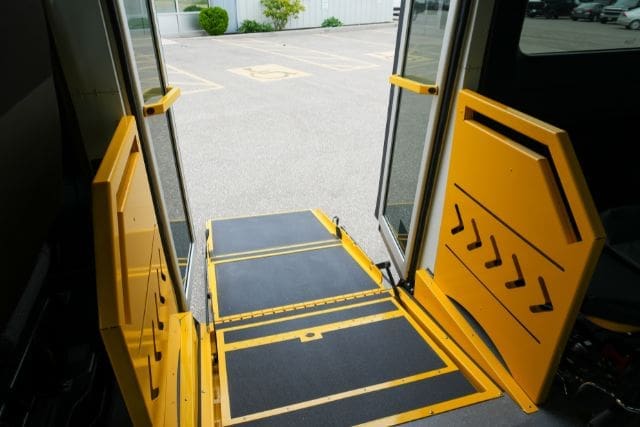
- Non-emergency medical transportation vehicles
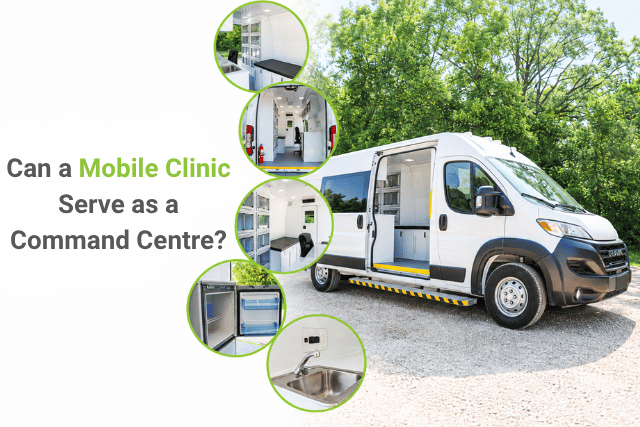
- Mobile outreach vans
Deadline dates to know
At this time, there is no public application deadline connected to the $794 million NIHB funding announcement.
The funding is part of the federal government’s ongoing healthcare support for eligible First Nations and Inuit communities.
Communities should contact their regional NIHB office or Indigenous Services Canada representative for local program details and approval processes.
Got any questions about NIHB?
Healthcare transportation remains a major challenge for many communities across Canada. Programs like NIHB continue to support safer, more reliable access to care for First Nations and Inuit peoples.
If you have questions about wheelchair accessible vans or mobile healthcare vehicles, don’t hesitate to click the button below to talk to one of our mobility experts.
Note: MoveMobility is not the funding provider and cannot assist with applications. The information shared here comes directly from the funding opportunity. To learn more, visit Indigenous Services Canada NIHB Program. This content is meant to raise awareness of funding or grant opportunities.
 English
  French