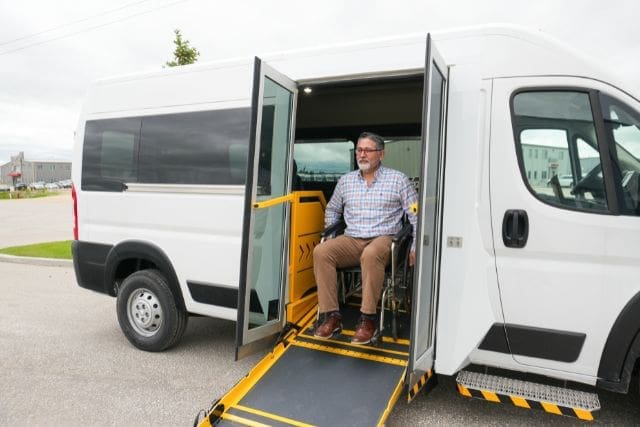
(Video) Manual vs Powered Ramps: What’s the Real Difference?

Choosing between manual vs powered wheelchair ramps isn’t about which option is newer or more advanced, it’s about reliability, safety, and how your vehicle is actually used. Transit-grade ramps are typically rated for around 10,000 cycles, but factors like climate, maintenance, and daily use can dramatically affect performance. In this video, we break down the real differences so you can choose the ramp that best supports your passengers and your operation.

Key Moments in this Video

1
Should You Choose a Manual or Powered Wheelchair Ramp?
When choosing a wheelchair-accessible van, many people assume a powered ramp is automatically better, but that isn’t always true. Powered ramps allow users to enter and exit independently, but they rely on motors, sensors, and wiring that can require maintenance over time. Manual ramps are much simpler and don’t depend on the vehicle’s electrical system. In colder climates, they’re often preferred because they’re less likely to freeze or fail. The best option depends on how the vehicle is used and whether assistance is provided.
133
What Does the 4:1 Wheelchair Ramp Slope Really Mean for Safety?
The term “4:1 slope” describes how steep a wheelchair ramp is. It means the ramp rises one inch for every four inches of length. This ratio is important for safety, as ramps that are too steep can be difficult to push and dangerous when descending. This is especially important when evaluating used vehicles, where ramps may have been installed for specific needs. Following the 4:1 slope standard helps ensure a smooth, controlled, and safe experience for passengers and caregivers.
197
How Long Do Wheelchair Ramps Last in Real-World Use?
Most transit-grade wheelchair ramps are designed to last about 10,000 cycles, with one cycle being a full deploy and stow. For high-use vehicles, that can mean several years of daily operation. Ramps used less frequently can last much longer. Regular maintenance plays a major role in lifespan, including keeping the ramp track clear of debris like salt or gravel and scheduling service about every six months to maintain smooth operation.
249
What Should You Check If a Powered Ramp Stops Working?
If a powered ramp doesn’t deploy, it’s usually not a motor failure. In most cases, the issue is a safety interlock designed to prevent operation unless the vehicle is secure. Start by checking that the transmission is in park, the parking brake is fully engaged, and all doors are fully open. Even a slightly closed door can prevent the system from sending power to the ramp.
Dev Devashish
Devashish Devashish Business Development Executive at MoveMobility
Dev

Frequently Asked Questions:

1. Are powered wheelchair ramps more reliable than manual ramps?

Not always. Powered ramps offer independence, but they have motors, sensors, and wiring that can fail over time. Manual ramps are simpler and often more reliable, especially in cold climates.

2. Do manual wheelchair ramps work better in winter conditions?

Yes. Manual ramps don’t rely on electrical components, making them less likely to freeze or malfunction in extreme cold or snowy environments.

3. What is the safest slope for a wheelchair ramp on a van?

The recommended standard is a 4:1 slope, meaning the ramp rises one inch for every four inches of length. This ensures safe use for both wheelchair users and caregivers.

4. How often do wheelchair ramps need maintenance?

Most ramps should be serviced every six months. Regular cleaning and removing debris like salt or gravel can significantly extend ramp lifespan.

5. Why won’t a powered wheelchair ramp deploy?

In most cases, it’s a safety interlock issue, not a broken motor. Check that the van is in park, the parking brake is engaged, and the doors are fully open.

MoveMobility logo with green and grey curves and text

Connect with one of our Mobility Experts

What happens if you submit the form?

We understand that you don’t want to receive multiple phone calls, emails or spam. You just want to speak to a commercial mobility specialist who can answer your questions about accessible and mobile medical vans.

If you submit the form or request more information from us, here’s what will happen:

  • Within one business day, you’ll receive a phone call from one of our commercial mobility specialists at the phone number you provide. Click here to Meet the Team.
  • If we miss you on the phone, you’ll receive a voice message to call us back. You’ll also get an email to let you know we tried to connect but missed you.
  • Once we’ve connected, your commercial mobility specialist will have a few questions for you to understand what type of vehicle you’re looking for help with.
 
If at any point during the process you feel we’re just not the right fit for your community or organization, just let us know. 


MoveMobility logo

Request More Information

Let us know what you’re looking for help with and we’ll be in touch.