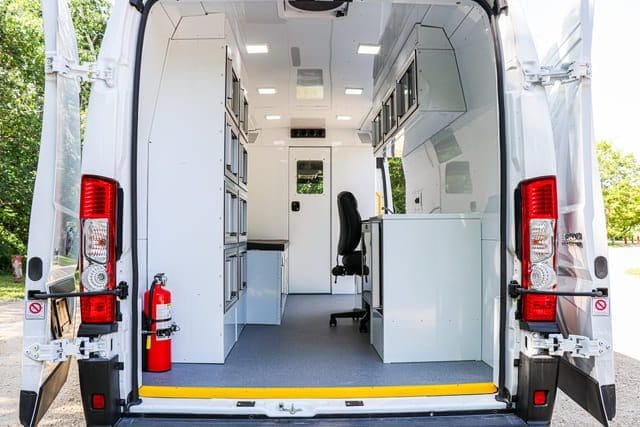
Did you know that over 2.5 million people in Ontario don’t have a family doctor? As a healthcare or community leader, that number probably makes you frustrated. You know people are struggling to get basic check-ups, preventive screenings, or mental health support. It might feel like you’re trying to plug a leaking dam with your bare hands.
You want to bring healthcare to them, but the big question is where? Figuring out the specific Ontario locations for mobile clinics to make the biggest impact is a huge challenge. Without a clear answer, people continue to miss out on life-saving care.
Your mission drives you. Ours is to support it. For over 20 years, MoveMobility has been helping organizations just like yours remove barriers to healthcare. We are a certified Ford QVM and Stellantis QPro partner, and our vehicles carry the National Safety Mark, which shows their strict safety adherence. We’ve worked with healthcare teams across Canada to design and build mobile care clinics that save lives. While we’re proud of our work, we know you have options.
Our main goal is to help you find the right solution for your community.
In this article, we’ll answer your biggest question about the top 5 Ontario locations for mobile clinics and explain why these areas are in critical need.
You’ll learn about:
- The key regions with major healthcare gaps
- The specific populations you can serve in each area
- Why a mobile health unit is the perfect solution for these communities
What are the top 5 locations in Ontario to bring your mobile clinic?
There are many locations throughout Ontario where a community can benefit from your mobile clinic rolling into it. Let’s take a look at five locations where it might make just a bit more sense.
1. Northern Ontario
It’s no secret that Northern Ontario is massive. If your organization serves communities in the Thunder Bay, Kenora, or Cochrane districts, you know this reality all too well. Your clients may live hours away from the nearest hospital or specialist.
This isn’t an inconvenience. It’s a dangerous gap.
People are forced to delay critical appointments, go without preventive screenings, or travel great distances at great cost. The Northern Health Travel Grant exists for this very reason, but it still requires people to make the long journey. You see the fallout: manageable conditions become emergencies.
Who can a mobile clinic serve in Northern Ontario?
Bringing a mobile health unit to this region is a lifeline for many. These fully-equipped clinics can bring care to people where they are.
This allows you to serve specific, hard-to-reach populations:
- Remote Indigenous populations: Provide culturally sensitive primary care, mental health support, or harm reduction services right in their community. This helps address the health inequities that systemic barriers have created.
- Seniors in small towns: Offer chronic disease management, like diabetes or high blood pressure checks, saving them a stressful multi-hour drive to a larger centre like Sudbury or Sault Ste. Marie.
- Resource industry workers: Bring mobile medical care, like wellness checks or basic testing, directly to remote mining or forestry sites.
Why does northern Ontario need mobile clinics?
A mobile clinic closes the distance gap. Instead of forcing a patient to plan a full day of travel, you bring the solution to their doorstep.
Imagine this: a mobile care clinic rolls into a small town outside Timmins. In one day, you can provide dental cleanings, public health vaccinations, and primary care check-ups. You are not just offering a service. You are delivering dignity, saving lives, and removing a barrier that geography created.
This is how a mobile health clinic stops being a “van” and becomes the heart of community healthcare.
2. Urban access deserts
It seems strange to talk about healthcare gaps in a big city, doesn’t it? When you think of the top Ontario locations for mobile clinics, you might just picture rural roads. But cities like Toronto, Ottawa, and Hamilton have their own deep, hidden gaps.
We call them “access deserts.” People are often physically close to a hospital but face massive barriers. They may lack a health card, transportation fare, or trust in the system. You see this constantly. You know the people who fall through the cracks. It’s frustrating when help is right there, but still completely out of reach.
Who can a mobile clinic serve in urban centers?
This is where a mobile care clinic changes the entire game. It’s not a giant, impersonal building. It’s a flexible, welcoming, and safe space on wheels. It proves that care is for everyone.
This allows you to serve specific populations who are often invisible:
- People experiencing homelessness: Bring a mobile health clinic directly to shelters, drop-in centers, or encampments. You can offer critical wound care, mental health support, or basic check-ups. This group faces huge health inequities.
- Harm reduction clients: A dedicated mobile health unit provides a safe, private, and non-judgmental space for services. This meets people where they are and saves lives.
- Newcomers and refugees: Park in specific neighbourhoods (like in Peel, Scarborough, or Ottawa) to offer services in multiple languages, health system navigation, or public health information.
- Seniors in dense housing: Drive a mobile clinic to high-rise apartment towers and offer on-site wellness checks, flu shots, or blood pressure monitoring.
Why is a mobile clinic the right choice here?
In Northern Ontario, the gap is distance. In urban centers, the gap is trust and access.
A mobile clinic bridges this gap. It’s approachable. It breaks down the walls (literally) of a traditional clinic. You’re no longer waiting for people to find you. You are actively finding them. You offer mobile medical care that builds relationships, shows dignity, and proves that no one in your community gets left behind.
Check out the video below to learn how you can customize your mobile clinic.
3. Southwestern Ontario
When your work is in Southwestern Ontario, from Windsor-Essex to Huron-Perth, you deal with a unique set of challenges. This region is the heart of Ontario’s agriculture, but it’s also home to many aging, rural populations.
You likely see two big gaps:
1. Seasonal populations: Thousands of migrant workers arrive every year, and they often struggle to access healthcare. They face language barriers, lack transportation from the farms, and work long hours.
2. Isolated seniors: An aging farmer or a senior in a small town might be physically close to a city like London, but a 45-minute drive is a huge barrier if you no longer drive or have mobility challenges.
You feel this gap when you hear about a worker’s minor injury getting infected, or a senior’s chronic illness going unmanaged.
Who can a mobile clinic serve in southwestern Ontario?
A mobile health unit is the perfect solution for these two very different groups. It’s flexible. It goes where the need is, when it’s needed.
This allows you to serve:
- Migrant agricultural workers: Drive a mobile clinic directly to farms or community hubs in areas like Leamington or Chatham-Kent. You can offer primary care, translation services, and occupational health support outside of typical 9-to-5 hours.
- Aging rural residents: Set up a mobile care clinic for a day in a small town’s community centre parking lot. This allows you to provide mobile medical care like health screenings, prescription check-ins, and preventive care for seniors.
- Mennonite and Amish communities: These populations sometimes face unique cultural or transportation barriers to accessing traditional healthcare. A respectful, community-based mobile health clinic can be a welcome and effective solution.
Why does a mobile clinic make sense for southwestern Ontario?
A mobile clinic closes the logistics gap. In southwestern Ontario. Instead of asking a worker to miss a day’s pay, you bring the clinic to them. Instead of asking a senior to find a ride, you bring the service to their town. This is how you deliver care that respects people’s lives and work, making it one of the most effective locations in Ontario for mobile clinics.
4. Eastern Ontario
Eastern Ontario covers a large, diverse area, stretching from urban centers like Ottawa into smaller, more rural counties. If you operate here, you know the challenge is making sure everyone gets equal care, regardless of where they live or what language they speak.
You see two major gaps that are stopping people from getting the care they need:
- Rural travel times: If someone lives in a small community outside a main town, a simple doctor’s visit can become a huge, expensive trip.
- The language barrier: Many communities, especially in places like Prescott and Russell, are home to a large number of French-speaking people. If healthcare isn’t offered in French, it creates a lack of dignity and makes getting proper help much harder.
When these gaps exist, people delay care. Manageable health issues turn into big problems. You feel the weight of this challenge every day.
Who can a mobile clinic serve in Eastern Ontario?
A mobile health unit offers the flexibility to address both the geography and language barriers at the same time. It’s a versatile solution that customizes care for specific groups.
A mobile clinic is perfect for serving:
- French-speaking communities: You can drive a mobile care clinic to areas with high Francophone populations, ensuring that all staff can speak French. This removes the language barrier, builds trust, and promotes health equity.
- Seniors and low-income families: Bring mobile medical care to smaller, isolated towns like Vankleek Hill or Casselman. You can offer services like diabetes checks, blood pressure monitoring, and mental health support, saving people the difficult travel.
- Vulnerable urban pockets: Even in Ottawa, there are neighbourhoods that are underserved. A specialized mobile health clinic can focus its efforts here, offering things like specific youth programs or specialized outreach services.
Why is a mobile clinic the right solution in this case?
A mobile clinic closes the accessibility and identity gap. It’s a direct way to show communities that you see their unique needs.
Instead of forcing someone to struggle with transportation and a language they aren’t fully comfortable with, you bring the solution to their front door in a way that respects their identity. That’s how a mobile clinic becomes an enabler of dignity and life-saving connection, making Eastern Ontario one of the key Ontario locations for mobile clinics.
5. Cottage country in Ontario
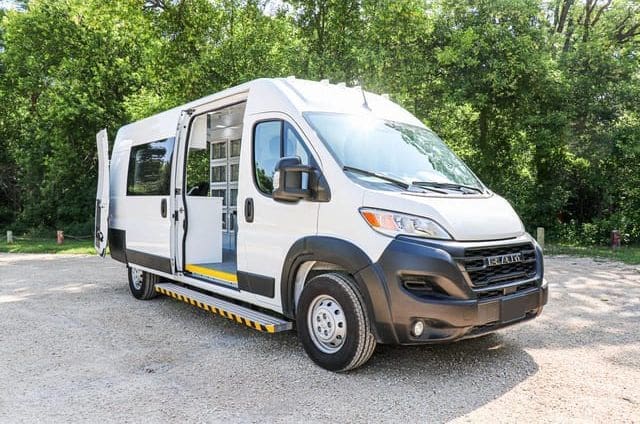
Think about Central Ontario: Places like Muskoka, Simcoe County, and the beautiful Kawartha Lakes. It’s “cottage country,” right? But for people like you running healthcare services, this area is a puzzle. The population here is always changing, and that causes a huge gap in care.
We call this the seasonal shift problem.
Here’s how this shift hurts healthcare:
- Summer overload: When it’s warm, everyone rushes to their cottages. The population explodes! This quickly overwhelms the local doctors and hospitals, meaning year-round residents face crazy long wait times for simple appointments.
- Winter isolation: When the summer crowd leaves, the population shrinks a lot. Many permanent, older residents are left alone and isolated. Services become harder to reach, and winter driving makes simple trips for care a huge barrier.
You know this feeling: during the summer, you’re scrambling to keep up. In the winter, you worry about the seniors you can’t easily reach. This is a stability problem that needs fixing.
Who can a mobile clinic help here?
A mobile health unit is the champion of flexibility. It’s a health resource that follows the need. It helps you keep care steady, no matter the season.
This makes a mobile care clinic perfect for:
- Summer visitors and workers: Place the mobile clinic near busy tourist spots like hotels or big lakes in Muskoka. This allows the local emergency rooms to focus on true emergencies, while your mobile medical care handles minor cuts or urgent travel-related needs.
- Isolated permanent residents: In the quiet winter, the mobile health clinic can focus entirely on going to small towns and senior centers around places like Haliburton or Kawartha Lakes. You deliver preventive care, such as flu shots and health screenings, right to their neighbourhood.
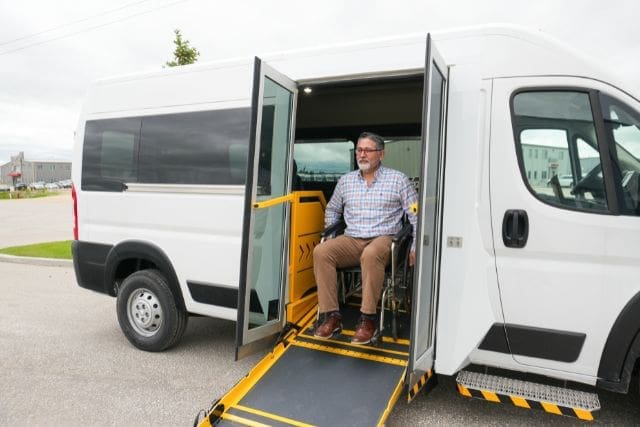
- Mobility-challenged seniors: The region has many older residents. A mobile clinic provides dignity by bringing accessible care directly to them, removing the huge barrier of a long, stressful drive.
Why is this a smart move?
A mobile clinic closes the timing gap. It gives your organization the power to adapt.
When the population swells, you expand your services. When it shrinks, you focus your resources on the most isolated people. This innovative approach ensures consistent, life-saving care across these popular Ontario locations for mobile clinics.
Is going mobile the future of healthcare for your organization?
You started reading because you know people are struggling to get healthcare and see these dangerous problems every day: The long drives in Northern Ontario, the hidden barriers in big cities, and the chaos caused by summer crowds. You need a clear way to bring life-saving care to your community.
Here’s what you learned:
- The problem: People miss out on care because of distance, trust issues, or confusing schedules.
- The answer: A smart, mobile clinic can go right to the people who need help.
For over 20 years, we’ve focused on one thing: Helping people like you remove barriers. Our experience is a competitive edge that ensures your mobile clinic is ready to start saving lives from the very first day. If you have questions about turning your ideas into a plan, let’s talk.
Click the button below to talk to a friendly mobility expert.
If you’re not ready to talk to a mobility expert yet, we have a few other resources you should check out to learn more:
- How much does a mobile medical van cost in 2025? This is a must-read next step. You know where the need is; now this explains the simple cost so you can start planning your budget.
- 10 steps to starting a mobile clinic: This article takes the guesswork out of the process. It clearly shows the straightforward steps to getting your mobile clinic
 English
  French