Did you know 6.5 million Canadians don’t have a family doctor? As a municipal leader, you feel that strain. You hear about long drives for care and see your ERs fill up. You might even see towns like Tillsonburg, Ontario, considering a municipally operated medical clinic as the answer. It’s a heavy weight to carry. This gap in healthcare is stressful for you and your residents. The goal is a community where everyone gets basic care easily. A place focused on prevention, keeping people out of hospitals, and avoiding packed waiting rooms.
At MoveMobility, we get it. Your mission drives you; ours is to support it. For over 20 years, we’ve helped Canadian partners like Keewatinohk Inniniw Minoayawin. We’ve built over 150 mobile medical units and hold top safety certifications (Ford QVM, Stellantis QPro, and the National Safety Mark). We listen first and build second. Our goal is to provide you with clear information, regardless of which manufacturer you choose.
We’re here to answer your questions. This article will cover:
- What is a mobile municipally operated medical clinic?
- 5 reasons these mobile clinics work so well
Let’s start with the basics.
What is a mobile municipally operated medical clinic?

You’ve likely heard the term, but what exactly is a municipally operated mobile medical clinic?
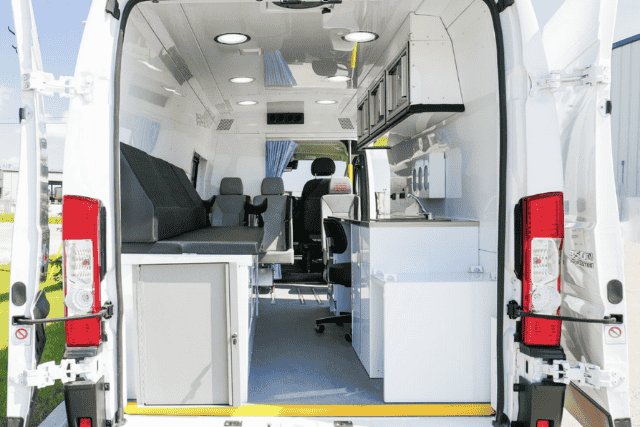
Think of it as a doctor’s office or a community health centre, but on wheels. It’s a specialized vehicle purchased and run by a town, city, or regional government. Its purpose is to fill the healthcare gaps in your community.
A traditional clinic is fixed. People must travel to it, find parking, and sit in a waiting room. This creates huge barriers. What about seniors who can’t drive? Or new Canadian families in a suburban neighbourhood far from a clinic? Or people in rural areas who face a long drive just for a basic check-up?
A mobile clinic flips the model. Instead of making people come to the care, the care goes to the people.
It parks in familiar, easy-to-reach locations. This could be a community centre parking lot, a library, a First Nations band office, or a neighbourhood park. It meets people where they already are. This simple change removes major barriers, such as transportation, time off work, and childcare.
Inside, a mobile medical clinic is a clean, private, and professional space.
These units are custom-built with things like:
- An exam bed

- A desk for paperwork and consultations

- Secure cabinets for medical supplies
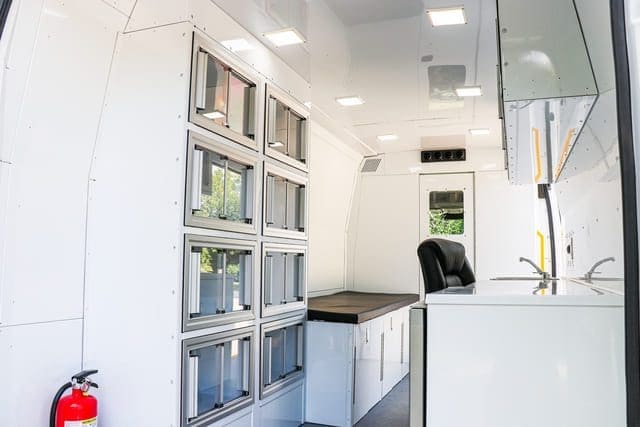
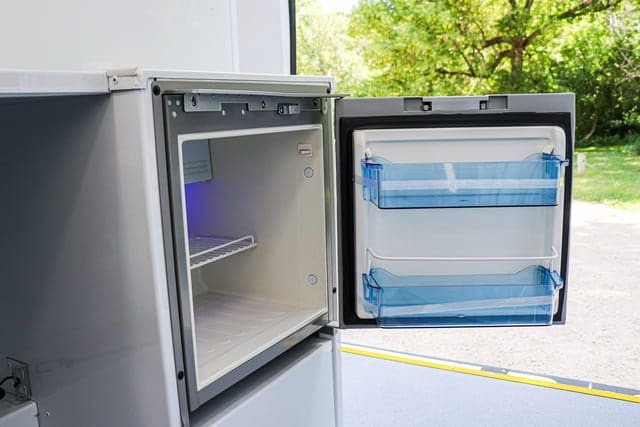
- Refrigeration for vaccines
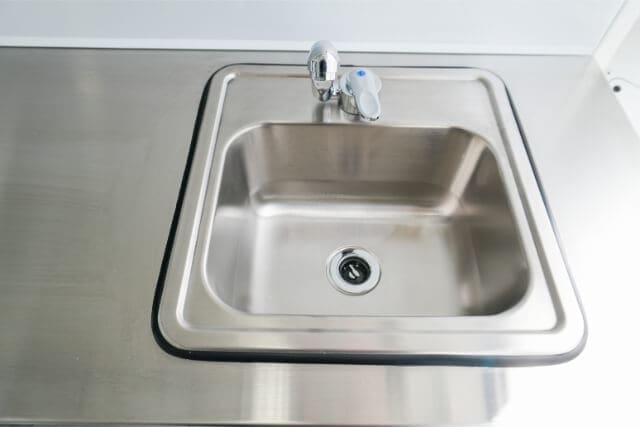
- A sink for handwashing
- Its own power and heating/cooling

How do mobile municipally operated clinics deliver care?
Here’s the key: A municipally operated medical clinic on wheels isn’t trying to be a hospital. It’s not really for emergencies. Its power is in prevention and primary care.
Because they are run by the municipality (or a partner health authority), they can be staffed in a smart, cost-effective way. You won’t always find a doctor on board.
Instead, a mobile health clinic is often run by highly skilled:
- Nurse practitioners (NPs): Who can diagnose, treat, and prescribe medication.
- Registered nurses (RNs): Who handle wound care, vaccinations, and health education.
- Social workers: Who connect people to housing or food security supports.
- Harm reduction staff: Who provide life-saving supplies and support.
This model, seen in programs from Nova Scotia to British Columbia, is incredibly efficient. A nurse in the van can handle 90% of the day-to-day issues.
What about that other 10%? That’s where telehealth plays another part.
A nurse in a mobile medical clinic in a remote part of Manitoba, for example, can connect to a specialist in Winnipeg using a secure video link. The nurse provides the hands-on assessment (listening to a patient’s lungs, checking their blood pressure). The doctor provides the specialized diagnosis from hundreds of kilometres away.
This “hybrid” model is a powerful way for mobile primary care clinics to offer top-level care without the high cost of staffing a full-time doctor in every location.
The entire goal is to keep people healthy and out of the hospital emergency rooms. You can offer flu shots, manage chronic conditions like diabetes, and provide preventative check-ups. A mobile clinic solves small problems before they become big, expensive emergencies.
Now you see what they are. But what makes them so effective at solving these big community problems?
5 reasons mobile municipally operated medical clinics are so effective
Now that you know what a municipally operated medical clinic on wheels looks like, let’s talk about the big impact they have. They don’t just solve one problem; they solve many, making healthcare easier, more affordable, and safer for the entire community. These five reasons show why these mobile clinics are changing the face of care across Canada.
1. Mobile clinics keep emergency rooms open for real emergencies
It’s a huge pain point for municipal leaders and hospital staff: the emergency room (ER) is full, and often, many people waiting there don’t actually have an emergency.
Why does this happen? Simple. If someone in a remote part of Northern Ontario can’t get a timely appointment for a simple ear infection, a minor burn, or a fever, the ER is their only option. These minor issues clog up the system, making staff stress levels go way up and causing massive delays for people who are truly in danger, like someone with a heart attack.
A mobile health clinic solves this problem and meets people right where they live.
Imagine a mobile medical clinic parked near a major transit hub in Surrey, British Columbia.
People can walk over for urgent but non-emergency issues like:
- Treating a bad cold or flu
- Getting stitches for a small cut
- Managing a flare-up of a chronic condition like asthma
Providing this accessible, same-day, primary care service means the municipally operated medical clinic redirects traffic away from the ER. This allows the ER to focus its resources on saving lives. It’s better for the patient, who doesn’t spend eight hours waiting, and it’s better for the entire health system.
It saves money by avoiding expensive ER visits, and it reduces the overall burden on hospitals. This simple shift in service location drastically improves healthcare efficiency across your community. This ability to deliver care right to the community is just the beginning of what makes these mobile primary care clinics so effective.
2. Mobile clinic services focus on prevention to save money and lives
If you’re running a community, you know that an ounce of prevention is worth a pound of cure. This is especially true in healthcare. When people can’t access simple preventative care, tiny health issues turn into huge, expensive disasters. That’s why the preventative power of a municipally operated medical clinic is so valuable.
Think about a common disease like diabetes. If a patient in rural Alberta misses yearly check-ups, that manageable condition can quickly lead to costly complications, like an emergency hospital visit or even amputation.
A mobile medical clinic steps in before that happens.
These mobile clinics focus on proactive, high-value services that stabilize community health.
These often include:
- Vaccinations: Catching up kids on school vaccines or providing flu shots. This is much better than a fixed clinic because the mobile health clinic can visit areas with lower vaccination rates.
- Chronic disease management: Regular blood pressure checks, blood sugar tests, and medication reviews. These simple, quick visits reduce the need for future emergency intervention.
- Screening services: Offering easy access to cancer screening or mental health checks.
This focus on prevention saves money. When you invest in a municipally operated medical clinic, you are saving money later on.
Plus, let’s be honest. Nobody wants to drive 45 minutes to a huge, busy clinic just for a flu shot. The convenience offered by mobile clinics gets more people through the door. It makes health check-ups feel less like a massive chore and more like a quick pit stop.
This focus on ease-of-use ensures your community stays healthier, and your municipal budget breathes a sigh of relief. This efficiency leads right into our next point about how these mobile primary care clinics use their staff and technology wisely.
3. Mobile clinics can use lower-cost teams and telehealth to extend reach
As a municipal leader, you know how tough it is to find and keep doctors, especially in places like rural Quebec or the territories. The high cost of physician-led care is a huge barrier. This is why the staffing model of a municipally operated medical clinic on wheels is so smart.
These mobile clinics don’t need a doctor for every appointment. They rely on highly effective, lower-cost professionals.
- Nurse Practitioners (NPs): NPs can diagnose, treat, and prescribe for the most common health concerns. They handle the bulk of primary care needs.
- Registered Nurses (RNs): RNs are great for vaccinations, wound care, and education.
Staffing a mobile health clinic with NPs or RNs is much more affordable than funding a full-time physician. Your municipal budget goes further while still providing great care.
Imagine a small community in rural Saskatchewan that receives a weekly visit from a fully equipped mobile medical clinic. The nurse on board can manage dozens of patients in one day.
Telehealth in mobile primary care clinics
What about specialists? That’s where the tech helps.
Every great mobile clinic should have strong internet for Telehealth. This connects the on-site nurse to a specialist in a city like Toronto or Halifax.
The patient still gets hands-on care from the nurse. They check blood pressure or examine a wound. The specialist joins by secure video to provide the diagnosis. This means a patient in a small town can see an expert without travelling all day.
This blend of on-site nursing and virtual doctor support allows mobile primary care clinics to offer comprehensive care, all while keeping operating costs reasonable. You can’t always hire a doctor, but you can always equip a van with a great nurse and a secure internet connection. This is a powerful gap-filler.
4. Mobile medical clinic vans can stop the transmission of illnesses
In recent years, everyone has become acutely aware of how quickly illnesses can spread, especially in crowded, indoor spaces. Waiting rooms at traditional clinics or hospitals are, unfortunately, perfect places for germs to be shared. People sit close together, often for a long time, and some are coughing or sneezing.
This is a major pain point and a risk for your entire community. You want to offer care without creating a new chance for sickness to spread. A municipally operated mobile medical clinic naturally solves this problem. It changes the way people access care, removing the risk of that crowded waiting room.
- Appointments are faster: Because the mobile health clinic focuses on streamlined primary care and prevention, appointments are quicker. There is less time spent waiting around, which means less exposure.
- The waiting space is open: When the mobile clinic is parked at a community spot in, say, an urban neighbourhood in Winnipeg, patients often wait outside under an awning or in their own car. They come in only when the nurse or staff member calls them. This is a huge difference from being packed shoulder-to-shoulder in a small indoor room.
- Targeted care: These mobile clinics are perfect for specific, high-priority health campaigns. They can be used for rapid testing or vaccination drives, keeping people with those specific needs separated from the general patient population.
This feature is a major advantage for public health. You’re delivering it in a way that minimizes risk. This simple shift from an indoor waiting room to an outdoor waiting area dramatically reduces the chances of widespread illness transmission.
This leads us right to the fifth reason: The power of going where people are.
5. Mobile primary care clinics meet people where they are
Another problem stopping people from getting healthcare is often just the location. If a clinic is far away, hard to get to, and only open when people are at work, a lot of them just can’t make it. This is a big gap that a mobile municipally operated medical clinic solves. It’s all about making it easier for people to get care and transportation. We know from working with groups like Liard First Nation and non-emergency transport providers like Transdev that no two towns are the same.
- For small towns: If you’re in a small place in the Maritimes or a remote part of the Prairies, building a full clinic might be too expensive. A mobile clinic can visit three or four smaller places every week. This rotating schedule means everyone gets a chance for a check-up, and no community is forgotten.
- For big cities: Even in huge places like Vancouver or Montreal, needs change. Maybe one area has lots of new families needing baby check-ups. Another area might have many older folks needing blood pressure checks. The mobile medical clinic is super flexible. You can change its location every month to help where the need is greatest.
Picture a mobile clinic setting up at a large factory so staff can get a quick flu shot during their lunch break. This easy access to check-ups and preventative care literally saves lives.
The result is that your residents feel respected and empowered. They don’t have to scramble for a ride or miss a whole day of work. They get professional, caring help quickly and easily. That’s the powerful, human difference these specialized mobile primary care clinics deliver.
Any questions about starting your mobile municipally operated medical clinic?
You started reading because you felt the squeeze: doctor shortages, long waits, and the worry of crowded waiting rooms in your town. You needed a real solution to help your residents.
After reading this article, you now know how a mobile municipally operated medical clinic can fix these problems.
At MoveMobility, we’re problem solvers for Canadian communities like yours. We design and build vehicles with a team that listens first and builds second. We know that every vehicle is a powerful tool to remove barriers to healthcare and transportation.
We’ve helped dozens of health teams, non-profits, and community leaders launch their first mobile unit, and we stick around long after the keys are handed over. We’re proud to help you do what you do best: Care for people and save lives.
Ready to see how this can work for your town? Click the button below to talk to a mobility expert.
If you’re not ready to talk to a mobility expert yet, we have a few other resources you should check out to learn more:
- How much does a mobile medical van cost in 2025?: You know these vehicles are effective, but budgeting is the next big step. This article answers the question everyone asks about the price.
- 5 steps to buying a mobile medical van: This resource gives you a simple, practical list of what comes next.
- How do mobile medical vans reduce the strain on emergency rooms? This article dives deeper into our first point, giving you more details and facts you can use when talking to your council or hospital partners about cost savings.
 English
  French