When Is On-Demand Accessible Transit Needed?

On-demand accessible transit is often needed when fixed-route systems and taxis can’t reliably serve all residents, especially in smaller cities with limited budgets. In Corner Brook, switching to an on-demand accessible van reduced evening and weekend transit costs by 80% while restoring independence for residents who hadn’t left home in years. This interview explains how the city made the transition, what changed for riders, and what other communities can learn from the approach.

Key Moments in this Video

1
When Is On-Demand Accessible Transit Needed?
In Corner Brook, the city had public transit, but it wasn’t accessible to everyone. Some residents hadn’t been able to leave their homes for up to two years because there was no reliable way for them to get around. Running full-sized buses to solve the problem wasn’t financially realistic, so the city started looking for another option that could serve residents better without breaking the budget.
36
How Can Cities Transition to Accessibility
Aaron explains how the city began with an accessibility study to better understand their transit needs. At the time, Corner Brook relied on an accessible taxi service, which worked in theory but wasn’t always consistent due to breakdowns and availability. Instead of immediately investing in larger vehicles, the city explored alternatives that could better fit its size, terrain, and winter conditions.
98
How On-Demand Accessible Transit Improves Independence and Efficiency
Once the accessible van was in service, residents were able to get out again, going to medical appointments, shopping for groceries, and spending time in the community. Aaron shares how the service restored a sense of independence while also helping the city operate more efficiently, especially during evenings and weekends.
124
What On-Demand Accessible Transit Looks Like in Practice
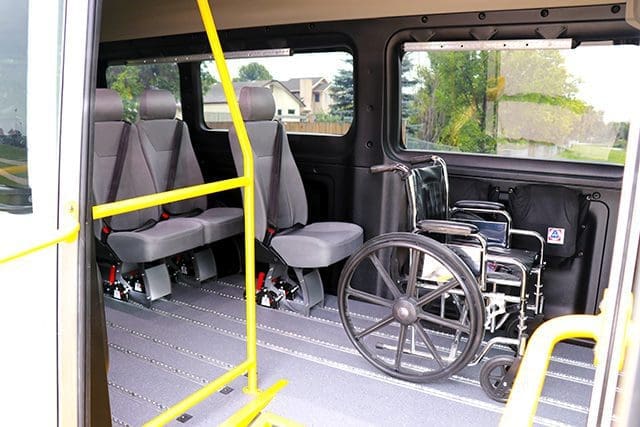
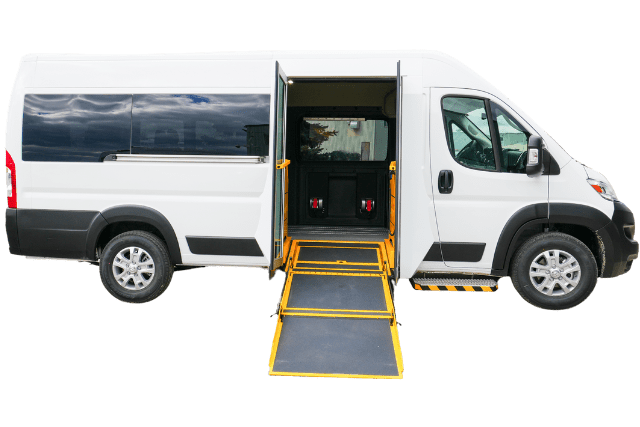
In practice, the service is simple but personal. The van pulls into driveways, navigates tight streets, and adjusts to the day as requests come in. For riders, it feels more like being picked up than being routed, and for drivers, it fits naturally into the rhythm of the city.
197
The Human Impact of Accessible Transit
Some moments stay with you. Aaron shares how meeting residents face-to-face changed how he understood accessibility, especially hearing from people who hadn’t left home in years. One ride, helping a father attend his son’s graduation, put everything into focus and reminded everyone why these decisions matter.
220
Planning for Demand and Long-Term Sustainability
As the service settled in, the city began thinking further ahead. With an aging population and growing demand, flexibility became just as important as coverage. Using the van during evenings and weekends didn’t just expand service, it also helped the city rethink how to balance access and long-term costs.
280
What Other Communities Can Learn from This Approach
By the end of the conversation, the focus shifts outward. Corner Brook’s experience isn’t presented as a blueprint, but as an example of what’s possible when cities stay open to new ways of working. For other communities, the takeaway is less about copying a model and more about asking the right questions locally.
Dan Cherry
Dan Cherry Account Executive at MoveMobility
Dan

Frequently Asked Questions:

FAQs

1. What is on-demand accessible transit?

On-demand accessible transit allows riders to request trips as needed instead of following a fixed bus schedule. It provides flexible, door-to-door service using accessible vehicles.


2. How does on-demand accessible transit differ from fixed-route buses?

Fixed-route buses follow set schedules and stops, while on-demand service adjusts routes based on rider requests. This makes it easier to serve people who need flexibility or live outside main transit corridors.


3. Can on-demand accessible transit work in winter conditions?

Yes. Smaller accessible vans are often easier to maneuver on narrow roads, hills, and snowy streets than full-sized buses, especially in older or hilly cities.


4. Is on-demand accessible transit only for people with disabilities?

No. In Corner Brook, both regular transit users and riders with accessibility needs can use the service, helping integrate accessibility into the broader transit system.


5. Does on-demand accessible transit reduce operating costs?

It can. Using accessible vans instead of full-sized buses for evenings and weekends helped Corner Brook reduce those service costs by about 80%.

MoveMobility logo with green and grey curves and text

Connect with one of our Mobility Experts

What happens if you submit the form?

We understand that you don’t want to receive multiple phone calls, emails or spam. You just want to speak to a commercial mobility specialist who can answer your questions about accessible and mobile medical vans.

If you submit the form or request more information from us, here’s what will happen:

  • Within one business day, you’ll receive a phone call from one of our commercial mobility specialists at the phone number you provide. Click here to Meet the Team.
  • If we miss you on the phone, you’ll receive a voice message to call us back. You’ll also get an email to let you know we tried to connect but missed you.
  • Once we’ve connected, your commercial mobility specialist will have a few questions for you to understand what type of vehicle you’re looking for help with.
 
If at any point during the process you feel we’re just not the right fit for your community or organization, just let us know. 


MoveMobility logo

Request More Information

Let us know what you’re looking for help with and we’ll be in touch.