

In busy cities like Toronto, getting a fast urban response for emergencies is a huge challenge. Statistics show that ambulance response times often aim for under six minutes, but traffic can make that feel impossible. Your organization might worry that a bulky vehicle will get stuck or struggle with sharp corners and heavy traffic conditions. This gap between needing to move fast and being held back is scary. It puts lives at risk and stresses your team. You want to reach patients quickly so they feel safe. The right vehicle helps make sure nobody waits when seconds count.
MoveMobility has been a leader in this industry for over 20 years, and we’re currently putting the finishing touches on our Type 2 ambulance. Our team holds Ford Pro Upfitter and Stellantis QPro certifications, demonstrating our commitment to the highest quality. We’ve worked with organizations like Saint Thomas Health Centre to bring care to those who need it. We know we’re not the only manufacturer, so we want to help you find the right fit.
This article explains which ambulance type is best suited for urban response in city life.
After reading, you’ll have a better idea about:
- Type 1, 2, and 3 models in urban response settings.
- Why a smaller footprint helps with an urban response
What is the best ambulance type for urban response?
When you’re navigating the busy streets of a place like downtown Vancouver, you’ll quickly see that size matters. It’s all about finding a balance between having enough room to help patients and being nimble enough to dodge traffic. Choosing the right ambulance type for urban response can be the difference between arriving on time and getting stuck behind a delivery truck. Let’s look at the various types of ambulances available and compare their capabilities in urban response settings.
Is a Type 1 ambulance the right choice for urban response?
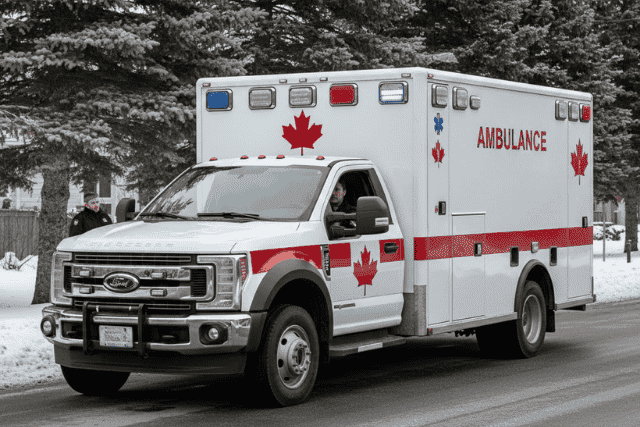
If you’re trying to decide which vehicle will help your team provide the best urban response in a busy city, the Type 1 ambulance is likely on your list. These are the heavyweights of the medical world. You’ll recognize them by their distinct look: a big, sturdy truck cabin in the front with a square medical box attached to the back.
Because they’re built on a heavy-duty truck chassis, they offer a lot of power and durability. But if you’re wondering if they’re the best ambulance type for urban response, the answer isn’t a simple yes or no. It really depends on the specific gaps you’re trying to fill in your community.
The power and space of a Type 1 unit
The biggest reason organizations look at a Type 1 is the sheer amount of room and strength it offers. If your medical team has to carry a mountain of heavy equipment, this vehicle can handle the load without breaking a sweat. It’s built to last for a long time, even when it’s working hard every single day.
- Massive storage space: You’ll have plenty of room for advanced life support (ALS) gear, extra oxygen, and specialized tools.
- Strong truck frame: These vehicles can handle rougher roads or even some light off-road paths if you’re near the outskirts of a city like Calgary or Edmonton.
- Safety and stability: Because they’re so heavy and wide, they feel very stable on the road, which helps your paramedics stay steady while they work on a patient.
How are they at navigating the urban response gap?
While the Type 1 is a powerhouse, it has some drawbacks when you’re stuck in city traffic. Imagine trying to drive a large moving truck through a narrow, crowded street in downtown Montreal during rush hour. It’s not easy! This is where the gap in urban response starts to show. If your vehicle is too big to squeeze past a double-parked car, you’re losing precious seconds.
- Difficult to maneuver: The long wheelbase and wide body make it hard to do U-turns or navigate tight alleyways.
- Higher fuel costs: Being a heavy truck, it’s going to gulp down more fuel than smaller models, which can eat into your budget over time.
- Rougher ride: Without special suspension, these can feel a bit bumpy in urban areas for the patient compared to a van-based unit.
At the end of the day, a Type 1 ambulance is a great choice if your city has very wide roads and you need to carry a lot of heavy gear. It empowers your team by giving them a mobile emergency room that won’t quit. However, if your main problem is getting through narrow streets and heavy traffic quickly, you might find that this model is a bit too much “truck” for the job. You want a vehicle that feels like a partner in your mission, not a barrier.
If you’re finding that a Type 1 might be a bit too bulky for your tightest city routes, it might be time to look at other options that offer a bit more agility.
Is a Type 2 ambulance the sweet spot for urban response?
If you’re working in the heart of a city like Toronto or Calgary, you know that every second is a battle against the clock. Traffic jams, construction, U-turns, and narrow side streets are your daily reality. This is where the Type 2 ambulance really shines.
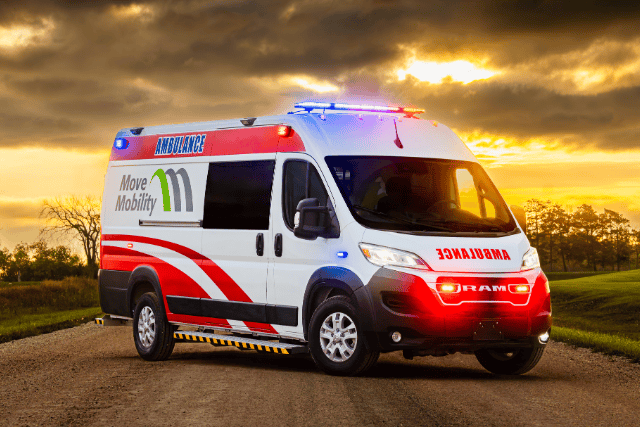
Many medical teams find that the Type 2 ambulance is the best ambulance for urban response because it bridges the gap between being a full-sized emergency response vehicle and a nimble city vehicle. Unlike the boxier Type 1, a Type 2 is built using a standard van chassis. It’s leaner, faster on its feet, and much easier to park when you’ve reached a crowded apartment complex or a busy office tower.
Why is agility a life-saver in the city?
The biggest win for a Type 2 unit is how well it handles a busy urban response mission. When you’re driving through a downtown core, you don’t want to feel like you’re piloting a giant ship. You want something that can weave through lanes and make tight turns without breaking a sweat. Because these are van-based, they feel more like a regular vehicle to drive, which helps your team stay calm and focused.
- Better fuel efficiency: Since they’re lighter than Type 1 or Type 3 models, they use less fuel. This is a huge plus for municipal budgets that are already stretched thin.
- Easier to drive: You don’t always need a special heavy-vehicle license to operate these, which makes it easier to find and train drivers.
Closing the gap on response times
The primary challenge many organizations face is simply reaching the patient. A big, powerful truck doesn’t help much if it’s stuck three blocks away from the scene. The Type 2 fills this gap by being “just right” for the environment. It helps your paramedics to get closer to the patient’s front door, reducing the distance they have to carry heavy stretchers through the snow or rain. This faster process creates a much more dignified experience for the person in your care because you move them into the warmth of the vehicle sooner.
- Smooth ride: Most modern vans used for Type 2 units offer a smoother ride than heavy truck frames. This keeps the patient comfortable and helps your medic work more safely while the vehicle is moving.
- Safety first: These vehicles are built with crash-tested structures that keep everyone inside protected during a busy urban response.
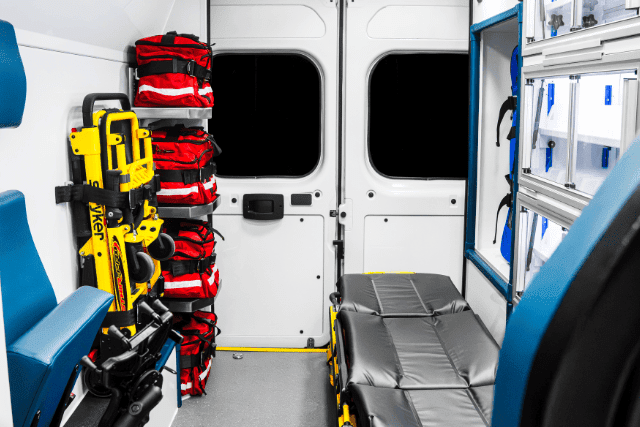
- Head height: With an interior head height of 6’2, even taller people can stand up inside the ambulance.
Is it right for your program?
While it may seem smaller than other models, don’t let that fool you. A Type 2 is still a powerhouse of care. It’s often considered the best ambulance for urban response because it focuses on what matters most in a city: speed, access, and reliability. If your mission involves navigating high-density areas where space is at a premium, this sweet spot vehicle might be exactly what you need to remove barriers and save more lives. It shows your community that you’re ready to meet them right where they are, no matter how crowded the street might be.
If you’re looking for a vehicle that feels like a natural extension of your team’s skills, the Type 2 is a strong contender. It’s all about making sure your tools help you do your job better, rather than getting in your way.
Is a Type 3 ambulance worth considering for urban response?

Looking for a vehicle that combines the features of a van and a truck? If so, you’ll likely find yourself looking at the Type 3 ambulance. It’s a bit of a hybrid. It features a van-style front cab with a square medical box attached to the rear. This model is a common choice for urban response because it offers more interior room than a van without being quite as massive as a heavy truck. A cutaway chassis provides a doorway or, more often, a pass-through window so the driver and medical team can talk to each other easily.
What’s the layout of a type 3 ambulance like?
Many city fleets use the Type 3 as their go-to workhorse. It offers paramedics a wide, square space to help patients, and the van-style front helps drivers navigate better than a large truck.
- Driver visibility: Because the front is based on a van, the driver usually has a better view of the road directly in front of them compared to a long-nosed truck.
- Storage capacity: The box on the back is wider than a standard van, providing more space to move around the patient and store medical tools.
Urban response challenges you might face with a Type 3 ambulance
Even though it’s more agile than a Type 1, a Type 3 is still a large vehicle. You’ll still face specific gaps when navigating tight city centers. If you’re trying to squeeze into a narrow hospital bay or park on a busy street in downtown Halifax, the wide box on the back can be a challenge.
- Wider body: The medical box is wider than the front cab, so drivers must be careful when turning corners or passing parked cars in traffic.
- Operating costs: Like any larger vehicle, it will cost more to fuel and maintain than a smaller Type 2 van.
- Weight limits: While it has more room than a van, it cannot carry as much weight as a Type 1 truck. This might be a problem if you carry very heavy specialized equipment.
Deciding if a Type 3 is the right fit depends on your specific program goals. It’s an option if you need a square work area but prefer van-like handling. It helps your team by providing a spacious place to provide care while still being able to navigate most city streets. However, if your main goal is reaching the tightest spots in a crowded downtown core, you may find that the extra width is still a barrier.
Every vehicle choice involves trade-offs. The Type 3 is a common sight in many Canadian communities, serving as a middle-ground option for an urban response where both space and mobility are important.
Need help finding the perfect ambulance type for your program?
You likely started reading this because you worry about traffic and narrow streets slowing down your emergency team.
You’ve felt the stress of wondering if your vehicles are helping or actually getting in the way when every second counts.
After reading this, you’ve learned:
- The differences between Type 1, 2, and 3 models for urban response.
- Why a smaller, more agile vehicle is often the best ambulance for urban response in crowded Canadian downtowns.
MoveMobility has spent over two decades listening to the challenges faced by healthcare organizations like you across Canada. We’ve built more than 150 mobile medical units because we believe that no one should lose their dignity or their health just because of where they live or how busy the streets are. Our team creates bridges to better care by focusing on safety, innovation, and your specific community goals.
We’re leaders in this industry because we put your mission and your patients first in everything we do. We’re currently putting the finishing touches on our very own Type 2 ambulance, and we would love for you to be the first to know more about it. If you have any questions at all, click the button below to register your interest or talk to an ambulance expert.
If you’re not ready to talk to an ambulance expert yet, we have a few other resources you should check out to learn more.
Recommended next reads
- Mobile Response Van vs. Ambulance: Which is right for your organization? This article helps you compare traditional ambulances with mobile response units to see which one best fits your city’s unique needs.
- Emergency response units: van vs. truck with capsule: Read this to understand the physical differences between van-based units and truck capsules to help you decide on the right footprint for your team.
- How do mobile medical vans reduce the strain on emergency rooms? This guide explains how using the right vehicle can help treat patients on-site and lower the number of non-emergency ambulance trips to the hospital.

 English
  French