

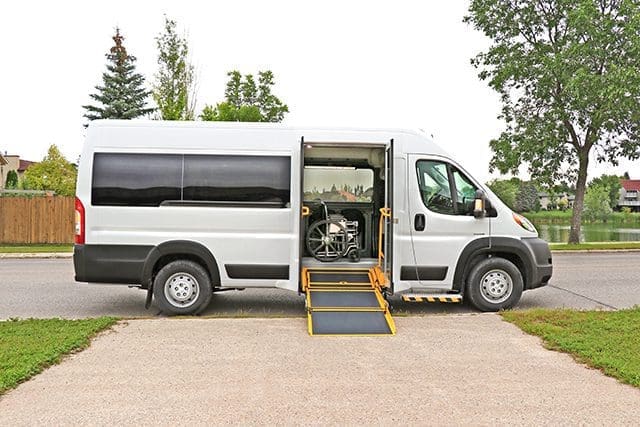
Are you wondering if a commercial wheelchair van or a personal-use van is the better choice for your program? It’s a big decision. At first glance, a personal van might seem cheaper. But here’s the problem. Personal vans aren’t built for the heavy, everyday use that comes with serving your community.
If you choose the wrong van, you could face breakdowns, safety issues, or higher repair bills. That means more stress for you and less reliable service for the people counting on you. What you really want is peace of mind knowing your van is safe, dependable, and built to handle the work you do every day.
That’s where we come in. For over 20 years, MoveMobility has worked with organizations across Canada to close this gap. We hold Ford QVM and Stellantis QPro certifications, and every van we build carries the National Safety Mark. Groups like Keewatinohk Inniniw Minoayawin trust us because we design vans that fit their unique needs. And while we know there are other manufacturers out there, our focus is on building vehicles that reduce barriers and help you serve people with dignity.
In this article, you’ll learn:
- What counts as a commercial wheelchair van
- Key differences between personal and commercial conversions
- What to look for when comparing options
- Why pricing can look different and what it really means
*Keep in mind that all costs mentioned in this article are just estimates and are subject to change.
What counts as a commercial wheelchair van?
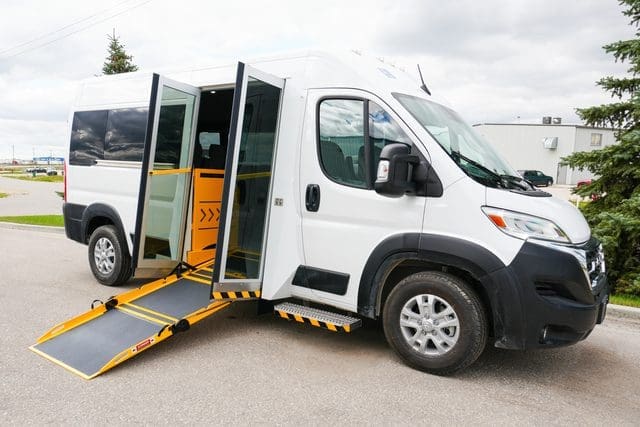
Patent pending
So, what actually makes a van “commercial” instead of personal use? A commercial wheelchair van is built for organizations that transport people every day. Think of health centres in Winnipeg, community organizations in Toronto, or outreach programs in rural Saskatchewan. These vans aren’t designed for the occasional family trip. They’re built tough to handle constant use, heavy wear, and strict safety rules.
With a full-size commercial wheelchair accessible van, you’re getting a vehicle that’s stronger and more reliable than one made for personal use.
Here’s what sets it apart:
- Heavy-duty ramp: Transit-grade, with a weight capacity of up to 1,000 lbs.
- Barrier-free access: No steps, wide side entry door, and a ramp that doesn’t block the way when stowed.
- Backup systems: Manual deployment options and integrated handles in case power isn’t available.
- Flexible interiors: Reconfigurable floor plans using the AutoFloor track system, making it easy to switch between wheelchair spots and seating.
- Safety tested: CMVSS and D409 certified, with 4-point wheelchair restraint kits and self-tensioning systems for each occupant.
- Comfortable space: High ceilings (up to 74 inches), wide floors, and smooth, quiet operation for passengers.
Commercial vans are also designed to perform well in Canadian conditions. High ground clearance keeps you moving even in snowy areas like Thunder Bay or Yellowknife. Features like front-wheel drive and backup cameras make city driving safer and easier.
At the end of the day, a commercial wheelchair accessible van is for programs that need durability, flexibility, and safety built right in. These are the vans that keep your services running smoothly day after day, no matter where in Canada you’re working.
What are the key differences between personal and commercial wheelchair van conversions?
Now that you know what makes a commercial wheelchair van unique, let’s look at how it stacks up against a personal-use van. At first glance, they may look similar. Both move people, both have ramps, and both make life more accessible. But the differences matter a lot when you’re running a program, not a household.
Personal wheelchair vans are built for families or individuals. They usually have lowered floors, smaller ramps, and fewer safety features (depending on your manufacturer) because they’re meant for light use. A family in Calgary, for example, may use their van for shopping trips, school runs, or appointments. That kind of use is occasional and much easier on the vehicle.

Commercial wheelchair accessible vans, on the other hand, are built for daily, heavy-duty work. They have stronger parts, bigger entryways, and more durable flooring. These vans are designed for organizations moving multiple passengers in a single day. A health centre in Halifax or a non-profit in Regina can’t afford downtime when people depend on their services.
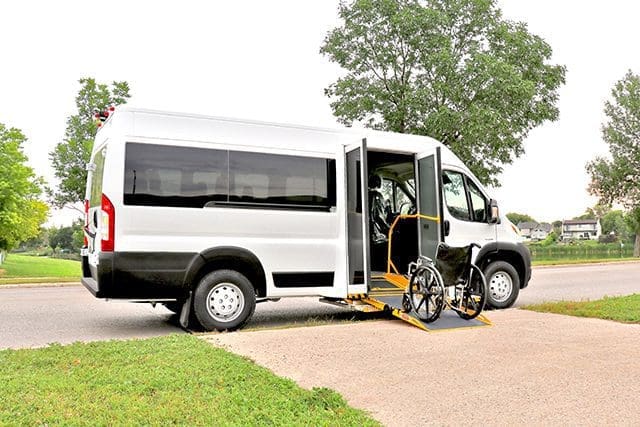
Here are some of the biggest differences:
- Ramp strength: Commercial ramps hold up to 1,000 lbs, while personal ramps are usually lighter-duty.
- Entry space: Commercial vans have higher ceilings and wider doors, making it easier for all types of mobility devices.
- Durability: Commercial interiors are reconfigurable, built to withstand constant loading and unloading.
- Safety: Commercial vans meet CMVSS and D409 standards, while personal vans often don’t need to.
- Usage: Personal vans are for families. Commercial vans are for programs that transport people every day.
In short, personal vans serve households. Commercial wheelchair vans serve organizations. And when lives and services are on the line, the right choice makes all the difference.
6 considerations when comparing personal use and commercial use wheelchair vans
When you’re deciding between a personal-use van and a commercial wheelchair van, it helps to know exactly what to compare. Here are six key things to keep in mind as you look at your options.
1. Ramp strength and access
The ramp is the front door for your passengers. As we previously mentioned, personal vans often come with lighter ramps that can handle basic use but wear out quickly under heavy loads. Commercial wheelchair accessible vans use transit-grade ramps that can support up to 1,000 lbs. They also don’t block the doorway when stowed, which means walk-on passengers can get in without waiting for the ramp to deploy. This makes everyday use faster, safer, and less stressful for your team.
2. Safety standards
Personal-use vans don’t need to meet the same strict requirements as commercial ones. Commercial vans in Canada must meet both CMVSS and D409 safety standards. That means every restraint system, seat, and ramp has been tested for real-world safety.
These certifications exist to protect passengers and operators, and they also help your organization avoid liability issues. When you’re transporting vulnerable people, meeting these standards is not optional; it’s essential.
At MoveMobility, our minivan options meet both CMVSS and D409 certifications.
3. Interior space
Space is one of the biggest differences you’ll notice. Personal vans have lower ceilings and tighter entryways. That works fine for occasional family trips, but it can cause challenges for power chairs or multiple wheelchairs. A commercial wheelchair accessible van offers higher ceilings, wide doors, and more floor space. The extra room means easier loading, more comfort for riders, and less strain on staff who help with transfers.
4. Durability
Think about how often you’ll use the van. Personal vans aren’t designed for constant trips day after day. Commercial vans are. They use reinforced flooring, strong restraint systems, and high-quality materials that stand up to wear and tear. If you’re driving on rough rural roads in Manitoba or facing harsh winters in Northern Ontario, durability is what keeps your van on the road for long periods of time.
5. Flexibility and seating
Personal vans usually have fixed seating layouts. That’s fine for one family, but not for programs with changing needs. Commercial vans often come with track systems like AutoFloor, which let you rearrange seating and wheelchair spaces quickly. If you’re transporting a mix of ambulatory passengers and wheelchair users in places like Edmonton or Halifax, this flexibility helps you serve more people without needing multiple vehicles.
6. Long-term costs
Personal vans may seem cheaper at first, but that lower price tag can be misleading. Because they aren’t built for heavy-duty use, they may rack up repair bills, downtime, and even early replacement costs. Commercial wheelchair vans for sale usually cost more upfront, but they save money long term because they’re built to last. When you look at the total cost of ownership, commercial often comes out ahead for organizations.
What are the cost differences between personal and commercial wheelchair vans?
Let’s talk about the part that usually weighs heaviest on your mind: the cost. On paper, a personal-use wheelchair van looks less expensive. In Canada, if you’re looking at something like a minivan model for personal use, it typically ranges from $92,000 to $110,000. For a family using it a few times throughout the week and on weekends, that price makes sense.
But when you’re running a full wheelchair accessible transportation organization, the story is different. A commercial wheelchair van is built to handle the rigors of daily use, offers more flexibility, and lasts longer. That comes with a higher upfront cost, ranging from $142,000 to $180,000. The price difference can feel like a big gap at first glance.
Here’s where it helps to look beyond the sticker price:
- Personal vans: Lower upfront cost, but more wear and tear if used daily. Repairs, downtime, and replacements can add up fast.
- Commercial vans: Higher upfront cost, but built tougher. They keep running longer, protect your riders, and meet all the Canadian safety rules your organization needs to follow.
Think of it like buying work boots. A cheap pair may look fine on day one, but if you wear them every day, they’ll fall apart. A stronger, pricier pair lasts years and saves you money in the long run. It’s the same with commercial wheelchair accessible vans. The initial investment is bigger, but you get a van designed to support your mission reliably year after year.
Find the right wheelchair van for your organization
You came to this article because you’re trying to figure out if a personal-use wheelchair van or a commercial wheelchair van is the right fit. The wrong choice could mean breakdowns, safety risks, or money wasted.
Here’s what you’ve learned today:
- What counts as a commercial wheelchair van in Canada
- The clear differences between personal and commercial conversions
- Six key things to compare when looking at your options
- How the costs stack up between the two
At MoveMobility, we’ve spent decades designing vehicles that help organizations break down barriers to transportation. Organizations trust us because we focus on long-term solutions, not quick fixes. We know the stakes are high, and every van we deliver is part of making healthcare and mobility more accessible. If you have questions, click the button below to talk to a mobility expert. We’d love to help.
If you’re not ready to chat with an expert yet, here are three other resources that can guide you further:
- How Much Does a Wheelchair Van Cost? This guide helps you understand the pricing details and what affects the final cost.
- MoveMobility vs. Dealerships for Wheelchair Vans: Which is Right for You? This article compares the differences between buying from a dealership and a manufacturer like us.
- How to Choose a Wheelchair Van (11 Steps): This guide provides a clear, step-by-step process to make your buying decision easier and less stressful.


 English
  French