

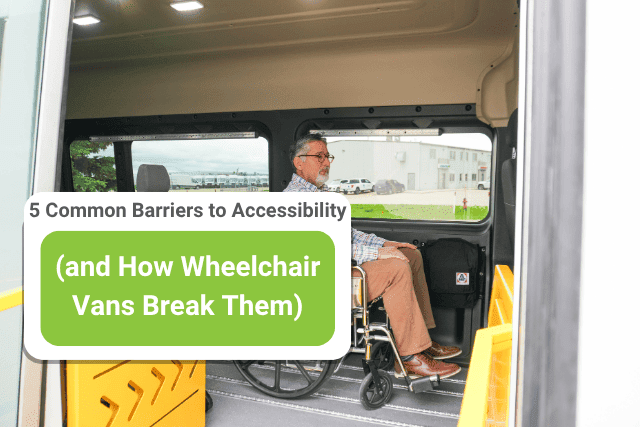
Have you ever seen someone struggle to get to a doctor’s visit or the grocery store? Across Canada, barriers to accessibility stop people with disabilities from living full, independent lives. For groups like yours, it’s hard to see. You want to help people stay connected, but when transportation isn’t accessible, that’s tough to do. Missed appointments, loneliness, and lost freedom become the norm. That’s the gap we need to close together.
At MoveMobility, we’ve spent over 20 years helping communities across Canada make transportation easier and more inclusive. We’ve worked with partners like LOFT Community Services, who use our wheelchair vans to help seniors get to care safely. Our vehicles meet strict safety standards with Ford QVM, Stellantis QPro, and the National Safety Mark. We know we’re not the only builder out there, but we’re proud to be one that listens, cares, and helps organizations like yours make a real difference.
In this article, you’ll learn about five common barriers to accessibility in Canada and how wheelchair vans help break them:
- Long travel distances: Reaching care in rural or remote areas.
- Few accessible rides: Limited safe options for people with mobility needs.
- Weather challenges: Poor weather limits opportunities for those in wheelchairs.
- Social isolation: Staying home due to a lack of transportation.
- Limited community reach: Programs that can’t reach people who need them.
What are the 5 barriers to accessibility?
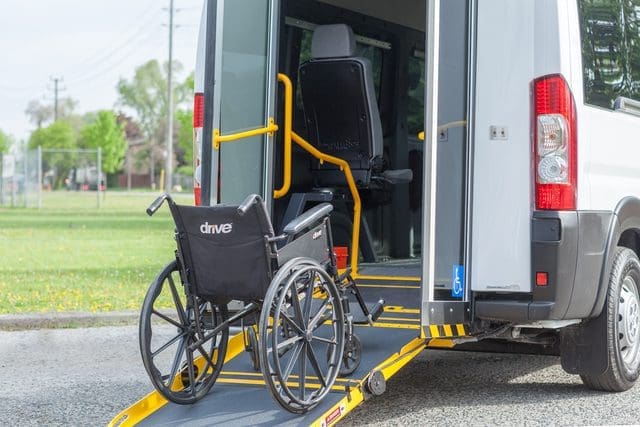
Every day in Canada, people face roadblocks that limit how they live, work, and connect. Some can’t get to their jobs, while others stay home from social events because transportation isn’t made for their needs. These barriers to accessibility affect whole communities. The good news? Once we understand what these barriers look like, we can start breaking them down so everyone has a fair chance to move, belong, and thrive.
1. Long travel distances
In many parts of Canada, the nearest hospital, clinic, or therapy centre can be hours away. For people who rely on mobility aids, that’s a big problem. Long travel distances are one of the greatest barriers to accessibility because they make it harder for people to get the care and services they need to live healthy, independent lives.
Think about northern or rural areas like Northern Manitoba, Saskatchewan, or parts of Atlantic Canada, where the closest medical center might be over 200 kilometers away. For someone in a wheelchair, getting there isn’t as simple as hopping in the car or calling a taxi. Regular vehicles often can’t fit wheelchairs safely, and public transit may not exist at all.
These long travel gaps cause real harm:
- Missed appointments: When travel is too far or too hard, people skip important checkups and treatments.
- Health risks: Chronic conditions can get worse without regular care.
- Isolation: Being cut off from community programs or social activities leads to loneliness and depression.
- Unequal access: Rural and remote residents face unfair barriers compared to those in cities.
Imagine someone named Sarah who lives in a small town three hours from the nearest medical center. She uses a wheelchair and relies on others to drive her to appointments. But rides aren’t always available, and the ones that are aren’t wheelchair accessible, so she often has to cancel the care she needs. Over time, her health suffers, and she feels more disconnected from her community. This happens more often than many realize, and it’s a gap that needs to be filled.
Access shouldn’t depend on where someone lives. Everyone deserves safe and reliable transportation to access care, family, and community.
How do wheelchair vans break this barrier?
Wheelchair vans give people and organizations a way to close that distance gap. They make it possible to reach those who live far from hospitals or clinics by bringing accessibility right to their doors.
Here’s how they help:
- Reliable travel: Vans designed for long drives handle rural roads safely and comfortably.
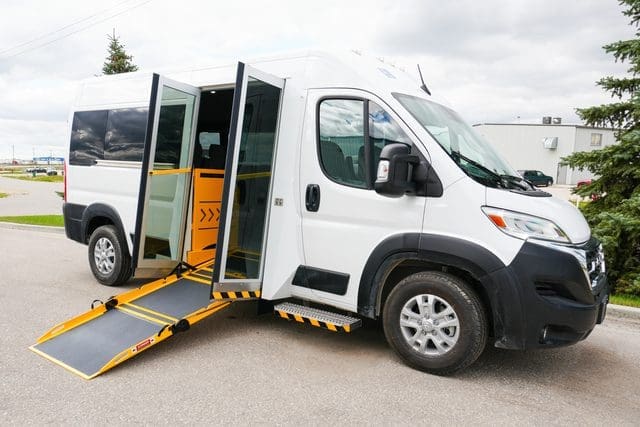
- Accessibility features: Lifts, ramps, and securement systems make travel easy and safe for passengers using wheelchairs.
- Flexible programs: Health teams can bring mobile care to remote areas instead of asking patients to travel long distances.
- More independence: People can attend checkups, visit family, and take part in community life again.
Picture Sarah again. A local outreach program has a new wheelchair van that picks her up and brings her to the nearest town clinic every week. She no longer misses appointments and feels connected again. That’s the power of removing barriers to accessibility; it changes lives, one trip at a time.
2. Few accessible rides
Across many Canadian cities and towns, people with disabilities struggle to find safe, reliable rides that fit their needs. Public transit can be limited, paratransit often runs on tight schedules, and taxis that can fit mobility aids are rare. This shortage creates one of the biggest barriers to accessibility: The transportation gap.
When you rely on a wheelchair or walker, transportation is more about just getting from point A to point B. It’s about freedom, independence, and dignity. Yet for many, these things feel out of reach. In smaller communities, there may be only one or two accessible taxis available, if any. In winter, icy sidewalks or snow-covered ramps make things even harder.
The lack of accessible rides creates real problems:
- Missed opportunities: People can’t attend jobs, school, or social events.
- Stress for caregivers: Family members must constantly drive loved ones, which can cause burnout.
- Program limits: Non-profits and health organizations can’t reach everyone they serve.
- Unequal access: People in wheelchairs face higher costs and longer wait times for rides.
Picture David, a man in Winnipeg who uses a wheelchair. When his paratransit service runs late or cancels, he misses his physical therapy appointments. He feels left behind, even though his community wants to help. That’s the reality many people face when transportation isn’t built for everyone.
How do wheelchair vans break this barrier?
Wheelchair vans give organizations and communities a way to close this transportation gap. They create independence, dignity, and real accessibility for those who need it.
Here’s how they make a difference:
- On-demand mobility: People can schedule rides that fit their daily needs instead of waiting hours for a service.
- Comfort and safety: Wheelchair securements, ramps, and climate control make travel smooth and stress-free.
- Program flexibility: Outreach teams can offer home visits, mobile clinics, or rides to appointments.
- Community inclusion: Everyone can take part in events, classes, and gatherings without barriers.
Let’s revisit the example of David again. This time, a local non-profit finds funding to run a small fleet of wheelchair vans. They pick him up for therapy and drop him off at his community center afterward. Suddenly, his world feels open again. That’s what happens when accessible transportation becomes available; it reconnects people to life.
Watch the video below to learn how an organization changed a community with an accessible vehicle.
3. Weather and seasonal challenges
In Canada, winter can make getting around really tough. Snow, ice, freezing rain, and strong winds can block streets, sidewalks, and parking lots. For people who use wheelchairs or walkers, these barriers to accessibility can stop them from leaving home. Simple trips to the doctor, grocery store, or community program can feel impossible.
These weather problems cause real issues:
- Missed appointments: People skip doctor visits when roads or sidewalks are unsafe.
- Injuries: Slipping on ice or walking through snow can cause falls and worsen health problems.
- Isolation: Being stuck at home makes people feel lonely and disconnected.
- Stress for caregivers: Family or staff have to plan trips around dangerous conditions, which is stressful.
Imagine Mark, who lives in a small town in Alberta. Heavy snow blocks his streets. He uses a wheelchair and can’t get to his physiotherapy sessions or visit friends. Over time, he feels stuck and frustrated. This is a reality for many Canadians during winter.
How do wheelchair vans break this barrier?
Wheelchair vans make travel safer, easier, and more reliable in harsh weather. They give people freedom and help them stay connected to care and their community.
Here’s how:
- Safe travel: Vans handle snow, ice, and rough roads better than standard vehicles.
- Trail Edition upgrade: This upgrade adds better traction, suspension, and handling, making winter trips even more reliable.
- Warm and dry: Climate-controlled interiors keep passengers comfortable during cold weather.
- Door-to-door service: Vans pick up and drop off passengers right at the entrance, so icy sidewalks aren’t a worry.
- Year-round access: People can still go to appointments, programs, and events no matter the weather.
With a wheelchair van and the Trail Edition upgrade, Mark can keep going to physiotherapy and visit friends even in the harshest winter. He feels safe, independent, and connected. These vans remove winter barriers and make travel possible all year long.
4. Social isolation
For many people with disabilities in Canada, barriers to accessibility go beyond transportation or buildings. Feeling cut off from friends, family, or community programs is a huge challenge. When someone can’t get around easily, social isolation becomes a real problem that affects both mental and physical health.
Social isolation causes serious issues:
- Loneliness: People miss out on social events, classes, or group programs.
- Mental health impacts: Isolation can increase anxiety, depression, and stress.
- Limited opportunities: Without transportation or support, people can’t access work, school, or volunteer programs.
- Strain on caregivers: Friends or family may feel pressure to provide constant help, leading to burnout.
Let’s look at an example of Emily, who lives in a small town in Nova Scotia. She uses a wheelchair and can’t easily get to community centers or social events. Over time, she stops attending activities she loves and begins to feel disconnected. This starts making her feel invisible and disconnected from her own community.
How do wheelchair vans break this barrier?
Wheelchair vans help people get out, stay connected, and be part of their communities. They make travel predictable, safe, and comfortable.
Here’s how they help:
- Regular access: Vans can provide rides to social events, classes, or volunteer programs.
- Comfortable travel: Ramps, lifts, and securements make the trip safe and worry-free.
- Door-to-door service: Vans pick up passengers at home and drop them off right at the entrance, reducing obstacles and stress.
- Trail Edition upgrade: Improved handling and suspension help vans navigate tough roads or uneven surfaces, keeping rides safe in all conditions.
With a wheelchair van, Emily can attend her weekly art class and meet friends at the community center again. She feels included, independent, and connected. These vans help break social isolation by giving people the freedom to participate in life and community, no matter the challenges.
5. Limited emergency access
Sometimes people need help fast, especially in emergencies. A doctor’s appointment, therapy session, or urgent check-in can’t wait. In Canada, barriers to accessibility make it hard for people who use wheelchairs or walkers to get rides quickly. Without safe, accessible transport, delays happen, and health can be at risk.
This barrier creates real problems:
- Missed urgent care: People can’t get to appointments that affect their health.
- Stress for caregivers: Family or staff scramble to find a ride last minute.
- Safety risks: Using unsafe or makeshift transport can lead to accidents.
- Program limits: Organizations can’t reach people when they need help most.
Imagine Julie in Winnipeg. She just had surgery and needs a follow-up appointment quickly. Public transit is not accessible, and her family is at work. Without a fast, safe ride, she could risk her recovery.
How do wheelchair vans break this barrier?
Wheelchair vans make urgent trips safe, easy, and reliable. They help people get to care on time and reduce stress for everyone.
Here’s how:
- Door-to-door rides: Vans pick up passengers from home and drop them right at the clinic or hospital.
- Reliable service: Organizations can plan last-minute trips without worry.
- Safe and comfortable: Passengers stay secure during short or long rides.
With a wheelchair van, Julie can get to her follow-up appointment safely and on time. She feels cared for, independent, and confident. Wheelchair vans remove the barrier of limited emergency access, especially when facing dire health situations.
Ready to break down barriers with a wheelchair accessible van?
Patent pending
You likely landed on this article after seeing the challenges your clients face in getting to appointments, programs, or community events. Long trips, tough weather, hard-to-reach places, and last-minute rides can make life harder for the people you serve.
If you’ve made it this far, you’re now more aware of the five barriers to accessibility and how wheelchair vans break them.
At MoveMobility, we’ve spent over two decades helping organizations like yours move people safely and comfortably. Every van is designed around your needs, not a cookie-cutter solution. We’re proud to support programs that improve accessibility and independence, and if you have questions, click below to talk to a mobility expert.
Not ready to talk yet? Check out these wheelchair van resources:
- How to choose a wheelchair van (11 steps): Learn which van fits your program best.
- How much does a wheelchair van cost?: Understand costs so you can budget confidently.
- Rear entry vs. side entry full size wheelchair vans (pros & cons): Compare options and choose the best fit for your passengers.
These articles will guide you further toward picking the right wheelchair van for your organization and making transportation accessible for everyone.

 English
  French