

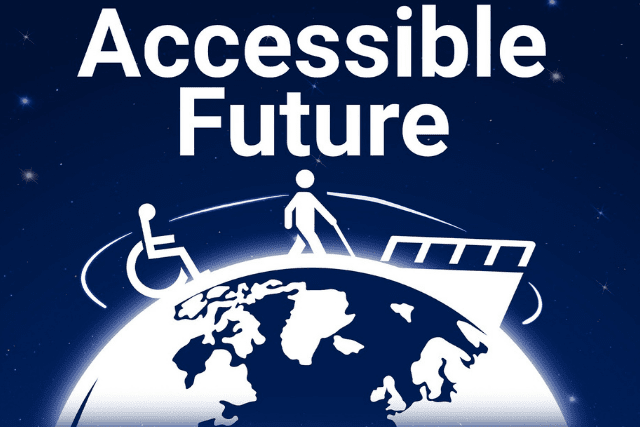
1 in 6 people worldwide live with a disability. That’s about 1.3 billion people navigating a world that often wasn’t built with accessibility in mind.
Across Canada, organizations are working hard to close that gap. Community health teams in northern Ontario travel long distances to reach patients. Outreach groups in Vancouver look for better ways to bring services closer to people. Transit programs in small Prairie towns try to keep residents connected to their community.
The passion is there, yet many leaders feel the same frustration. Good ideas exist, but they stay stuck in silos. Conversations about accessibility, inclusion, and practical solutions need a bigger stage. That’s where the Accessible Future podcast comes in.
I’m Simon Jones. I’ve been with MoveMobility for 15 years. My career started as a technician working hands-on with vehicles. Over time, I moved into customer relations because helping people solve real challenges quickly became my favourite part of the job. I’ve seen how the right accessible van or mobile clinic can change what a community can do. That’s what keeps me motivated.
In this article, I’ll explain what the Accessible Future podcast is all about and why conversations around accessibility are so important.
What exactly is the Accessible Future podcast?
When people hear the name Accessible Future, they often ask the same question.
What exactly is it?
The Accessible Future podcast is a conversation. A place where people working toward a more inclusive world can share ideas, stories, and lessons learned. I host the show, yet I spend most of the time listening. After 15 years in the accessible vehicle industry, I’ve stepped into the role of a student.
Each episode brings in voices from across the accessibility space:
- Disability advocates
- Technology innovators
- Policy makers
- Community leaders
People who are pushing real change in how our world is built and experienced.
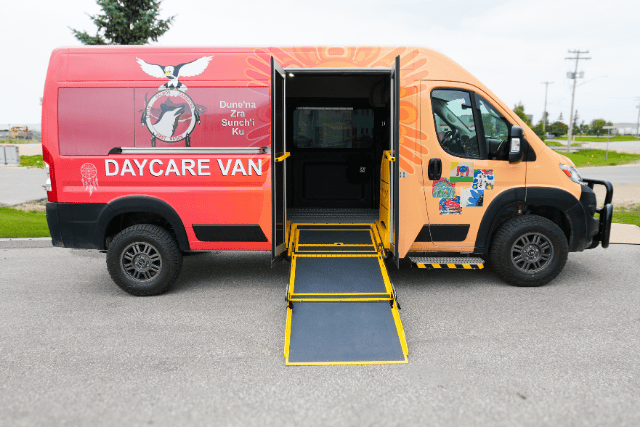
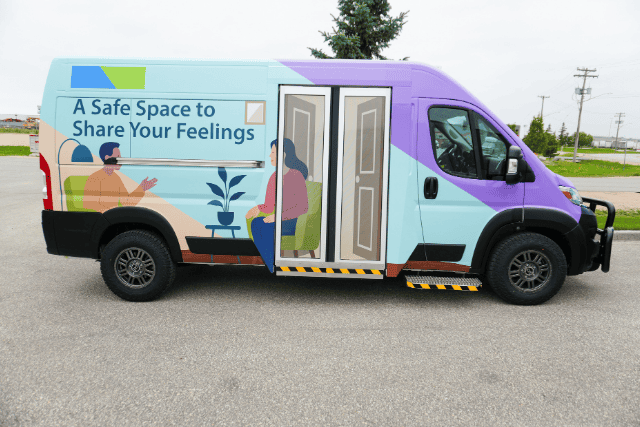
Some conversations focus on physical accessibility. Things like wheelchair transportation, accessible buildings, or mobile medical units that bring healthcare to rural communities. Others explore digital accessibility, inclusive design, and how technology can open doors for people who have been left out for too long.
The goal of Accessible Future is simple:
Start honest conversations about accessibility.
Those conversations matter more than many people realize.
Across Canada, organizations are working hard to remove barriers. A health clinic in northern Manitoba might struggle to reach patients who live hours away. A community program in Calgary may want to serve more people but lacks accessible transportation. A small town in Atlantic Canada may want to improve public spaces for residents who use mobility devices.
Each of these challenges looks different on the surface. The root problem is often the same.
Barriers sometimes exist because people haven’t shared enough knowledge with each other.
That’s where this podcast fits in.
Every episode invites people who are actively solving accessibility problems to share what they’ve learned. Sometimes those lessons come from policy work. Sometimes they come from lived experience. Often, they come from both.
Where can you listen to the Accessible Future podcast?
One of the questions people often ask after discovering the show is simple.
Where can I listen?
The good news is that the Accessible Future podcast is easy to access. You can listen wherever you normally enjoy your favorite podcasts. Whether you prefer audio on the go or watching full conversations online, the episodes are available on several popular platforms.
You can tune in on:
The Accessible Future podcast explores real stories behind accessibility
One thing I’ve learned over the years is that accessibility becomes clearer when you hear real stories.
I hear from teams all across Canada in remote towns who work hard to support people living with disabilities. The staff has the passion and the skills. The problem is distance.
Some residents have to travel two hours just to attend a health appointment.
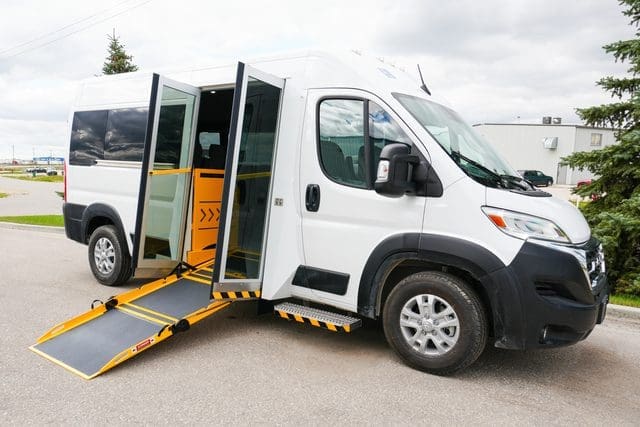
When these organizations finally purchase wheelchair accessible vehicle to help bridge the gaps, they tell me something I will never forget.
Some say it’s the first time in years they’ve been able to attend an appointment without relying on family to drive them. Others, you can just see the smile on their faces, and that speaks more than words.
Moments like that stick with you.
They remind you that accessibility isn’t an abstract concept. It’s about real people and real independence.
That’s the kind of story we explore on the Accessible Future podcast.
Each episode looks at accessibility from different angles.
Some guests share lived experiences navigating daily barriers. Others talk about innovations that can reshape how communities provide services.
Here are a few topics that often come up in the conversations:
- Community accessibility: How transportation, buildings, and services affect everyday life.
- Technology and innovation: New tools that help people interact with the world more easily.
- Policy and leadership: How governments and organizations can build more inclusive systems.
- Real program experiences: Lessons from teams delivering services on the ground.
These conversations help people see accessibility from perspectives they may never have considered before.
Accessible Future invites everyone to imagine a more inclusive world
Every episode of Accessible Future starts with a simple question.
What does an accessible future look like to you?
That question often leads to powerful conversations.
Some guests talk about cities where public transit works for everyone. Others imagine healthcare that travels to communities instead of forcing patients to travel long distances. Many discuss digital spaces where websites, apps, and tools are built for all users from the start.
Accessibility touches nearly every part of life:
- Transportation
- Education and employment
- Technology and digital spaces
- Community participation
When barriers appear in any of those areas, people can feel excluded.
Research from the Government of Canada shows millions of Canadians live with disabilities. Many still face obstacles in everyday activities such as transportation and employment.
That’s why conversations matter.
When people share experiences and ideas, progress moves faster.
The Accessible Future podcast creates a space where those ideas can be explored openly. Every two weeks, a new episode dives into the challenges and possibilities shaping accessibility today.
We release new conversations every second Wednesday, and each one focuses on learning together.
The goal isn’t to lecture or claim to have every answer.
The goal is to listen, ask questions, and explore solutions with people who are working toward the same vision.
- A future where accessibility isn’t an afterthought.
- A future where communities across Canada are built for everyone.
- And that future starts with a conversation.
What do listeners often gain from listening to an Accessible Future?
One thing I hear from listeners is that the podcast helps them see accessibility in new ways. Sometimes a guest shares a perspective that sparks an idea for a completely different sector.
Here are a few takeaways listeners gain from this podcast:
- New ideas: Practical ways organizations are removing barriers in their communities.
- Real experiences: Stories from people who live with accessibility challenges every day.
- Lessons from other regions: Insights from programs across Canada that others can learn from.
- Inspiration: Conversations that help leaders think bigger about accessibility.
A conversation about digital design might inspire someone to improve public transit. A discussion about rural healthcare might help a city planner think differently about service delivery.
That’s the power of shared learning.
The Accessible Future podcast exists to connect these ideas and bring people into the same conversation. And as more voices join, the picture of what an accessible future could look like becomes clearer.
Explore the Accessible Future podcast and start the conversation

You likely came here because you care about accessibility. Maybe you’re part of an organization trying to remove barriers in your community. You might be looking for ideas, inspiration, or simply proof that progress is possible.
After reading this article, here’s what you now know about the Accessible Future podcast:
- What it is: A podcast where experts, advocates, and innovators share real accessibility experiences.
- Why it’s important: Conversations help organizations learn from each other and remove barriers faster.
- What to expect: New episodes every two weeks featuring leaders working toward a more inclusive world.
At MoveMobility, accessibility conversations are part of our everyday work. For more than two decades, our team has partnered with organizations across Canada to design wheelchair accessible vehicles and mobile medical units that expand access to care and transportation. We spend a lot of time listening to communities, learning about their programs, and helping them find practical solutions that support the people they serve. The reason is simple. When accessibility improves, communities become stronger and more connected.
Want to talk about accessibility?
Click the button below to connect with me.
Not ready yet? That’s completely fine. If you’d like to keep learning, these articles are a great next step.
- Wheelchair accessible vans: Bridging gaps in inclusivity: A deeper look at how accessible transportation removes barriers and helps people participate fully in their communities.
- 5 ways accessible vans can promote inclusion in underserved communities: Explore real examples of how organizations use accessible vehicles to improve independence and access to services.

 English
  French