Every November 11, we pause to honour those who served Canada. We wear poppies, share stories, and remember those who lost their lives. We also thank the veterans who are part of our lives today.
Yet support for veterans can’t end when Remembrance Day is over. Some veterans find it hard to reach a doctor or hospital. A trip can take hours. It can cost a lot. It can also be hard for someone who lives with pain or has trouble moving around.
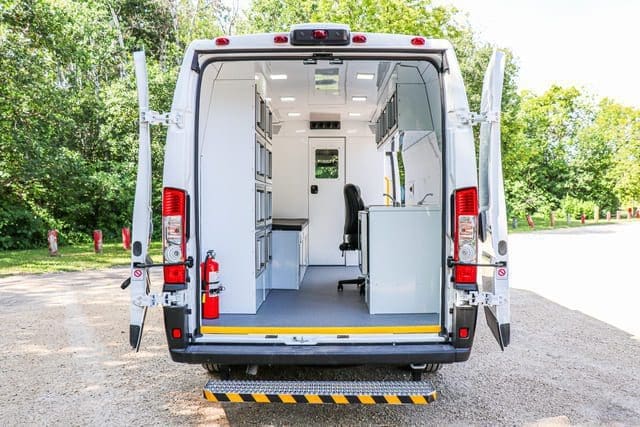
Au MoveMobility, we’ve spent over 20 years building vehicles that help Canadian groups bring care and safe rides to more people. This article looks at how mobile health clinics can help veterans and how your group can plan a service that puts people first.
Why can it be hard for veterans to reach medical care?
Canada is a large country. In the 2021 Census, Statistics Canada counted 461,240 veterans. A veteran in a city might live close to a clinic. A veteran in a small town might need to travel a long way to see a doctor. Even a short trip can be hard when a person has no ride.
A veteran who misses an appointment might need to wait weeks to book again. That can add stress for both the veteran and their family.
Long trips and few ways to travel
Some small towns have no local bus service. Taxi trips can cost too much. Snow and ice can also make travel unsafe.
For some veterans, a visit to the doctor means:
- Finding a friend or family member who can drive
- Paying for gas, meals, or a place to stay
- Spending most of the day away from home
- Changing plans when roads are closed
- Missing care when no ride is available
This doesn’t describe every veteran. Still, these are real gaps a local health team should ask about.
Age, pain, and trouble moving
Veterans have served in many roles and at many ages. Some are active and in good health. Others live with pain, illness, or a disability. A long car ride can be hard for someone who uses a wheelchair or walker.
The goal isn’t to treat all veterans as if they need the same help. It’s to give each person a fair way to get the care they need.
Mental health care can be hard to reach
Some veterans seek help for stress, anxiety, or the effects of trauma. They might need a quiet space and a care team they trust. A long drive can make it harder to keep regular visits.
Care close to home can give people another choice. It must be private, safe, and led by trained staff.
What is a mobile health clinic for veterans?
A mobile health clinic is a vehicle with space and tools for medical care. A trained health team can drive it to a town, community centre, or other safe site. Veterans can then meet the team closer to home.
The clinic is part of a care plan. It isn’t an ambulance or a full hospital. It can’t do surgery or take the place of an emergency room.
Bring routine care into the community
Many health visits don’t need a large hospital. With the right staff and tools, a mobile clinic can help with:
- Blood pressure checks
- Diabetes care and blood sugar checks
- Basic health exams
- Vaccine visits
- Reviews of medicine and care plans
- Checkups after a hospital stay
The team must choose care that fits its skills, tools, and local rules. Some tests and treatments will still need a hospital or fixed clinic.
A mobile clinic can help people get care before a small issue grows. It can also cut down on trips for care that can be done near home.

Make the visit easier to access
A good clinic starts with the people who will use it. Some veterans need a ramp or lift. Others need room for a walker, a seat to rest, or help with the exam table.
The way a van is built affects who can use it. Not every mobile clinic has wheelchair access. Your team should plan the entrance, floor space, and care area before choosing a vehicle.
Our guide to what a mobile clinic van is shows how these spaces can support patient care.
Give people a private place to talk
Mental health care needs trust. Some programs use a quiet mobile space for talks with a trained counsellor. This can help veterans who want a private visit closer to home.
Staff need to plan for privacy, safe records, and help in a crisis. The clinic should also have a clear path to other mental health services when more care is needed.
Which services could a mobile clinic offer?
A mobile clinic can take on more than one job, but it can’t do everything. Start with the needs of the veterans you serve. Then match the staff, tools, and van to those needs.
| Service | How it can help | What the team needs |
| Basic checkups | Give veterans a place for routine care | Trained staff and an exam area |
| Long-term health care | Help track diabetes or blood pressure | Test tools and a care plan |
| Mental health visits | Give veterans a private place to talk | Trained staff and a quiet room |
| Care after hospital stays | Help with safe follow-up visits | A link to the hospital team |
| Video visits | Connect patients with a doctor far away | Secure internet and a private space |
These are examples, not a list of services every vehicle can offer. The health team decides what care is safe and allowed.
Can a mobile clinic replace a hospital trip?
For some visits, yes. A blood pressure check or a follow-up talk might take place at a mobile clinic. But many kinds of care still need a hospital, lab, or medical centre.
A mobile clinic works best when it adds to local services. It should help patients stay in touch with their own doctors and care teams.
For more on this role, read our guide to how mobile clinics work with local hospitals. It shows how teams can bring care into a community and keep hospital links strong.
What help does Veterans Affairs Canada offer?
Veterans Affairs Canada (VAC) has programs for some veterans who need health care. Eligible veterans can apply for help with some health-related travel costs. Rules and approval needs apply.
VAC also has a telemedicine service for eligible veterans and family members who don’t have a primary care provider. It gives them a way to meet with a provider online.
These services are important. Still, a video call can’t do every hands-on exam. Travel help also doesn’t make a long trip easy for every person.
A local mobile clinic could work alongside these services. A group should check program rules, care coverage, and who pays before it makes plans.
How can your group start a clinic for veterans?

Start with a problem, not a van. Ask veterans what they need and where they face delays. A good plan should grow from their answers.
Step 1: Talk with veterans and their families
Meet with veterans in the towns you hope to serve. Ask what stops them from getting care. Keep the questions simple and give people room to speak.
You could ask:
- Which health visits are hardest to reach?
- How far do you have to travel?
- Do you have a safe and steady ride?
- What kind of care would help you most?
- Where would you feel at ease at a clinic?
Listen for more than travel distance. A person might need a familiar care team, an accessible space, or a clear plan for follow-up care.
Step 2: Find the right care partners
A vehicle can’t run a health program on its own. Your group needs people who can give care, book visits, store records, and help patients find other services.
Possible partners include:
- Local clinics and hospitals
- Centres de santé communautaires
- Veterans’ groups
- Mental health care teams
- First Nations and Indigenous health groups
- Towns and non-profit groups
Ask partners who will lead care, who will pay for it, and what happens when a person needs more help. Set these roles before the first clinic day.
Step 3: Match the van to the care plan
A clinic for health checks won’t need the same layout as a van for private talks. A care team might need an exam bed, a sink, storage, or space for medical tools.
It also needs safe access for the people it serves. Think about steps, ramps, door size, and space to turn a wheelchair. Ask staff how they’ll move inside the van while they work.
Your team can use our guide to equipment for mobile clinics to start a list of tools and space needs.
Step 4: Make a route that works all year
A plan that works in July might fail in January. Snow, cold, and long drives can change how often a clinic can visit. Some roads close for parts of the year.
Before you set dates, check:
- Safe roads and travel time
- Places to park and meet patients
- Heat, power, and internet access
- Time for staff breaks and vehicle service
- Backup plans if weather stops a visit
A set route can help veterans know when the clinic will return. Be clear about what happens if a visit must be moved.
Step 5: Start small and learn
Your group doesn’t need to reach every town at once. A trial program could visit two places each month. Keep track of who comes, which care they need, and what they think of the service.
You can also track:
- Visits booked and completed
- Trips patients no longer need to make
- Follow-up care that gets done
- Costs for each clinic day
- Staff and patient feedback
Use the results to adjust the route or care plan. They can also help when you ask a funder to support more visits.
What will a mobile veterans’ clinic cost?

The cost of a mobile veterans clinic ranges between $205,000 to $315,000 and depends on what your group plans to do. A small van for basic exams won’t have the same price as a clinic with more tools or a custom layout.
There are two main parts of the budget.
Costs before the first visit
A group needs to pay for the van, its medical fit-out, and the tools used in care. Extra access features or power needs can add to the price.
Ask your care team to name the must-have items first. This helps you avoid paying for tools the team won’t use.
Costs each month
A mobile clinic needs a team and a plan to stay on the road.
Costs can include:
- Wages for care staff and drivers
- Fuel, insurance, and repairs
- Medical supplies and cleaning
- Internet and record systems
- Time spent driving between sites
Keep room in the budget for bad weather, missed trips, and repairs. A shared clinic with another health group might be one way to spread costs.
You can find more on planning a budget in our guide to mobile medical van costs.
Is a mobile clinic the right choice for your community?
A mobile clinic can be a strong fit when many people in nearby towns need the same kinds of care. A regular route lets one team visit more than one site.
But a van won’t be the best answer in every case. If veterans need rides to surgery or specialist care, a transport service could be more useful. If only a few people need care, a shared clinic or a local health partner could cost less.
Think about the real gap. Compare the full cost, staff time, and care that each option can provide. Pick the plan that helps veterans get safe care over the long term.
How can a clinic show respect for veterans?
Respect starts with choice. Veterans come from many walks of life. They have different health needs and views about care. Some will welcome a visit close to home. Others will want to keep seeing their own doctor.
Make it easy for people to choose. Give them clear details about the care on offer, what it costs, how to book, and how private health records stay safe.
Staff should also ask for feedback. What worked well? What felt hard? What should change? The answers can help your team make each visit better.
A clinic should feel like a place for care, not a public show. That means safe access, a quiet place to talk, and staff who give people time and space.
Frequently asked questions about mobile care for veterans

Can a mobile clinic visit a veterans’ home or care centre?
Yes, if the site has safe parking and access. The care team and site staff also need a clear plan for visits, patient privacy, and any care needs.
Do veterans need to join a VAC program to use a mobile clinic?
Not always. It depends on who runs the clinic and how care is paid for. A community health team could have its own rules. Check with the program before booking.
Does a mobile clinic need a permit?
Rules depend on where it works and which care it gives. The team should check health, privacy, waste, staff licence, and vehicle rules with local officials before it starts.
Can one mobile clinic serve more than one town?
Yes. A clinic can visit several towns on set dates. The route must allow enough time for care, safe travel, and staff breaks.
Supporting veterans beyond Remembrance Day
On November 11, we honour those who served Canada. It’s a day to pause, remember, and give thanks. It can also be a time to ask how we can care for veterans throughout the year.
A nearby health visit won’t solve every problem. Still, it could save a veteran a long drive, ease pain from travel, or help them keep a checkup they might have missed.
We’ve worked with care groups across Canada to build mobile medical vehicles around the people they serve. We know that the best plans start with a real need, a strong care team, and a clear path to safe service.
If your group wants to bring care closer to veterans, we’d be glad to talk. Tell us who you hope to reach and what gets in their way. We can help you think through a clinic layout that fits the plan.
Talk to a mobility expert to explore the next step.
Que devriez-vous lire ensuite ?
- How to start a mobile medical clinic in 10 steps: This guide shows the key steps for planning a clinic, choosing care, and setting up a service.
- How to apply for funding for mobile medical vehicles: This guide can help your team plan a funding search and prepare a clear case for support.

 English
 French