What licence do you need to drive a wheelchair van in Quebec when your passengers are counting on safe, reliable transportation? It’s a fair question, and in Quebec, the answer can feel less simple than in other provinces.
If you run a transit service, adult daycare centre, healthcare transportation program, or First Nations community service, the wrong licence choice can delay your launch, create compliance issues, or leave people waiting for rides they depend on.
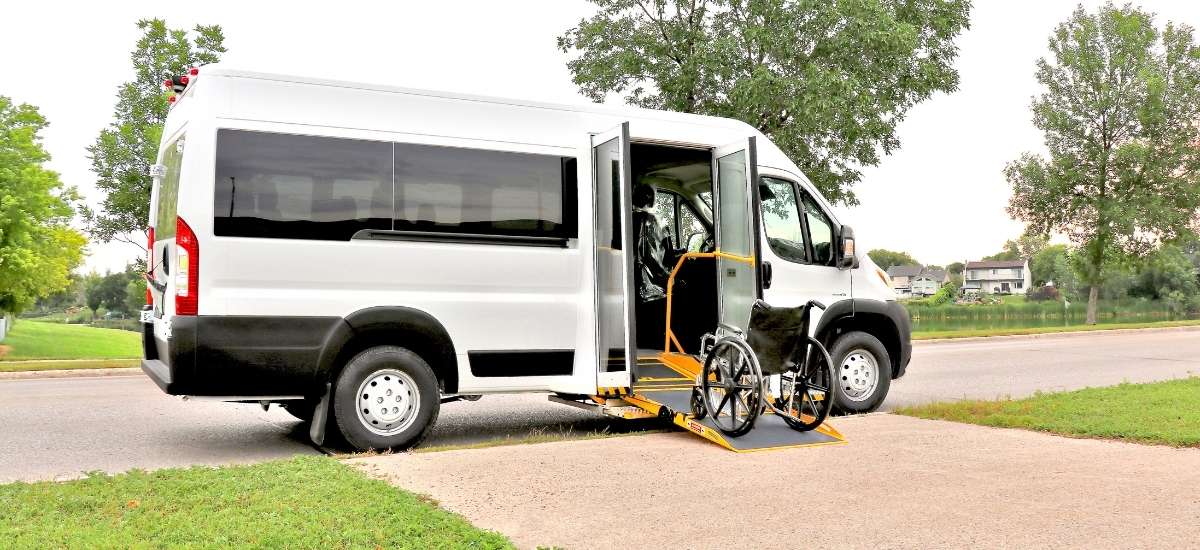
The goal is simple: Get the right vehicle, the right driver, and the right wheelchair accessible transportation plan in place so people can get to care, community, and daily life with dignity.
Au MoveMobilityNous avons dépensé plus de 20 ans helping Canadian organizations remove barriers to healthcare and transportation. In the past 3 years alone, we’ve manufactured over 480 wheelchair vans. Nos véhicules portent le Marque nationale de sécurité and are backed by Ford Pro Upfitter and Stellantis QPro certifications. We’ve also worked with organizations like Transdev and were named a recipient of the Prix d'innovation DARE 2026. We build vehicles, yes. But more importantly, we help people who help people. We’ll also keep this unbiased, since we know we’re not the only manufacturer out there.
After finishing this article, you’ll have a clearer idea about wheelchair van licence requirements in Quebec.
What are Quebec’s wheelchair van licence requirements?
Quebec wheelchair van licence requirements depend on how the vehicle is registered, classified, and built to carry passengers. That means your driver’s licence requirement is tied to the vehicle on paper, not only who’s sitting in it on a given day.
For a wheelchair van in Quebec, these are the main licence classes to understand:
- Classe 5: For passenger vehicles.
- Class 4B: For buses and minibuses designed to carry 24 passengers or fewer.
- Class 2: For buses designed to carry more than 24 passengers.
The SAAQ says a Class 4B licence is for a minibus or small bus with 24 passengers or fewer. It also says a 15-passenger van requires a Class 4B licence. That’s the part that often surprises Quebec buyers.
If your wheelchair van is registered as a passenger vehicle, a Class 5 is generally the driver’s licence category connected to it. If it’s registered as a bus or minibus, a Class 4B licence is required when it’s designed to carry 24 passengers or fewer.
That’s why your team should confirm the vehicle registration before choosing drivers. Next, let’s make the Class 5 side easier to understand.
When a class 5 licence generally applies to a wheelchair van in Quebec
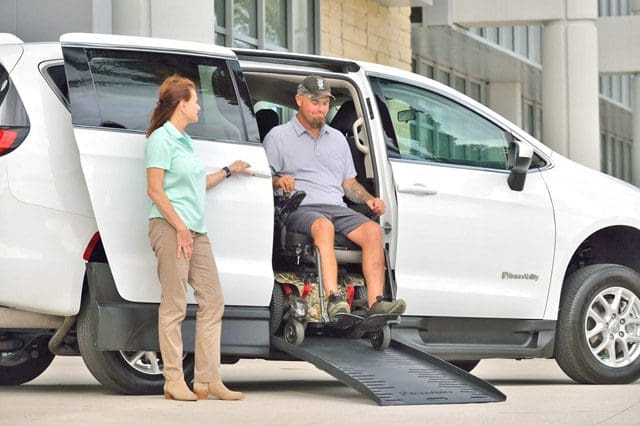
A Class 5 licence generally applies when the wheelchair van in Quebec is registered as a passenger vehicle. This is more common with smaller wheelchair accessible transportation vehicles, such as accessible minivans.
For example, an accessible minivan with 2 wheelchair positions is commonly registered as a passenger vehicle. In that case, the driver’s licence requirement is usually connected to the passenger vehicle category.
This type of vehicle can work well for:
- Adult daycare centres: Smaller daily routes with one or two wheelchair users.
- Healthcare transportation teams: Local trips to clinics, appointments, or care programs.
- First Nations communities in Quebec: Flexible transportation for members who need safer access to care.
- Community organizations: Smaller service areas where a full-size van would be too much vehicle.
The important point is this: The registration decides the licence requirement. A van can have Fixation de fauteuil roulant equipment and still be registered as a passenger vehicle. At the same time, a larger layout can move the vehicle into a different class.
That brings us to full-size wheelchair vans, where Quebec’s Class 4B rule becomes more important.

When a class 4B licence is required for a wheelchair van in Quebec
A Class 4B licence is required when the wheelchair van in Quebec is registered as a bus or minibus designed to carry 24 passengers or fewer.
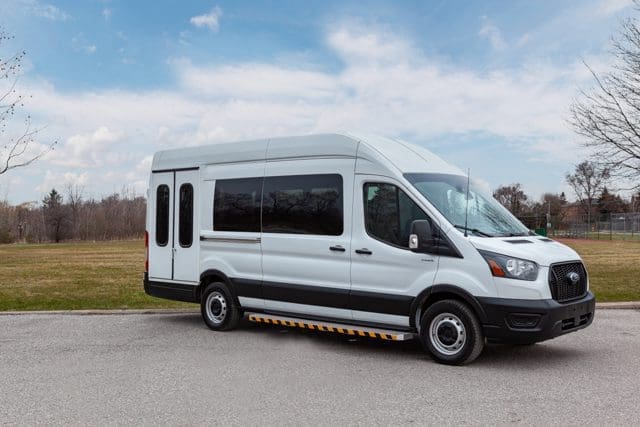
This is the rule many organizations need to watch when buying a full-size wheelchair van. Some full-size vans can be configured for up to 10 ambulatory passengers, 3 wheelchair positions, or a mix of both. That flexibility can help your team serve more riders, but it also means the vehicle’s classification needs a closer look.
Quebec defines a bus as a vehicle used mainly to transport more than 9 occupants at a time. A minibus has 5 or fewer rows of seats and is used to transport more than 9 occupants at a time. Quebec also states that buses and minibuses can have wheelchair tie-down devices.
Here’s a simple example:
Un adult daycare centre in Sherbrooke buys a full-size wheelchair van. The layout includes 8 ambulatory seats and 2 wheelchair positions. Some days, the van carries seated passengers. Other days, it carries wheelchair users. If the vehicle is registered as a bus or minibus, the driver needs a Class 4B licence.
The licence requirement follows the vehicle’s registration and design. It doesn’t change because the van has fewer people onboard during one trip.
Before you order the vehicle, your team should confirm the final details with the right people.
What should you confirm before buying a wheelchair van in Quebec?
Before your wheelchair accessible transportation program launches, confirm the licence requirement as part of your buying process. This helps your team avoid delays, driver issues, and last-minute surprises after the vehicle arrives.
Ask these questions early:
- Registration: Will the vehicle be registered as a passenger vehicle, bus, or minibus?
- Passenger layout: How many ambulatory seats and wheelchair positions will it have?
- Licence class: Does the driver need Class 5, Class 4B, or Class 2?
- Use case: Will the vehicle provide private, community, healthcare, or paid transportation?
- Operator rules: Do Quebec passenger transportation rules apply to your service?
The SAAQ’s passenger transportation guidance explains that vehicles, drivers, owners, and operators can all have specific requirements. So, the licence question should be part of your buying process from day one.
When you confirm this early, your team can train the right drivers, plan the right routes, and launch wheelchair accessible transportation with fewer delays. More importantly, your passengers get dependable access to care, community, and daily life.
What licence do you need for different wheelchair van setups in Quebec?
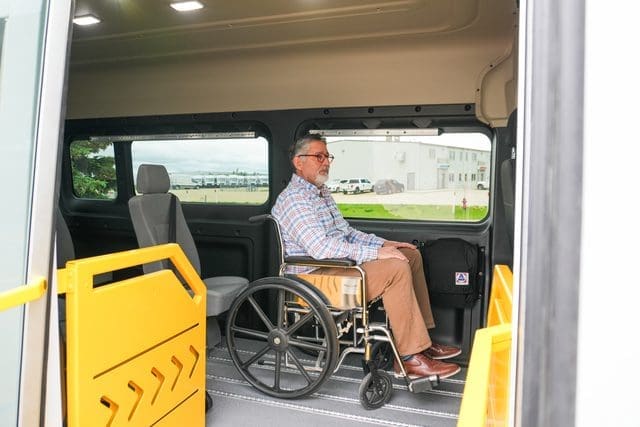
The licence you need for a wheelchair van in Quebec depends on the final vehicle setup. A smaller accessible minivan and a full-size passenger van can fall under different rules, even if both are used for wheelchair accessible transportation.
Here’s a simple way to look at it:
| Wheelchair van setup in Quebec | Common use | Licence to confirm |
| Accessible minivan with 1 to 2 wheelchair positions | Local medical trips, adult daycare routes, community transportation | Classe 5, if registered as a passenger vehicle |
| Full-size wheelchair van with up to 10 ambulatory passengers | Group transportation, healthcare shuttles, community programs | Class 4B, if registered as a bus or minibus |
| Full-size wheelchair van with mixed ambulatory seats and wheelchair positions | Flexible routes for seniors, patients, or community members | Class 4B, if registered as a bus or minibus |
| 15-passenger van | Larger group transportation | Class 4B |
| Bus designed for more than 24 passengers | Large transit or passenger service | Class 2 |
This table gives you a helpful starting point, but the final answer comes from the vehicle’s registration and classification. That’s why you should confirm the licence requirement before the vehicle is delivered, not after your first route is already on the calendar.
Next, let’s look at who can help you confirm the right licence before you buy.
Who should you contact about licensing for a wheelchair van in Quebec?
Before you purchase a wheelchair van in Quebec, it’s worth confirming the licence requirement with the right people. This helps your organization avoid delays, training gaps, and awkward “we thought Class 5 was fine” conversations after the van arrives.
Here’s who to contact:
- SAAQ: Confirm the driver licence class based on the vehicle type.
- Your insurance provider: Confirm how the vehicle should be insured based on its use.
- Your vehicle manufacturer or dealer: Confirm the final layout, passenger capacity, and vehicle classification.
- Your operations team: Confirm who will drive the vehicle and what training they need.
- Your funding or transportation authority: Confirm if your program has extra rules tied to funding, passenger service, or community transportation.
This step keeps everyone aligned before the vehicle enters service. When your licence, insurance, drivers, and vehicle setup all match, your wheelchair accessible transportation program can start with confidence.
Here’s the final conclusion section with a short CTA header, buyer-focused wrap-up, and 3 next-read recommendations.
Ready to choose a wheelchair van in Quebec?
You came here because your organization needs to know who can legally drive a wheelchair van in Quebec. That question can feel stressful when people are waiting for safer transportation, and your team is trying to avoid licence, insurance, or launch delays.
Après avoir lu cet article, vous savez maintenant :
- Licence basics: Class 5, Class 4B, and Class 2 each apply to different vehicle types.
- Vehicle setup: Smaller accessible minivans and full-size wheelchair vans can fall under different rules.
- Next steps: Your team should confirm registration, passenger layout, insurance, and driver requirements before the vehicle goes into service.
Notre équipe à MoveMobility builds wheelchair-accessible transportation solutions for organizations like yours that serve people every day. Our team works with adult day programs, healthcare teams, transit providers, First Nations communities, and non-profits across Canada. We listen first, ask the right questions, and help you plan a vehicle around your people, your routes, and your goals. If you have questions about choosing the right wheelchair van in Quebec, click the button below to talk to a mobility expert.
If you’re not ready to talk to a mobility expert yet, here are a few other resources you should check out to learn more.
Que devriez-vous lire ensuite ?
- Comment choisir un fauteuil roulant (11 étapes): Read this next if you want a clear buying roadmap before you compare models, layouts, and accessibility features.
- Full size wheelchair van or minivan: Which is right for you? Read this if you’re still deciding between a smaller accessible minivan and a larger wheelchair van for group transportation.
- Comment comparer les devis de véhicules adaptés aux personnes à mobilité réduite: Read this before you review pricing so you know how to compare quotes with more confidence.

 English
 French