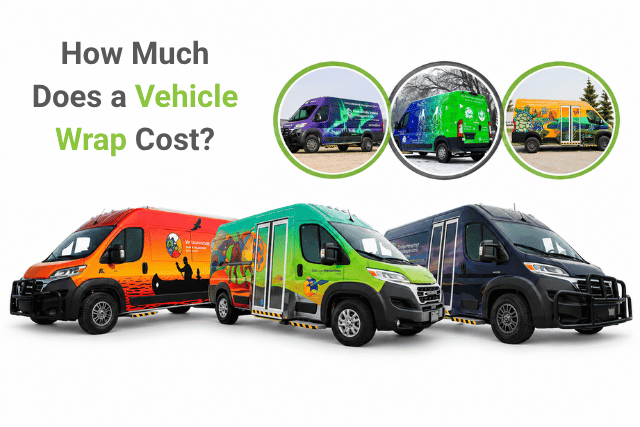
How much does a vehicle wrap cost? That’s usually one of the first questions you ask when planning a wheelchair van or mobile medical unit. A wrap can help people recognize your program, find your services, and feel comfortable approaching your team. Still, the price can feel unclear at first. Some organizations worry about overspending. Others worry about choosing something too simple that people never notice.
Vehicle wraps can generate tens of thousands of daily impressions. That reach can be powerful. Yet the real gap emerges when teams want to build awareness but have no clear idea of the vehicle wrap cost, leaving them confused.
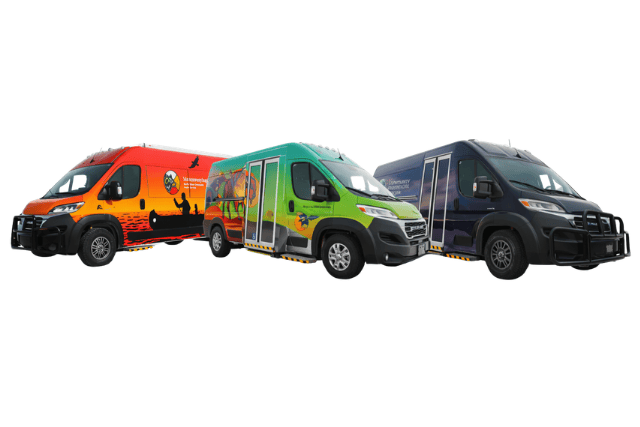
At MoveMobility, we’ve spent more than 20 years helping organizations across Canada bring healthcare and transportation closer to the people they serve. Over the past three years alone, our team has built 480 wheelchair vans and 180 mobile medical units. We’re certified through the Ford Pro Upfitter program, hold Stellantis QPro certification, and every vehicle carries the National Safety Mark. Our work has supported organizations like Quest Community Health Centre, and we were honoured with the 2026 DARE Innovation Award. While we manufacture these vehicles, we know we’re not the only provider out there. Our goal here is simple: help you understand your options clearly.
In this guide, you’ll learn:
- How much is a vehicle wrap in Canada?
- How much does a full vehicle wrap cost compared to decals?
*Please keep in mind that all costs mentioned in this article are estimates and subject to change without notice.
How much does a vehicle wrap cost in Canada?
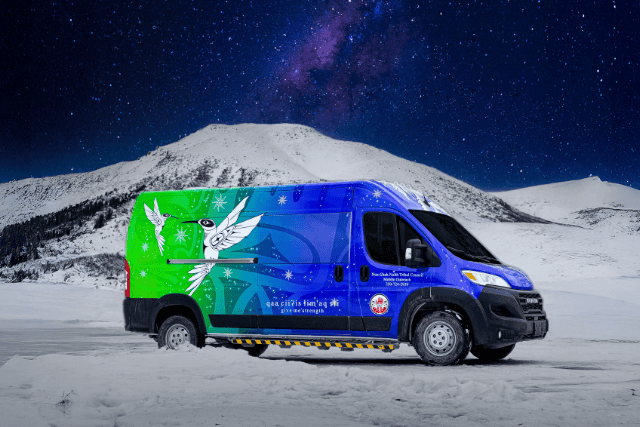
The cost you can expect to pay for a full vehicle wrap sits at around $12,000.
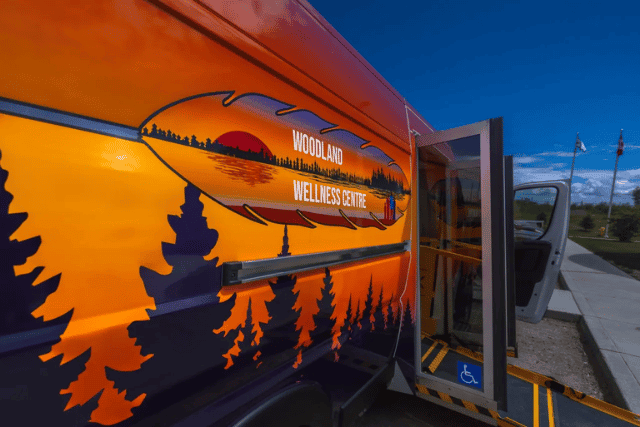
That number can feel surprising at first. Many organizations expect something closer to the cost of decals or partial graphics. Yet a full wrap covers the majority of the vehicle. That includes the sides, rear doors, hood, and large panels that turn a plain van into a moving billboard for your program.
For organizations launching outreach services, the wrap often becomes the first impression people see. A vehicle that arrives at a community centre, a rural clinic day, or a downtown outreach stop immediately communicates who you are and why you’re there.
The vehicle wrap cost depends on a few factors:
- Vehicle size: Larger vans, like a Ford Transit or Ram ProMaster need more material than smaller ones.
- Design complexity: Detailed artwork or cultural graphics take more design time.
- Material quality: Premium vinyl lasts longer and handles Canadian weather better.
- Installation labour: Skilled installers help the wrap sit smoothly across curves and panels.
At first glance, that may raise the natural follow-up question.
Are vehicle wraps worth the cost?
When you see the price of wrapping a vehicle, it’s normal to pause and ask, “Are vehicle wraps worth the cost?”
The short answer for many organizations is yes. The longer answer depends on what you want your vehicle to accomplish once it leaves the parking lot.
A plain-coloured van does its job. It transports people or delivers services. Yet from the outside, it looks like every other commercial vehicle on the road.
A wrapped vehicle tells a story.
What’s the difference between a wrapped van and a plain van?
Picture two mobile medical units driving through northern Ontario.
One is a standard white van.
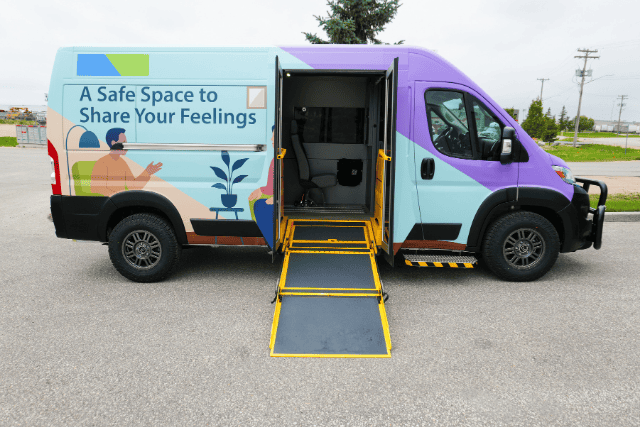
The other carries bright colours, clear messaging, and a welcoming design that shows the services offered inside.
Which one would people approach first?
For many communities, especially when healthcare services come directly to them, visibility builds trust.
Here’s how a wrap changes that experience:
- Recognition: People instantly understand what the vehicle is for.
- Approachability: A friendly design signals that services are available.
- Credibility: Clear branding shows the program is organized and professional.
- Awareness: People begin to recognize the vehicle over time.
Without a wrap, your vehicle still works. The challenge is that many people may never realize what it offers.
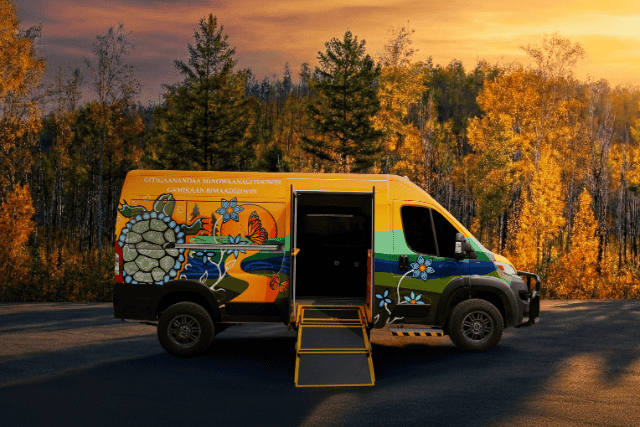
How does a wrap help your program reach more people?
Mobile programs depend on awareness.
If someone doesn’t know the service exists, they can’t benefit from it. That’s where a wrap helps close the gap between service availability and community awareness.
Vehicle wraps can generate 30,000 to 70,000 daily impressions depending on location and traffic patterns.
Think about what that means for a community outreach program.
Every drive across town becomes an opportunity to let people know help is nearby.
Some organizations describe their wrap as their most consistent form of outreach.
How do you compare the long-term value?
When organizations ask how much it costs to wrap a vehicle, the price feels high in the moment. Looking at the long-term picture often changes the conversation.
Most quality wraps last six to eight years in Canadian climates.
That spreads the investment over thousands of service days.
Here’s a simple comparison:
| Vehicle type | Community awareness | Visual impact | Outreach value |
| Plain white van | Low | Minimal | Limited |
| Decals only | Moderate | Some visibility | Moderate |
| Full vehicle wrap | High | Strong visual identity | High |
A wrap turns the vehicle itself into a communication tool.
Instead of explaining your program again and again, the vehicle helps tell the story before your team even opens the door.
Imagine a community health organization in Thunder Bay launching a mobile mental health program.
The team drives to schools, community centres, and remote locations each week.
With a plain van, staff spend the first ten minutes of each visit explaining who they are.
With a wrap, something interesting happens:
- People recognize the vehicle from previous visits.
- Parents mention seeing it around town.
- Youth point it out when it arrives.
Over time, the vehicle becomes a familiar symbol of support, not just transportation.
That shift can make a meaningful difference in how comfortable people feel reaching out.
Does a vehicle wrap fit within your budget?
Even when wraps deliver strong value, budget questions still matter.
Programs operate with grants, public funding, and donor support. Every dollar has to count.
When organizations ask, how much is it to get a vehicle wrapped, they’re really asking something deeper.
They want confidence that the investment helps them reach more people.
In many cases, the answer becomes clear once the vehicle starts moving through the community.
A wheelchair van or mobile clinic already helps remove barriers to care and mobility.
The wrap helps people recognize that help when it arrives.
That connection matters more than it may seem at first.
- People notice it.
- People remember it.
- Then they approach it.
And that leads to the next important question many organizations ask when planning their program.
How much is a vehicle wrap compared to decals?

After learning how much a full vehicle wrap costs, many organizations ask the next practical question. How much is a vehicle wrap compared to simple decals?
In most cases, basic decals or logo graphics cost around $2,000 in Canada. This option usually includes a logo, organization name, and sometimes a short message placed on the side or rear of the vehicle.
Decals don’t cover the entire van like a full wrap. Instead, they highlight key information so people can identify your organization when the vehicle arrives.
For many teams launching a new outreach program, decals offer a clear and affordable starting point. Your vehicle still communicates who you are. People can recognize your service when the van pulls up at a clinic day, community centre, or outreach event.
Both options serve the same purpose. They help your vehicle represent your mission in the community.
The difference often comes down to how much visual presence you want the vehicle to have.
.
What do you get with a decal setup?
When organizations ask how much it is to get a decal on their new wheelchair or mobile medical van, many choose to go with things like:
- Logo placement: Logo on one or both sides of the van.
- Organization name: Clear lettering so people know who operates the vehicle.
- Contact information: Website or phone number placed on the rear doors.
- Durable vinyl: Weather-resistant material that holds up through Canadian winters.
This setup keeps the vehicle mostly white while adding the essentials that help people identify your service.
Some organizations prefer this approach because it feels clean and simple. It communicates professionalism without covering the entire vehicle.
Why do some organizations choose decals instead of a full wrap?
The question of how much it costs to get a vehicle wrapped often comes up during budgeting conversations. Once teams see the difference between decals and full wraps, many start thinking about their goals for the vehicle.
Here are a few reasons organizations choose decals:
- Budget considerations: A $2,000 decal option may fit more easily into program funding.
- Simple branding needs: Some organizations only need their name and logo displayed.
- Future flexibility: Decals can be removed or updated more easily if branding changes.
- Clean appearance: Many programs like the professional look of a white van with minimal graphics.
A decal approach still helps people recognize the service when the vehicle arrives. It simply does so in a quieter way.
Imagine a seniors transportation program in Nova Scotia launching its first accessible van.
The organization wants riders to recognize the vehicle when it pulls up outside their home. At the same time, their budget needs to stretch across driver wages, insurance, and fuel.
A $2,000 decal setup gives them exactly what they need.
The van carries the program logo and name along the side. When it arrives, riders immediately know the vehicle is there for them. The branding is clear without adding a large expense to the project.
For many organizations, that balance feels right.
Decals and wraps both support the same goal
When people ask how much is it to get a vehicle wrapped, the decision often comes down to visibility rather than right or wrong choices.
Both options help your vehicle represent the work you do:
- Full wraps create a bold visual presence across the entire vehicle.
- Decals provide simple, professional identification.
Either way, the vehicle becomes a recognizable part of the community.
FAQ about vehicle wrap cost
Q: How much does a full vehicle wrap cost for a van in Canada?
A: Most organizations spend around $12,000 for a full vehicle wrap, though the exact vehicle wrap cost depends on vehicle size, design detail, and installer rates.
Q: How much is a vehicle wrap compared to decals?
A: A full wrap may cost about $12,000, while basic decals usually cost around $2,000. Both options help identify your program when the vehicle arrives in the community.
Q: Are vehicle wraps worth the cost for organizations running outreach programs?
A: Many teams feel vehicle wraps are worth the cost because they help people quickly recognize services, build trust, and increase awareness wherever the vehicle travels.
What’s next?
You likely came here because you were asking a practical question: how much does a vehicle wrap cost, and what should your organization budget for. Planning a wheelchair van or mobile medical unit comes with a lot of moving parts. Branding the vehicle is one of them, and the price can feel unclear when you are trying to make responsible decisions for your program.
After reading this guide, you now have a clearer picture of your options:
- Full vehicle wrap: Around $12,000 for a professionally designed and installed wrap.
- Basic decals: Around $2,000 for a logo and essential vehicle branding.
- Value comparison: Both options help people recognize your service and build awareness in the community.
At MoveMobility, we have spent more than two decades working alongside organizations across Canada that are trying to reach people who face barriers to healthcare and transportation. Our vehicles operate in urban neighbourhoods, northern communities, and rural towns from coast to coast. Many of the teams we work with started exactly where you are now, asking practical questions and trying to plan responsibly. That experience allows us to guide organizations through the entire process, from early planning to final delivery. If you would like help planning your vehicle or exploring wrap options, click the button below to talk with a mobility expert.
If you are not ready to speak with a mobility expert yet, we have a few other resources that can help you keep learning.
Recommended next reads
- How much does a wheelchair van cost? Learn what organizations typically budget when purchasing a wheelchair accessible van in Canada.
- How to choose a wheelchair van (11 steps): A simple step-by-step guide to help organizations evaluate vehicle options and features.
- How much does a mobile medical van cost? We break down the cost range you can expect for a mobile medical unit.

 English
 French