
Pantonium might come up when you start asking hard questions about community transit. Questions like, how do we move people with dignity when fixed routes fall short? Or what happens when missed rides turn into missed appointments, isolation, or higher care costs? In Canada, transportation barriers remain among the top reasons care is delayed or avoided altogether.
If you’re planning a handi-transit or community vehicle, you likely feel the pressure. Budgets are tight. Expectations are high. And the risk of getting it wrong lands on your shoulders. When the gap stays open, people wait longer, programs stretch thinner, and trust erodes. When that gap closes, access improves, stress drops, and communities feel connected again.
You care deeply about the people you serve. So do we. At MoveMobility, we’ve spent over 20 years helping organizations remove barriers to healthcare and transportation. Our vehicles carry the National Safety Mark and meet Ford Pro Upfitter and Stellantis QPro standards. We’ve partnered with organizations like Keewatinohk Inniniw Minoayawin, learning firsthand how transit shapes health, dignity, and daily life. We also know we’re not the only manufacturer, and this article aims to inform, not steer.
In this article, you’ll learn:
- Who Pantonium is
- What Pantonium does
- How Pantonium supports community transit planning in Canada
Who is Pantonium?
Pantonium is a Toronto-based technology company that builds software for public transit. Their goal is pretty simple. They help communities run transit that fits real life, not a perfect schedule on a spreadsheet.
If you’re planning handi-transit or community transit, you already know the pain:
- People don’t all travel at the same time.
- Needs change day to day.
- Weather hits.
- Staff call in sick.
Then you’re left trying to patch together a service that still has to feel reliable for riders.
That’s the gap Pantonium tries to close.
Instead of making riders work around a fixed route, Pantonium focuses on on-demand transit. That means trips can adjust based on what people actually request.
Here’s the easiest way to think about it:
- You have a service area. It could be a town, a region, or a Nation.
- Riders request a trip. App, website, or phone can be part of it.
- The system routes vehicles in real time so people get picked up and dropped off with fewer wasted kilometres.
Pantonium’s Macrotransit
Pantonium calls their system Macrotransit. They describe it as AI-driven routing that adapts throughout the day as demand changes.
The key message is this: they’re trying to help transit agencies use fleet time better, so you can cover more ground without running empty vehicles in circles.
For Canadian communities, this matters because “transit” can mean a lot of things:
- In bigger centres, it’s often about better coverage and shorter waits.
- In smaller towns, it can be about making a limited fleet stretch further.
- In rural and remote areas, it can feel like the difference between getting there and not going at all.
Pantonium talks about this problem directly in Canadian examples, like Fort Erie, where their on-demand service combines stops in some areas with more flexible pick-up options elsewhere.
What exactly does Pantonium do?
When people ask “what does Pantonium actually do,” the simple answer is this: they help communities run transit that reacts to real human needs, instead of old schedules that were built for another era. Pantonium’s tools are designed so that transit works more reliably and in a way that helps your riders feel connected, valued, and safe.
On-demand transit: Real-time routing that works with people

The first big thing Pantonium offers is on-demand transit, powered by a platform called EverRun. This system uses smart software to route transit vehicles based on what riders actually ask for that day. Riders can book a trip using a phone app, online portal, or even by calling in, so no one is left out just because they don’t have a smartphone.
Here’s how it feels in real life:
- Trips fit real needs: People request pick-ups and drop-offs where they really need to go.
- Routes adjust throughout the day: Instead of sticking to a fixed loop, EverRun shifts vehicle paths as demand changes.
- No wasted time: Fewer empty miles means vehicles help more people.
Think of it like an intelligent dispatch system. The software sees every request and every vehicle at once, and then automatically figures out the best way to move people at that moment. This helps communities provide transit that’s flexible and efficient, especially outside dense urban areas where fixed-route systems often struggle.
The EverRun system doesn’t replace your entire service automatically. Instead, Pantonium works with you to decide the best way to integrate on-demand routing. Sometimes it becomes the main way trips are delivered. Other times, it works alongside fixed routes to fill gaps.
The big benefit is that riders spend less time waiting, and you spend less money on miles that go nowhere. In case after case, communities have seen ridership grow, costs fall, and more people using transit because it’s easier and more predictable.
Smart Mobility: Tools that go beyond public transit
The second solution Pantonium offers is called Smart Mobility. While On-Demand Transit focuses on community systems like buses and shuttles, Smart Mobility applies the same real-time routing magic to organizational transportation needs.
Here’s what that means:
- Organizations can better run their own transport, like staff shuttles, campus loops, or employee ride programs.
- Vehicles communicate in real time with riders and drivers, making sure everyone knows what’s happening.
- Routes are scheduled automatically, so there’s less idle time and more useful service.
- It’s all cloud-based, so you don’t need heavy IT to run it.
Smart Mobility is especially helpful when traditional transit doesn’t quite fit, like bringing staff from remote parking to a clinic campus, helping students travel between sites, or providing community rides that aren’t part of a public system. It taps the same routing technology that powers on-demand transit.
Overall, Pantonium’s approach is about making movement easier, so fewer people feel stuck, and more people can get to work, school, medical care, or important life activities without stress. Their tools give you more control, more flexibility, and more insight into how your transit or transportation is really functioning, rather than guessing based on old schedules.
Now that you know what Pantonium does at a system level, next, we’ll alk through how that actually plays out in a community you might be serving, like a small town, rural region, or Indigenous Nation.
How does Pantonium support community transit?
When you step back, Pantonium isn’t trying to force a one-size-fits-all transit model onto communities. Their role is to help you design transit that fits how people actually live, travel, and care for one another.
That’s important if you’re balancing a lot at once. You want reliable access to healthcare, work, school, and daily life. You’re also dealing with long distances, changing demand, limited budgets, and vehicles that already feel stretched thin.
Pantonium supports community transit by helping you plan smarter before you commit.
Starting with real community needs
Pantonium works with communities to understand how people move today, where the gaps are, and what’s getting in the way. In many places across Canada, the challenges look familiar:
- Rides fall through, leading to missed appointments
- Vehicles exist, but aren’t used efficiently
- Fixed routes don’t match real travel patterns
- Costs feel high, while service still feels limited
Rather than treating these as failures, Pantonium treats them as signals. Their tools help you see patterns clearly so decisions are based on lived experience, not assumptions.
Planning and feasibility before you spend
One of the most practical ways Pantonium supports community transit is through planning and feasibility work. Their software can simulate how a transit service might operate before you invest in vehicles, staff, or infrastructure.
This often includes:
- Mapping where people need to go
- Estimating trip demand over time
- Testing service models, like fixed routes, on-demand, or a mix
- Understanding costs and staffing needs early
This approach reduces risk. You can test ideas, adjust them, and move forward with confidence. It also helps when you’re building support with leadership or preparing funding applications that require clear, realistic plans.
Supporting community control and data respect
A strong theme in Pantonium’s work is control:
- Control over how transit runs
- How assets are used
- How information is handled
For many communities, especially Indigenous communities, data matters. Transit data reflects people’s lives, routines, and vulnerabilities. Pantonium’s approach supports community ownership of that information, focusing on patterns and planning insights instead of personal details.
That respect helps build trust and keeps transit planning aligned with community values.
Looking beyond vehicles to real impact
Pantonium also helps communities think about transit outcomes, not just operations. Transit success isn’t measured only in kilometres driven or schedules met. It’s measured in what people can do because a ride exists.
That often includes:
- Getting to healthcare, including ongoing treatment
- Reaching work and training opportunities
- Accessing groceries and essential services
- Improving safety, especially in remote or challenging environments
Transit becomes a foundation for health, independence, and connection.
Aligning with sustainability and local reality
Pantonium supports communities as they explore low-emission and zero-emission mobility, while staying grounded in reality. Climate, geography, infrastructure, and maintenance all matter.
Their planning work helps communities weigh options carefully, so choices fit local conditions instead of following trends that may not work long term.
From our perspective at MoveMobility, this kind of planning matters. Software can guide vehicles, but vehicles still need to support dignity, safety, and care.
Pantonium helps plan the system.
We help build the vehicles that carry it forward.
Got any questions about community transit?
You came to this article because something feels stuck. People miss rides. Access feels uneven. And planning community transit carries real risk if the wrong call is made. You wanted clarity on Pantonium, what they do, and how they fit into real-world community transit decisions in Canada.
Here’s what you learned:
- Pantonium helps plan and run community transit using on-demand and smart mobility tools that adapt to real needs.
- Their work supports better access, control, and sustainability, especially in rural and Indigenous communities.
- Strong planning closes the gap between good intentions and dependable, dignified mobility.
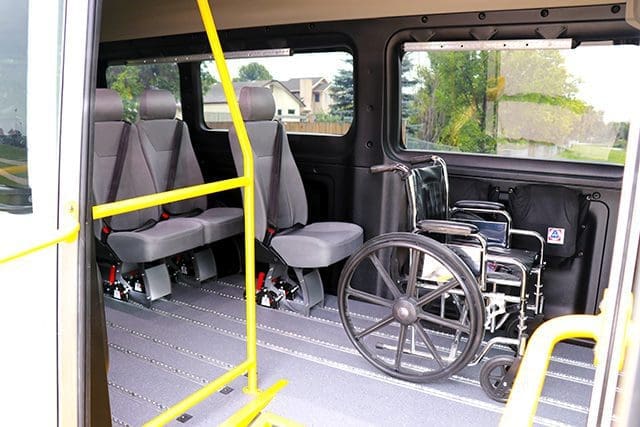
At MoveMobility, we step in once that plan becomes real. For over two decades, we’ve worked alongside Canadian organizations to turn transit strategies into vehicles people can rely on. Our team designs and builds wheelchair accessible vans and mobile medical units that support safety, comfort, and human connection. We’re proud to work coast to coast, listening first and building second, because every community moves differently. If you have questions about how planning and vehicles come together, click the button below to talk with a mobility expert who understands both sides of the journey.
If you’re not ready to talk to a mobility expert yet, here are a few resources to help you take the next step.
Recommended next reads
- Wheelchair van vs. bus: Everything you need to know: Helps you decide which vehicle type fits community transit programs and demand levels.
- 8 considerations for choosing a van for handi-transit programs: Breaks down the practical details that matter before procurement begins.
- On-Demand Transit vs. Fixed-Route Transit: Learn the differences between on-demand transit and fixed-route transit.

 English
 French