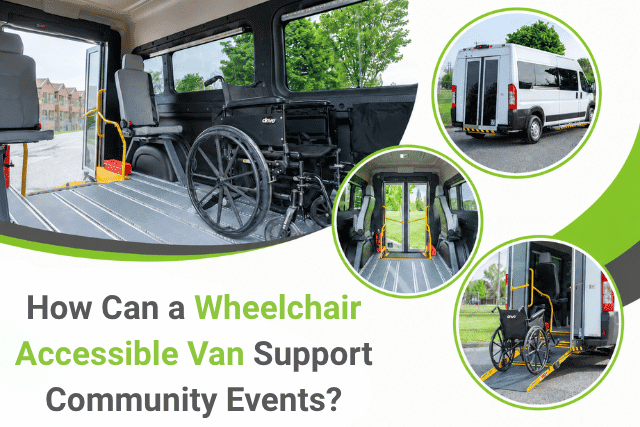
Have you ever planned a community event and worried that some people may be left out before the day even starts? A wheelchair accessible van can help close the gap between “everyone is invited” and “everyone can actually get there.” For transit teams, First Nations communities, municipalities, and care organizations, that gap can feel personal.
You want people included, but distance, weather, mobility barriers, and limited local transportation can quietly keep people home. In northern Manitoba, rural Ontario, or coastal B.C., one missed ride can mean someone misses a health fair, cultural gathering, council event, or community meal.
Our team at MoveMobility has spent over 20 years helping Canadian organizations reduce barriers to transportation. In the past 3 years alone, we’ve manufactured over 480 wheelchair vans. We hold Ford Pro Upfitter and Stellantis QPro certifications, and our vehicles carry the National Safety Mark. We’ve also worked with organizations like Liard First Nation and received the 2026 DARE Innovation Award. We build these vehicles, but we also know we’re not the only option. Our goal here is to help you make a clear, informed choice.
In this article, you’ll learn five ways wheelchair accessible transportation can support community events, including:
- Access: Helping more people attend.
- Comfort: Making travel feel easier.
- Flexibility: Supporting different event types.
- Lower stress levels: Less pressure on family members.
- Planning: Reducing last-minute transportation stress.
5 ways how wheelchair accessible vans support community events
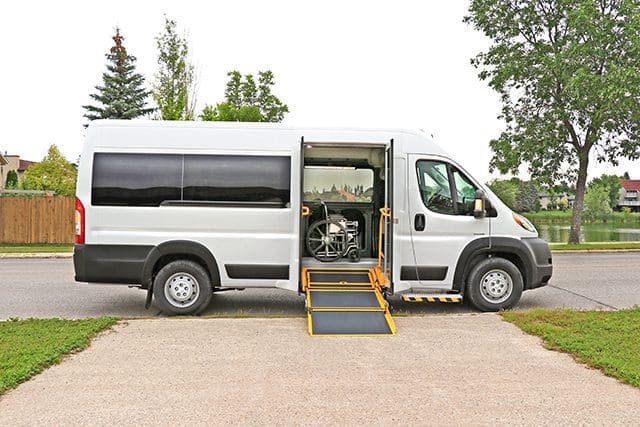
A wheelchair accessible van can help turn a community event from “open to the public” into “reachable for more of the public.” That difference can feel small on paper, but it can mean the world to someone who wants to show up, take part, and feel included.
Here are 5 ways a wheelchair van can support better event access, starting with the most important one.

1. A wheelchair accessible van helps more people attend community events
A wheelchair accessible van helps remove one of the biggest barriers to community events: Getting there in the first place.
For many people, the event itself isn’t the hard part. The hard part is the ride. A concert in town, a treaty day gathering, a fall fair, a seniors’ lunch, a powwow, or a holiday celebration can all be within reach, but still feel out of reach when transportation doesn’t fit the person.
Picture someone in a wheelchair who has been looking forward to a local concert for a full year. Their family wants to take them. They’ve talked about it for months. The tickets are ready. The excitement is there. Then comes the part nobody wants to say out loud: their family’s 2-door sedan can’t safely fit the wheelchair.
That’s a painful gap. It’s not a lack of interest, and it isn’t a lack of family support. It’s a lack of wheelchair accessible transportation.
A wheelchair accessible vehicle changes that moment. The person can board safely, stay seated with dignity, and travel with the people supporting them. No lifting. No unsafe transfers. No “maybe next time.” Just a better chance to be part of the day.
What can this support?
- Higher attendance: More people can join events in person.
- Better inclusion: Guests feel planned for, not added as an afterthought.
- Less pressure: Families and caregivers don’t have to solve transportation alone.
- Safer travel: Wheelchairs can be secured using proper restraint systems.
- Stronger community connection: People can take part in shared local moments.
This matters in large cities like Toronto or Calgary, but it can be even more important in rural and remote areas. In parts of northern Saskatchewan, Manitoba, or Atlantic Canada, public transit may be limited or unavailable. A wheelchair van can help fill that gap, so access doesn’t depend on postal code.
When more people can attend, your event becomes what it was meant to be: a place where the community can gather together.
2. A wheelchair van helps people travel with more comfort and dignity
A wheelchair accessible van can help make the ride feel calmer before the event even begins. That may sound simple, but for many people, the trip can shape the whole day.
If someone has to transfer out of their wheelchair, squeeze into a seat, fold equipment into a trunk, and hope everything fits, the event can start with stress. That’s a lot to carry before the doors even open. Add winter coats, icy sidewalks, rain, gravel lots, or tight parking, and suddenly a fun community outing feels like a small logistics summit. Nobody asked for a transportation escape room.
A wheelchair van helps reduce that pressure. It gives people a safer, easier way to board, ride, and arrive. The person using the wheelchair can stay supported. Caregivers can focus on the person, not the puzzle. Your team can offer a ride that feels planned, respectful, and professional.
How does comfort change the event experience?
Comfort doesn’t stop at the seat. It affects how people feel when they arrive.
Think about a senior attending a community holiday dinner in rural Nova Scotia. They may already feel nervous about needing help. If the trip feels rushed or uncomfortable, they may arrive tired before the event starts. A wheelchair accessible vehicle can help make that same trip feel smoother. The person can board with dignity, travel with proper securement, and arrive ready to enjoy the meal, music, and conversation.
That can support better outcomes for everyone involved:
- For riders: They feel respected and less like a burden.
- For families: They feel relief knowing transportation is safer.
- For staff: They can support guests with a more reliable process.
- For organizers: They can reduce last-minute ride issues.
- For communities: More people can take part without feeling like access is a favour.
This is especially helpful at events with longer travel times. A trip from a reserve to a regional gathering, or from a care home to a summer festival, can take time. In those cases, comfort isn’t a luxury. It’s part of making participation possible.
A wheelchair accessible van helps protect energy, reduce stress, and keep the focus where it belongs: On the person attending the event. Because when the ride feels respectful, the whole day starts on better ground.
3. A wheelchair accessible van gives your event team more flexibility
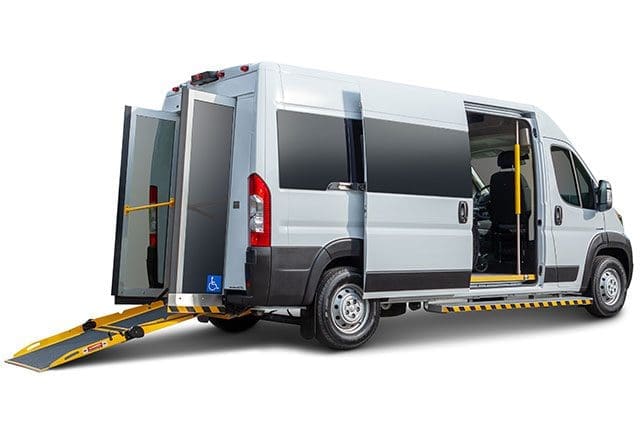
A wheelchair accessible van can help your team adapt when community events don’t go exactly as planned. And let’s be honest, community events have a special talent for changing plans at the worst possible time.
A volunteer cancels, a guest needs a different pickup time, or a road is closed for construction. The accessible parking area fills up. A family calls because their ride fell through. Suddenly, your team is trying to solve transportation while also managing food, signage, registration, speeches, and the microphone that somehow refuses to work.
A wheelchair van gives your organization one more practical tool. It can help you move people, supplies, support staff, and mobility equipment with less scramble. That flexibility can be helpful for municipalities, First Nations communities, transit organizations, senior care providers, and non-profits that support people across different locations.
How does a wheelchair van adapt to different event needs?
A wheelchair accessible vehicle can support more than one type of trip. That makes it useful before, during, and after an event.
For example, a community in northern Ontario may host a health and culture day at a local centre. In the morning, the van could help bring Elders from nearby homes. Midday, it could support a guest who needs to leave early for a medical appointment. Later, it could help transport people back after the closing meal.
That same wheelchair accessible transportation can support events like:
- Health fairs: Helping people attend screenings, education sessions, and wellness days.
- Cultural gatherings: Supporting Elders, families, and community members.
- Municipal events: Providing rides to town halls, celebrations, and public meetings.
- School events: Helping students or guests with mobility needs take part.
- Seniors’ programs: Supporting meals, concerts, recreation days, and outings.
The key benefit is control. Your team doesn’t have to rely on patchwork options every time access comes up. You have a vehicle that can respond to real community needs.
This can also help when serving rural areas. In some parts of Saskatchewan, Alberta, and the Maritimes, accessible transportation may be hard to book on short notice. A wheelchair accessible van can give your team more room to respond when plans shift.
That doesn’t mean one van solves every transportation challenge. It means your organization has a better way to close common gaps, reduce stress, and keep people connected to the events they care about.
4. A wheelchair accessible van helps reduce transportation stress for families and caregivers
A wheelchair accessible van can take a lot of pressure off the people who help others attend community events. For many families and caregivers, the question isn’t “Do we want to go?” It’s “Can we make the transportation work safely?”
That gap can feel heavy. A daughter may want to bring her parent to a Remembrance Day service. A caregiver may want to help a client attend a summer festival. A community support worker may be trying to get several people to a wellness event before registration closes. Everyone wants the same thing: a smooth, safe ride that doesn’t turn the whole day into a planning marathon.
A wheelchair van can help make that possible. It gives families and staff a better way to support people who use wheelchairs, walkers, or other mobility aids. Instead of lifting, squeezing, folding, and hoping for the best, the person can board with the right equipment and travel with more dignity.
Why does less stress lead to better participation?
When transportation feels hard, people may stay home. That can happen even when they want to attend. Sometimes the barrier is physical. Other times, it’s emotional. Nobody wants to feel like they’re creating extra work for their family, staff, or community.
A wheelchair accessible vehicle helps reduce that feeling. It sends a clear message: “We planned for you.”
That can make a big difference at events across Canada, such as:
- Community dinners: Helping seniors and Elders attend without relying on unsafe transfers.
- Health events: Supporting people who need accessible rides to screenings or wellness days.
- Town meetings: Making it easier for people with mobility needs to share their voice.
- Holiday events: Helping families attend together with less planning stress.
- Cultural gatherings: Supporting participation in events that build identity and connection.
Think of a family in rural Alberta trying to attend a community fundraiser. Their loved one uses a wheelchair, but their personal vehicle doesn’t fit the chair. Without accessible transportation, the family may have to call around, borrow equipment, or cancel. A wheelchair accessible van gives them another path. It helps the person attend, and it helps the family enjoy the event instead of managing a transportation puzzle.
For your organization, that can mean fewer last-minute calls, fewer missed trips, and better trust with the people you serve. When the ride is easier, the door to participation opens wider.
5. A wheelchair accessible van helps your organization plan stronger community events
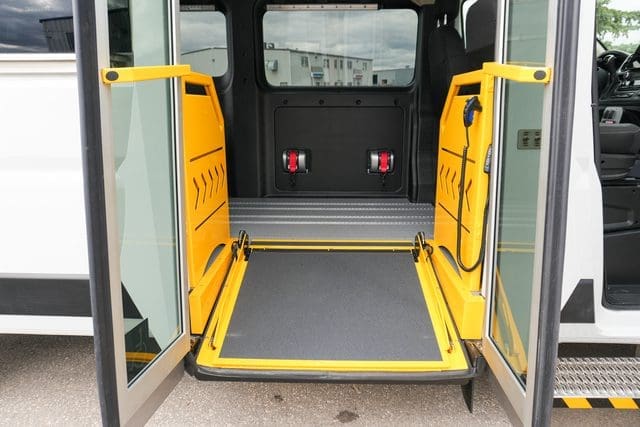
Lastly, a wheelchair accessible vehicle can help your team plan events with fewer unknowns. That can be a huge relief when you’re already managing registrations, volunteers, meals, venue access, schedules, funding rules, and that one folding table that always seems to wobble.
Transportation can be one of the hardest pieces to control. You may have a great event, a welcoming team, and a clear purpose. But if people can’t get there, the event doesn’t reach its full potential. That creates a gap between the impact you planned and the impact your community actually feels.
A wheelchair van gives your organization a more reliable way to build access into the event from the start. Instead of treating accessible rides as a last-minute problem, you can include them in your planning.
How does better planning support better outcomes?
A wheelchair van can help your team create a smoother event plan. It gives you more control over who needs a ride, when pickups happen, and how people return home safely.
For example, a First Nations community in northern B.C. may be hosting a wellness day with health education, lunch, and family activities. Some Elders may need help getting there. Some guests may use wheelchairs. Others may live too far from the event space to walk. With wheelchair accessible transportation in the plan, your team can build a pickup schedule before the event day.
That can support:
- Clearer logistics: Your team knows who needs transportation before the event starts.
- Better attendance: More people can say yes because the ride is handled.
- Safer returns: Guests have a planned way home after the event.
- Less staff pressure: Your team spends less time solving ride issues on the fly.
- Stronger trust: People see that access was part of the plan from day one.
This can also help when reporting back to funders, councils, boards, or program leads. If your goal is to reduce barriers, attendance, and ride support can show how your organization acted on that goal.
A wheelchair accessible van won’t plan the whole event for you. Sadly, it also won’t label the coffee urns or stop the registration table from running out of pens. But it can help your organization remove one of the biggest barriers people face before they even arrive.
That makes your event more than well-organized. It makes it more reachable, more welcoming, and more connected to the people it was built to serve.
Got any questions about wheelchair accessibility?
You came here because you want your community events to feel open, welcoming, and reachable for more people. You may be dealing with limited transportation, long travel distances, mobility barriers, or families who want to attend but don’t have a safe way to get there.
After reading this article, you’ve learned how a wheelchair accessible van can help your organization:
- Increase access: More people can attend events in person.
- Support dignity: Riders can travel with more comfort and respect.
- Add flexibility: Your team can adapt to different event needs.
- Reduce pressure: Families, caregivers, and staff can plan with less stress.
- Strengthen connection: People can take part in moments that bring your community together.
At MoveMobility, we build wheelchair vans for real Canadian conditions. That includes winter roads, rural travel, remote delivery, tight event spaces, and the everyday needs of organizations serving people across the country. Our team works with transit providers, First Nations communities, municipalities, care programs, and non-profits that want transportation to do more than move people from one place to another. We believe a well-built wheelchair accessible vehicle can help restore freedom, connection, and dignity. If you have questions, click the button below to talk to a mobility expert.
If you’re not ready to talk to a mobility expert yet, we have a few other resources you should check out to learn more.
What should you read next?
- How to choose a wheelchair van: This is a helpful next step if you’re comparing layouts, passenger needs, mobility equipment, and long-term use before choosing a wheelchair accessible van.
- How much does a wheelchair van cost? Read this if your team is starting to budget and wants a clearer picture of what affects price, from vehicle size to ramp, lift, and seating options.
- How to get wheelchair van funding: This article can help if you know your organization needs wheelchair accessible transportation, but you’re looking for grants, funding paths, or budget support before moving forward.

 English
  French