You might be searching for your next wheelchair van or mobile medical van, and keep seeing the term Ford Pro Upfitter Program or Ford Qualified Vehicle Modifier pop up. Maybe you’ve seen it floating around on spec sheets, quotes, and even in conversations with other programs across Canada.
You want to make the right call for your team, but it’s hard to feel confident when you’re not even sure what this label means. You may worry about safety, long-term costs, and how a vehicle will perform in real Canadian conditions, such as icy mornings in Winnipeg or steep routes in the Yukon. That gap between what you know and what you need to know is stressful. It slows down decisions and adds pressure to a job that already carries a lot of responsibility.
This is where we come in. MoveMobility has been building accessible vans and mobile medical units for over 20 years. Our vehicles have the National Safety Mark, along with the Ford ProTM Upfitter certification, which shows our commitment to strict safety standards across Canada. We’ve partnered with programs such as Liard First Nation, health networks, senior care teams, and outreach groups across the country.
Our focus is simple. You care about people. We care about building the vehicles that help you reach them. And even though we’re experts, we know we’re not the only manufacturer out there, so our goal here is to guide you without bias.
In this article, you’ll learn three key things that help you move forward with clarity:
- What is the Ford Pro Upfitter Program?
- What is a Ford Qualified Vehicle Modifier?
What’s the Ford Pro Upfitter Program all about?
When you shop for a wheelchair van or a mobile medical unit, the term Ford Pro Upfitter Program can raise a lot of questions. You may see it listed on quotes or websites and wonder what it actually means for safety, quality, and long-term reliability. Many leaders across Canada share that same feeling.
You want a vehicle that supports your program without surprises, but it’s hard to feel confident when builders all sound the same on paper. That gap between what you know and what you need to know can slow down your decision-making process. It can also increase the pressure you feel as you try to make a choice that affects your staff and the people you serve.
The Ford Pro Upfitter Program is Ford’s way of closing that gap. It’s an approval program that helps you identify builders who follow strict rules for safety, quality, and customer care. It provides a way to filter out guesswork, allowing you to focus on selecting a van that supports your mission and keeps people safe in real Canadian conditions, such as icy parking lots, steep rural roads, or long trips between clinics.
Let’s break it down so you feel clear and confident moving forward.
Ford Pro Upfitter Program: What is it?
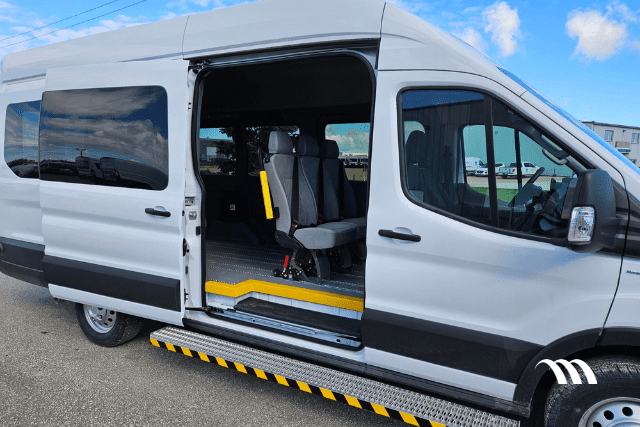
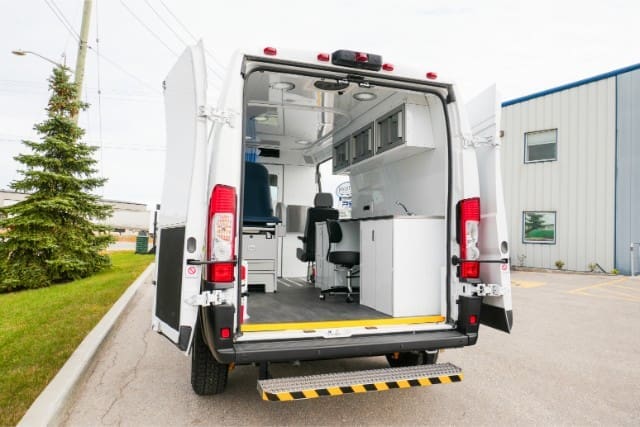
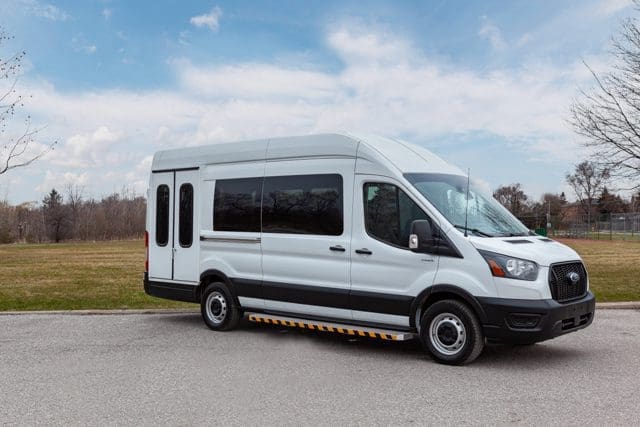
The Ford Pro Upfitter Program is Ford’s official partnership system for builders who modify Ford vans. These manufacturers take a base Ford Transit, E Transit, or chassis and transform it into vehicles with specific jobs. That includes wheelchair accessible vans, mobile clinics, outreach vans, elder support transport, community health vehicles, and more. The program was previously known as the Ford Qualified Vehicle Modifier program, or Ford QVM, but Ford has since updated and strengthened it through the Ford Pro division.
The program’s purpose is straightforward. Ford wants to ensure that anyone modifying their vehicles does so in a safe, consistent, and professional manner. They want to protect the people who ride in these vehicles and the people who depend on them every day.
What is the Ford Upfitter Program assessment process?
This is the part that many programs don’t know. Becoming a Ford Pro Upfitter is not automatic. Manufacturers must undergo an in-depth assessment that evaluates their operational processes, quality management, and customer service. Ford does not accept shortcuts.
Here’s what every manufacturer must meet before they can join the program.
1. Compliance: They must follow all Ford and government rules
This includes federal safety laws, provincial motor vehicle requirements, electrical regulations, and Ford’s own engineering standards. For a wheelchair van or mobile clinic, this is one of the biggest reasons the program matters. A builder who does not follow these rules can create safety issues that show up years later.
2. Quality: They must have a strong quality system
Ford checks if the upfitter has a formal quality operating system in place. This means they track issues, document changes, and monitor their production steps. It also means your vehicle is less likely to be built inconsistently. Quality systems reduce errors. That matters when you are transporting patients or supporting people with mobility needs in harsh weather.
3. Manufacturing: Their facilities must be clean, secure, and well-organized
Ford does on-site visits to review the shop layout, equipment, workflow, storage, and overall operations. A messy shop leads to mistakes. A clean, structured space leads to safer builds. This is about protecting you and your passengers.
4. Customer Service: They must show a real commitment to supporting clients
Ford evaluates whether the upfitter handles customer needs with care and responsiveness. This includes communication, after-purchase support, warranty help, and problem-solving. Programs across Canada rely on their vans daily. When something goes wrong, customer service becomes one of the most important parts of your entire experience.
5. Trade associations: They must be part of NTEA or RVIA
These associations focus on commercial vehicles and recreational vehicles. Membership means the upfitter participates in industry standards and training. It shows they take their craft seriously and stay informed about safety and design trends.
6. Volume requirement: They must build at least 150 Ford units for each vocation they work in
This means they cannot be new at the job. They need real experience and a proven track record. If they build wheelchair vans, they must complete 150 or more Ford units in that category. If they build mobile clinics, they must reach the same number in that vocation. This rule protects you from builders who lack experience or use trial and error in their designs.
These requirements help Ford filter out any company that cannot safely handle complex builds. As a buyer, this helps you avoid the hidden risks that come with working with a builder who cannot support your program long term.
What does this mean for your program?
Understanding the Ford Pro Upfitter Program helps you make a safer and more informed decision. A manufacturer who passes this assessment is more likely to build a van that supports your mission, holds up in your climate, and stays reliable over time.
Here is why this matters across Canada:
Safer builds for real weather
Cold temperatures affect batteries, wiring, hydraulic lifts, and flooring materials. A certified upfitter is better equipped to build vehicles that withstand the rigors of places like Edmonton, Sudbury, Whitehorse, or Saint John.
More predictable costs
When a manufacturer follows Ford rules, you’re less likely to face unexpected repairs or warranty issues.
Better service support
Ford dealers across Canada can more easily service a van built by an approved upfitter because the parts and systems follow Ford guidelines.
Stronger fleet planning
The program helps reduce the unknowns that cause delays. You get a clearer, safer path from purchase to delivery.
How does this program give you peace of mind?
Many leaders share the same fears when choosing a van:
- Worry about buying the wrong thing
- Fear of unsafe modifications
- Stress about breakdowns and repairs
- Unclear maintenance support
- Confusion around warranty coverage
- Pressure to justify decisions to boards or funders
The Ford Pro Upfitter Program gives you a foundation that reduces those fears. It shows you which builders meet stronger standards and removes guesswork. It also helps you feel confident that your van will support your program instead of slowing it down.
When you choose a builder who passes this assessment, you move closer to a future where your team stays safe, your passengers feel supported, and your fleet lasts for the long run.
Got any questions about the Ford Pro Upfitter Program?
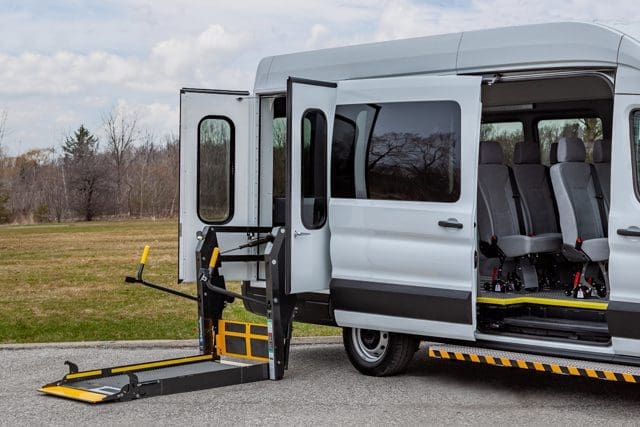
You came to this article wondering what the Ford Pro Upfitter Program means and how it affects your search for a wheelchair van or mobile medical unit. You may have felt unsure about safety, quality, and the risk of choosing the wrong manufacturer. Now you have the clarity you were looking for.
By now, you have a better idea of what the program is and how an upfitter is assessed.
As you plan your next steps, it helps to partner with a team that lives and breathes accessibility and mobile healthcare every day. At MoveMobility, we design and build wheelchair vans and mobile medical units with a deep focus on safety, dignity, and reliability in real Canadian conditions. We are proud to be a Ford Pro Upfitter and bring those high standards into every vehicle we build.
Our work with programs across the country has taught us how to support unique community needs, from large health networks to small outreach teams. You deserve a partner who listens, guides you through the process, and cares as much about your mission as you do. If you have questions, click the button below to talk to a mobility expert who can walk you through anything you need.
If you’re not ready to talk to a mobility expert yet, here are a few other resources that will help you keep moving forward.
Recommended next reads
- How to choose a wheelchair van (11 steps): A straightforward guide that helps you move from one step to the next in choosing your next wheelchair van.
- Do wheelchair van conversions void the manufacturer’s warranty? This article explains if converting wheelchair vans voids your warranty.
- Buying a converted van vs. sending a van away for conversion:This helps you compare two common buying paths and understand which one avoids delays, safety problems, and unexpected costs.

 English
  French