

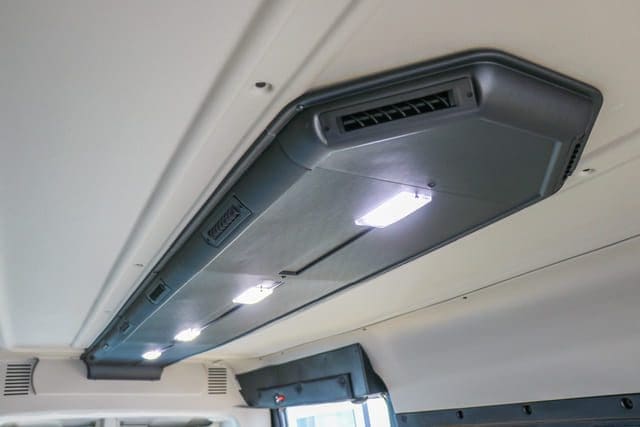
Ever stepped into a parked van in July in Winnipeg or Calgary? It feels like opening an oven door. Now imagine that heat inside a wheelchair van full of passengers. Standard wheelchair van HVAC systems can handle mild days, but in southern Ontario, Alberta, or Manitoba summers, the heat can quickly push those systems past their limit.
If riders or staff are sweating, it can create a distressing, uncomfortable ride. Overheating can lead to health issues, fatigue, and frustration, which puts your program’s reputation at risk.
So here’s the big question: Is your HVAC enough, or do you need a high-capacity wheelchair van HVAC system? When the air stays cool, riders stay comfortable, and trips are calmer. Upgrading can bridge that gap between “barely working” and “running smoothly all summer.”
At MoveMobility, we’ve built vans for Canadian climates for over 20 years. We are Ford QVM and Stellantis QPro certified, and every van carries the National Safety Mark. We’ve worked with healthcare networks, non-profits, and operators like Transdev to build vehicles that fit real-world needs from Vancouver to Halifax. While we know we’re not the only manufacturer out there, we have seen what works and what doesn’t.
In this article, you’ll learn:
- What high-capacity wheelchair van HVAC systems are
- How they perform in Canadian summers
- The five benefits of a high-capacity wheelchair van HVAC system
What are high-capacity wheelchair van HVAC systems?

High-capacity wheelchair van HVAC systems are exactly what they sound like. They cool your van faster and keep it that way, no matter how hot it is outside.
A standard wheelchair van HVAC can work fine most of the time. But on a blazing summer day in Winnipeg, Calgary, or Toronto, it can start to fall behind. The air doesn’t spread as fast, and passengers start feeling the heat. A high-capacity HVAC system doesn’t have that problem. It works harder and keeps your van comfortable from start to finish.
Here’s what makes high-capacity wheelchair van HVAC systems different:
- Stronger airflow: They move more cool air through the van, so every passenger feels it.
- Faster cooling: The temperature drops quicker, which matters when the van has been parked in the sun.
- Steady performance: Even in 30°C weather or hotter, they keep up without slowing down.
Picture it like this: A standard HVAC is a regular desk fan. It keeps you comfortable most days. But when the van has been baking in the parking lot all afternoon, you need more than a fan. A high-capacity HVAC is like a heavy-duty air conditioner that cools the whole space fast.
In a wheelchair van, there’s more space, more passengers, and more heat to deal with. A high-capacity HVAC system makes the ride safer and more comfortable for everyone.
Why do standard HVAC systems often fall short?
Most factory-installed HVAC systems are designed for typical passenger seating. That means:
- Airflow is focused toward the front seats.
- Rear air can feel weak, delayed, or uneven.
- Longer vans (especially those with raised roofs or extended floors) struggle to cool uniformly.
- Wheelchair users often sit farther from vents or directly in sunlight, leading to heat buildup.
And for someone who may have medical sensitivities to heat, that’s uncomfortable and unsafe.
How do high-capacity wheelchair van HVAC systems perform in Canadian summers?
Canadian summers are a mix of beautiful and brutal. In Vancouver, you might get a pleasant 25°C, but head to southern Ontario or Alberta in July and you can be staring at 32°C plus humidity. That’s when your wheelchair van’s HVAC system is truly tested.
A standard wheelchair van HVAC system might keep up during a short drive in moderate weather.
But picture this: you’re running a full schedule in Winnipeg on a 31°C day. The van’s been parked for 20 minutes between pickups. When passengers board, the air feels heavy and warm. The standard system kicks in, but it takes most of the ride to feel comfortable. By then, the next stop is coming up, and the cycle starts again.
Now imagine the same scenario with a high-capacity wheelchair van HVAC. The moment the van starts, the system pushes out strong, cool air. Passengers feel the difference within minutes. By the time you hit the road, the temperature is balanced, and it stays that way, even with the doors opening and closing at every stop.
Why is this important to consider in Canadian summers?
- Quick recovery after stops: Frequent boarding doesn’t mean constant temperature swings.
- Comfort for everyone: Cool air reaches all seating positions, not just the front.
- Consistent performance: Heat waves don’t slow it down.
From Toronto’s humid afternoons to Regina’s hot prairie winds, a high-capacity wheelchair van HVAC keeps your van comfortable so riders arrive feeling cared for, not overheated.
5 benefits of high-capacity wheelchair van HVAC systems
Upgrading to a high‑capacity wheelchair van HVAC system is more than just keeping the van cool. It’s about giving your riders a better experience every trip. Let’s walk through five ways this upgrade can make a difference for your clients.
1. Comfort retains clients
Comfort is a deal-breaker for many people. When riders feel comfortable, they keep coming back. In fact, research shows that thermal comfort has a direct impact on satisfaction and trust in services.
A high‑capacity wheelchair van HVAC system makes that comfort possible:
- Quick cooling: Riders feel relief in minutes, even on a 33°C afternoon in Calgary.
- Even airflow: Cool air reaches everyone, not just the first few rows.
- Consistent temperature: Frequent stops don’t lead to hot, stuffy air.
Why this matters:
- Riders remember the ride as smooth and comfortable.
- They trust your service more because you care about their well‑being.
- They’re more likely to ride again and recommend your service.
Comfort builds loyalty. A standard system might leave riders fanning themselves and hoping for a breeze. A high‑capacity system makes them look forward to the next trip.
2. Reliability builds trust
When your wheelchair van HVAC system works flawlessly, passengers notice. They may not talk about it, but they feel it. A reliable high‑capacity system keeps the van at a steady, comfortable temperature through the whole trip, no matter how many times you open the doors or how hot it gets outside.
Why does reliability matter to your clients?
- No surprises: A steady climate means riders don’t have to brace themselves for hot or cold spots.
- Professional image: Consistent comfort shows your service is well‑run and dependable.
- Peace of mind: Riders feel safe knowing the environment stays comfortable, even during longer trips.
Picture a trip in Edmonton on a 30°C July afternoon. The van is full, and you’re making multiple stops. A standard HVAC might struggle to recover after each boarding, but a high‑capacity system keeps cool air moving without lag.
That reliability builds quiet confidence. Clients may not say, “Your HVAC system is impressive,” but they will say, “This service feels professional and dependable.” Trust grows when your riders never have to think about temperature at all; it just works.
3. Safety protects your reputation
Comfort is important, but safety is non‑negotiable. High‑capacity wheelchair van HVAC systems help protect vulnerable passengers from heat‑related risks. Many riders, especially seniors or people with health conditions, are more sensitive to extreme temperatures.
Why safety matters with HVAC:
- Heat stress prevention: Extreme heat can lead to heat exhaustion or heat stroke, which can happen faster than people expect.
- Stable conditions: A steady temperature keeps passengers comfortable and reduces health risks.
- Extra support for vulnerable riders: Passengers with mobility or medical needs feel secure knowing the environment is managed.
Think about southern Ontario in August, where humidity can make it feel hotter than the thermometer shows. A standard HVAC may take too long to recover after stops, creating short periods of overheating. A high‑capacity system keeps temperatures steady, even during busy routes.
Keeping passengers safe also protects your organization’s reputation. Riders and their families notice when you take steps to prevent risks. That builds credibility and shows you take your responsibility seriously.
4. Efficiency saves time and resources
A high‑capacity wheelchair van HVAC system is about keeping your operations running smoothly. When the van cools faster and maintains a steady temperature, your drivers spend less time adjusting settings or waiting for the cabin to stabilize.
How efficiency helps your operation:
- Faster turnarounds: The van is comfortable sooner after parking in the sun.
- Less strain on drivers: No constant fiddling with controls to balance airflow.
- Reduced wear on equipment: Systems that work efficiently tend to last longer.
Imagine running a summer schedule in Regina. With a standard HVAC, every boarding takes a few minutes for the van to feel comfortable again. Those minutes add up over the day, slowing routes and creating stress for drivers and passengers.
A high‑capacity system closes that gap. The van cools quickly and holds the temperature, helping your schedule stay on track. Over time, fewer delays mean happier riders, lower operational stress, and better use of your resources.
5. Positive experience grows referrals
When riders have a consistently good experience, they talk about it. Word‑of‑mouth is powerful for community programs, healthcare transportation, and non‑profits. A high‑capacity wheelchair van HVAC system plays a subtle but important role in shaping those positive stories.
Why rider experience matters for referrals:
- Comfort stands out: Passengers remember feeling comfortable on a hot day.
- Trust builds reputation: A reliable service makes people more likely to recommend you.
- Good impressions spread: Riders share positive experiences with friends, families, and care providers.
Picture a group outing in Vancouver during a summer heatwave. Everyone boards expecting a stuffy ride, but instead they step into a cool, comfortable van. By the time the trip ends, the conversation isn’t about the heat outside, it’s about how smooth and comfortable the ride was.
Those moments become talking points in the community. When riders feel cared for, they become your best advocates. The more they share their experience, the more your service grows.
Is a high-capacity wheelchair van HVAC system worth the investment?
Let’s discuss the elephant in the room: cost. Upgrading to a high-capacity HVAC system isn’t free. So, is it worth it?
If your van only runs light routes during mild seasons, maybe not. But if you’re transporting vulnerable riders through prairie heat waves, sticky Ontario humidity, or back-to-back summer pickups, the answer is yes. Absolutely.
Here’s why:
- It protects your passengers: Seniors, people with medical conditions, and young riders are more susceptible to heat-related stress. That risk alone justifies the upgrade.
- It reduces operational stress: When the system does its job, drivers spend less time fiddling with controls and more time focusing on safety and schedules.
- It saves money in the long term: Efficient systems wear out more slowly, reduce the likelihood of emergency maintenance, and help avoid uncomfortable (and costly) rider complaints.
- It builds loyalty: Comfortable rides don’t just feel better—they build a reputation your riders remember and talk about.
If your van is a core part of your service, the cost of not upgrading is harder to justify. Like good tires or proper lift systems, this is one upgrade that pays off every time the temperature climbs.
Got any questions about high-capacity wheelchair van HVAC systems?
You came here because you needed a solution for HVAC that handles Canadian summers and keeps riders cool and safe. You started out worried that standard systems might not cut it during heat waves and leave your passengers uncomfortable.
After reading this article, you now know:
- The gap between regular wheelchair van HVAC systems and high‑capacity ones, and why it matters.
- How high‑capacity HVAC delivers faster, steadier cooling and prevents heat‑related risks.
- How that upgrade improves comfort, reliability, safety, efficiency, and referrals for organizations like yours.
Our team at Movemobility builds hundreds of wheelchair accessible vans each year in our Canadian facility in Winnipeg. We serve clients across Canada, with deep experience tailoring vans to match community needs in every climate and region. Our mission is removing barriers to healthcare and transportation through smart design and trusted delivery. We work hard to keep clients long after the sale, because your success is our success.
We’re proud to lead the industry and help organizations deliver safe, accessible rides. If you’d like to talk with a mobility expert, click the button below.
If you’re not ready to talk yet, we’ve put together a few helpful articles for you:
- How to choose a wheelchair van (11 steps): This guide will steer you in the right direction for your next wheelchair van.
- Full size wheelchair vans in 2025: This gives you a big-picture view of options and advice to go along with it.


 English
  French